





Antique Vanity Seat
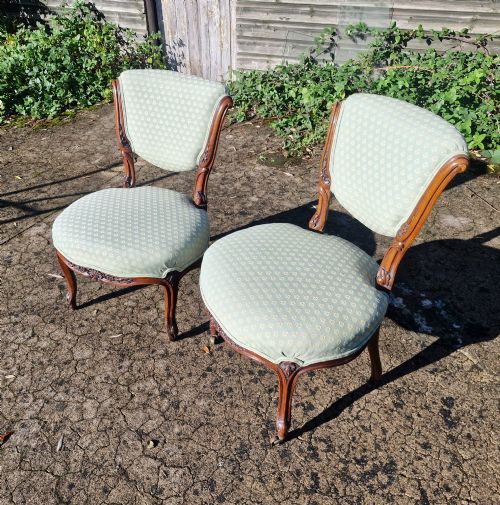
An antique vanity seat offers a low, practical perch for the dressing room, combining period timber frames with soft textile tops.
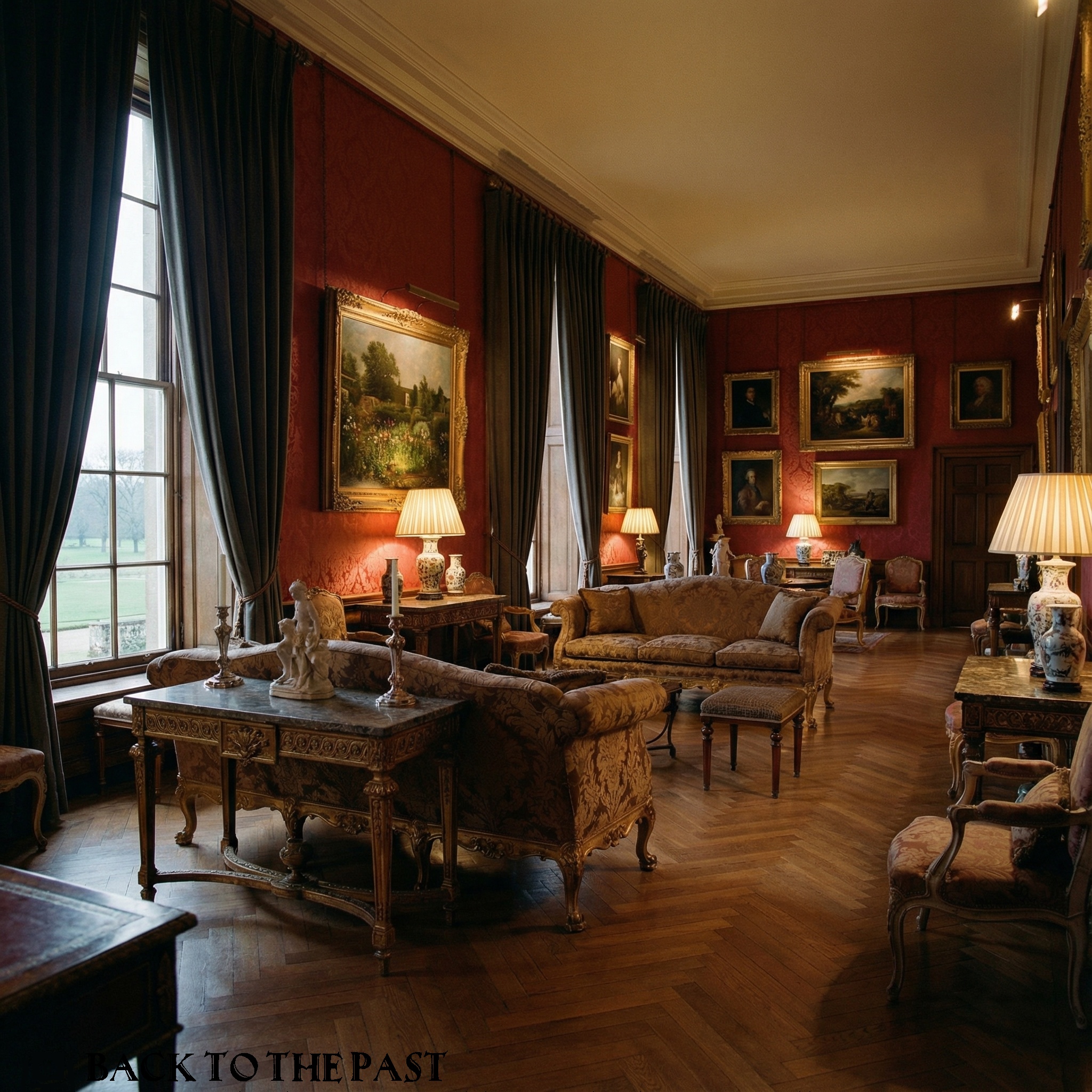
Antique Vanity Seat
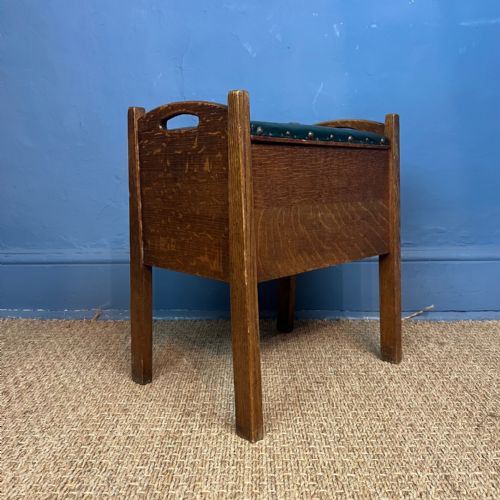
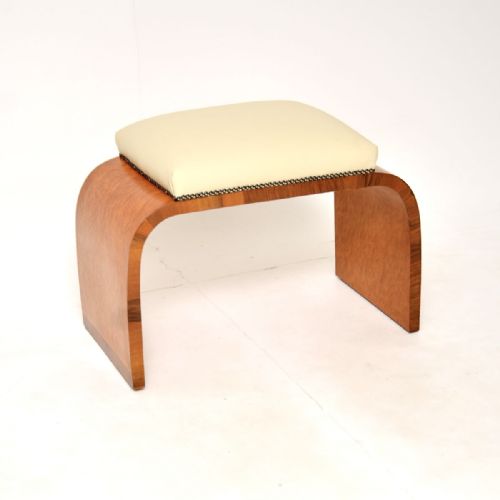
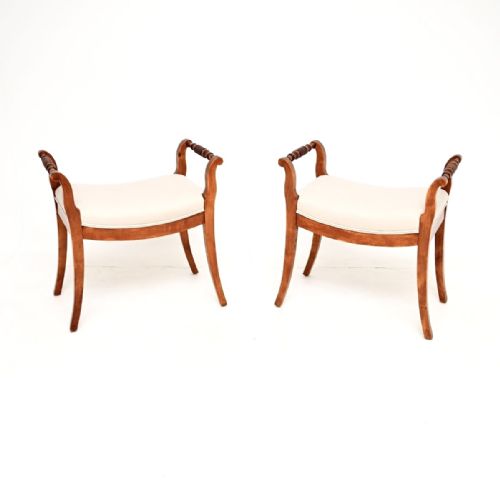
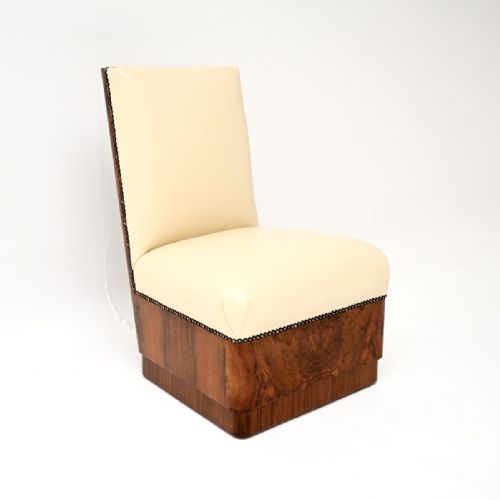
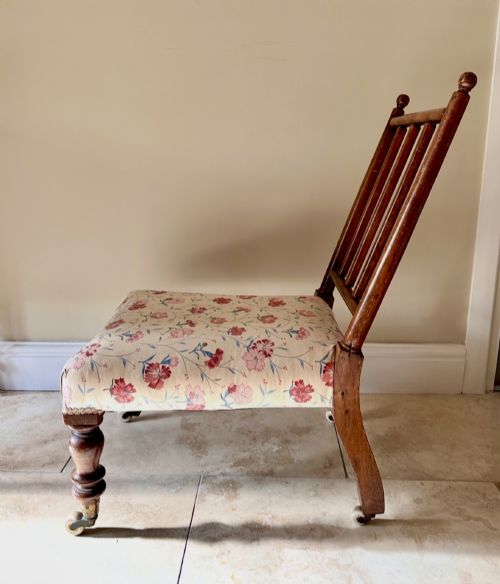
An antique vanity seat appears in various forms such as dressing table stools, piano stools, and low benches originating from the eighteenth century through to the Art Deco period. The listings show substantial numbers from the Victorian and Edwardian eras, often adopting revival styles like Queen Anne, Chippendale, and Sheraton.
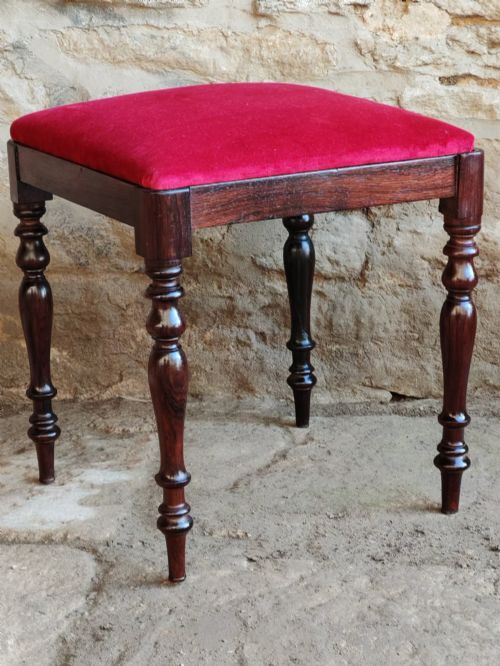
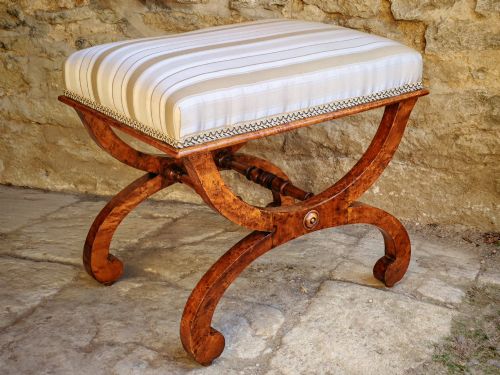
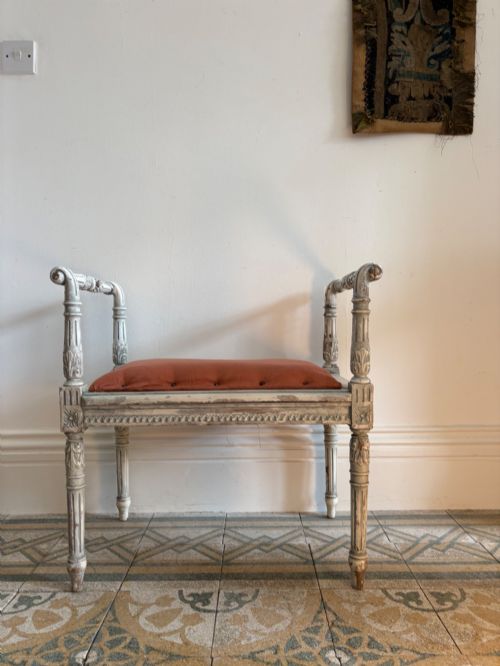
Makers fashioned these pieces in mahogany, walnut, rosewood, and oak, alongside painted and gilded continental finishes. Seats range from simple upholstered pads to adjustable piano mechanisms and X-frame supports.
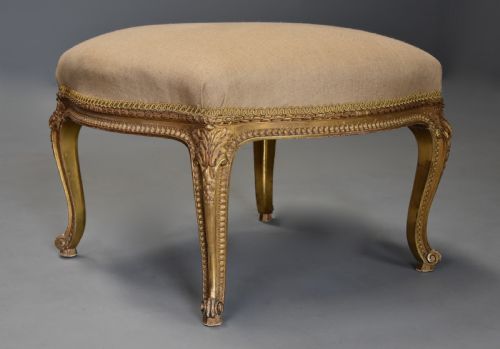
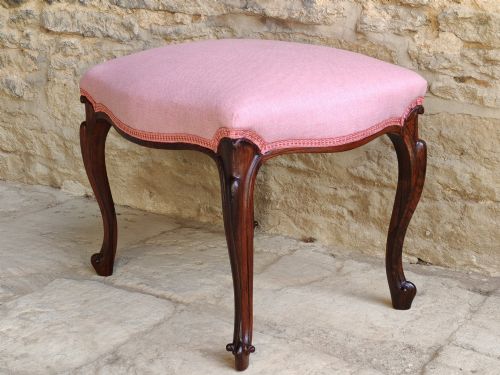
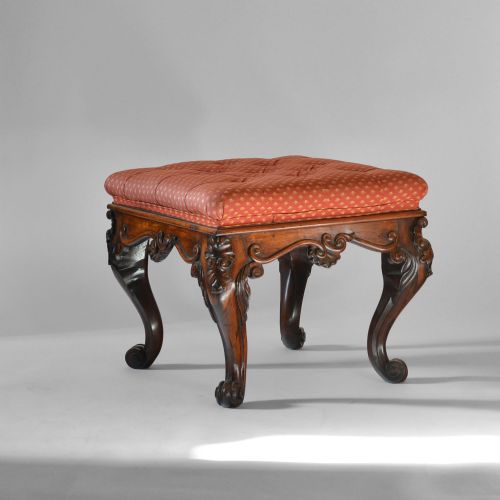
Buyers meet examples spanning straightforward cabriole leg designs to elaborate Anglo-Indian and French Empire interpretations. These small seats served bedrooms, dressing rooms, and music rooms alike.
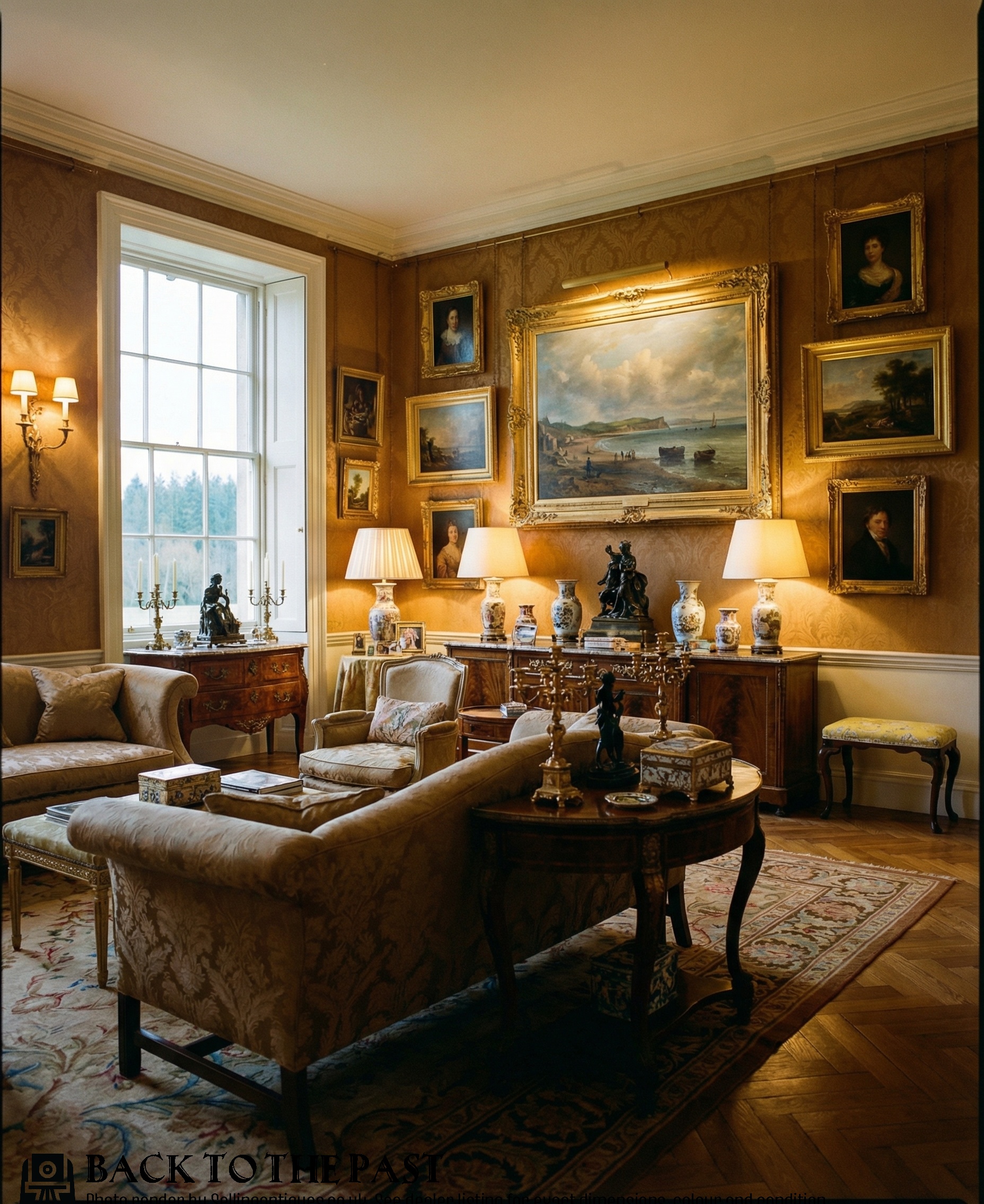
Construction and materials
Cabinet makers utilised dense hardwoods including mahogany, walnut, satinwood, and rosewood for the structural frames, sometimes turning to oak or ebonised wood. Joinery techniques varied from square tapering legs to carved cabriole legs with cross stretchers.
Upholstery relied on traditional fillings covered in silk, velvet, fabric, leather, or intricate beadwork. Metal elements such as brass appeared primarily on adjustable mechanisms for piano stools.
Antique Vanity Seat Retail Price Guide 2026
Typical asking prices for vanity seat among the pieces listed under this phrase on Sellingantiques today, from the lower quarter to the upper quarter. They describe what is for sale here now, not the wider market.
Judging the work
Quality rests upon the crispness of the timber carving and the integrity of the frame construction. Pieces displaying well-figured walnut or mahogany with precise joinery stand above standard production.
The sophistication of the secondary materials, such as heavy silk or needlework textiles and functional mechanical adjustments, separates standard utility seating from finer workshop output.
Harry and Lou Epstein·Bath Cabinet Makers
The Antique Vanity Seat Glossary
- Cabriole leg
- A furniture leg that curves outward and then tapers inward, typically ending in a pad or claw foot. This form became popular during the Queen Anne and Chippendale periods.
- X-frame
- A structural base formed by intersecting diagonal members resembling the letter X. It provides sturdy support for folding or stationary stools.
- Cross stretcher
- Horizontal wooden rods connecting the legs beneath a stool for added stability. They frequently intersect at the centre.
- Satinwood
- A durable hardwood with a natural golden sheen utilised for fine cabinet work. It gained favour in late eighteenth and nineteenth-century decorative pieces.
Antique Vanity Seat: Frequently Asked Questions
What is an antique vanity seat used for?
These low seats provide a comfortable place to sit while using a dressing table or vanity mirror. They also function as piano stools or small occasional perches in bedrooms.
Because of their compact size, they fit easily beneath tables or beside bedroom furniture when not in use.
How do I date an antique stool?
Dating relies on identifying the timber species, leg profiles, and construction methods characteristic of specific periods. For example, cabriole legs often point to eighteenth-century revival styles or Victorian production.
Upholstery materials and internal framing techniques also offer clues to whether a piece originates from the Georgian, Victorian, or Edwardian eras.
Are these seats comfortable?
Many examples feature padded tops upholstered in velvet, silk, leather, or fabric over traditional stuffing. Some pieces incorporate adjustable heights for personal comfort during extended seating.
Original padding may feel firm compared to modern cushions due to the historic materials used beneath the textile cover.
How do I choose the right style?
Selecting a style depends on matching the timber and decorative period to your existing room furnishings. Walnut and mahogany revival pieces offer traditional warmth, while painted Swedish or Art Deco models introduce distinct visual contrast.
Consider whether you need a stationary stool, an adjustable mechanism, or a specific leg profile like the cabriole or square tapering form.