
Antique Uzbek Suzani
These hand-embroidered textiles from Central Asia offer vibrant botanical and geometric designs intended for domestic and ceremonial use.
Antique Uzbek Suzani
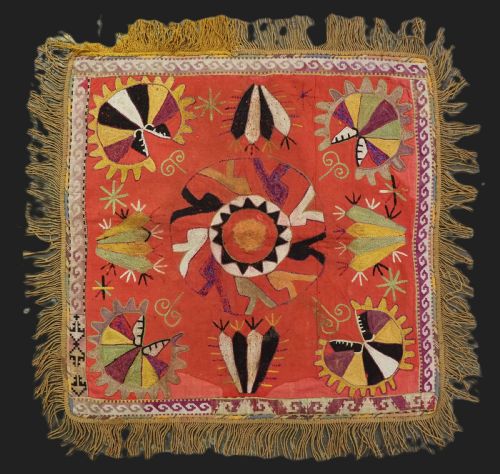
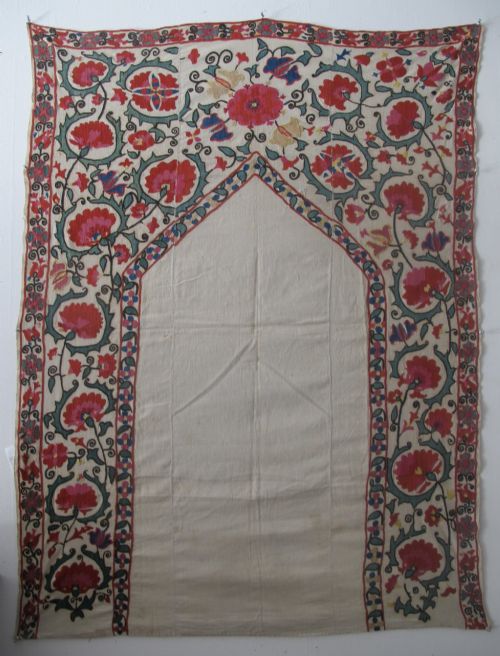
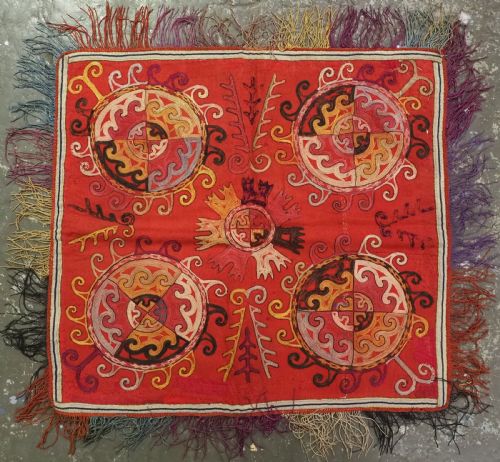
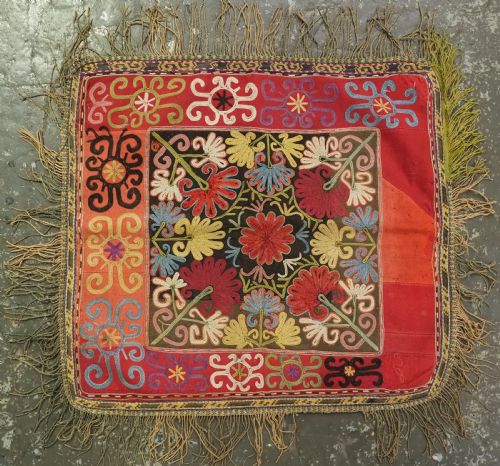
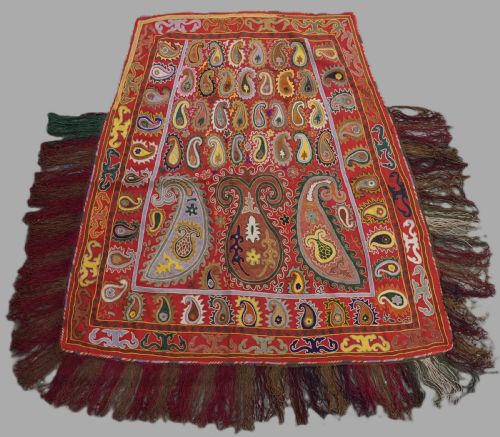
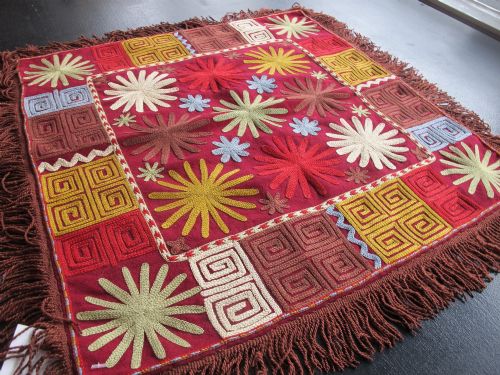
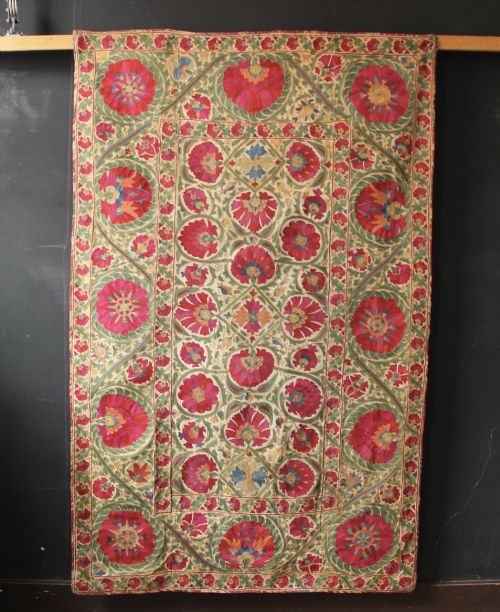
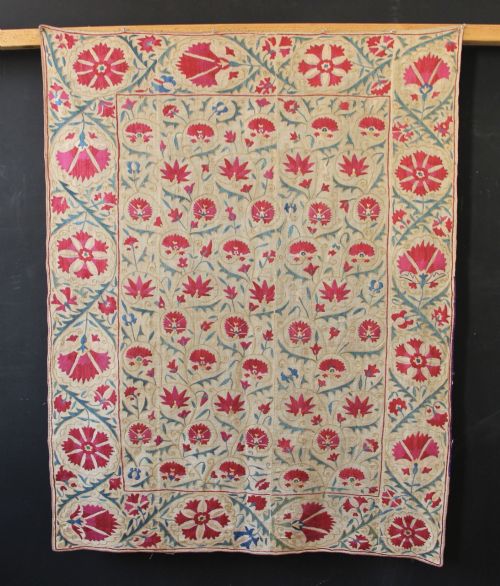
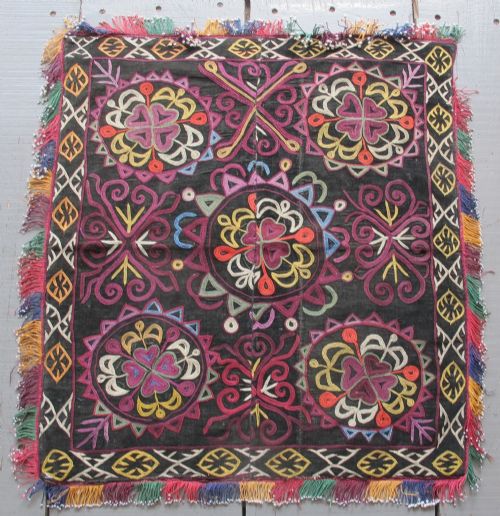
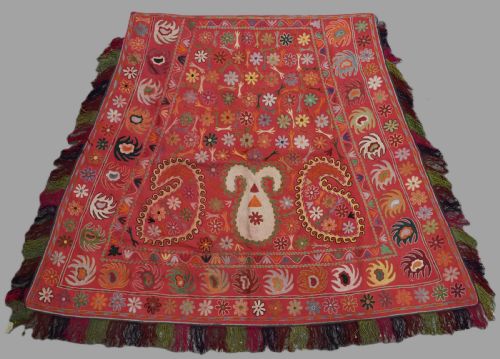
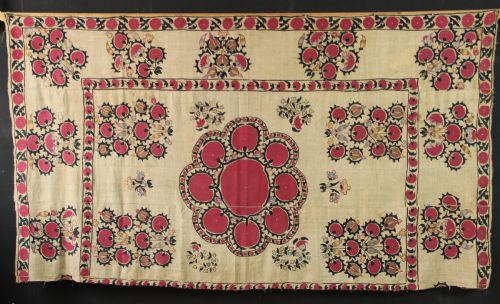
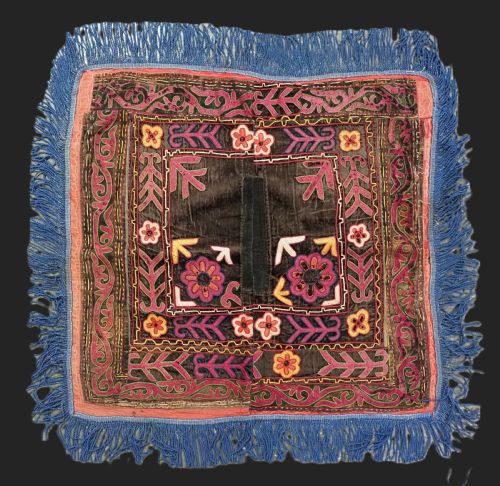
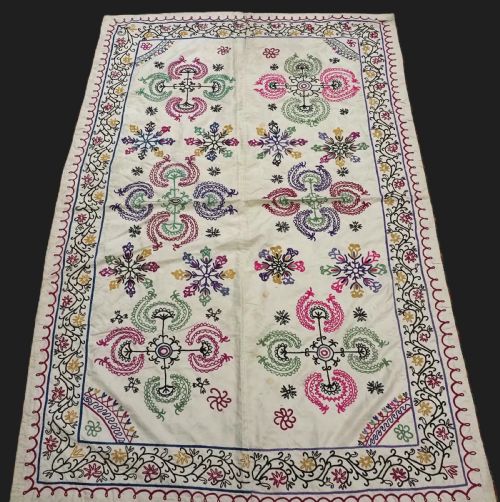
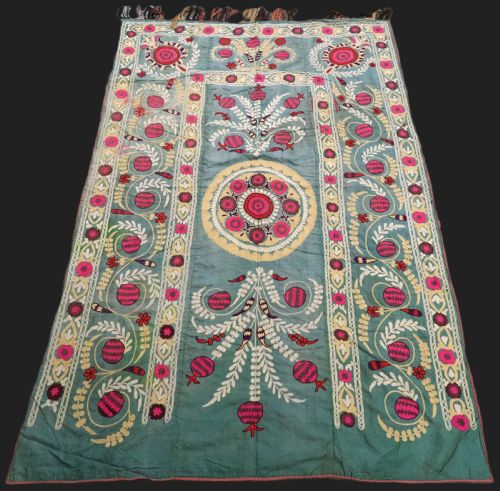
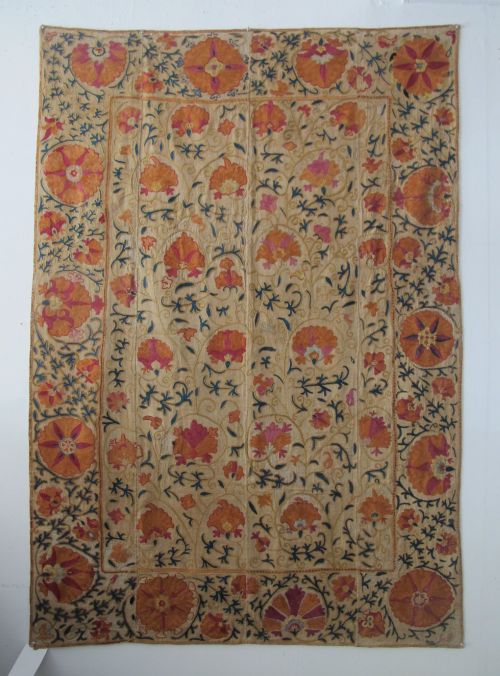
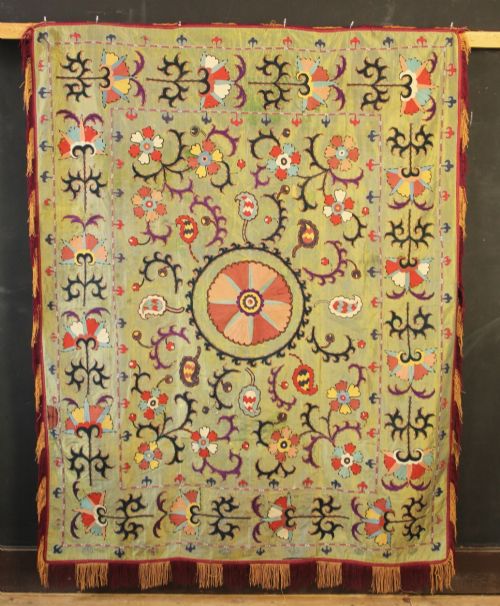
An antique uzbek suzani is a large embroidered textile panel traditionally produced in Central Asia for domestic interiors, dowries, and ceremonial functions. These textiles display diverse formats, including full-size wall hangings, smaller nim suzani panels, bed covers, and horse or saddle covers.
Makers across regions such as Bukhara, Shakrisabz, Nurata, and Ura Tube created distinct regional styles and formats. The selection includes tribal pieces from the Lakai and Tajik communities alongside classical floral and architectural compositions.
How they were made
Artisans worked silk, cotton, and wool threads onto woven foundations of cotton, linen, silk, wool, or adras silk and cotton blends. Embroidery techniques utilised silk thread and occasionally incorporated glass beads.
Ground fabrics often featured dyed cottons in yellow, red, or black alongside wool and silk grounds, sometimes constructed from multiple joined strips.
Antique Uzbek Suzani Retail Price Guide 2026
Typical asking prices for uzbek suzani among the pieces listed under this phrase on Sellingantiques today, from the lower quarter to the upper quarter. They describe what is for sale here now, not the wider market.
Several makers embroidered elaborate ceremonial horse covers, proving that nomadic transport required just as much textile flair as the living room wall.
What varies in quality
The finesse of the needlework and the complexity of the design dictate the distinction between standard examples and finer pieces. Density of silk embroidery and precision in execution separate utilitarian domestic items from exceptional ceremonial commissions.
Material selection also defines the tier of the piece, with complex ground fabrics and intricate details such as architectural motifs or figural tribal elements commanding greater visual depth.
The Antique Uzbek Suzani Glossary
- Suzani
- An embroidered textile panel originating from Central Asia, traditionally worked in silk on a cotton or linen ground.
- Nim suzani
- A half-size suzani panel, typically smaller in dimension than the full wall hanging formats.
- Ilgich
- A small embroidered dowry hanging or bag face associated particularly with the Lakai tribe.
- Ru-i-jo
- A traditional Central Asian bed cover suzani used in domestic settings.
- Adras
- A traditional Central Asian fabric woven with a silk warp and a cotton weft.
Antique Uzbek Suzani: Frequently Asked Questions
Where were suzanis made?
Production centred on historical cities and regions across Uzbekistan, including Bukhara, Shakrisabz, Nurata, and Tashkent. Each area developed characteristic colour palettes and botanical or geometric motifs.
Tribal groups such as the Lakai and Tajik makers also produced distinctive work with unique regional layouts and smaller format pieces.
What materials are used?
The primary medium is silk embroidery thread worked onto ground fabrics of cotton, linen, wool, or adras silk-cotton blends. Some specialised tribal pieces incorporated glass beads into the surface design.
Grounds were dyed in distinctive shades including red, yellow, and black, providing a high-contrast background for the intricate needlework.
How do I care for a suzani?
Display these delicate textiles away from direct sunlight to prevent the fading of natural silk and cotton threads. Gentle mounting or framing protects the antique ground fabrics from physical strain.
Professional textile conservation is recommended for cleaning or stabilization to preserve the integrity of the historical embroidery.