
Antique Upholstery Accent Chair
An antique upholstery accent chair brings period character and tactile depth to a room through traditional frames and heritage textiles.
How they were made
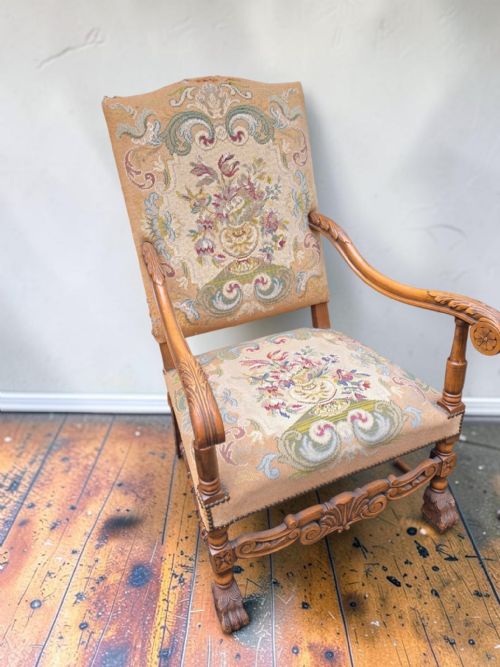
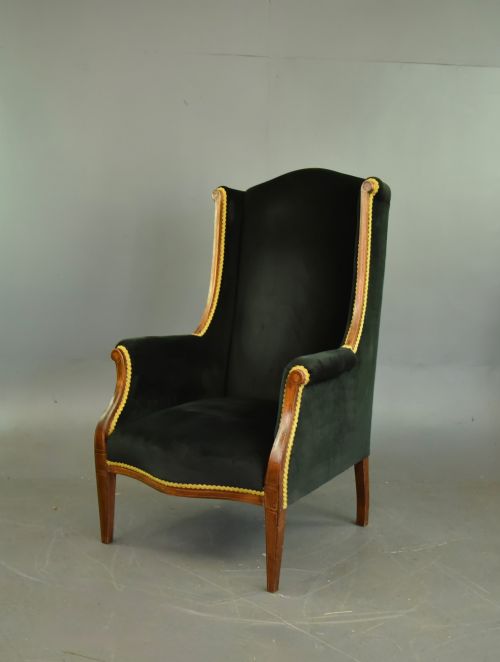
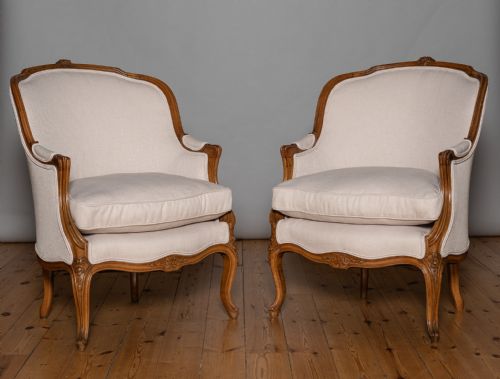
Makers constructed the structural frames of these chairs using solid hardwoods such as mahogany, walnut, oak, and birch. Woodworkers carved, painted, or parcel-gilded these timbers, frequently incorporating turned front legs fitted with castors or inlay details.
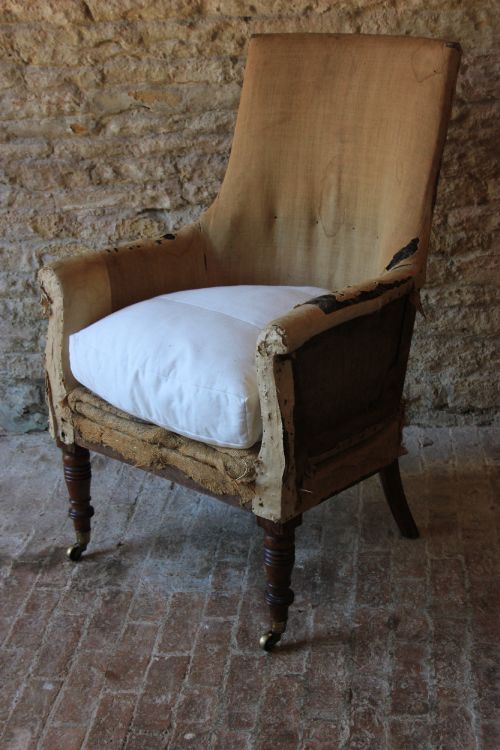
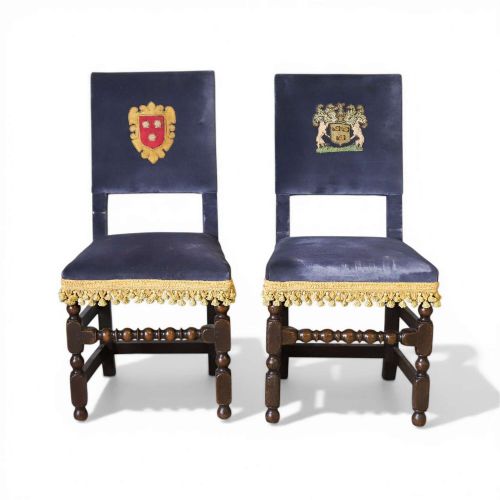
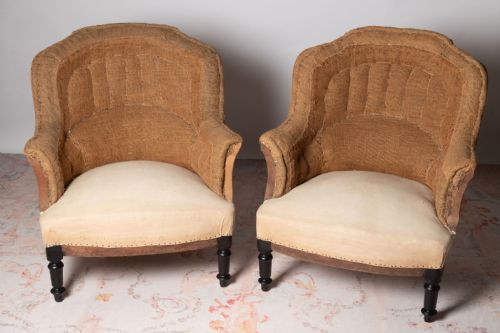
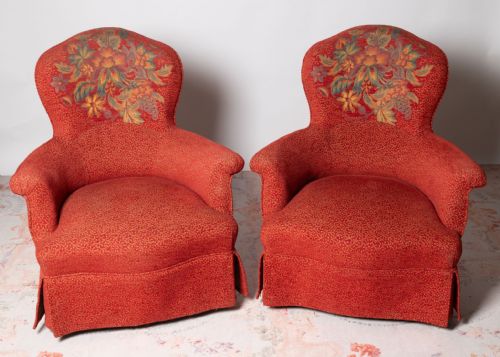
Traditional upholstery methods relied on foundational layers of hessian, webbing, and calico to support sprung or stuffed interiors. Finishing treatments involved securing velvet, silk, tapestry, or wool fabric with brass tacks and decorative gimp.
What varies in quality
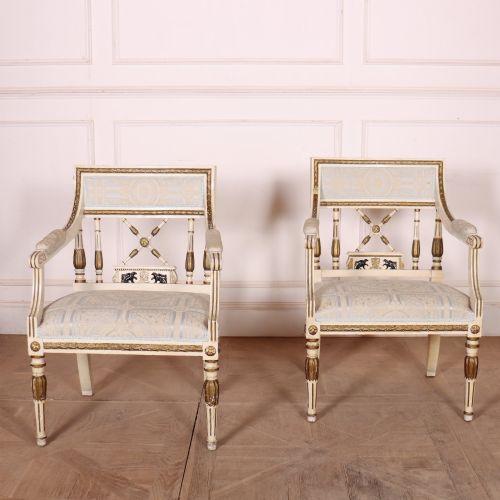
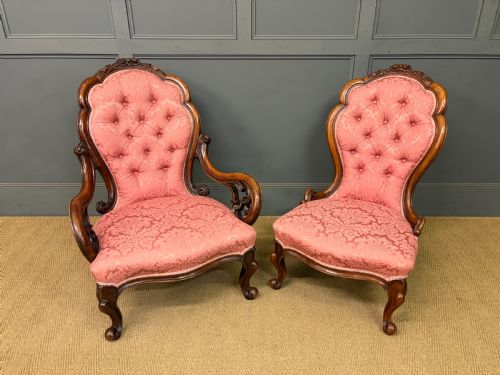
The distinction between ordinary and superior pieces rests in the integrity of the timber frame and the depth of the carving. Carved details, parcel gilding, and finely turned walnut or mahogany legs demonstrate superior craftsmanship.
Proportion and scale dictate the visual weight of the chair within a room, with larger armchairs and matched pairs commanding greater presence. The survival of original show wood and authentic surface patination elevates the standing of an individual piece.
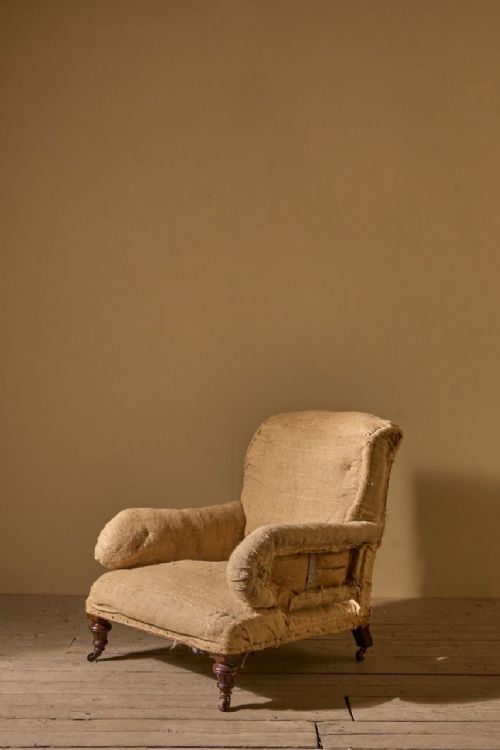
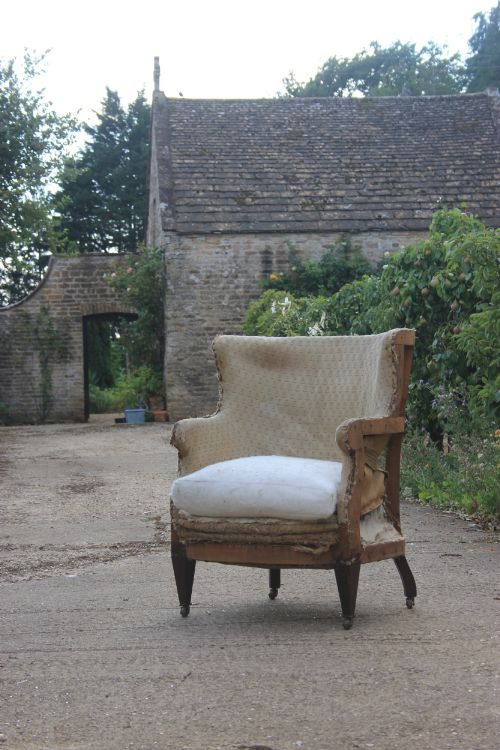
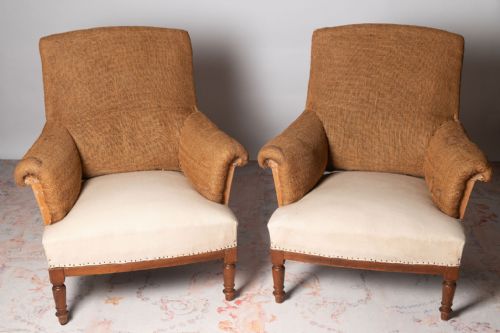
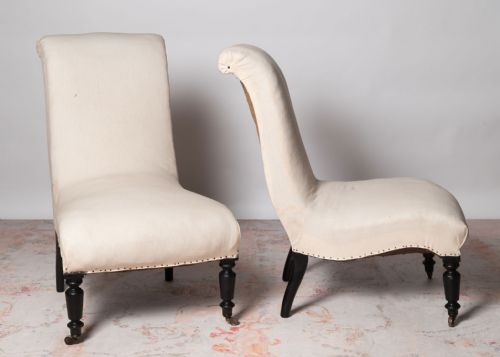
Several chairs wait patiently for re-upholstery, offering adventurous buyers the chance to wrap centuries of history in parrots.
Hindley & Sons·Heals
The Antique Upholstery Accent Chair Glossary
- Fauteuil
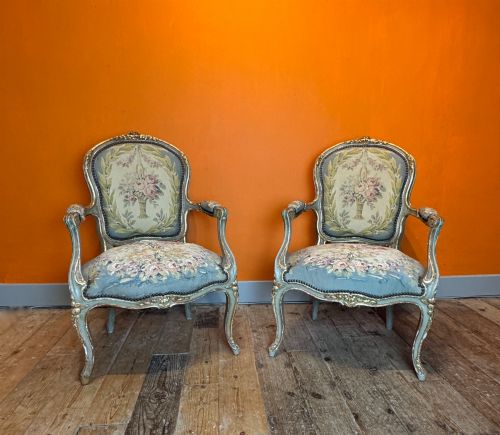
- An open-framed armchair originating in France, typically featuring exposed carved wood and upholstered armrests. These pieces reflect specific period tastes such as Louis XVI.
- Nursing chair
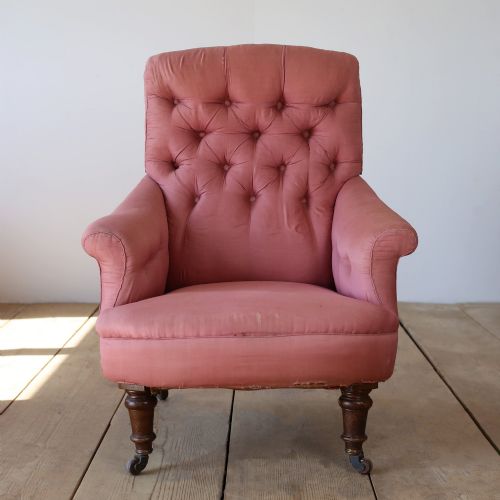
- A low-seated chair historically designed for comfort during nursing, often featuring a buttoned back and turned legs. They sit lower to the ground than standard parlour chairs.
- Hessian
- A coarse woven fabric utilised as a traditional internal support layer in upholstery. It provides the foundation beneath stuffing and top fabrics.
- Parcel gilt
- A decorative technique where specific carved details on a wooden frame are highlighted with gold leaf. The remaining timber surface shows painted or natural finishes.
- Button back
- An upholstery style where depressions are created in the padding by pulling buttons deep into the stuffing in a geometric pattern. This technique secures internal fillings while adding texture.
Antique Upholstery Accent Chair: Frequently Asked Questions
What is an antique upholstery accent chair?
An antique upholstery accent chair is a period seat designed to add visual interest and functional seating to a domestic interior. These pieces encompass various historical forms including slipper chairs, nursing chairs, and library armchairs.
They combine wooden frames from centuries past with textiles ranging from antique tapestry to contemporary velvet. Each piece reflects the aesthetic preferences of its specific period, from Regency restraint to Victorian button-backed comfort.
How do I choose between different periods?
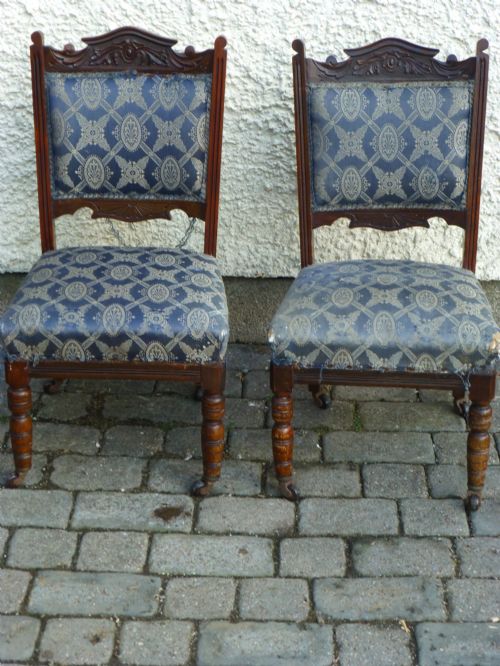
Choosing a period depends on the architectural style of your home and the specific silhouette you prefer. Regency and Georgian chairs offer cleaner lines and mahogany frames, while Victorian and Edwardian examples lean towards button backs and turned wooden legs.
French pieces, such as Napoleon III designs or Louis XVI style fauteuils, introduce carved and painted details with gilt highlights. Consider the scale of the room and whether you want a formal parlour seat or a relaxed bedroom chair.
Can I reupholster these antique chairs?
Many listings specifically note that chairs are offered for re-upholstery, allowing buyers to select modern or period-appropriate fabrics. Traditional frames accommodate new top covers while preserving the underlying webbing and hessian foundation.
Working with professional upholsterers ensures that traditional techniques are respected when dealing with sprung interiors and buttoned backs. This approach breathes new life into antique frames while matching contemporary interior colour schemes.
How do I care for antique wood and fabric?
Caring for antique wood involves applying appropriate wax polish sparingly to maintain the natural patination of mahogany, walnut, or oak. Avoid placing chairs in direct sunlight to protect sensitive textiles like silk and tapestry.
Regular gentle vacuuming removes dust from velvet and fabric surfaces without damaging the underlying stuffing. Professional cleaning is recommended for delicate historical covers to preserve the integrity of the fibres.