




Low Seating Fireside Chair
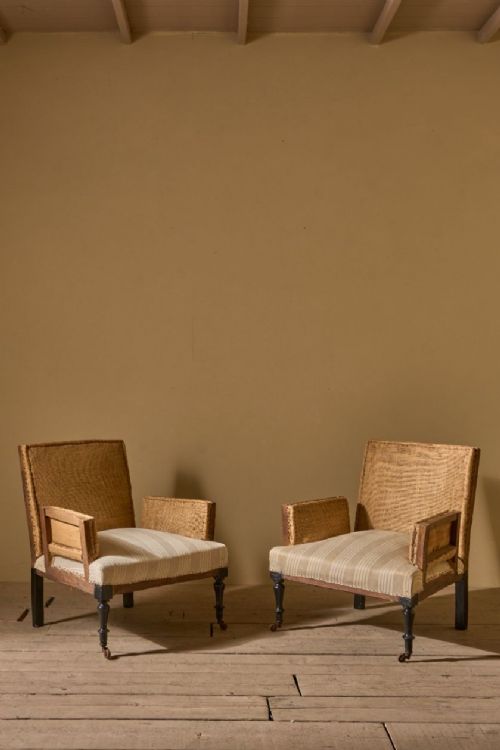
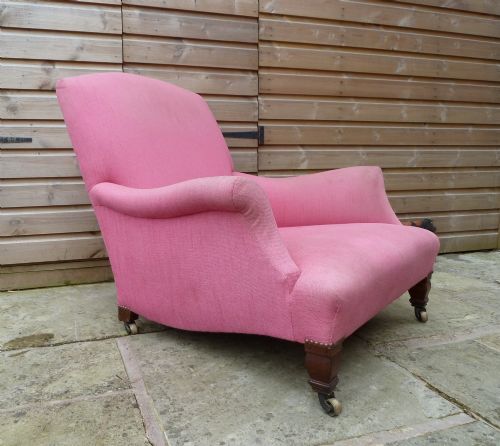
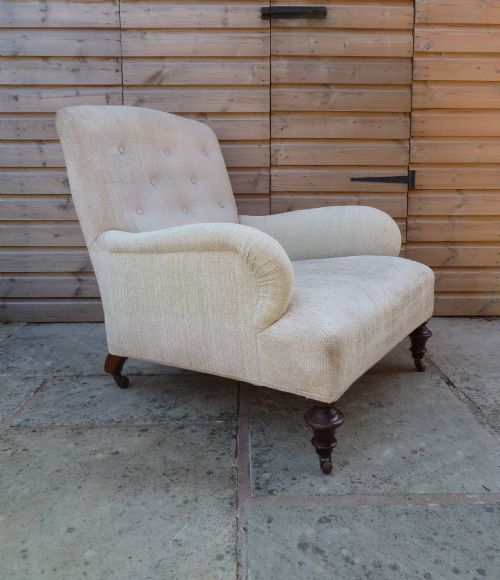
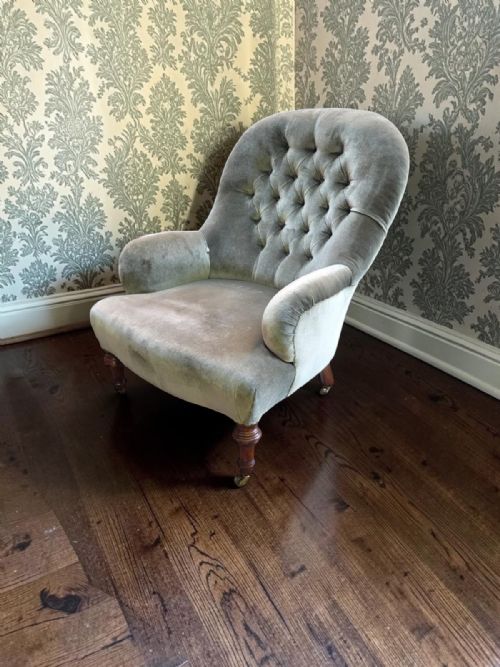
These low seating fireside chair examples combine low-slung comfort with period frames, offering domestic warmth for sitting close to the hearth.
Low Seating Fireside Chair
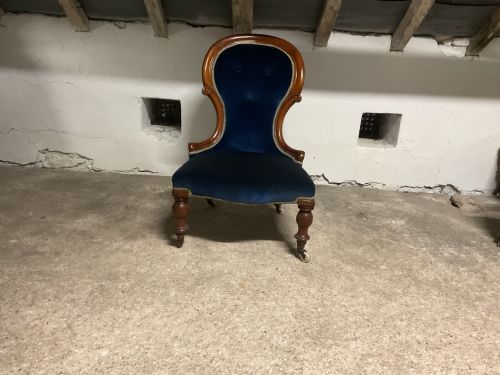
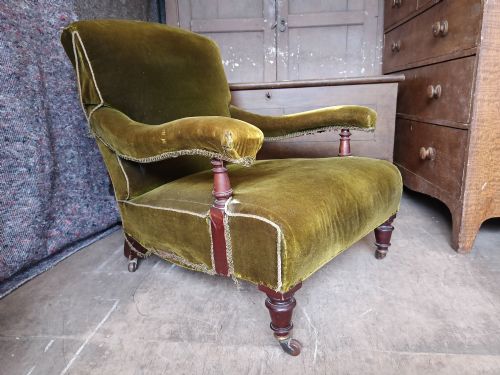
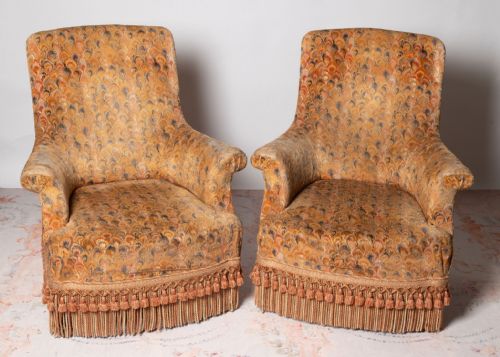
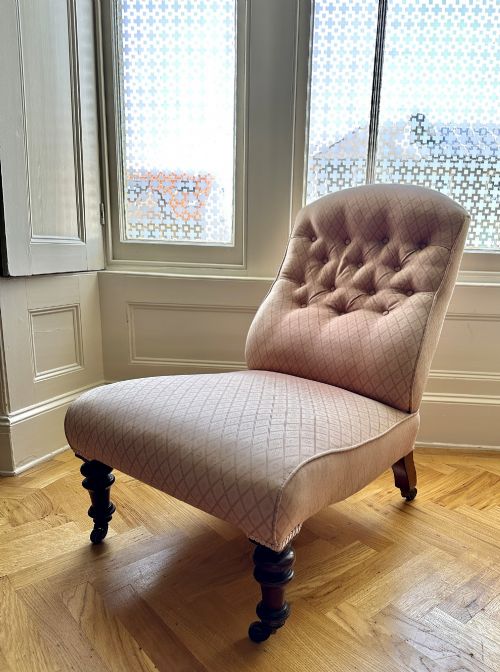
A low seating fireside chair encompasses nineteenth-century nursing chairs, slipper chairs, and low club or armchairs designed for proximity to a fireplace. You will most frequently encounter Victorian walnut and mahogany examples alongside Edwardian and French pieces.
The form spans various historical idioms, from English country house seating and Napoleon III models to Art Deco armchairs and Scottish vernacular variants. These seats often feature low centres of gravity, deep cushions, and supportive backrests tailored for relaxed parlour and bedroom use.
Judging quality and character
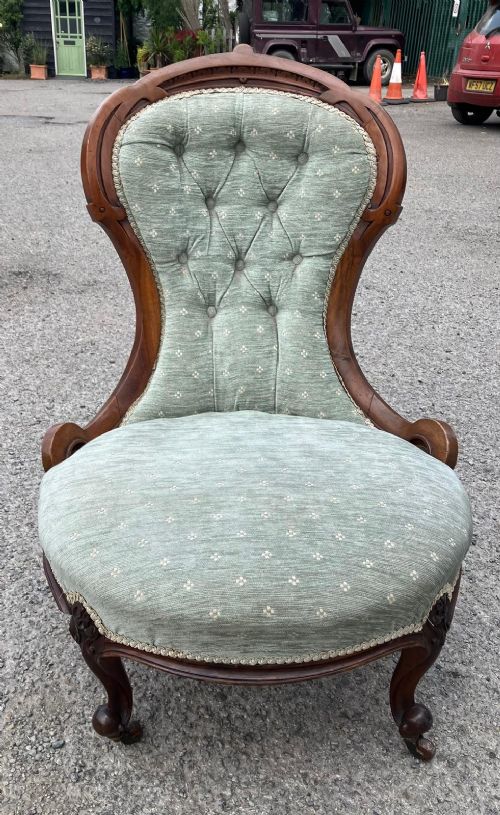
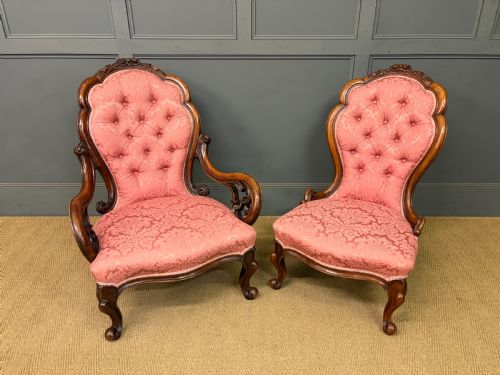
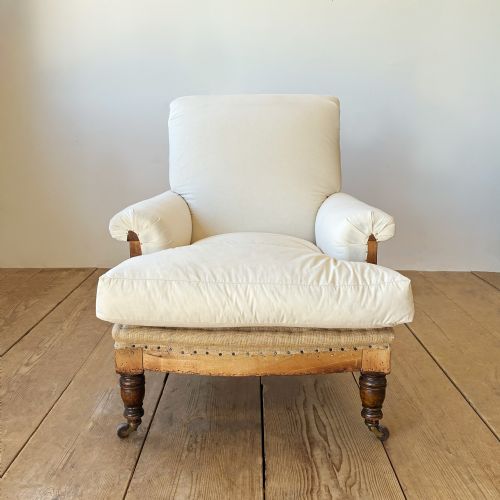
Quality rests in the sculptural grace of the wooden frame, such as carved walnut spoon backs or distinctive bobbin legs, and the integrity of the underlying structure. Superior examples maintain firm proportions, balanced low seating geometry, and refined stylistic adherence to specific periods like the Victorian era or English country house tradition.
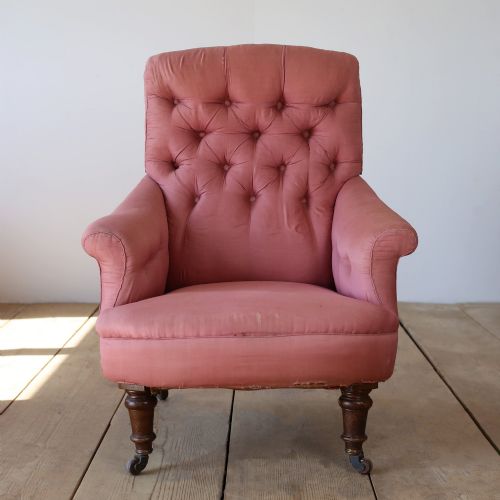
The standard of upholstery and the authenticity of materials also dictate worth, distinguishing freshly covered frames from pieces retaining period textiles and traditional stuffing techniques. Finer workmanship shows in harmonious pairings, precise buttoning, and robust joinery that withstands daily use.
Some chairs sit so low to the floor they feel like friendly footstools with ambitions.
Howard and Sons·Hampton and Sons·Wheeler Of Arncroach
The Low Seating Fireside Chair Glossary
- Nursing chair
- A low-seated Victorian chair originally designed for nursery use or for women to nurse infants comfortably near a fire.
- Slipper chair
- An upholstered chair with low legs designed for bedrooms, historically used while putting on shoes or slippers.
- Button back
- An upholstery style where buttons are pulled deep into the padding to create a padded, quilted diamond pattern across the backrest.
- Spoon back
- A padded chair back shaped like the bowl of a spoon, characteristic of mid-nineteenth-century seating.
- Bobbin leg
- A turned furniture leg shaped to resemble a string of wooden bobbins or spools, popular in nineteenth-century vernacular pieces.
Low Seating Fireside Chair: Frequently Asked Questions
Where were nursing chairs used?
Nursing chairs were traditionally placed in bedrooms, nurseries, and parlours during the nineteenth century. Their low stature allowed women to tend to infants or sit comfortably near a bedroom fireplace.
Over time, these versatile low seats migrated to living rooms and studies as casual fireside seating.
How do I date a Victorian fireside chair?
Dating relies on examining the timber frame, upholstery style, and turning details. Mid-century examples often feature walnut spoon backs or mahogany frames, while later Victorian and Edwardian pieces show different button-back patterns and leg turnings.
Construction marks and specific stylistic markers like ebonised legs or bobbin turnings also help narrow down the decade.
Are these chairs comfortable for daily use?
These chairs are generally deep-seated and built with supportive upholstered backs designed for relaxation. Many period examples offer generous padding and ergonomic low postures well-suited for modern sitting.
Comfort depends largely on the internal springing and padding condition, which varies between restored pieces and those awaiting reupholstery.