

Antique Upholstered Sofa Frame
An antique upholstered sofa frame offers a structural foundation ready for custom upholstery and a glimpse into historical woodworking skill.
Antique Upholstered Sofa Frame
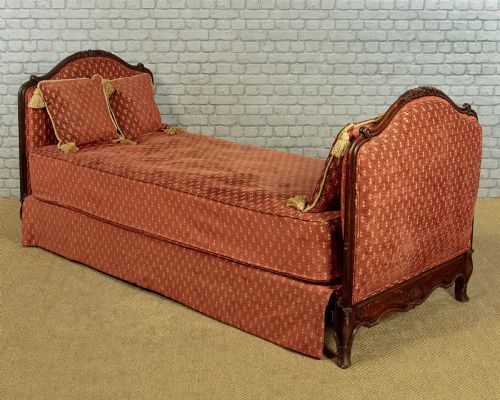
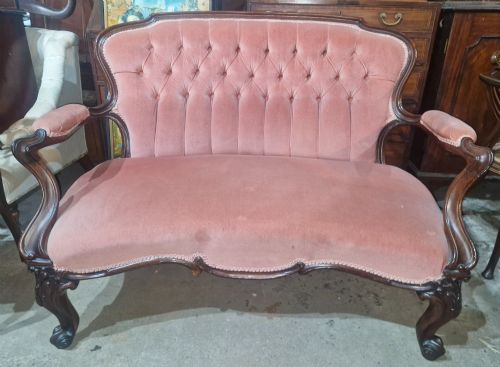
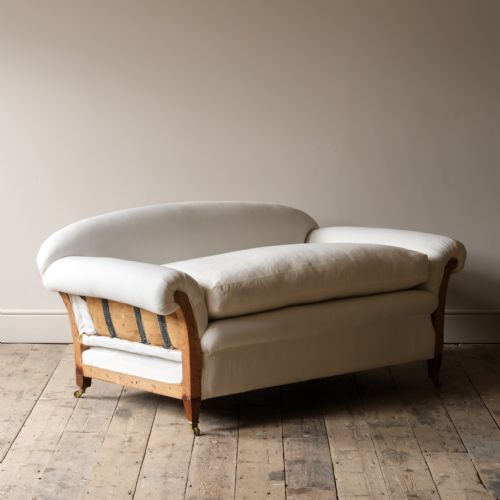
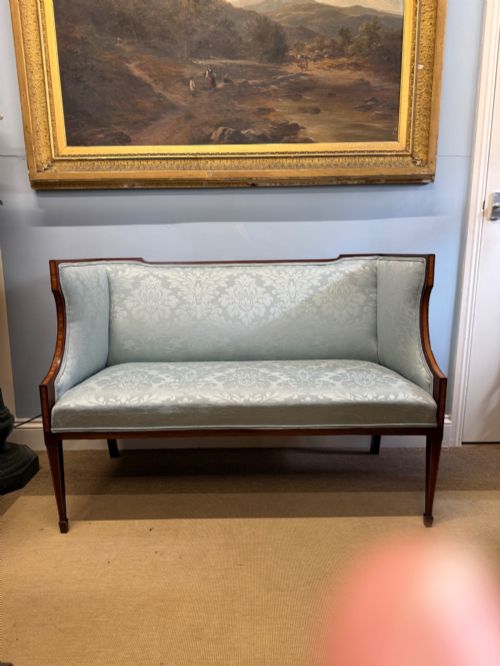
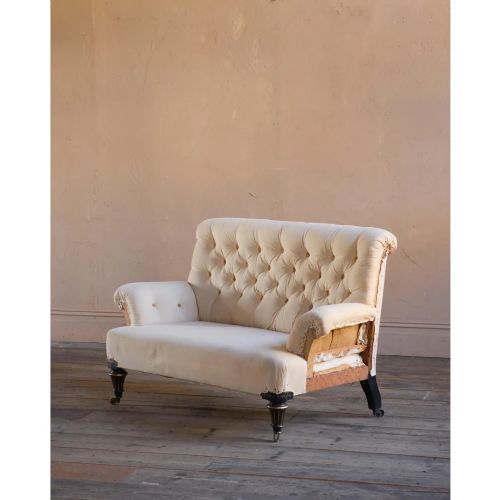
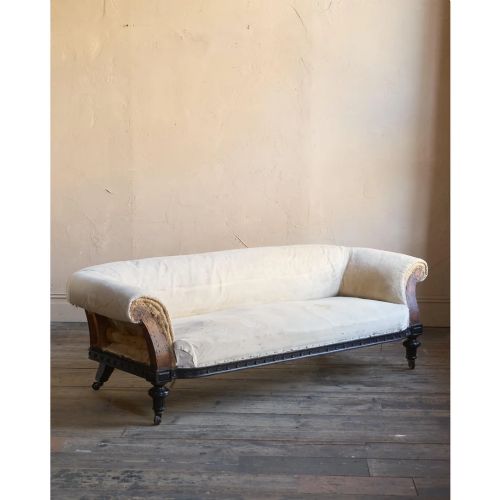
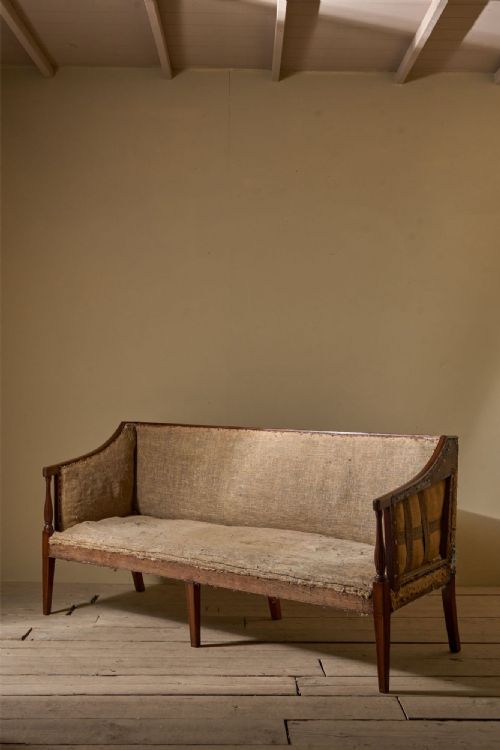
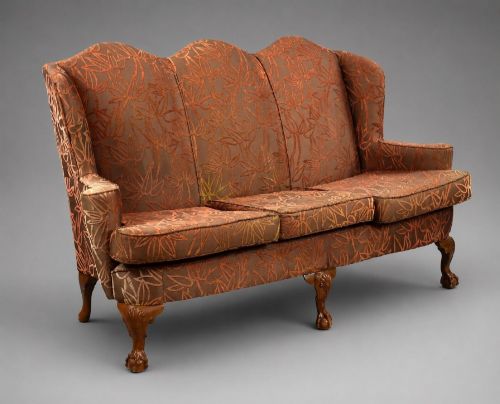
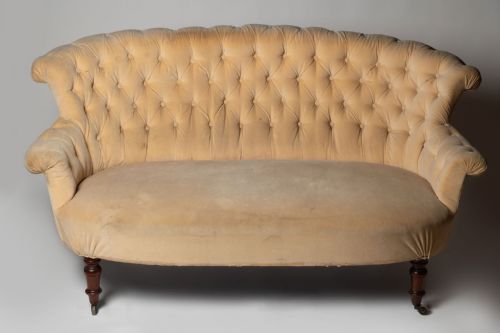
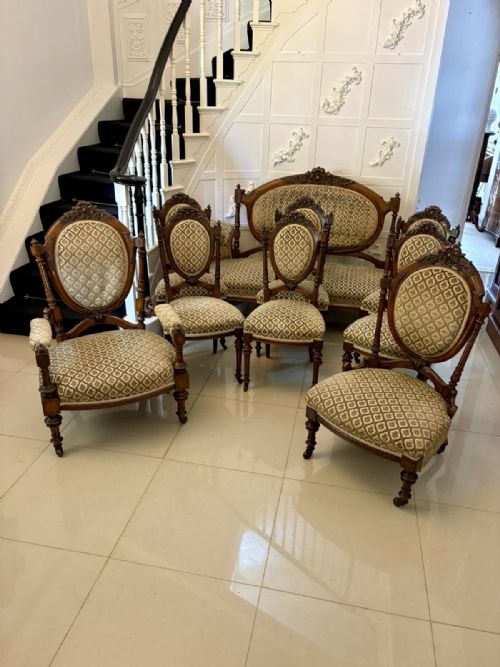
When you search for an antique upholstered sofa frame, you are looking at the bare bones of historical seating that often await new fabric. The pieces on this page span several centuries, including Victorian, Edwardian, and Regency periods, alongside earlier Georgian and 18th century examples.
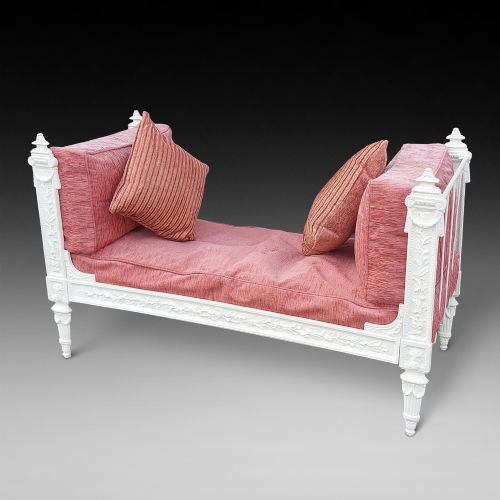
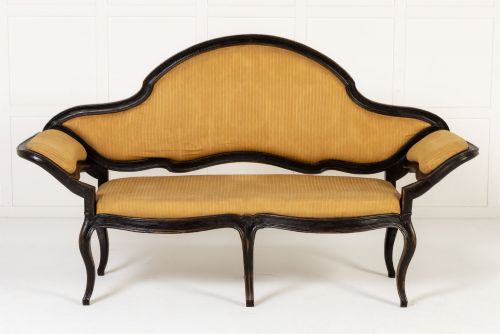
Makers and styles vary widely, featuring pieces designed in the manner of Chippendale or Hepplewhite, as well as distinct creations by firms like Howard and Sons. Whether you find a serpentine camel-back sofa or an open-arm daybed, each item displays the specific proportions of its era.
Materials and construction methods
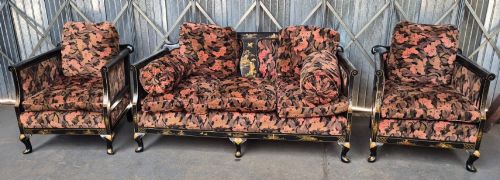
Makers utilised solid hardwoods such as mahogany, walnut, and rosewood to build robust frames that could withstand heavy daily use. Decorative elements often involved intricate hand carving, polished finishes, or painted surfaces, particularly on French and Chinoiserie styles.
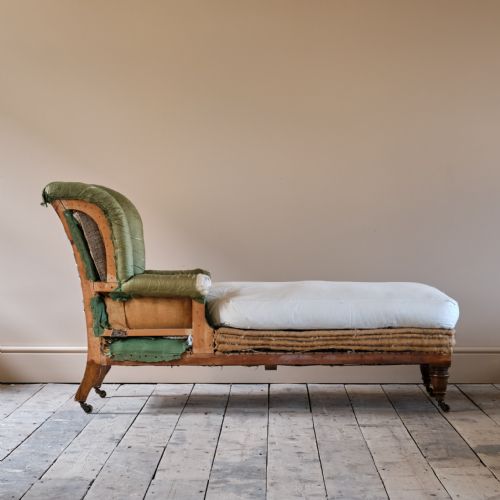
Internal support structures relied on traditional upholstery materials like hessian, calico, and brass tacking to hold stuffing and springs securely. The joinery combines time-honoured techniques like mortise and tenon joints, ensuring the bare timber skeleton remains rigid over centuries.
The furniture styles represented include Georgian, Regency, Victorian, Edwardian, Louis XV Style, and Arts and Crafts.
Factors that distinguish finer pieces
The degree of crispness in the hand-carved woodwork separates standard production from exhibition quality pieces. Fine frames display deeply carved details, well-defined scroll arms, and elegant proportions that reflect the height of cabinet-making skill.
Timber selection and grain figure also dictate the standing of a frame, with rich, figured mahogany or figured walnut commanding greater attention. The integrity of the underlying joinery and the retention of original components further distinguish superior examples from altered ones.
Jackson and Graham·Hampton and Sons·Holland and Sons·Howard and Sons
The Antique Upholstered Sofa Frame Glossary
- Camelback
- A sofa back with a graceful, undulating convex curve resembling a camel's hump. This profile was favoured during the Georgian period and later revivals.
- Chaise Longue
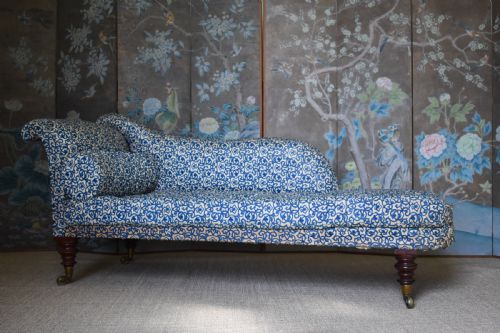
- An upholstered long chair intended for reclining, combining a chair with an extended seat. These pieces appear frequently in Victorian and later listings.
- Hessian
- A coarse woven fabric typically made from jute fibres, utilised inside traditional upholstery to provide a strong base for stuffing. It remains visible on frames stripped for restoration.
- Scroll End
- A sofa or settee arm that rolls outward in a tight spiral scroll. This feature is particularly characteristic of Regency seating design.
- Chinoiserie
- European decorative style inspired by Chinese artistic traditions, often featuring hand-painted motifs on lacquered wood. It appears on Edwardian and Victorian frames.
Antique Upholstered Sofa Frame: Frequently Asked Questions
How do I choose the right frame?
Consider the overall scale, timber type, and silhouette to match your interior space. Look for balanced proportions and sturdy construction that suits your planned placement.
Take note of whether the piece is a two-seater settee, a daybed, or a larger country house sofa, ensuring the physical dimensions align with your room layout.
What does for upholstery mean?
When a listing states a piece is for upholstery, it indicates that the outer fabric and internal padding require replacement. This gives you a blank canvas to apply modern or period-appropriate textiles.
Inspecting the exposed wood and webbing helps you determine the amount of restoration needed before the piece can be used daily.
How do I date an antique frame?
Dating relies on stylistic clues such as cabriole legs, scroll arms, or specific carved ornament tied to periods like Regency or Edwardian. Construction marks and timber choices also provide reliable chronological indicators.
Comparing the silhouette against documented furniture designs from makers like Chippendale helps narrow down the exact decade of manufacture.
Can I use these frames daily?
Solid hardwood frames built with traditional joinery are exceptionally durable and designed for regular seating once properly restored. Ensuring the internal webbing and joints are secure guarantees longevity.
Consulting a professional restorer before use ensures the structural integrity supports modern sitting habits without damaging historic timber.