
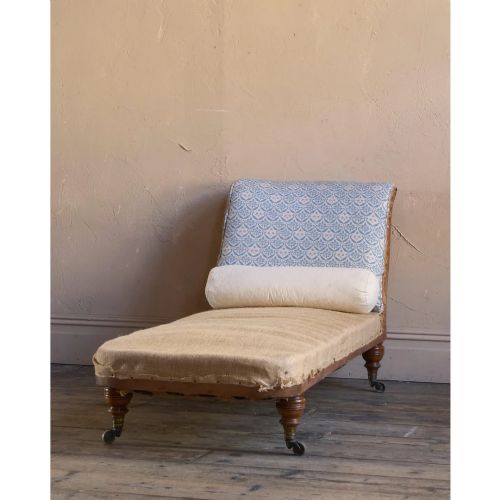
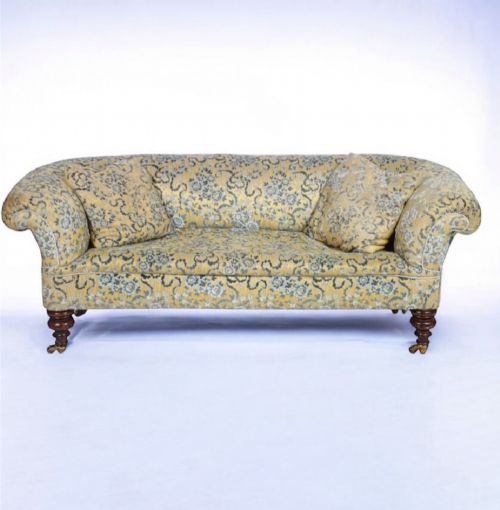
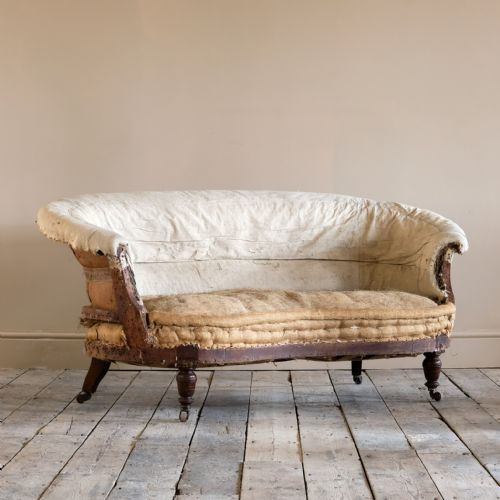


Victorian Brass Castor Sofa
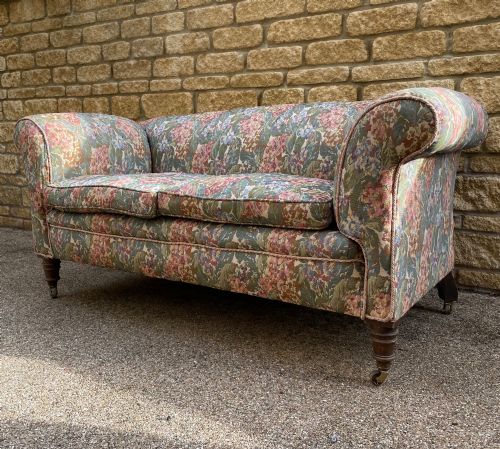
These nineteenth century seating pieces bring together heavy timber frames and heavy brass castors for easy movement across the floor.
Victorian Brass Castor Sofa
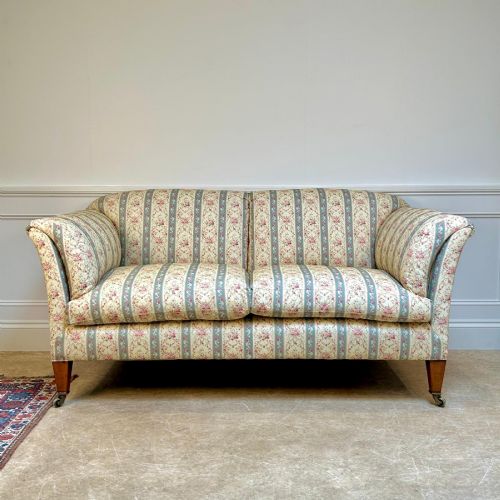
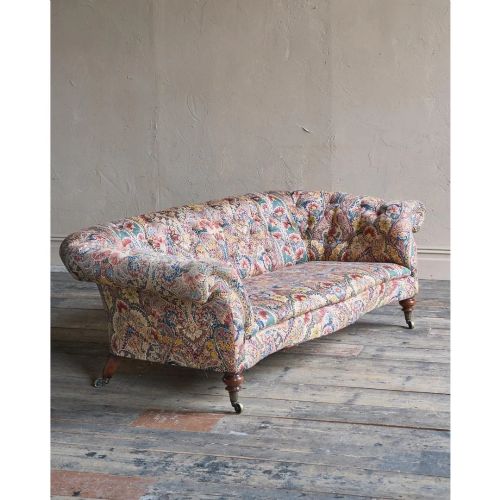
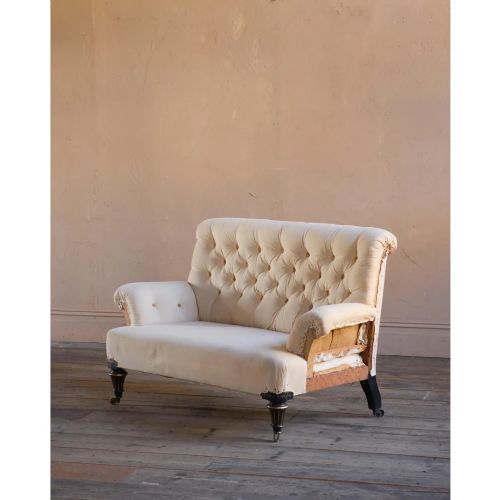
A victorian brass castor sofa covers large upholstered seating forms including Chesterfields, drop arm two seaters, and chaise longues designed during the nineteenth century. These pieces offer deep seating framed by robust woods and finished with metal wheel fittings on the legs.
The evidence shows examples spanning the Victorian era, Edwardian period, and earlier nineteenth century roots. Many bear attribution to workshops like Howard and Sons, Jackson and Graham, or Holland and Sons.
Most entries sit in the category of sofas, settees, and day beds alongside occasional side tables. The overarching style draws on English country house aesthetics and Regency influences.
Construction and materials
Makers built these frames using hardwoods such as mahogany and walnut to withstand the heavy internal stuffing and daily use. Upholstery fabrics, velvet, calico, and plain fabric covered the sprung or padded interiors.
Metalworking formed the supportive feet, attaching brass cappings and castors directly to the wooden legs. This combination allowed heavy furniture to shift position without damaging floorboards.
Materials recorded across these listings include mahogany, walnut, brass, velvet, calico, and standard upholstery fabric.
Judging build quality
Superior execution shows in the weight and density of the hardwood frame beneath the upholstery. Robust internal joinery ensures the sofa maintains its structural integrity over generations of sitting.
The quality of the brass hardware separates standard production from finer workshop output. Well cast cappings and smooth running castors indicate attention to detail in the finishing stages.
Howard and Sons·Jackson and Graham·Hampton and Sons·Holland and Sons
The Victorian Brass Castor Sofa Glossary
- Castor
- A small wheel mounted on a swivel attached to the foot of a piece of furniture for rolling. This mechanism allowed heavy nineteenth century seating to move across heavy carpets.
- Chesterfield
- A large upholstered sofa characterised by deep buttoning and rolled arms of equal height to the back. These heavy pieces formed the core of Victorian drawing room seating.
- Chaise longue
- An upholstered long chair intended for reclining, combining a chair back with a lengthened seat. They appear frequently alongside traditional sofas in country house interiors.
- Calico
- A plain woven cotton fabric used as an underlying tight cover for stuffing before top upholstery is applied. Many period pieces retain this foundational layer beneath later velvet or fabric.
- Drop arm
- A mechanical sofa arm that can be lowered on one or both sides using hinges. This design allowed users to lie flat or adjust their seating position.
Victorian Brass Castor Sofa: Frequently Asked Questions
What is a victorian brass castor sofa?
A victorian brass castor sofa is a nineteenth century upholstered seating piece mounted on small metal wheels. These frames range from deep buttoned Chesterfields to chaise longues.
They combine heavy timber construction with functional hardware designed to ease movement across Victorian drawing rooms.
How were these sofas used originally?
These pieces served as formal seating in nineteenth century drawing rooms and country house libraries. Deep upholstery accommodated heavy garments and prolonged sitting.
Drop arm variants and chaise longues offered versatile reclining options for reading or resting during the day.
How do I live with a period sofa?
Placing these heavy items requires stable flooring that can support substantial timber and metal weight. The brass castors roll well on firm carpets but need care on polished wood.
Routine maintenance involves checking the upholstery tension and ensuring the castor fixings remain secure in the wood.
How do I tell different periods apart?
Mid nineteenth century pieces often feature mahogany frames and straightforward turned legs with brass cappings. Later Edwardian examples incorporate walnut and lighter proportions.
Workshop stamps on the timber or upholstery webbing provide the clearest indication of precise dating.