


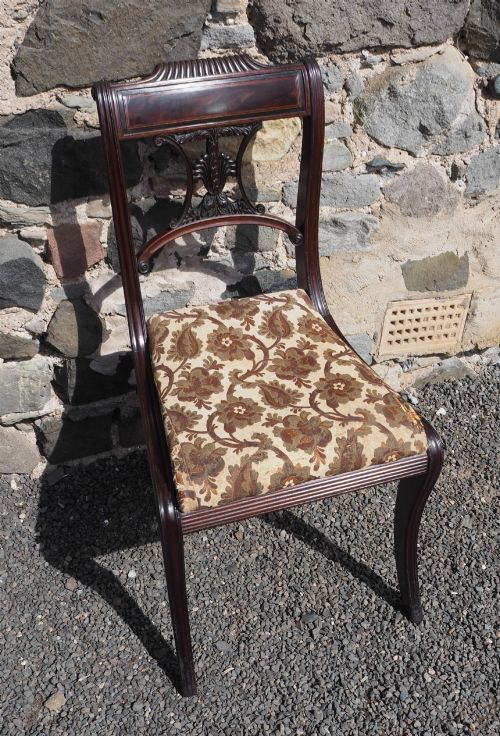
Antique Upholstered Bedroom Chair
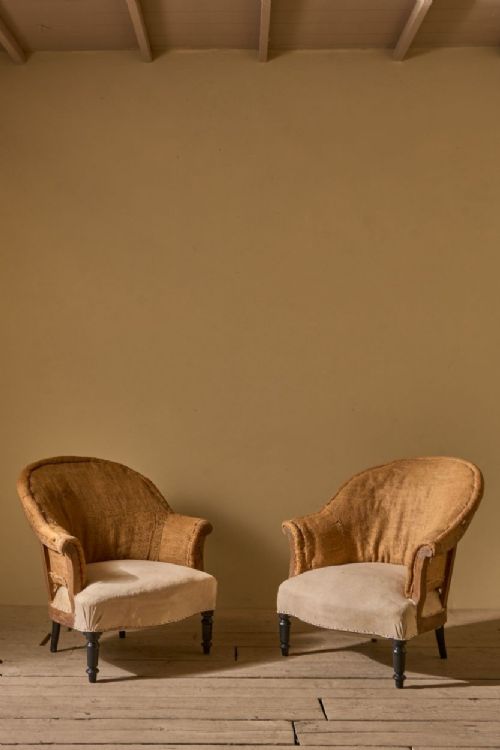
An antique upholstered bedroom chair brings domestic comfort to a dressing room or parlour through compact seating shaped by Victorian, Edwardian, and nineteenth-century hands.
Antique Upholstered Bedroom Chair
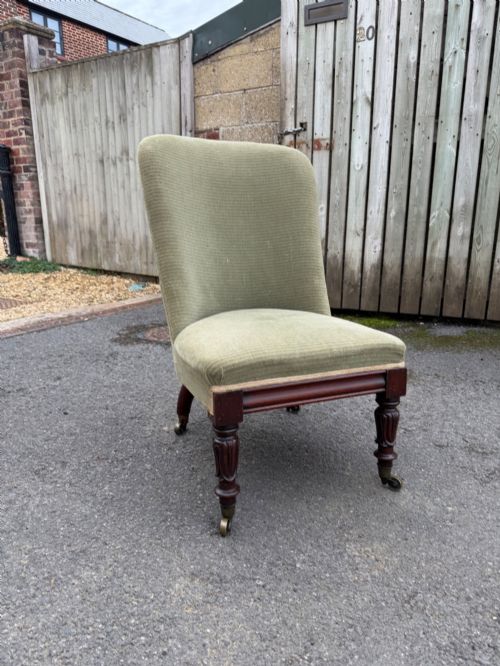
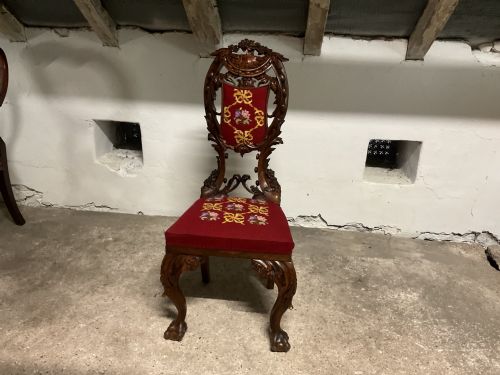
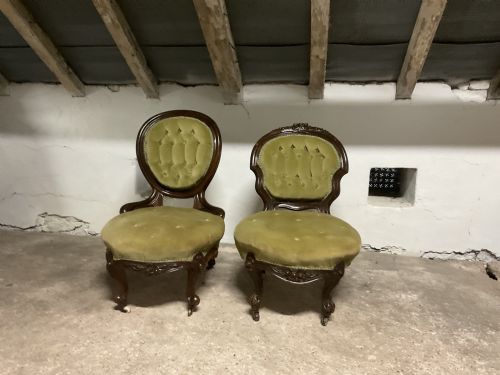
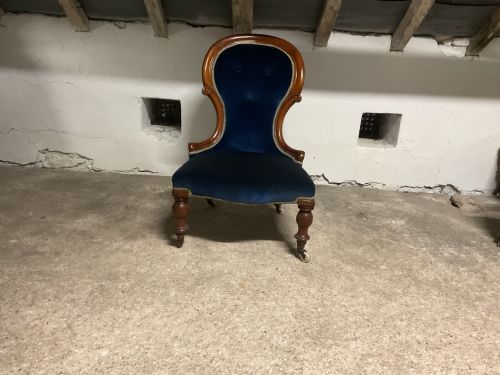
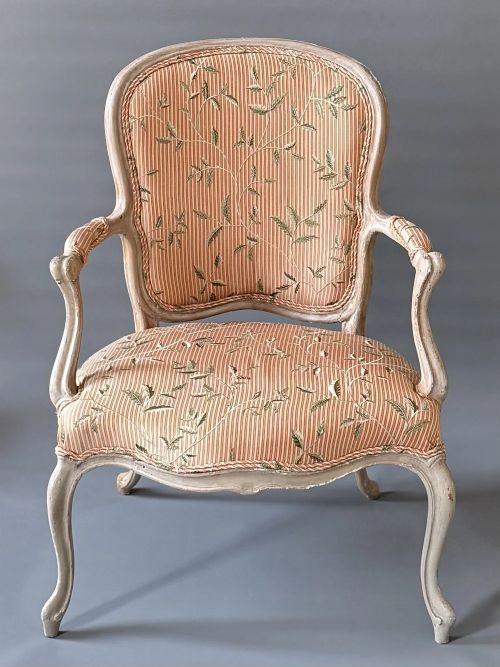
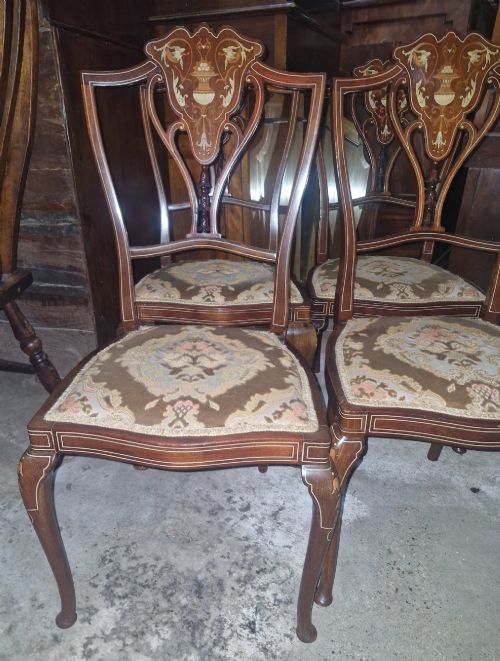
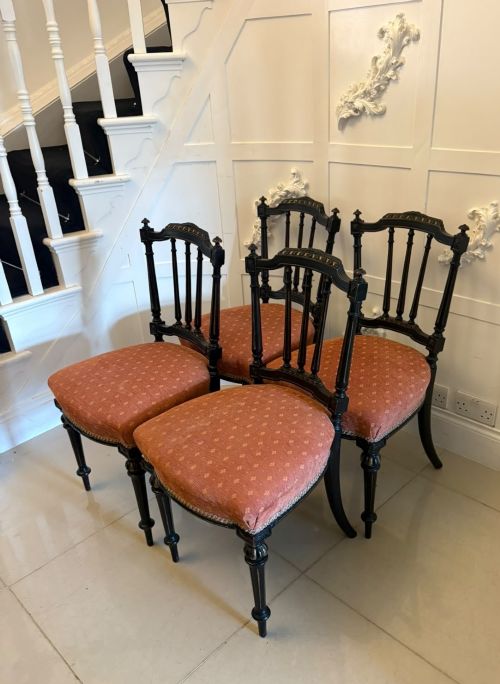
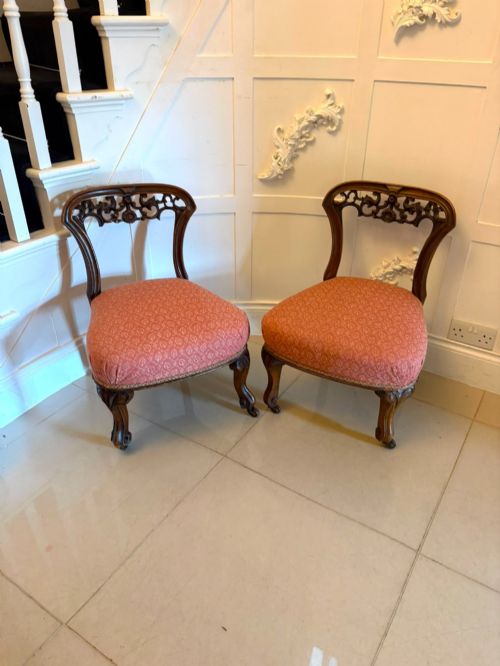
When you search for an antique upholstered bedroom chair, you encounter a varied assortment of small seating forms built for private chambers rather than formal entertaining rooms. The selection includes low nursing chairs designed for comfort, compact slipper chairs, and intimate tub chairs originating from the Victorian and Edwardian eras.
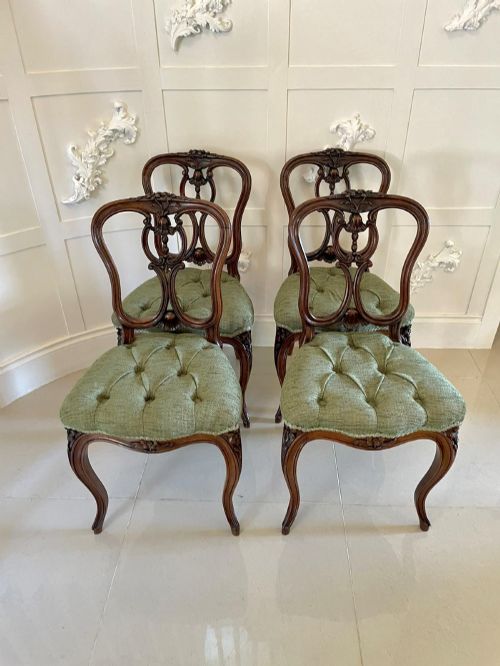
The evidence shows these pieces span the eighteenth to the early twentieth centuries, with a strong concentration of Victorian and Edwardian examples in walnut and mahogany. Makers tailored these seats to fit smaller spaces, utilising turned legs, scroll-carved backs, and low profiles suited to dressing and resting.
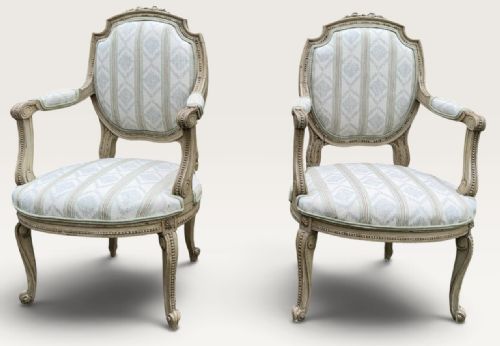
Beyond standard bedroom chairs, the listings include occasional chairs, corner chairs, and French-influenced salon pieces that share the same domestic scale. These chairs often arrive upholstered in velvet, tapestry, calico, or modern reproduction fabrics that reflect both original utility and subsequent care.
Materials and Construction
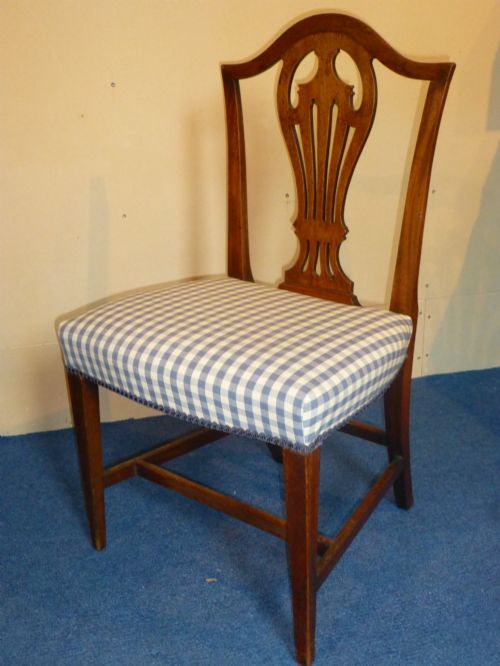
Cabinetmakers built the frames of these chairs using solid timbers such as mahogany, walnut, oak, fruitwood, and beech, frequently shaping them with carved details or delicate inlays. Woods like mahogany and walnut provided the structural strength needed for slender cabriole legs and scroll-carved backs.
Upholstery methods relied on traditional stuffing layered over webbing and springs, secured with calico and decorative top fabrics including velvet and tapestry. Brass accents, ebonised finishes, and gilt highlights appeared on specific stylistic revivals, while other frames retained original paint.
One Edwardian listing describes a very cute barrel back alongside an interesting spinning chair.
Markers of Quality
Quality in these chairs rests upon the crispness of the timber carving and the integrity of the underlying frame construction. Finer examples display deeply carved scrollwork, well-proportioned cabriole legs, and dense hardwoods that remain rigid under weight.
The sophistication of the joinery and the selection of figured veneers or choice timbers separate standard production from superior pieces. Workshops known for high-standard cabinet work imparted greater refinement to the turnings and overall silhouette.
Holland and Sons·Howard and Sons
The Antique Upholstered Bedroom Chair Glossary
- Nursing chair
- A low-seated chair historically designed to allow a person to tend to an infant or dress comfortably near a hearth. These chairs typically feature a low centre of gravity and an upholstered seat.
- Slipper chair
- A low, armless upholstered chair originally used in a bedroom or dressing room for putting on footwear. The compact design keeps the sitter close to the floor.
- Cabriole leg
- A furniture leg that curves outward at the knee and tapers inward toward the ankle, ending in a pad or foot. This form derives from ancient Chinese furniture and gained popularity in European design.
- Button back
- An upholstery technique where buttons are pulled deep into the padding in a diamond pattern to secure the filling and create distinct tufts. This method adds both firmness and texture to the backrest.
Antique Upholstered Bedroom Chair: Frequently Asked Questions
What distinguishes a bedroom chair from a salon chair?
Bedroom chairs typically feature lower profiles and compact proportions designed for private dressing spaces, whereas salon chairs offer taller, more formal silhouettes meant for entertaining guests.
While both types utilise similar timber frames and upholstery, bedroom variants prioritise intimate domestic comfort and ease of movement within smaller rooms.
How do I identify a Victorian bedroom chair?
Victorian examples frequently display rich walnut or mahogany frames with scroll-carved backs, button tufting, and turned or cabriole legs. These pieces often exhibit the heavier proportions typical of mid to late nineteenth-century cabinetmaking.
The presence of dark wood, deep upholstery padding, and specific revival styles such as Rococo or Neoclassical further points toward a Victorian origin.
Were these chairs originally upholstered in velvet?
Many nineteenth-century bedroom chairs utilised rich fabrics like velvet, tapestry, or needlework to provide warmth and texture in private chambers. Calico was commonly employed as an inner lining beneath the decorative outer textile.
Because fabric easily wears over time, a large portion of surviving examples feature replacement upholstery that mirrors historical styles.
Where should I place an antique bedroom chair today?
These compact chairs suit dressing rooms, reading corners, hallways, and bedrooms where full-sized armchairs would overwhelm the floor plan. Their modest scale allows them to function as accent pieces in living areas without disrupting traffic flow.
Pairing a low nursing or slipper chair with a small side table creates a functional seating nook in an otherwise unused corner.