
Antique Two Tier Stand
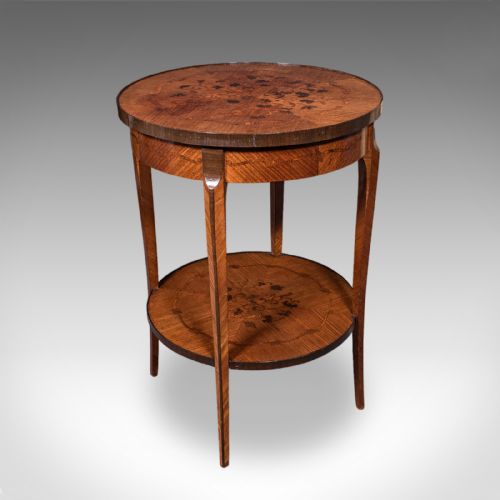
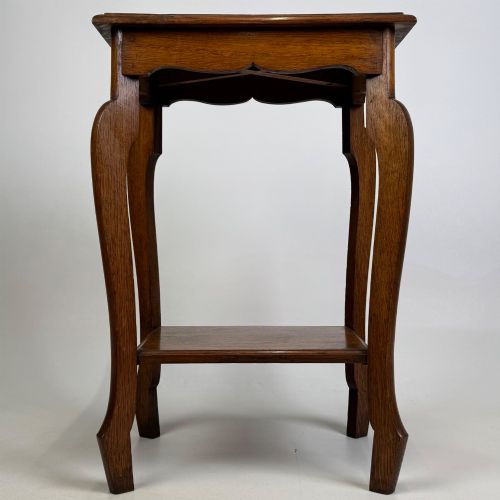
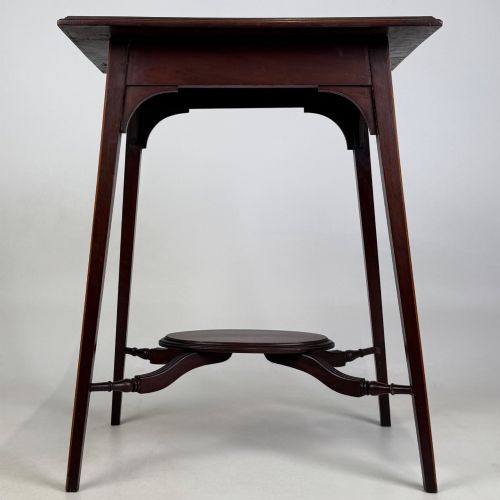
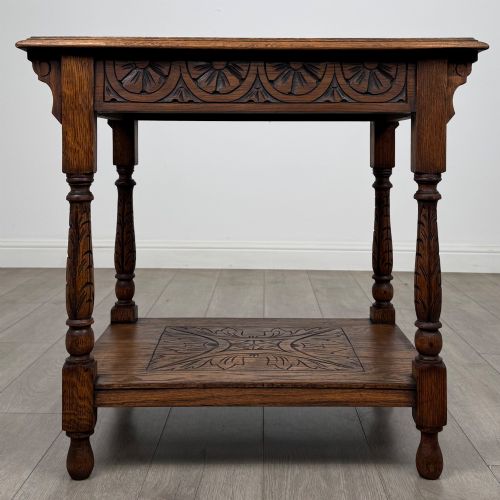
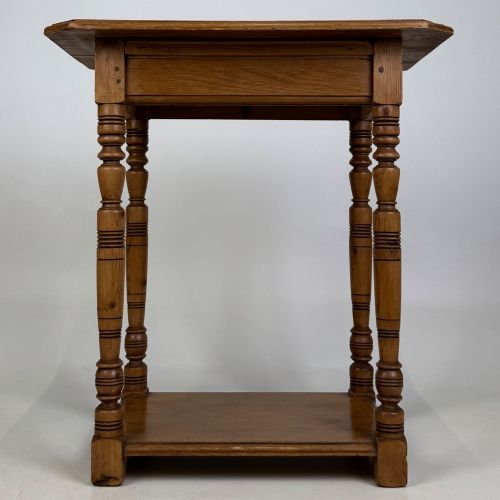
An antique two tier stand brings double the surface area to a corner or beside a chair, offering centuries of timber and craftsmanship.
Antique Two Tier Stand
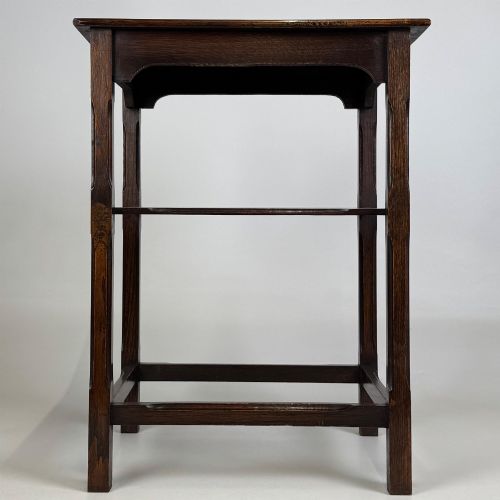
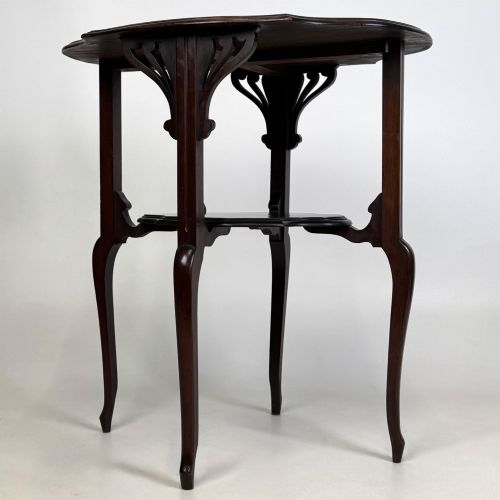
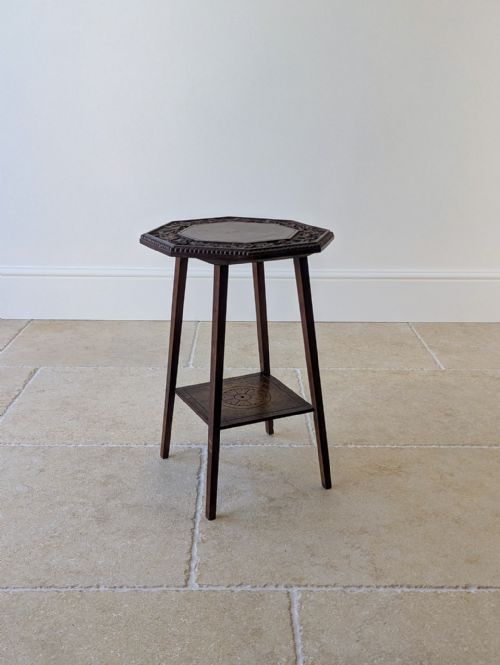
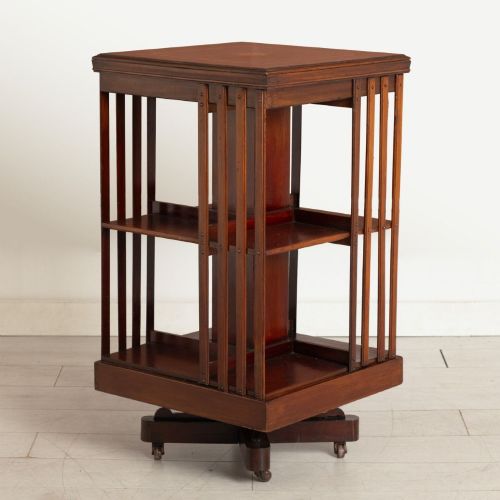
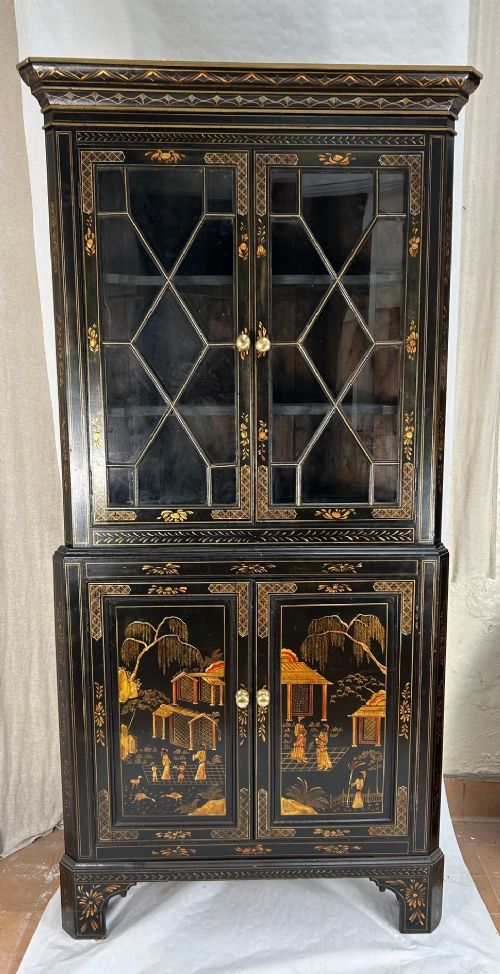
An antique two tier stand provides vertical display and resting space through stacked shelves or platforms, often appearing as etageres, whatnots, lamp tables, or plant stands.
Most examples found in these listings date from the Victorian and Edwardian eras, constructed in forms suited to domestic display, tea service, or holding plants.
The phrase encompasses utilitarian pieces like dumb waiters and cake stands alongside decorative rosewood and mahogany occasional furniture from the nineteenth and early twentieth centuries.
How They Were Made
Cabinetmakers utilised dense hardwoods such as mahogany, walnut, oak, and rosewood, frequently incorporating brass fittings, glass, or inlaid veneers to finish the tiers.
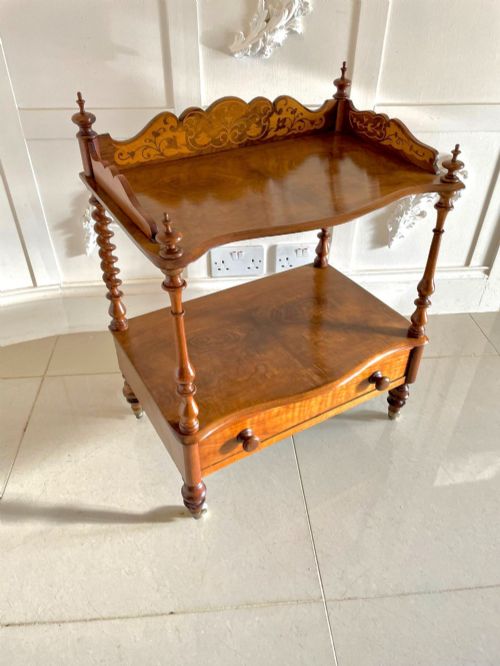
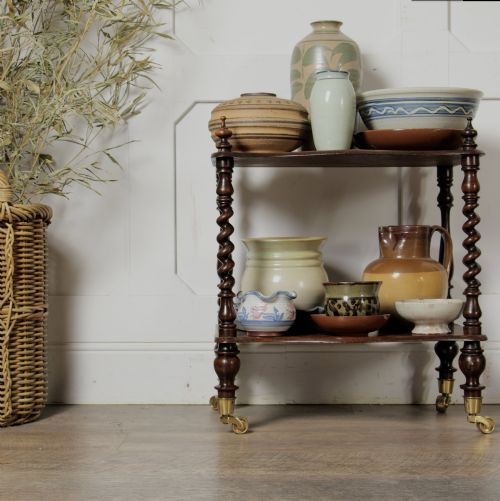
Construction methods relied on traditional joinery to support dual surfaces, sometimes featuring barley twist columns, turned supports, or pierced metalwork galleries.
Antique Two Tier Stand Retail Price Guide 2026
Typical asking prices for two tier stand among the pieces listed under this phrase on Sellingantiques today, from the lower quarter to the upper quarter. They describe what is for sale here now, not the wider market.
Victorian households deployed these versatile tiers for everything from newspapers and music sheets to tea cakes and smoking paraphernalia.
What Varies in Quality
Quality rests in the selection of timber figures, the crispness of carved details or inlays, and the structural integrity of the tier supports.
Fine craftsmanship shows in balanced proportions, unwarped shelves, and the careful integration of secondary materials like brass handles or silver plating.
Liberty of London·William Birch·Atkin Brothers
The Antique Two Tier Stand Glossary
- Whatnot
- An open piece of tiered shelving used for books or ornaments in Victorian parlours. These stands often incorporate small drawers or compartments in the lower section.
- Torchère
- A tall ornamental stand intended for holding a lamp or candle. In two tier variants, an additional lower shelf provides extra stability or display space.
- Dumb waiter
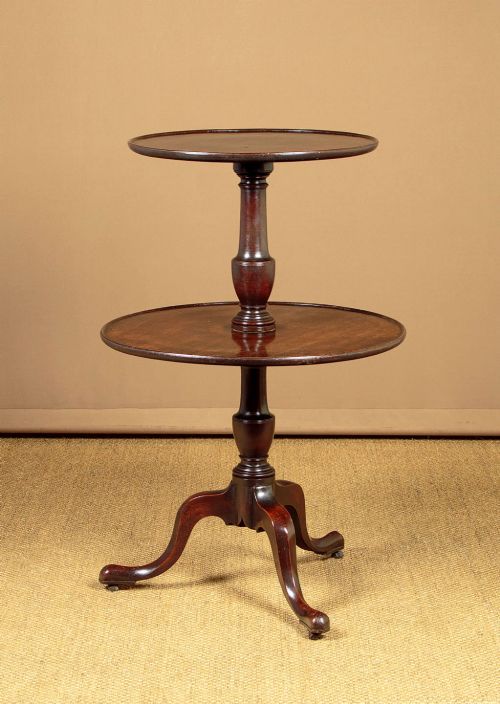
- A tiered serving table used in dining rooms for holding dishes or utensils. Georgian and Regency examples often utilise graduated circular trays on a central pillar.
Antique Two Tier Stand: Frequently Asked Questions
What is an antique two tier stand used for?
These stands served diverse domestic functions, from holding afternoon tea and cakes to displaying decorative plants, lamps, and reading materials.
Their dual surfaces allowed households to maximise small spaces in reception rooms, bedrooms, and parlours without crowding the floor plan.
How do I date an Edwardian stand?
Edwardian pieces, dating from roughly 1901 to 1910, frequently exhibit lighter woods like satinwood and rosewood with delicate stringing or floral inlay.
They often reflect Sheraton revival influences, contrasting sharply with the heavier, darker carved oak and burr walnut common in earlier Victorian production.
Are silver plated stands difficult to maintain?
Silver plated stands require periodic gentle polishing to prevent tarnish and maintain the reflective shine of the metal components.
Using non-abrasive cleaning cloths preserves the underlying plating on gallery rails, handles, and decorative mounts.
Where should I place a tiered etagere?
An etagere fits well in corners or beside seating where vertical space can be utilised for books, small sculptures, or lamps.
Keeping them away from direct heat sources and strong sunlight protects the polished wood finishes and delicate veneer work.