

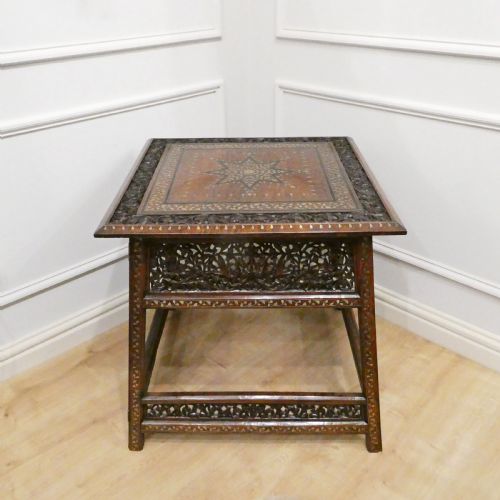
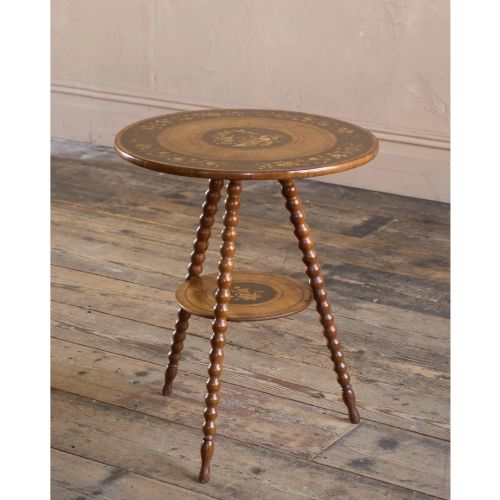
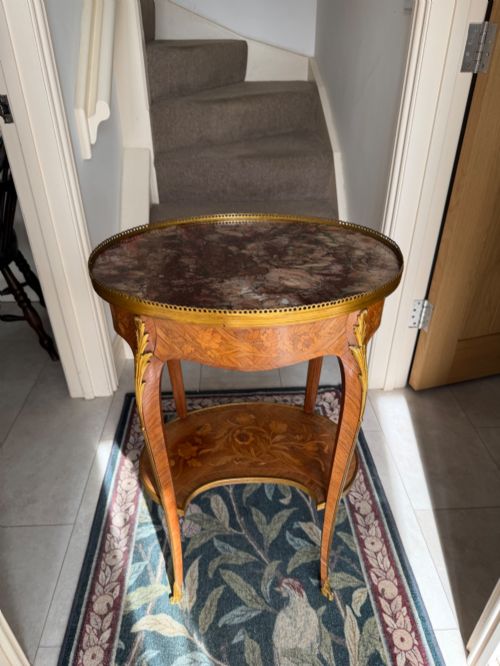
Floral Inlay Side Table
A floral inlay side table brings centuries of botanical marquetry and cabinet-making skill directly into a room, offering both a practical surface and a decorative floral display.
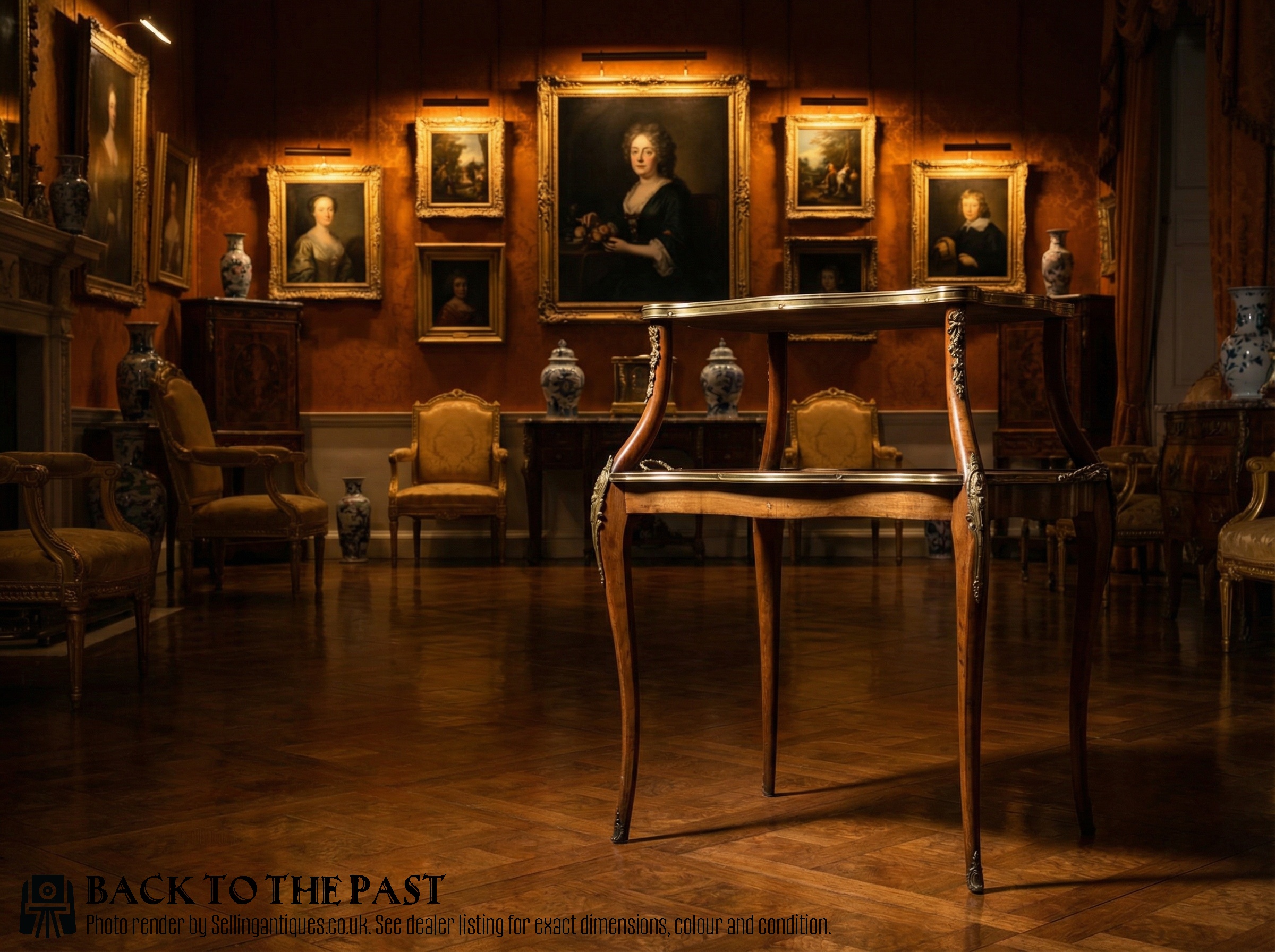
Floral Inlay Side Table
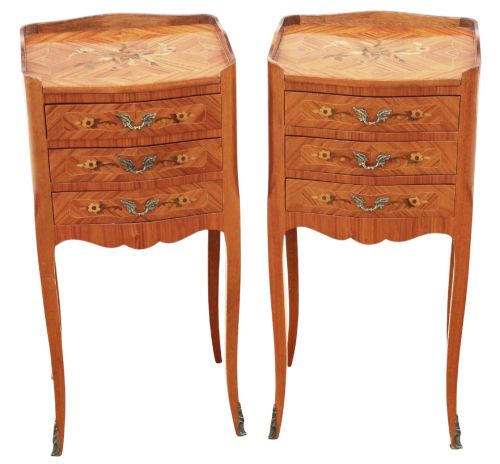
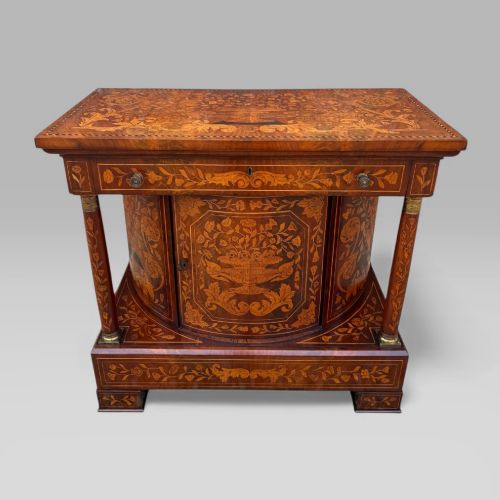
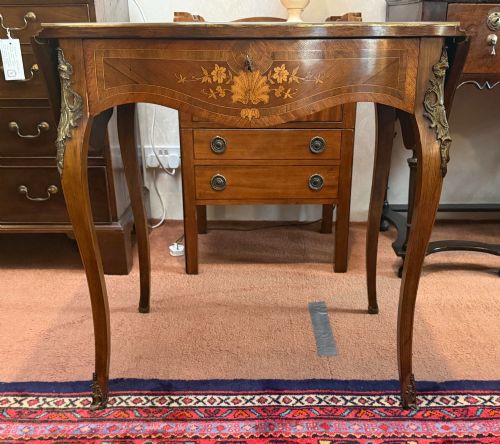
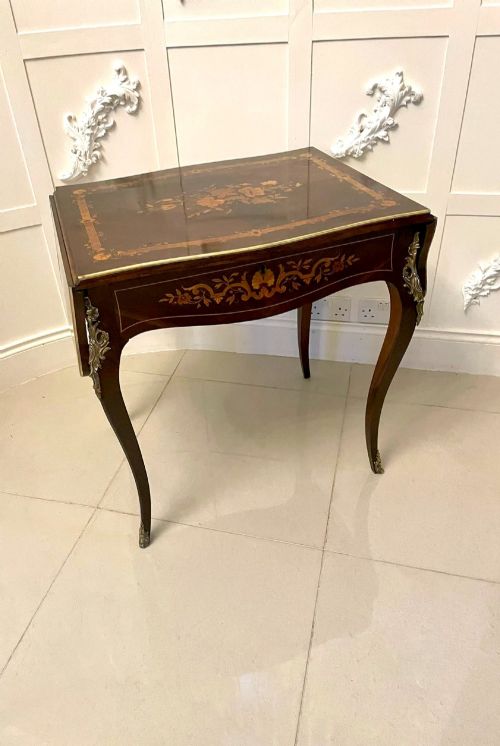
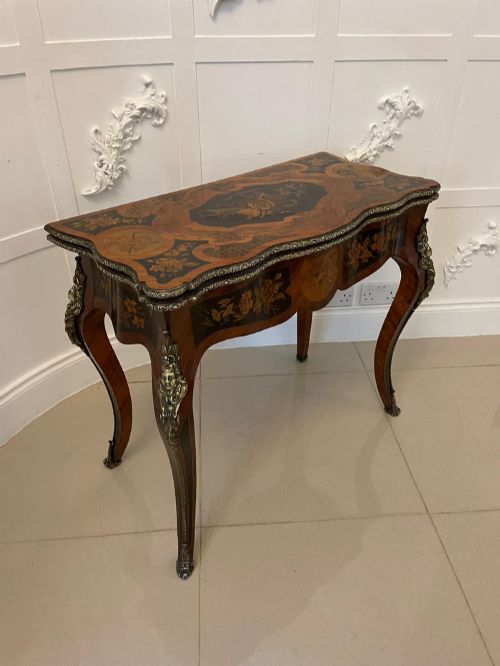
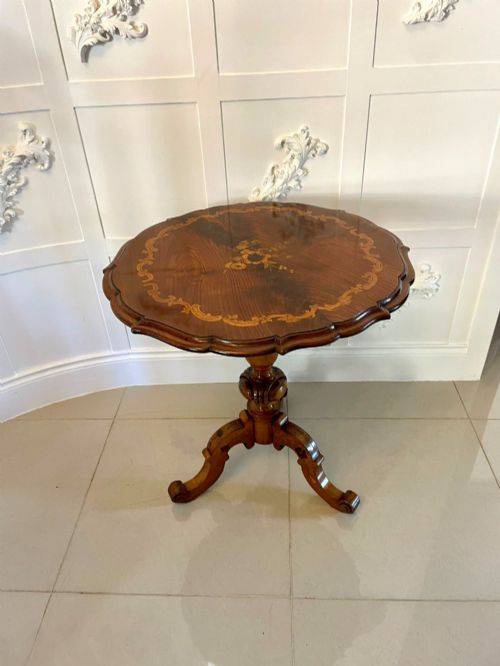
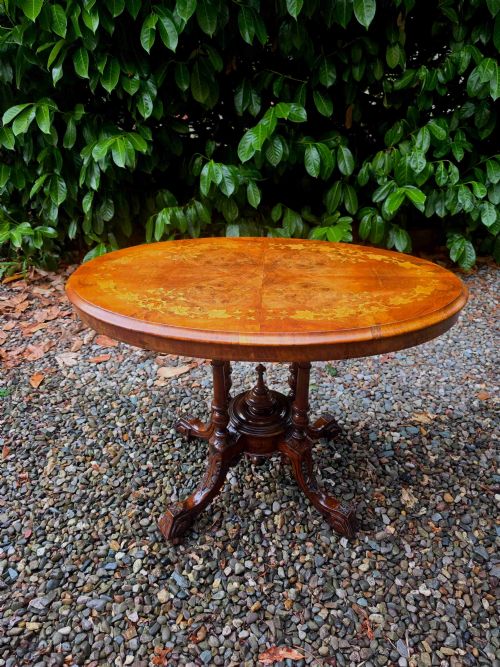
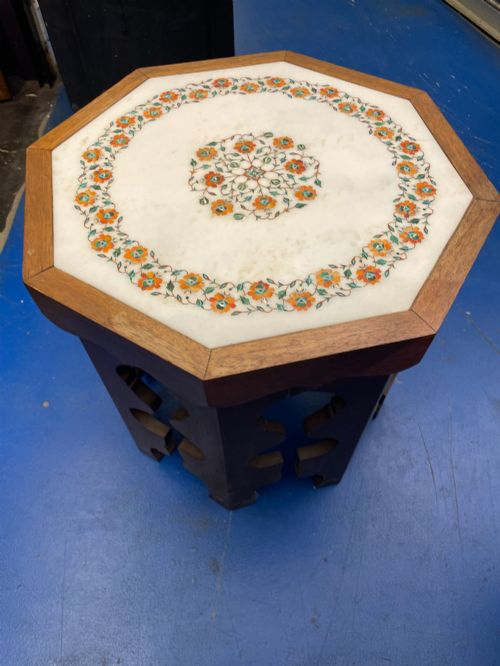
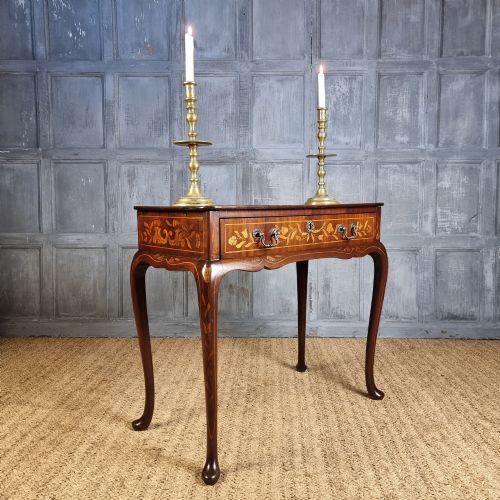
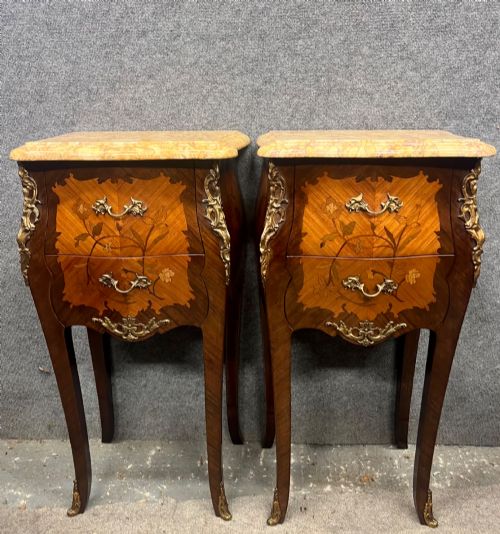
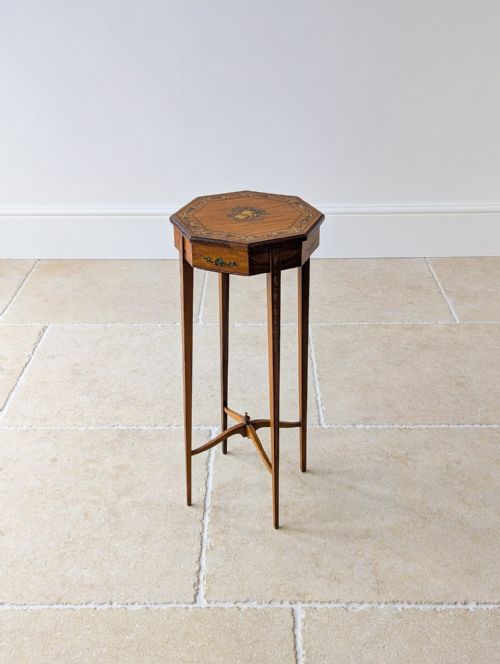
A floral inlay side table is a compact surface decorated with botanical wood marquetry, floral motifs, and leaf patterns. Buyers examining this page find forms ranging from 18th-century Dutch console tables to 19th-century French-style centre tables and later walnut bedside cabinets.
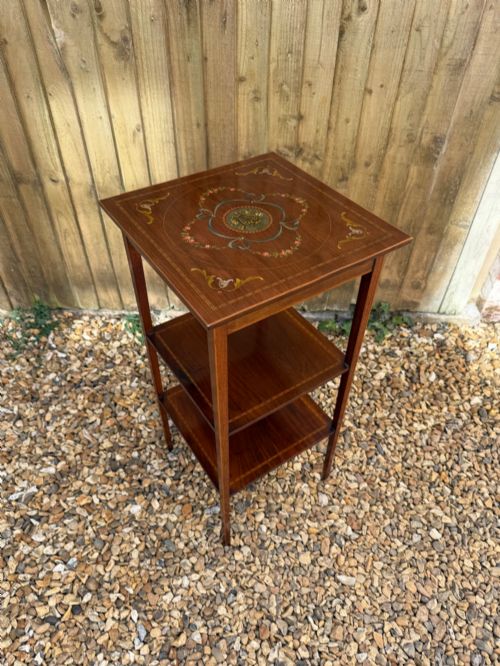
The selection spans centuries of design, covering Georgian and Victorian periods alongside Edwardian pieces and 1930s bedside tables. Alongside conventional side tables, the inventory includes occasional tables, lamp tables, card tables, and occasional etageres sharing the same botanical ornamentation.
Materials and technique
Cabinet makers utilised fine timbers such as walnut, mahogany, rosewood, kingwood, and satinwood as foundations for detailed floral marquetry. These woods provide contrasting natural tones that delineate petals, stems, and leaves without relying entirely on artificial staining.
Many examples incorporate cast or chased ormolu mounts, brass banding, and occasionally carved bone or brass wire inlay to frame the floral panels. Construction methods combine traditional joinery with precise veneer cutting, allowing intricate floral scenes to cover tabletops and cabinet doors.
Current listings feature tables spanning from the 17th century to the 1930s, constructed in walnut, rosewood, kingwood, and satinwood.
Assessing quality
Quality rests in the precision of the marquetry cutter's hand and the choice of contrasting veneers used to create depth in the flowers and leaves. Pieces with crisp botanical detail and tightly fitted wood segments stand apart from simpler or more repetitive designs.
The integration of mounts, such as fire-gilded ormolu, and the selection of cabinet timbers like burr walnut or kingwood separate standard production from exceptional examples. Structural integrity and the survival of the original polished surface dictate the standing of an individual table.
Edwards & Roberts·Liberty & Co
The Floral Inlay Side Table Glossary
- Marquetry
- Decorative veneer work arranged in pictorial patterns such as flowers, birds, and foliage across a furniture surface.
- Ormolu
- Gilded bronze mounts applied to furniture edges, corners, and legs for architectural and decorative emphasis.
- Kingwood
- A dense, richly grained tropical timber utilised extensively in French-style cabinet making for its deep colour and contrast.
- Etagere
- A set of open tiered shelves designed for display, often incorporating inlaid surfaces and slender supports.
- Demi-Lune
- A half-moon shape characteristic of certain serving tables and console pieces designed to sit flat against a wall.
Floral Inlay Side Table: Frequently Asked Questions
What is a floral inlay side table?
A floral inlay side table is a small accent table decorated with botanical marquetry depicting flowers, leaves, and scrolling foliage. These tables serve as functional surfaces for lamps and decorative objects while displaying fine cabinet-making traditions.
Such pieces appear in various forms, including lamp tables, bedside cabinets, and occasional tables, spanning several centuries of European and Anglo-Indian design.
How do I date a floral inlay table?
Dating relies on observing the underlying timber, the style of the legs, and the nature of the floral marquetry. Eighteenth-century Dutch pieces often feature elaborate floral and bird motifs on walnut or mahogany, while Victorian and Edwardian examples lean towards French revival styles using kingwood and satinwood.
Secondary woods, construction joints, and framing hardware also provide clues to the period of manufacture, aligning with known design eras from the Georgian period through to the 1930s.
Where were these tables used?
Historically, these tables occupied principal reception rooms, parlours, and bedchambers as decorative and functional furniture. Centre tables stood in the middle of rooms to display ornaments, whereas side tables and occasional tables sat against walls or beside seating.
Bedside cabinets and lamp tables fulfilled more intimate domestic roles, providing enclosed storage or convenient surfaces for lighting within private quarters.
How do I care for inlaid wood furniture?
Inlaid wood furniture requires protection from direct sunlight and extreme humidity fluctuations to prevent the delicate veneer from lifting or drying out. Gentle dusting with a soft, dry cloth maintains the surface without wearing down the polished finish.
Application of appropriate waxes should be done sparingly, avoiding heavy silicone polishes that can penetrate old timber pores and damage the marquetry over time.