
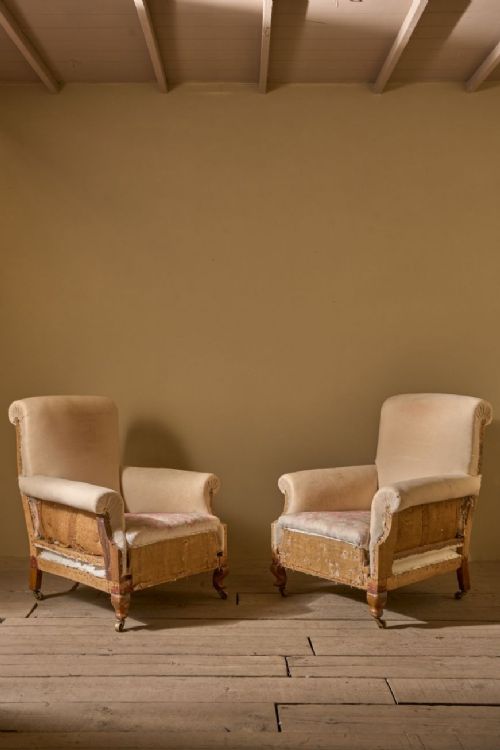
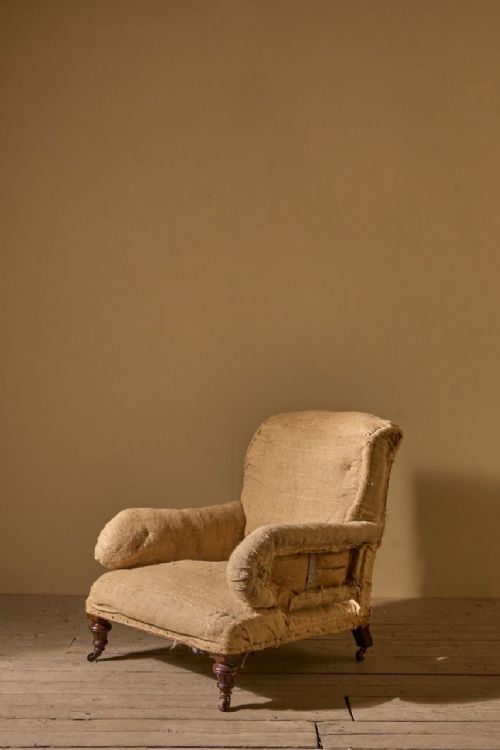
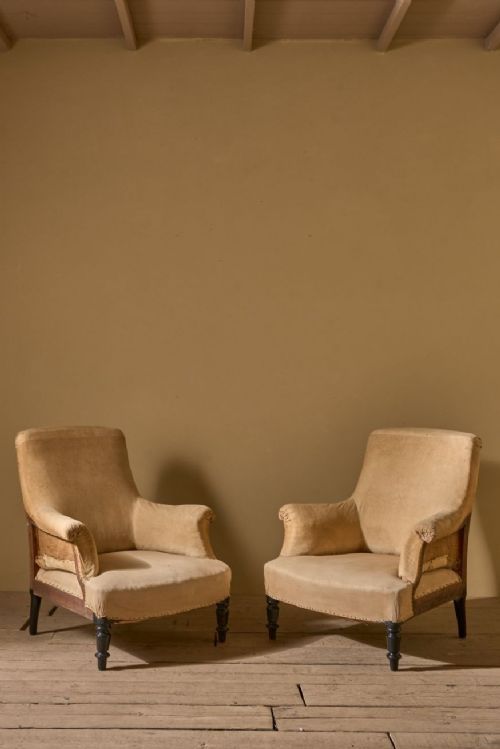
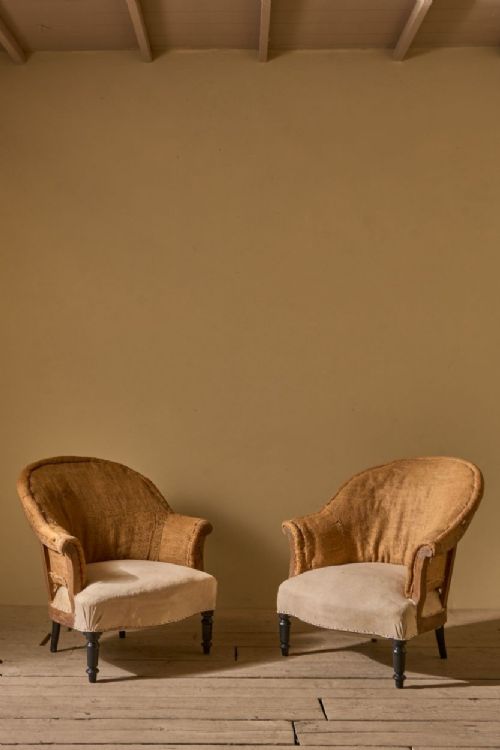

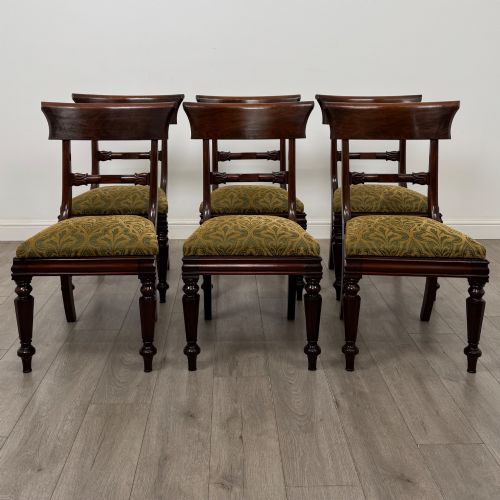
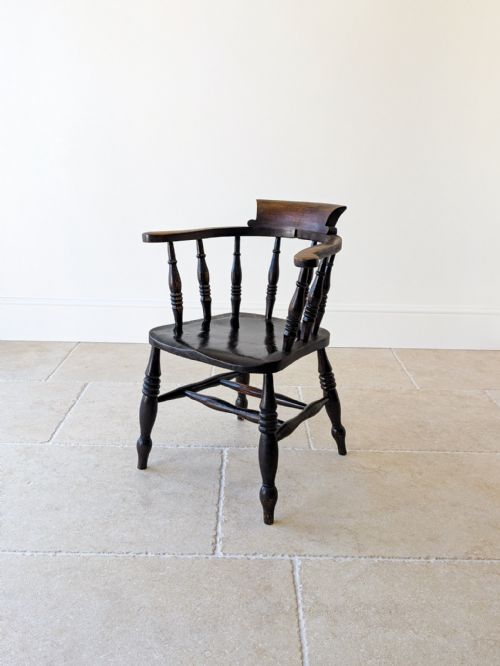
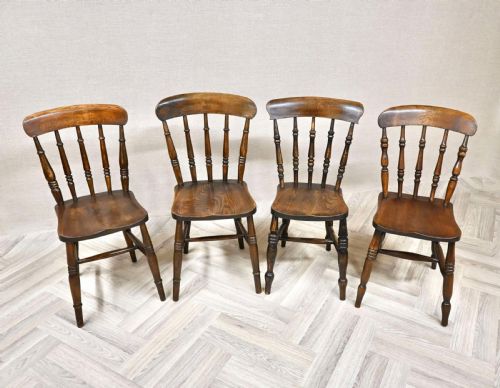
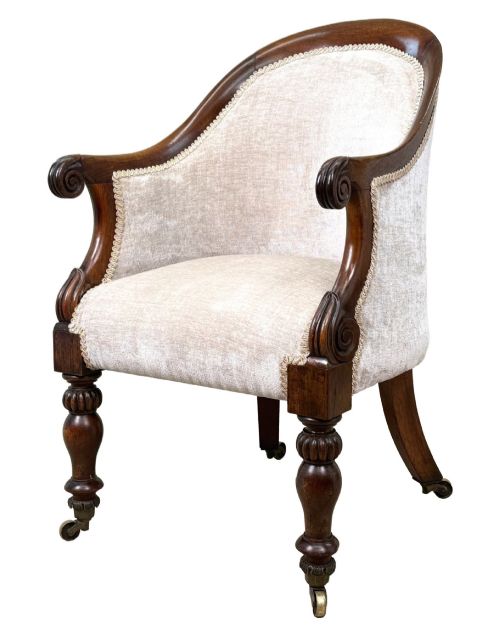
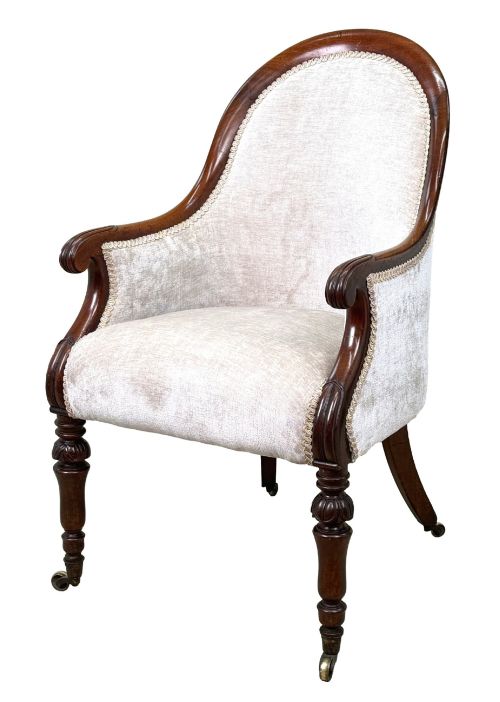
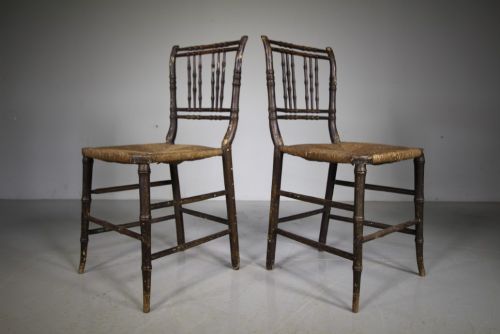

Antique Turned Chair
When you want an antique turned chair, you are seeking solid timber framework shaped on a lathe, from sturdy kitchen armchairs to formal dining seats.

Antique Turned Chair
An antique turned chair brings solid timber construction into domestic spaces, appearing across dining rooms, libraries, and farmhouse kitchens. You encounter variations ranging from country windsor armchairs to formal mahogany dining seats.
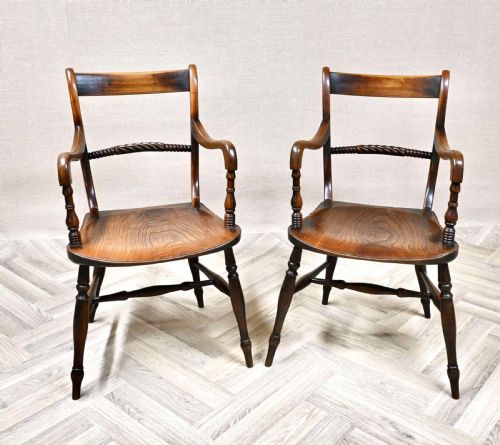
The selections span the Victorian, Edwardian, and Regency periods, alongside earlier examples from the eighteenth century. Regional styles such as Thames Valley oxford chairs and simple stick backs appear frequently.
Forms include armchairs, side chairs, desk chairs, rocking chairs, and nursing chairs. Many utilise traditional timbers like elm, ash, and beech alongside more polished hardwoods.
How They Were Made
Cabinet makers and bodgers shaped these frames using woodturning lathes, producing spindles, legs, and stretchers from dense native hardwoods. Elm, ash, beech, and oak provide the structural integrity required for everyday seating.
Makers combined turned components with steam-bent elements, such as curved arm rails and Windsor hoops, securing joints with wedges and pegs rather than modern adhesives.
What Varies in Quality
The calibre of an antique turned chair rests upon the crispness of the lathe work and the selection of timber. Dense grain patterns in woods like elm and mahogany indicate superior material choices by the maker.
Structural honesty and original surface finishes define the better examples. Pieces retaining untouched patination command greater interest than those stripped down and refinished in modern workshops.
Morris & Co·Philip Webb
The Antique Turned Chair Glossary
- Bobbin turned
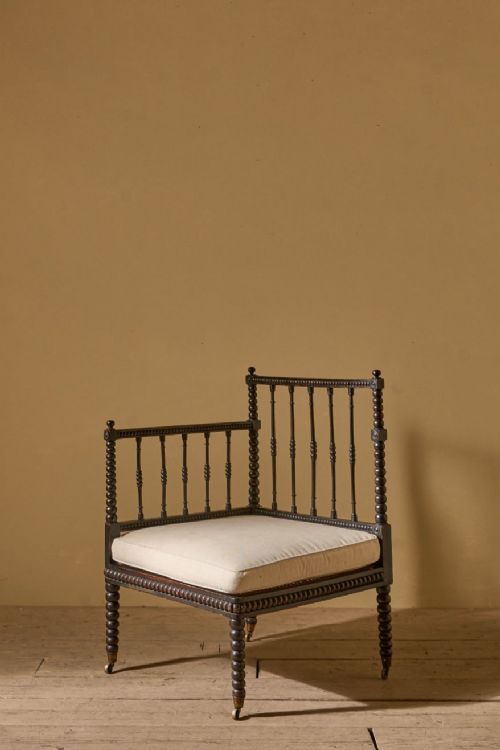
- A style of woodturning characterised by a series of rounded, spool-like shapes resembling bobbins along the length of a leg or stretcher. This decorative technique appears frequently on nineteenth-century library armchairs.
- Windsor
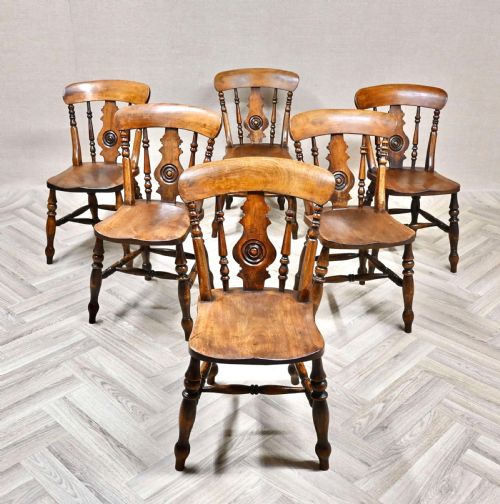
- A traditional chair construction method where legs and back spindles are fitted directly into a solid sculpted wooden seat rather than a frame. These vernacular forms often utilise a combination of elm and ash.
- Captain's chair
- A low-backed wooden armchair featuring a rounded top rail supported by numerous turned spindles above the seat. They are frequently found in nineteenth-century offices and studies.
- Stretcher
- A horizontal timber connecting the legs of a chair to provide lateral stability and strength. Turned examples often feature multiple concentric rings carved on the lathe.
- Lathback
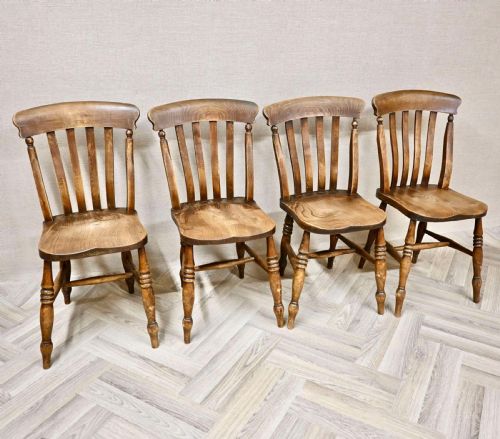
- A chair back constructed from flat wooden slats rather than rounded vertical spindles. This regional vernacular design appears regularly on country kitchen seating.
Antique Turned Chair: Frequently Asked Questions
What is an antique turned chair?
An antique turned chair is a wooden seat featuring components shaped on a lathe, encompassing both country rush-seated ladderbacks and formal dining furniture.
These pieces rely on turned spindles and legs for structural support and decoration.
How do I identify a Windsor chair?
A Windsor chair is characterised by legs and back spindles fitted directly into a solid plank seat. They frequently combine elm seats with ash or beech framing.
They appear across various periods, from nineteenth-century farmhouse examples to refined kitchen dining sets.
Where were these chairs used historically?
Turned chairs served practical roles throughout the home, from farmhouse kitchens to formal libraries and offices. Desk and swivel variants supported professional work.
Meanwhile, armchairs and rockers provided domestic comfort in sitting rooms and bedrooms.
How should I care for timber chairs?
Keep wooden chairs away from direct heat sources and sudden temperature fluctuations to prevent timber shrinkage and cracking. Regular dusting with a dry cloth maintains the surface.
Applying occasional specialist wax preserves the historic finish without building up heavy residue.