


Antique Tripod Centre Table
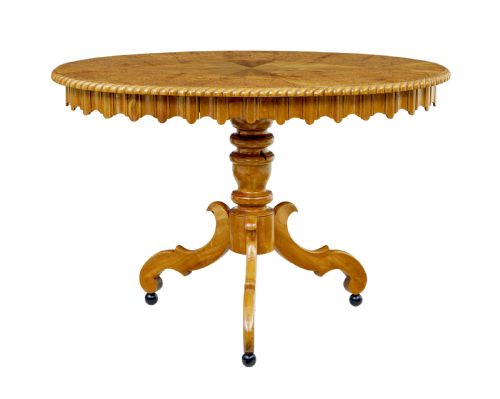
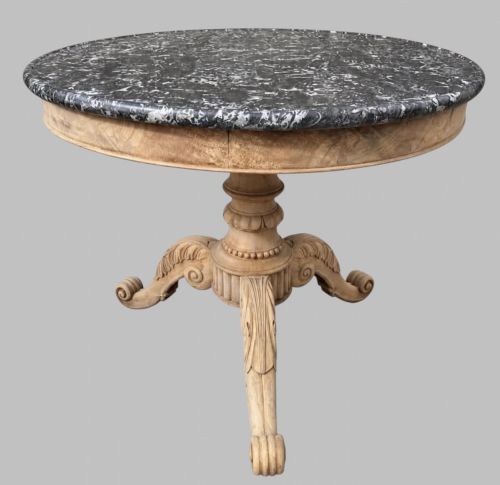
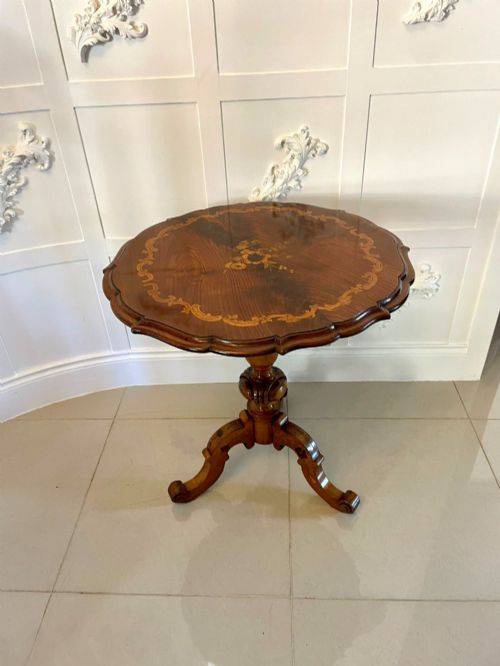
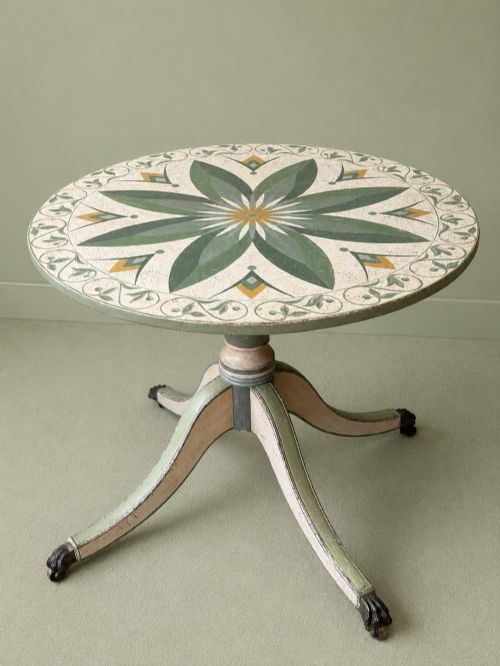
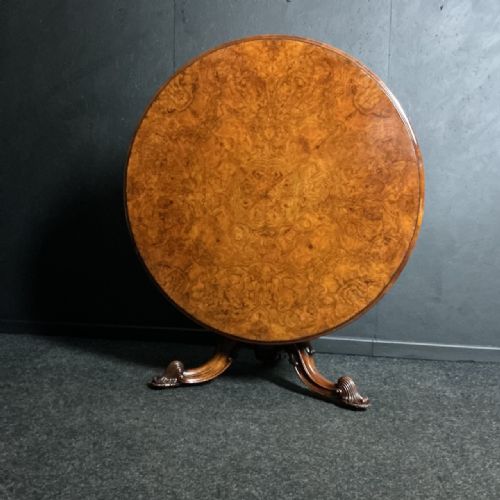
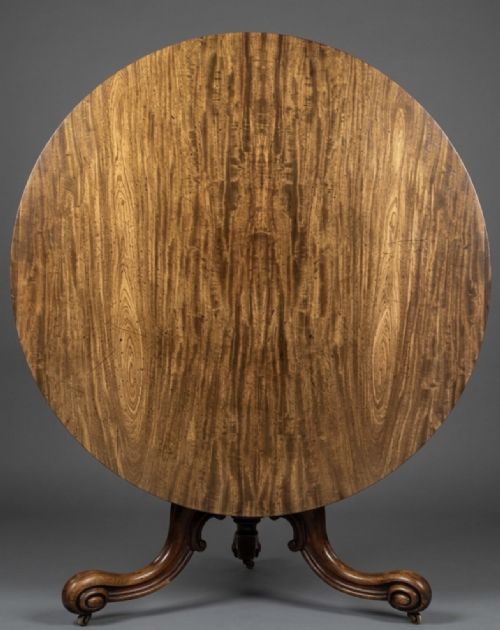
An antique tripod centre table stands independently in a room, offering a stable central pillar and distinct timbers that reward close inspection.
Antique Tripod Centre Table
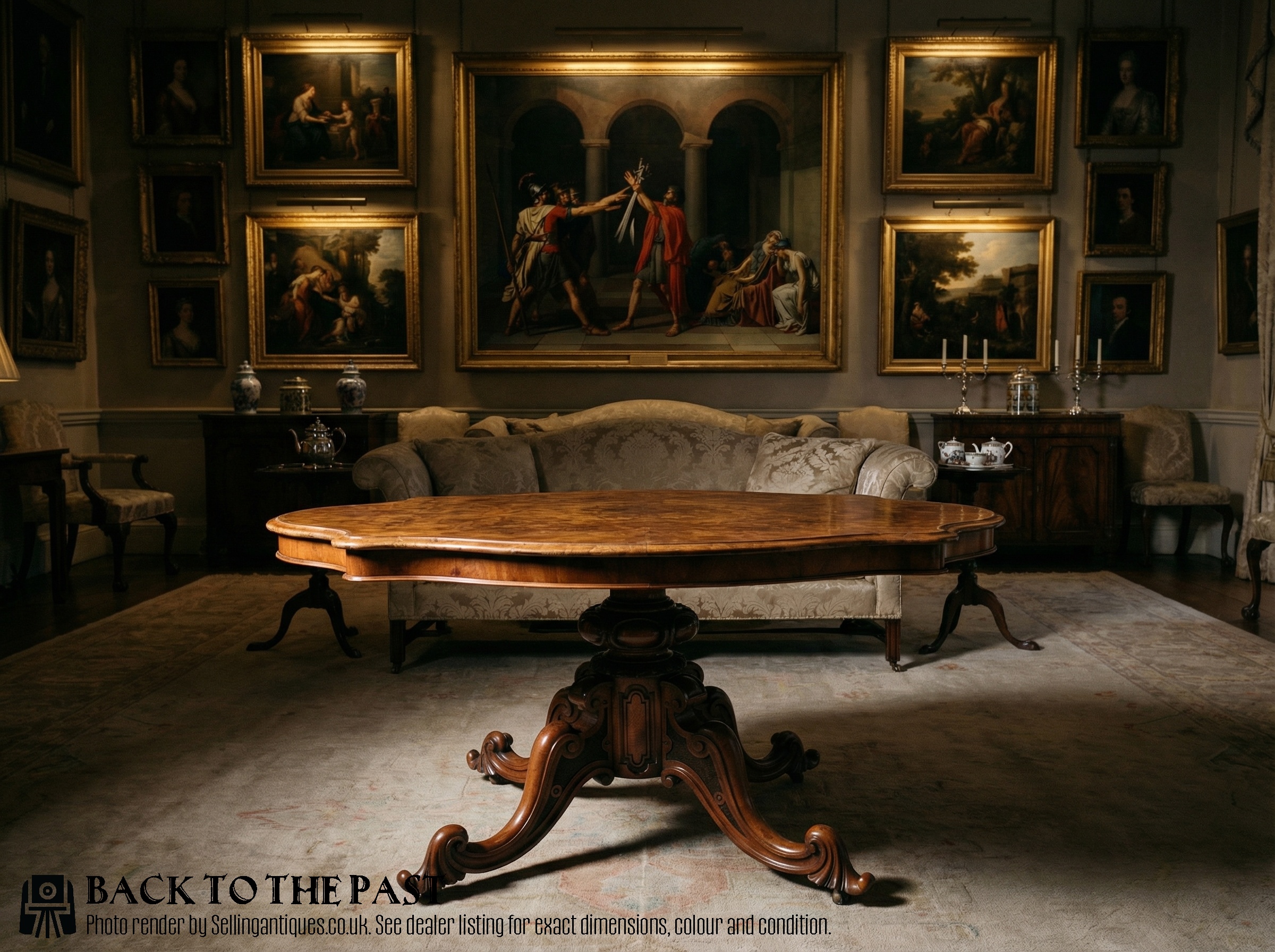
When searching for an antique tripod centre table, buyers encounter a diverse group of circular, oval, and occasional tables supported by a central pillar and three legs rather than standard four-cornered legs. These pieces emerge predominantly from the nineteenth century, including Victorian and Georgian periods, though some examples trace back to the eighteenth century.
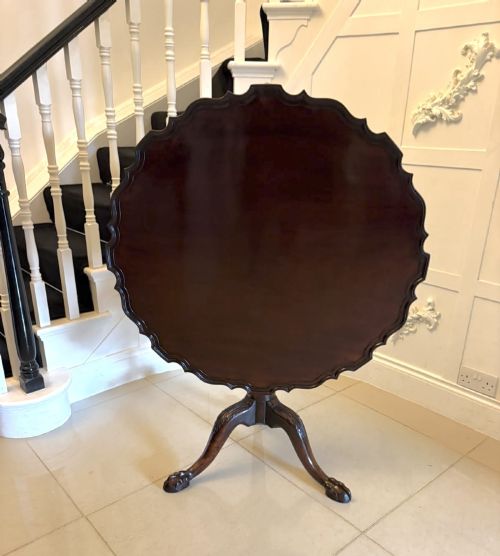
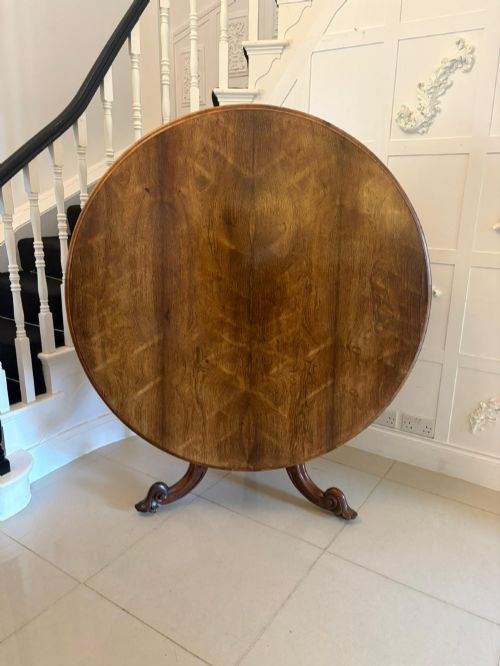
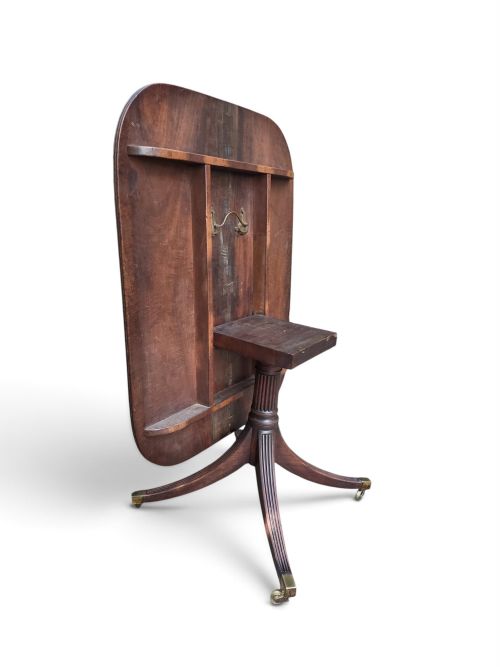
The form functions equally well as a dining table, lamp table, or supper table, often utilising a tilt-top mechanism that allows the surface to fold away vertically when not in use. Such flexibility made these tables popular additions to parlours, halls, and principal reception rooms across Britain and continental Europe.
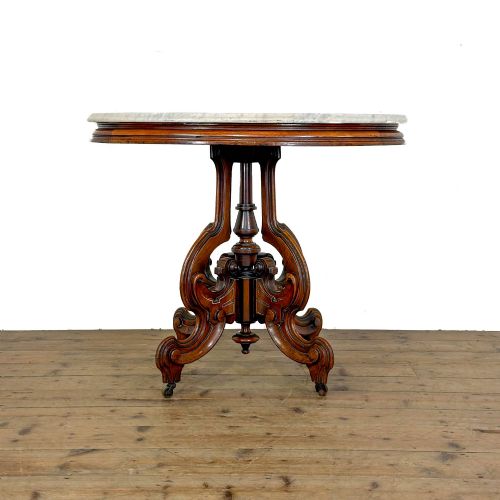
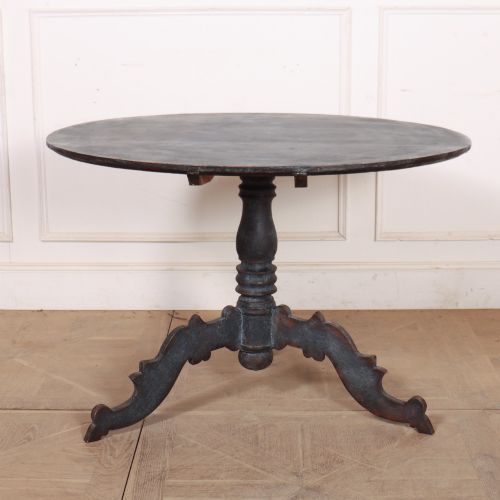
On this page, walnut, mahogany, and rosewood dominate the material selection, alongside decorative painted wood and occasional specimen marquetry. Buyers find pieces influenced by various historical aesthetics, from French Empire and Regency to George III and Victorian designs.
How they were made
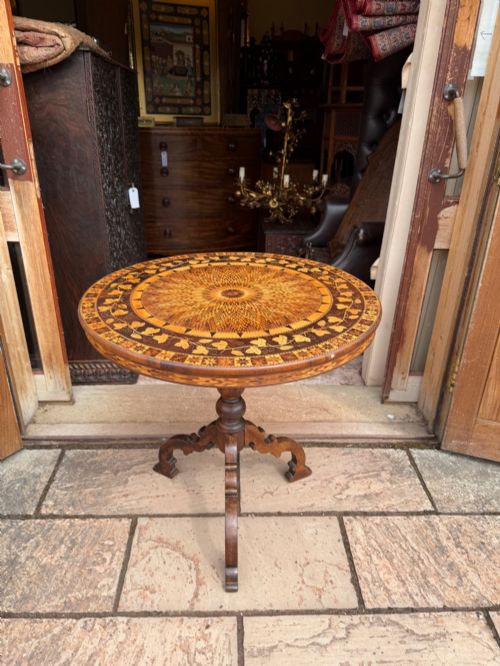
Cabinetmakers constructed these tables using dense hardwoods like mahogany, walnut, and rosewood, frequently selecting veneers with pronounced grain patterns such as burr birch or figured mahogany for the table tops. Specialised additions like mother-of-pearl inlay, brass embellishments, and marquetry enrich the wooden surfaces.
The central pillar typically meets three curving tripod legs through sturdy joinery designed to support the downward pressure of the timber top. Tilt-top variants incorporate pivoting mechanisms and brass catches to secure the surface horizontally during use.
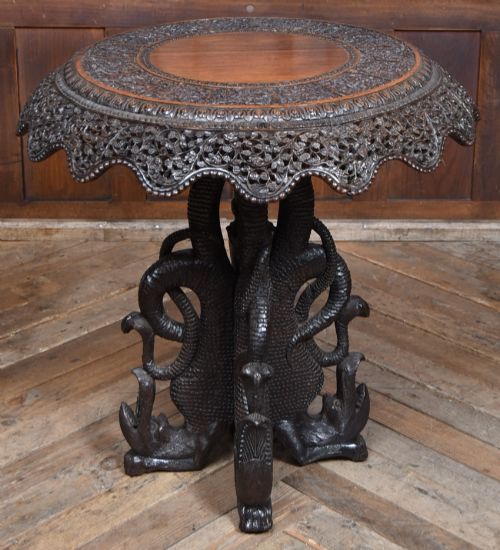
Black Forest linden wood tables bring miniature woodland creatures right into the drawing room to hold your tea.
What varies in quality
The sophistication of the timber selection and the precision of the carving separate standard workshop pieces from superior examples. Finely figured veneers, intricate marquetry, and deeply carved pillar bases indicate higher craftsmanship.
Stability at the central joint and smooth operation of the tilt-top mechanism reflect the original builder's skill. Tables retaining their original brass fittings and uncompromised structural alignment hold greater integrity.
Anton Seuffert
The Antique Tripod Centre Table Glossary
- Gueridon
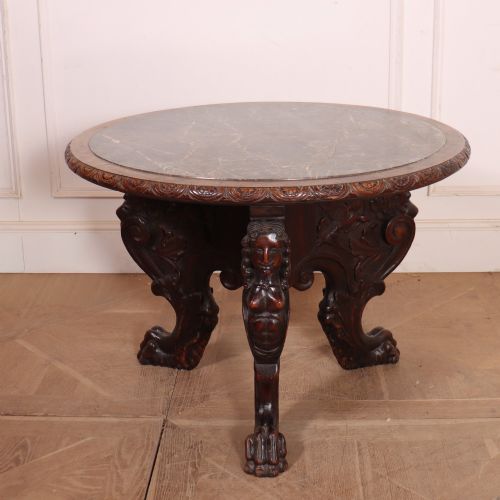
- A small French table, often round and supported by a single central column or tripod base. These pieces frequently feature marble tops or decorative wood veneers.
- Tilt-top
- A hinged table top that pivots to a vertical position for storage. This mechanism allows the furniture to save space against a wall when not in active use.
- Marquetry
- Decorative patterns formed by fitting together contrasting pieces of wood veneer onto a solid surface. Skilled artisans use this technique to create elaborate floral or geometric designs.
- Piecrust
- A carved raised edge moulding shaped in alternating curves resembling pastry work. This decorative border is typically found on high-quality eighteenth and nineteenth-century dining tables.
Antique Tripod Centre Table: Frequently Asked Questions
How do I identify a Georgian period table?
Georgian tables, produced during the eighteenth and early nineteenth centuries, generally display restrained classical proportions and solid mahogany or oak construction. Details often include subtle brass inlay and clean lines rather than heavy Victorian carving.
Examining the construction methods underneath the top and around the tripod base helps confirm the earlier manufacturing date and timber maturity.
Where should I place a centre table?
A centre table is designed to be viewed from all angles, making it ideal for the middle of a principal room or a spacious hallway. Placing a lamp or decorative bowl on top provides a natural focal point without blocking pathways.
Because these pieces possess finished undersides and stable tripod bases, they do not need to rest against a wall to look correct in an interior scheme.
What is the difference between a gueridon and an occasional table?
A gueridon is a specific type of small French round table supported by a central column, frequently associated with nineteenth-century interior styles and sometimes featuring marble tops. An occasional table is a broader English term for any small table used intermittently around the home.
While both share compact footprints and often utilise tripod bases, gueridons tend to lean toward decorative French aesthetic traditions.