



Antique Tribal Doors
These antique tribal doors and door hangings bring rich regional character to a room, offering authentic hand-woven textiles and carved timber from Central Asia and beyond.
Antique Tribal Doors
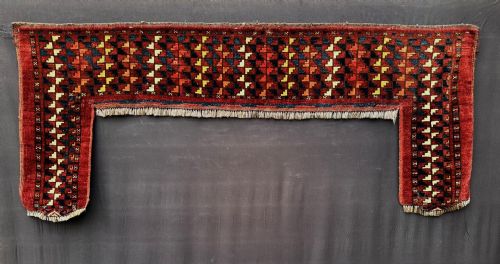
When searching for antique tribal doors, buyers encounter two distinct forms: architectural carved timber panels from regions like Sulawesi, and textile door hangings created by nomadic and village weavers. The textile examples dominate the selection, specifically ensi and kapunuk tent rugs produced by tribes across Central Asia.
These textile pieces functioned as thresholds, tent flaps, and wall portieres within nomadic dwellings. Woven by groups such as the Yomud, Tekke, Ersary, and Saryk, they carry traditional tribal motifs that demarcated living spaces and cultural identity.
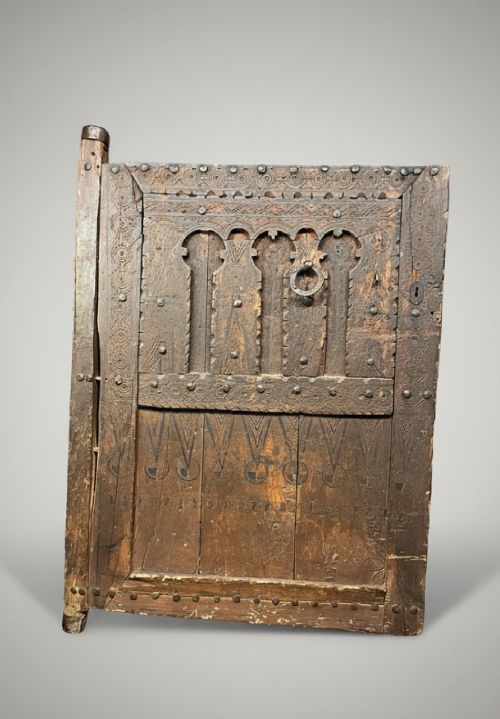
Alongside the woollen tent hangings, the selection includes substantial carved hardwood architectural panels. These heavy wooden doors originate from Toraja communities and present intricate traditional carving directly into structural timber.
How they were made
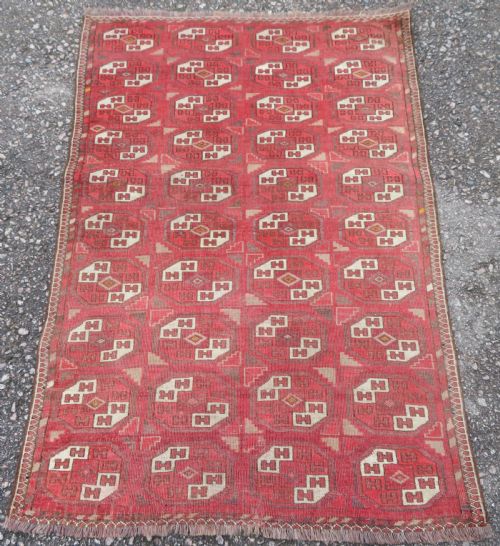
The textile pieces rely on hand-spun wool and cotton, often utilising natural dyes to achieve deep reds and contrasting ivories. Skilled weavers knotted or flat-wove these materials on portable looms, incorporating structural cotton details in the whites.
The architectural examples involve heavy hardwood and timber, shaped with hand tools and assembled with wrought iron elements. Bone inlay occasionally appears on specific regional items to add surface detail and contrast to the dark timber.
Nomadic workshops produced these items for domestic utility, ensuring that the structural weave of a tent rug or the joinery of a carved door could withstand daily use in harsh environments.
Antique Tribal Doors Retail Price Guide 2026
Typical asking prices for tribal doors among the pieces listed under this phrase on Sellingantiques today, from the lower quarter to the upper quarter. They describe what is for sale here now, not the wider market.
A nomadic weaver could measure her tribe's entire worldview simply by counting the tiny latch-hooks marching up an elem panel.
What varies in quality
Quality in the textile group rests on the clarity of the drawing in the elem panels and the saturation of the natural dyes. Fineness of the knotting and the preservation of original side corded edges also separate standard examples from finer tribal weaving.
For the carved timber items, depth of carving and the integrity of the hardwood structure determine the calibre of the piece. Well-drawn motifs and minimal structural timber loss indicate superior original craftsmanship.
The Antique Tribal Doors Glossary
- Ensi
- A tribal rug specifically woven to hang over the doorway of a nomad tent. These pieces typically feature a candelabra design divided into four quarters.
- ELEM
- The lower horizontal panel of a tribal rug or tent hanging, often filled with distinctive tree, shrub, or geometric motifs. This section anchors the main field design.
- Kapunuk
- A tent door surround or hanging placed around the sides and top of a yurt entrance. They are structurally related to the ensi but serve a framing function.
- Portiere
- A hanging curtain placed over a door or doorway. In this context, it describes textile panels used to manage thresholds in domestic interiors.
- Architectural salvage
- Building elements rescued from structures before demolition. This category covers the solid timber carved doors found in the selection.
Antique Tribal Doors: Frequently Asked Questions
What is an ensi?
An ensi is a specific type of nomadic tent rug designed to hang over the interior entrance of a yurt. It usually displays a characteristic four-part cruciform layout.
Weavers from Turkmen tribes produced these textiles to serve as functional thresholds within their portable dwellings.
How were tent door hangings used?
Nomadic families hung these woven textiles over the doorways of their tents to provide insulation and privacy. They also marked the boundary between the outside world and the domestic interior.
Certain pieces functioned as framing surrounds for the doorway structure itself, rather than swinging flaps.
How do I date these textiles?
Dating relies on examining the dyestuffs, wool quality, and structural symmetry visible in the weave. Pieces from the nineteenth century often exhibit specific regional drawing styles and natural dye variations that shifted by the early twentieth century.
Comparative analysis of tribal motifs helps place individual items within specific decades of production.
Are the wooden doors functional?
The carved wooden examples are solid architectural elements made from heavy hardwoods. They require proper structural assessment if intended for active installation in modern buildings.
Many buyers choose to mount them as decorative wall panels rather than hanging them as operational doors.