




Hand Carved Wood Doors
These hand carved wood doors are architectural fragments and panels carrying deep relief and local character, chosen for interiors needing weight and history.
Hand Carved Wood Doors
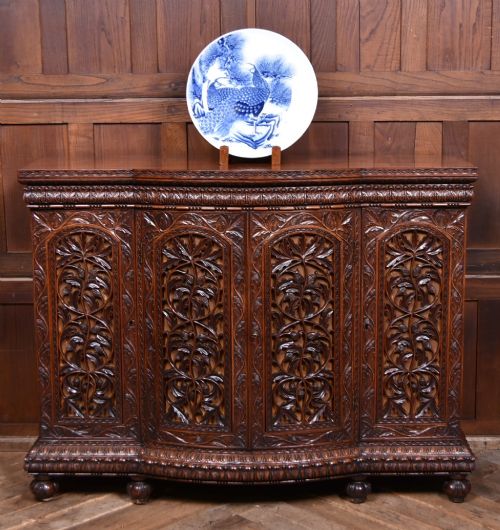
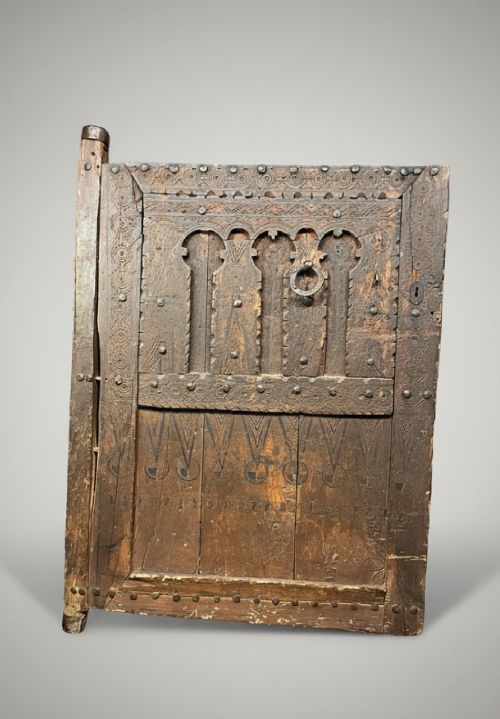
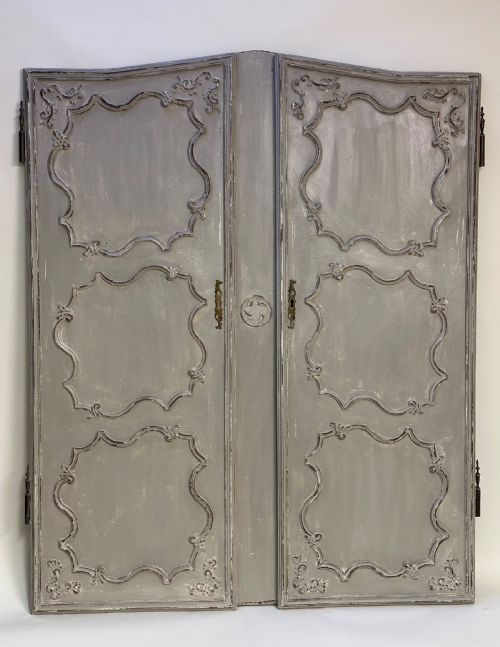
When you search for hand carved wood doors, you meet heavy architectural salvage and decorative panels spanning several centuries and global traditions. The selection includes French chateau examples alongside North African tribal panels, Chinese cart doors, and Anglo-Indian architectural work.
Most entries date from the nineteenth century, ranging from eighteen-eighty to nineteen-hundred, with earlier roots appearing in eighteenth-century Chinese pieces and mid-nineteenth-century Toraja Sulawesi items. These heavy timber pieces function equally well as wall panels, large cupboard doors, or striking structural room dividers.
The forms vary from paired French doors bearing floral and classical motifs to rustic Berber panels and linenfold oak designs. Each piece reflects the specific joinery and decorative grammar of its region of origin.
How they were made
Makers shaped these panels from heavy regional hardwoods, most notably oak, padouk wood, and assorted native timbers. Craftsmen employed hand tools to achieve deep relief carving, sinking chisels into dense grain to create layered scenes and geometric patterns.
Structural integrity often relied on heavy framing joined with wooden pegs and reinforced with wrought iron hardware such as strap hinges and mounting brackets. Some surfaces retained their original paint layers, while others exposed the bare timber finished with wax or polish.
Hand Carved Wood Doors Retail Price Guide 2026
Typical asking prices for hand carved wood doors among the pieces listed under this phrase on Sellingantiques today, from the lower quarter to the upper quarter. They describe what is for sale here now, not the wider market.
Cart doors once rolled down dusty tracks in eighteenth-century China before finding a second life guarding modern hallways.
What varies in quality
The distinction between standard utility panels and exceptional work lies in the depth and clarity of the chisel relief. Superior examples display crisp undercut details and balanced proportions that demonstrate a high level of sculptural skill.
The integrity of the original timber and the retention of authentic ironwork or early paint surfaces dictate the desirability of each piece. Maker interventions and later restorations alter the character, making untouched surfaces more faithful to the original period.
The Hand Carved Wood Doors Glossary
- Linenfold
- A style of wood carving that mimics folded parchment or linen, commonly used on fifteenth-century and later oak panels. This decorative technique creates a textured surface of vertical folds.
- Architectural salvage
- Building elements and fixtures rescued from structures slated for demolition or alteration. These components retain historical craftsmanship and materials.
- Padouk wood
- A dense tropical hardwood known for its reddish-brown colour and exceptional durability. Craftsmen utilised this stable timber for fine cabinetry and architectural joinery.
- Wrought iron
- Iron beaten into shape by hand using a hammer and anvil, resulting in a fibrous structure. This material provided strong structural hardware for heavy doors.
- Qing Dynasty
- The final imperial dynasty of China, lasting from sixteen-forty-four to nineteen-and-twelve. Pieces from this era often feature distinct regional carving styles and painted finishes.
Hand Carved Wood Doors: Frequently Asked Questions
How do I hang heavy carved doors?
These substantial timber panels require heavy-duty structural fixings and reinforced door frames to support their considerable weight. Professional installation ensures the load is distributed correctly without twisting the antique wood.
Many buyers choose to mount pairs of panels directly to walls as decorative art rather than operating them as working entryways.
Are these doors suitable for exterior use?
Most of these pieces originate as interior architectural elements, courtyard gates, or cabinet fronts rather than weather-sealed exterior entries. Exposing historical timber and painted surfaces to direct rain and sunlight can degrade the wood and original finishes.
Indoor placement preserves the structural stability and protects the delicate hand-carved relief work from moisture damage.
How should I clean antique carved wood?
Dust accumulated in deep crevices is best removed using a soft natural bristle brush rather than harsh cloths that catch on splintered grain. Avoid modern liquid polishes or silicone sprays, which can build up on bare timber or react with old painted surfaces.
Applying a traditional microcrystalline wax occasionally helps nourish dry wood without altering the natural patina.
How do I identify different regional carving styles?
Regional styles depend on the specific motifs and timber species characteristic of the maker's origin, such as European linenfold oak or North African geometric patterns. French chateau pieces often display classical floral scrolls, whereas tribal panels utilise symbolic carvings tied to local traditions.
Comparing the depth of relief and tool marks helps separate European cabinetwork from Asian or African architectural salvage.