

Dark Timber Architectural Salvage
Dark timber architectural salvage brings heavy oak and walnut panels, doors and fragments from past centuries directly into modern rooms.
Dark Timber Architectural Salvage
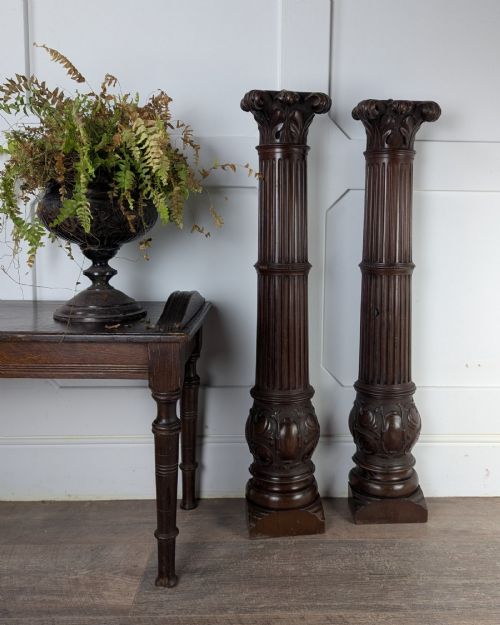
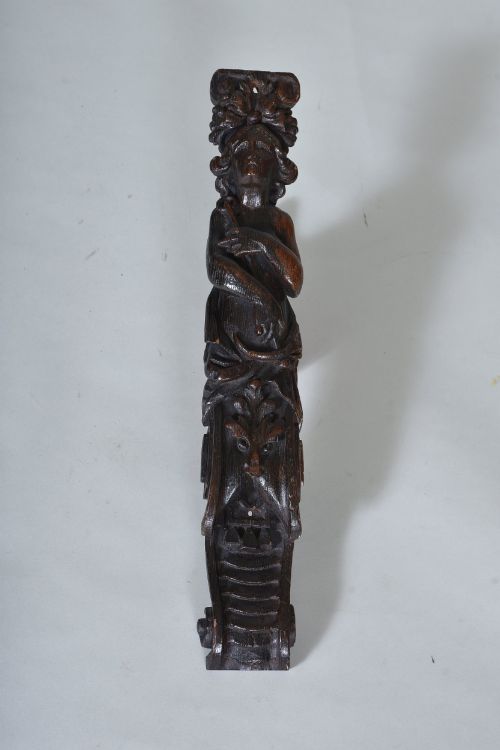
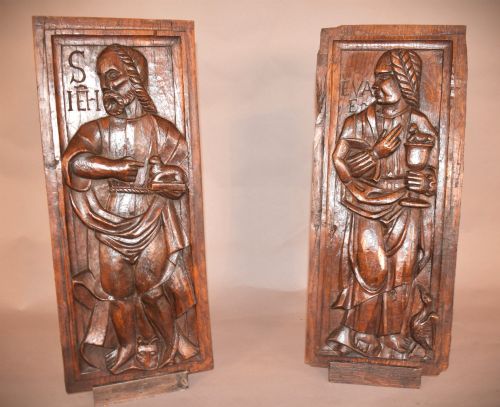
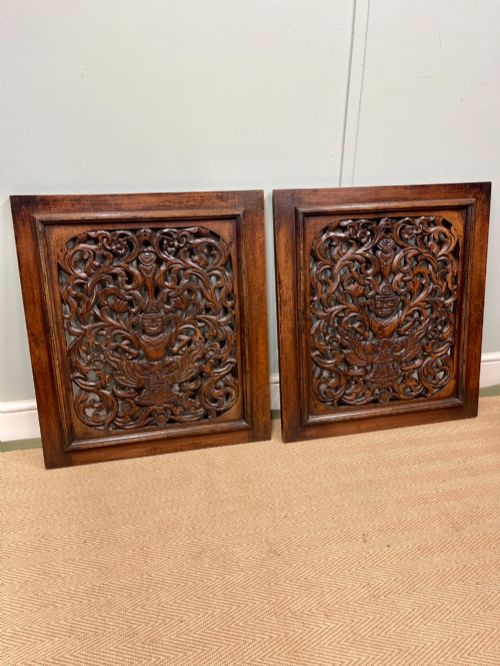
Dark timber architectural salvage comprises heavy wooden elements recovered from older buildings, ranging from solid oak panels and cupboard doors to carved columns and figural corbels. The selection relies heavily on oak and walnut pieces from the sixteenth, seventeenth and eighteenth centuries, alongside nineteenth-century global items.
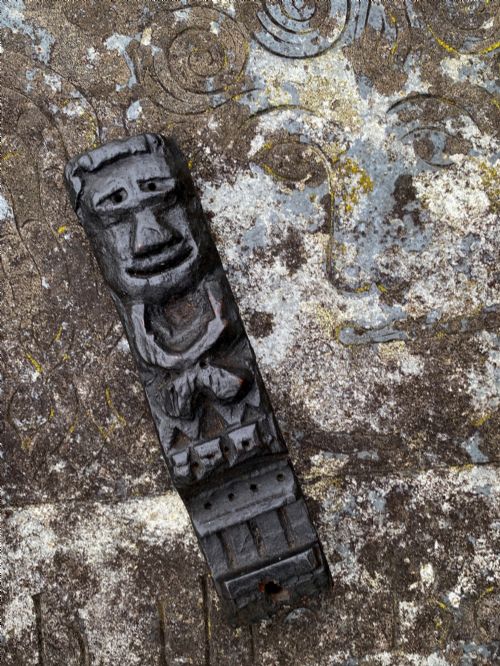
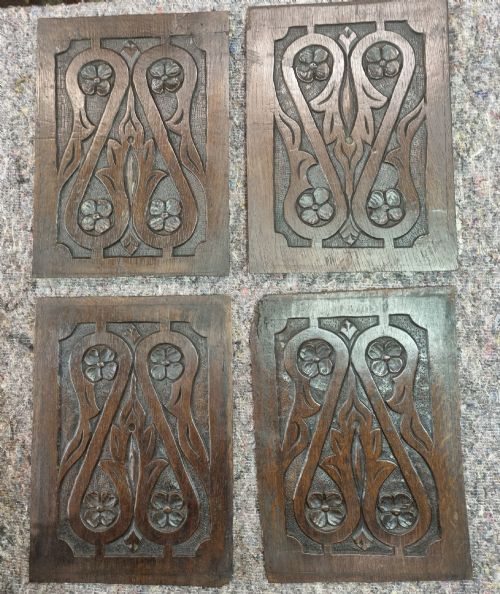
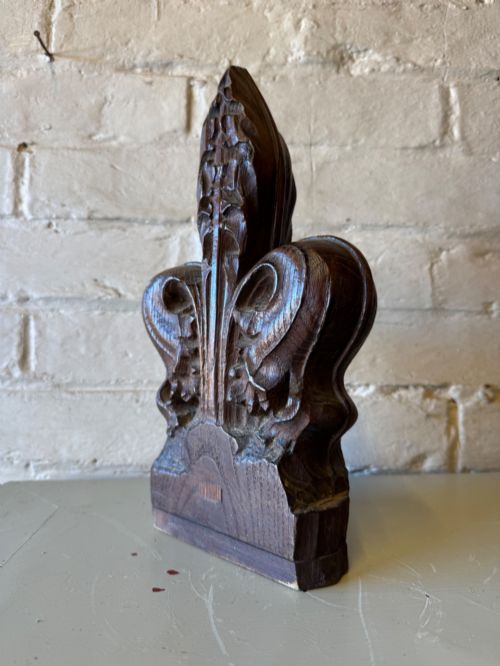
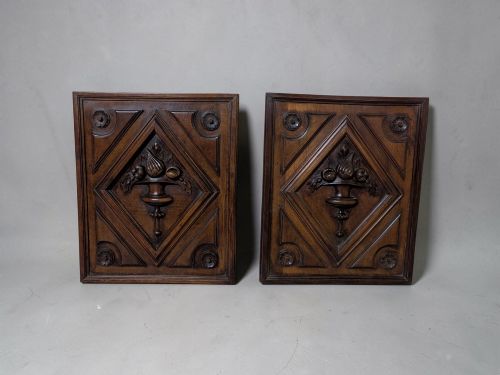
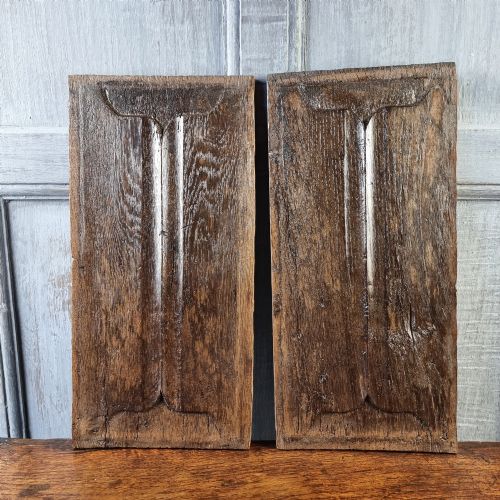
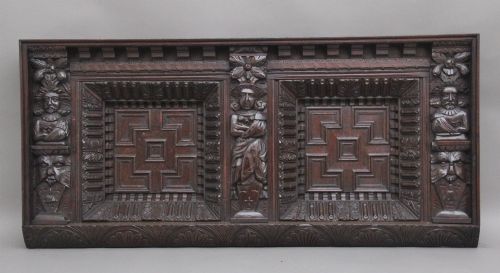
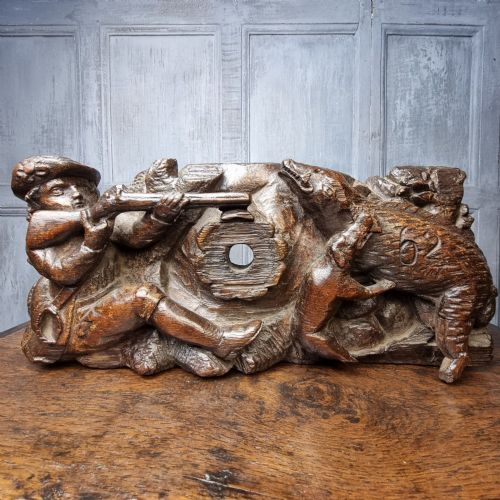
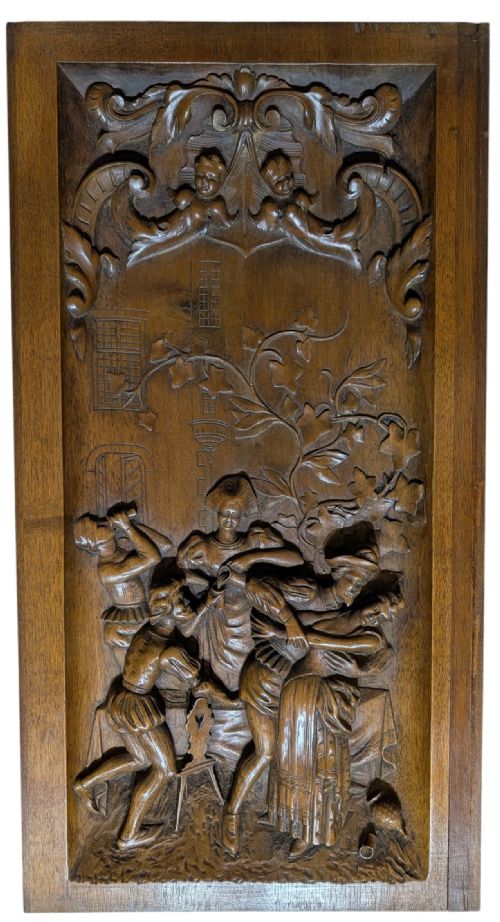
Buyers look for these fragments to install as overmantles, wall art, or functional doors that anchor a room with historical depth. The typical pieces on this page are wall panels and carved architectural fragments displaying linenfold patterns, classical motifs, or ecclesiastical figures.
Materials and construction methods
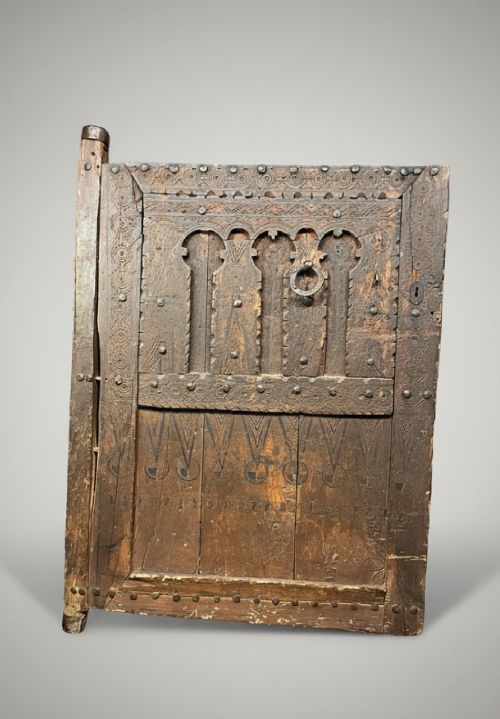
Makers utilised dense timbers such as oak, walnut and mahogany, selecting heartwood for its durability and deep natural grain. Iron fixings and studs appear on heavy doors and structural fragments, adding mechanical contrast to the organic wood.
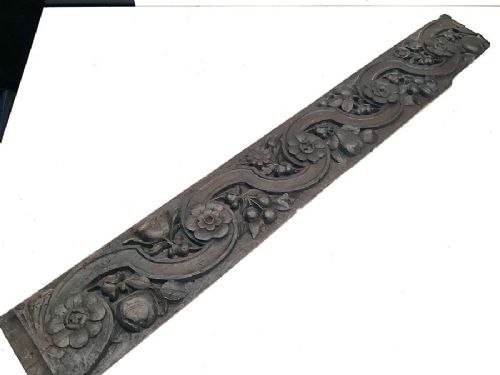
The construction relies on hand-carved relief work, mortise and tenon joinery, and turned elements like columns and finials. Surfaces were shaped with chisels and gouges, leaving tool marks that reveal manual execution rather than machine production.
Dark Timber Architectural Salvage Retail Price Guide 2026
Typical asking prices for dark timber architectural salvage among the pieces listed under this phrase on Sellingantiques today, from the lower quarter to the upper quarter. They describe what is for sale here now, not the wider market.
Listings feature timber pieces spanning the sixteenth century through to the modernist era of the 1920s.
Distinctions in quality
Quality rests in the depth and sharpness of the hand carving, where skilled anatomical proportion in figures, cherubs or lions separates masterwork panels from basic regional output. Crisp undercut details and balanced composition indicate a higher grade of workshop origin.
The integrity of the timber also dictates value, with well-preserved dense oak and walnut showing stable patination and minimal structural replacement. Pieces retaining original surface texture and authentic period joinery hold more visual weight than heavily sanded or overly restored surfaces.
Edward Pearce·Robert Mouseman Thompson
The Dark Timber Architectural Salvage Glossary
- Linenfold
- A style of wood panel carving popular in the Tudor period that imitates folded linen cloth. It gives flat walls a textured, textile-like rhythm.
- Corbel
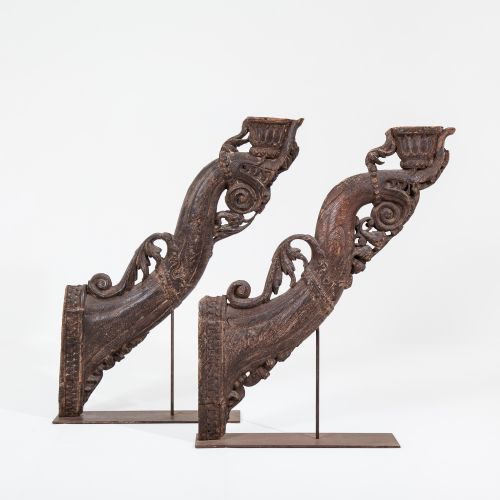
- A structural piece of stone or timber projecting from a wall to support a weight. Carved wooden versions often take the form of medieval figures or scrollwork.
- Caryatid
- A sculpted female figure serving as an architectural support taking the place of a column or a pillar. These appear in sixteenth and seventeenth-century interior woodwork.
- Newel post finial
- The decorative ornamental capping piece at the top of a stair post. They often take sculptural forms such as lions or heraldic animals.
- Parchemin
- A panel decoration resembling parchment scrolls or rolled paper. This technique creates low-relief geometric patterns on sixteenth and seventeenth-century wood.
- Overmantle
- A decorative panel or framework placed directly above a fireplace opening. Surviving examples often incorporate elaborate friezes and carved armorial bearings.
Dark Timber Architectural Salvage: Frequently Asked Questions
How do I hang a heavy wooden panel?
Heavy oak and walnut panels require substantial wall fixings screwed directly into structural studs or masonry rather than standard plasterboard anchors. Professional installation ensures the weight is safely distributed across the backframe.
For large architectural fragments or doors, steel brackets or custom French cleats provide concealed support that holds the piece securely flush against the wall surface.
Are these pieces stripped or finished?
The listings include items with long-accumulated wax patinas as well as fully restored surfaces. Each piece retains the finish recorded in its individual description.
Buyers should examine the surface notes to determine whether a timber retains its historic finish or has undergone recent cleaning and treatment.
Can antique doors still be used functionally?
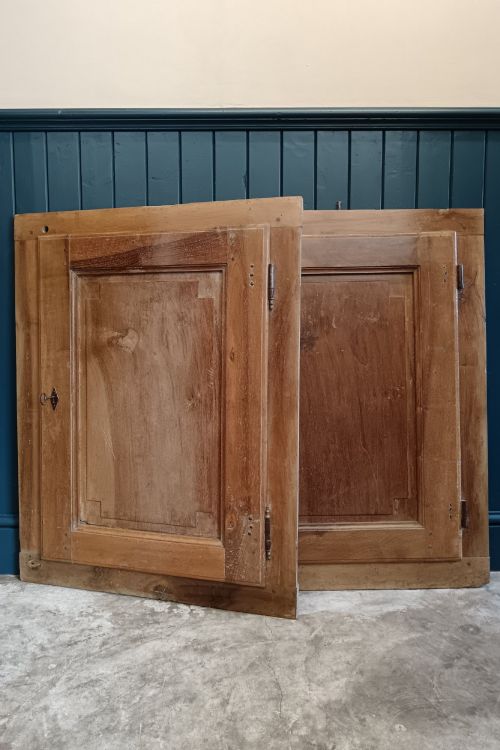
Many salvaged doors and screens can be rehung in contemporary interiors with appropriate carpentry adjustments. Frames and ironmongery such as studs and hinges often accompany the structural wood.
Due to centuries of movement, professional fitting is usually required to ensure smooth operation within modern door openings.
How do I date a carved oak panel?
Dating relies on stylistic clues such as linenfold motifs, Tudor rose carvings, or Baroque allegorical figures. Tool marks and construction joints also offer evidence of period manufacturing techniques.
Comparing the style of the carving to documented examples from the sixteenth and seventeenth centuries helps narrow the era of origin.
Where were architectural fragments sourced?
The pieces originate from domestic and ecclesiastical buildings across Britain, continental Europe, and global regions including China, Morocco, and Indonesia. This international scope reflects centuries of trade and architectural travel.
Ecclesiastical carvings, domestic wall panels, and tribal doors all carry the distinct material traditions of their originating regions.