


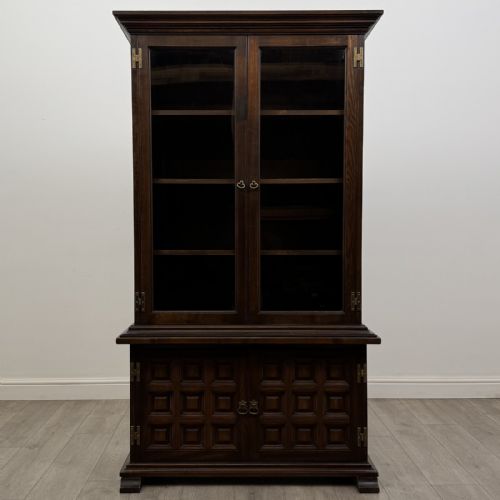
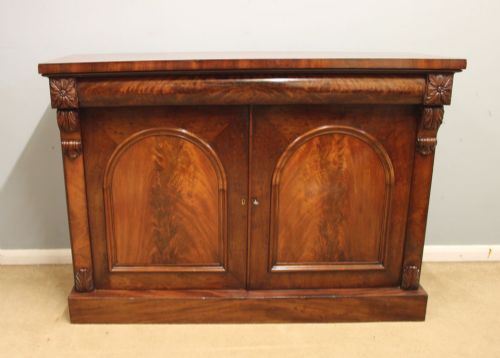
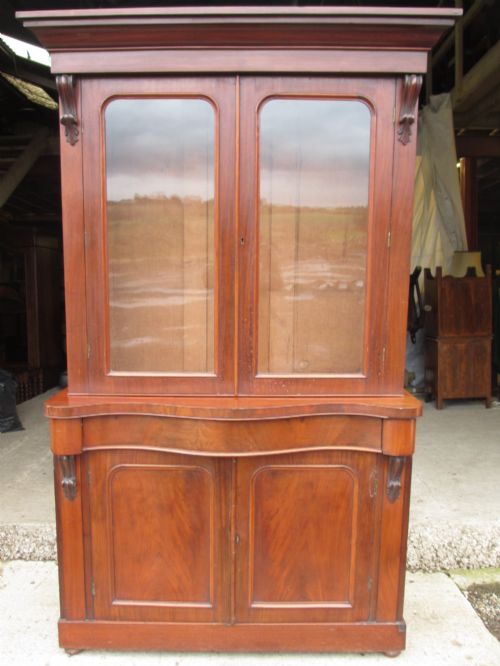
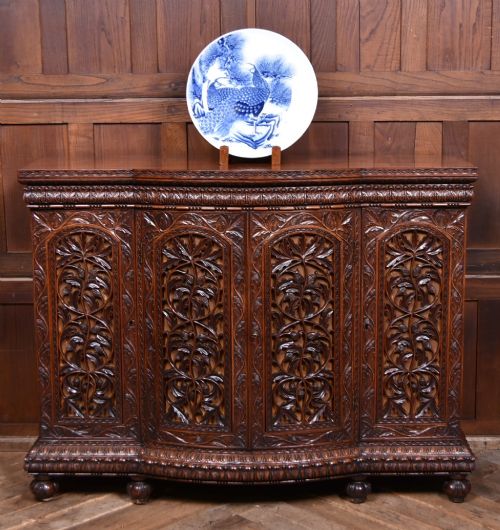
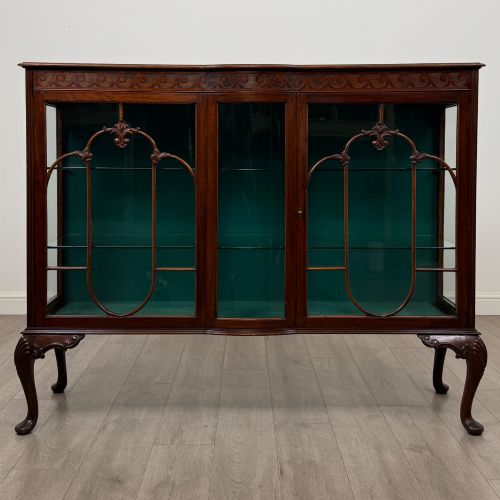
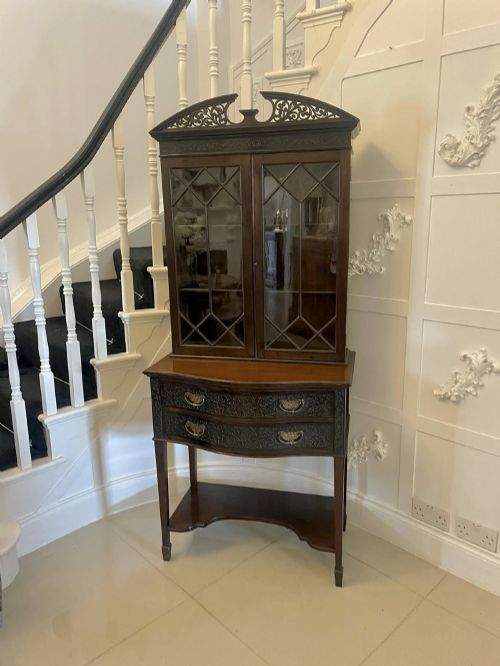
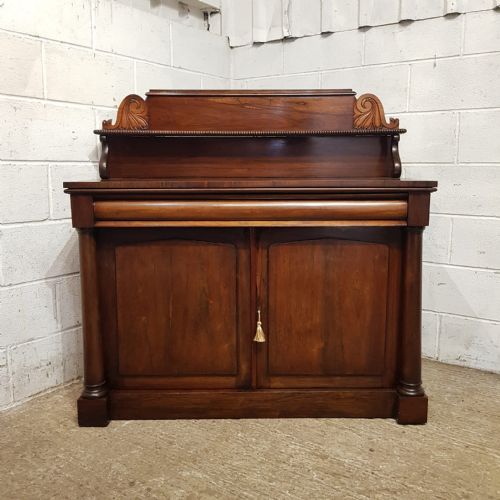
Dark Wood Carved Doors
Dark wood carved doors encompass architectural salvage and cabinet elements that bring rich timber and detailed carving into a room.
Dark Wood Carved Doors
Dark wood carved doors connect to the broader selection of architectural salvage and cabinet pieces found within nineteenth-century and early twentieth-century periods.
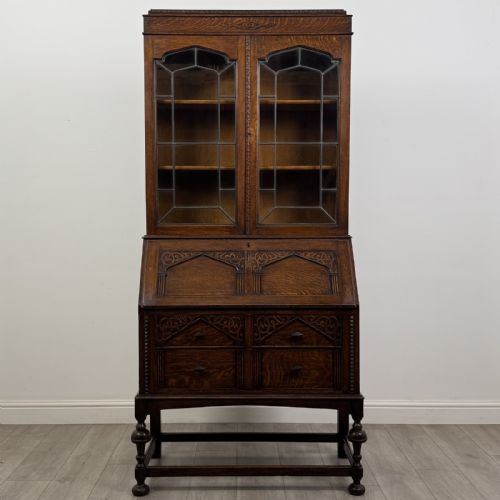
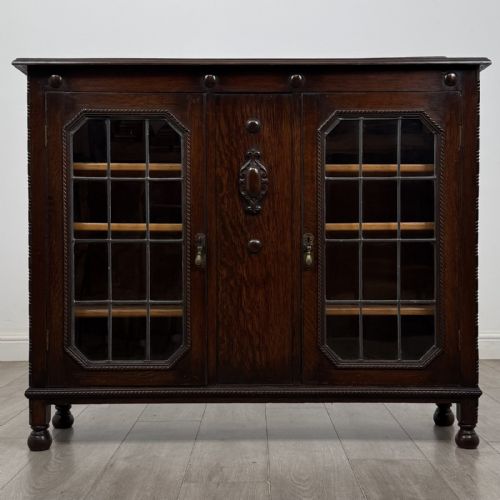
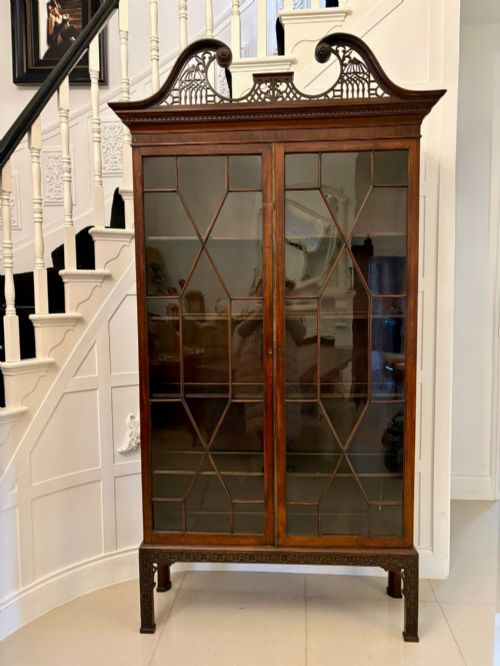
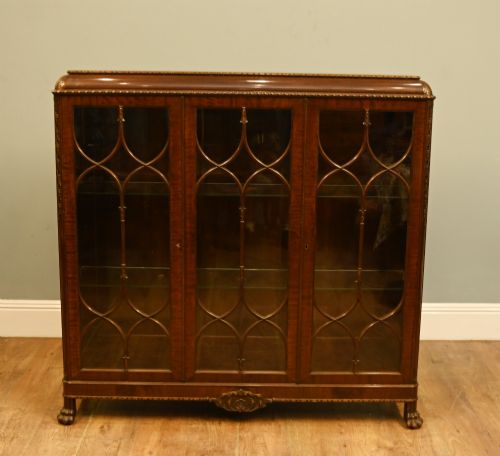
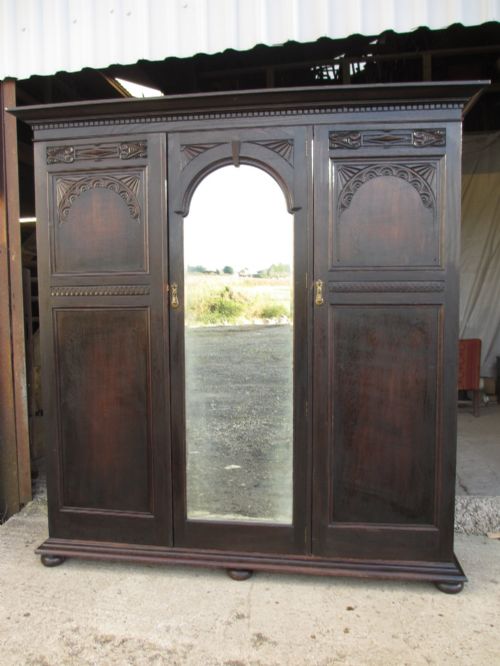
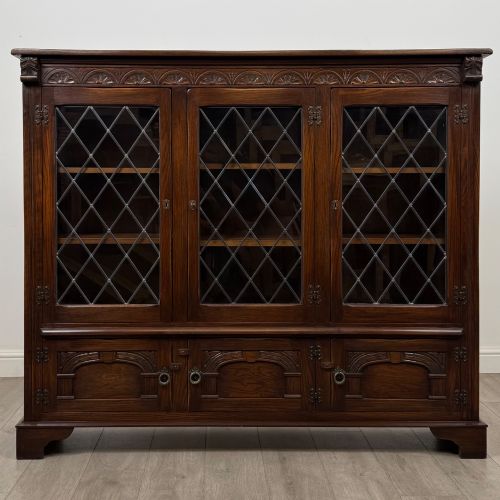
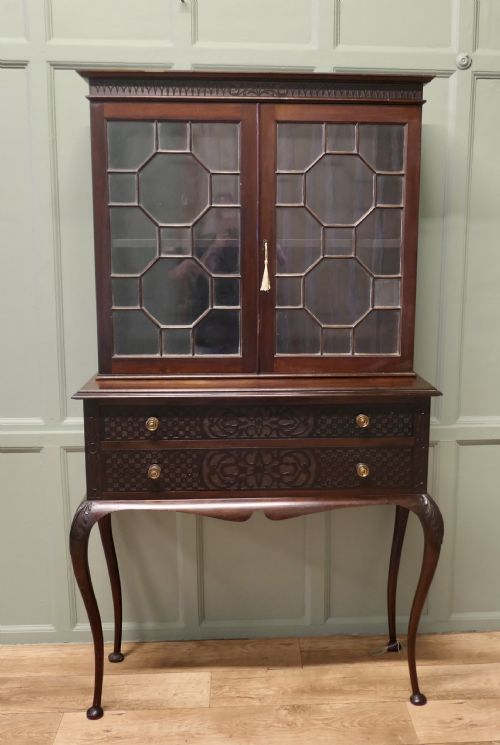
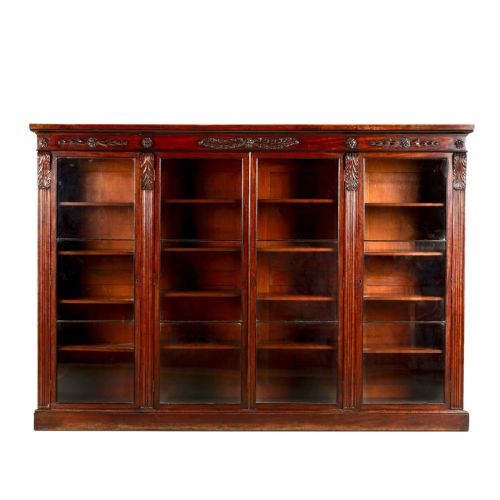
The primary forms met on this page include reclaimed doorways, carved panels, and overdoor pediments alongside large wardrobes and display cabinets featuring carved wooden doors.
Originating across diverse styles such as Victorian, Edwardian, and Anglo-Indian, these items utilise robust hardwoods to create strong visual depth.
Materials and construction techniques
Makers utilised dense timbers such as mahogany, oak, rosewood, and walnut, frequently selected for their deep natural colour and ability to hold crisp carving.
Joinery techniques combined solid framing with panel construction, allowing timber to respond naturally to environmental changes without warping.
Hand-carved detailing transformed plain structural panels into ornate decorative surfaces, augmented occasionally by glass glazing and brass hardware.
Dark Wood Carved Doors Retail Price Guide 2026
Typical asking prices for dark wood carved doors among the pieces listed under this phrase on Sellingantiques today, from the lower quarter to the upper quarter. They describe what is for sale here now, not the wider market.
Listings feature items from the Victorian, Edwardian, and Regency periods, constructed in mahogany, oak, rosewood, and walnut.
Distinguishing quality in carved dark wood
Depth and precision of the hand-carving separate ordinary examples from exceptional pieces, where crisp lines and undercut foliage demonstrate superior skill.
Quality rests significantly on the selection of timber figures, such as flame mahogany or burr walnut, which provide rich surface movement.
Structural integrity, from the thickness of the original solid timber panels to the preservation of original brass fittings, dictates the enduring worth of the piece.
Robert Strahan
The Dark Wood Carved Doors Glossary
- Architectural salvage
- Building elements rescued from older structures for reuse. This includes doorways, panels, and pediments.
- Pediment
- A decorative architectural crowning feature placed above a door or piece of furniture. It frequently includes a shelf or carved motifs.
- Flame mahogany
- A distinct timber grain pattern resembling flickering flames. It occurs naturally in certain cuts of mahogany.
- Astragal glazed
- A window or cabinet door divided into smaller panes by narrow wooden bars called astragals. This technique creates a grid pattern over glass.
Dark Wood Carved Doors: Frequently Asked Questions
What periods do these carved wooden items represent?
The pieces span the nineteenth and early twentieth centuries, encompassing Victorian, Edwardian, and Regency eras alongside specific dated examples from around eighteen-eighty and nineteen-twenty.
Design influences range from revival styles like Chippendale and Jacobean to continental and Anglo-Indian traditions.
How were dark wood carved doors utilised originally?
Many served as functional interior or vestibule doorways within period properties, regulating movement and privacy between rooms.
Others functioned as architectural overdoors, decorative panels, or as integrated doors on large wardrobes, bookcases, and display cabinets.
How do I care for antique dark wood furniture?
Maintain stable indoor humidity levels to prevent the solid timber panels from splitting or warping over time. Dust gently with a soft dry cloth and avoid harsh chemical polishes.
Feed the timber periodically with appropriate wax to preserve the natural lustre of the dark wood surface.
What woods are commonly found in these listings?
Mahogany forms a large portion of the selection, appearing in varieties such as flame and Cuban mahogany. Oak and rosewood also feature prominently alongside walnut and padouk.
These dense hardwoods were chosen for their durability and dark tones.