
Antique Toilet Glass Table
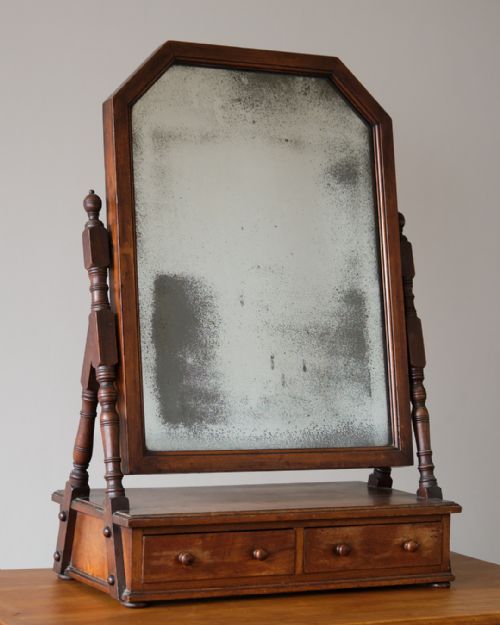
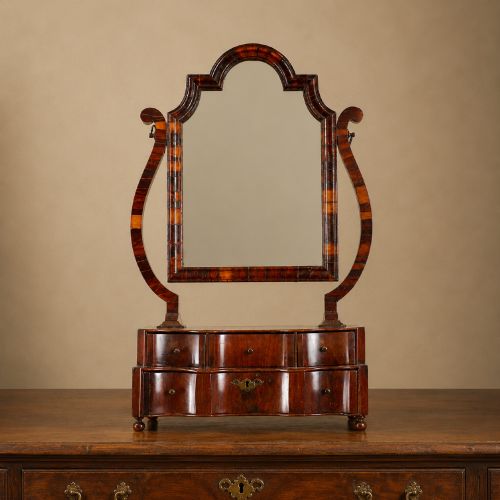
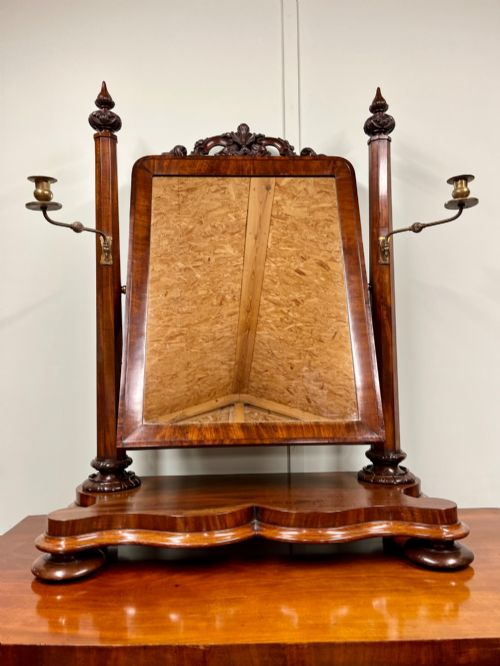
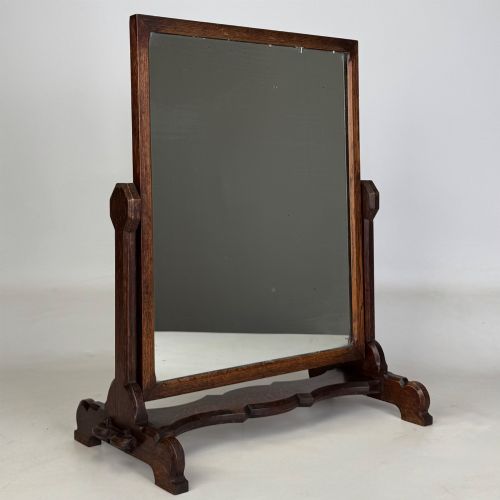
An antique toilet glass table provides a pivoting mirror above small drawers, designed to sit on a larger surface for grooming.
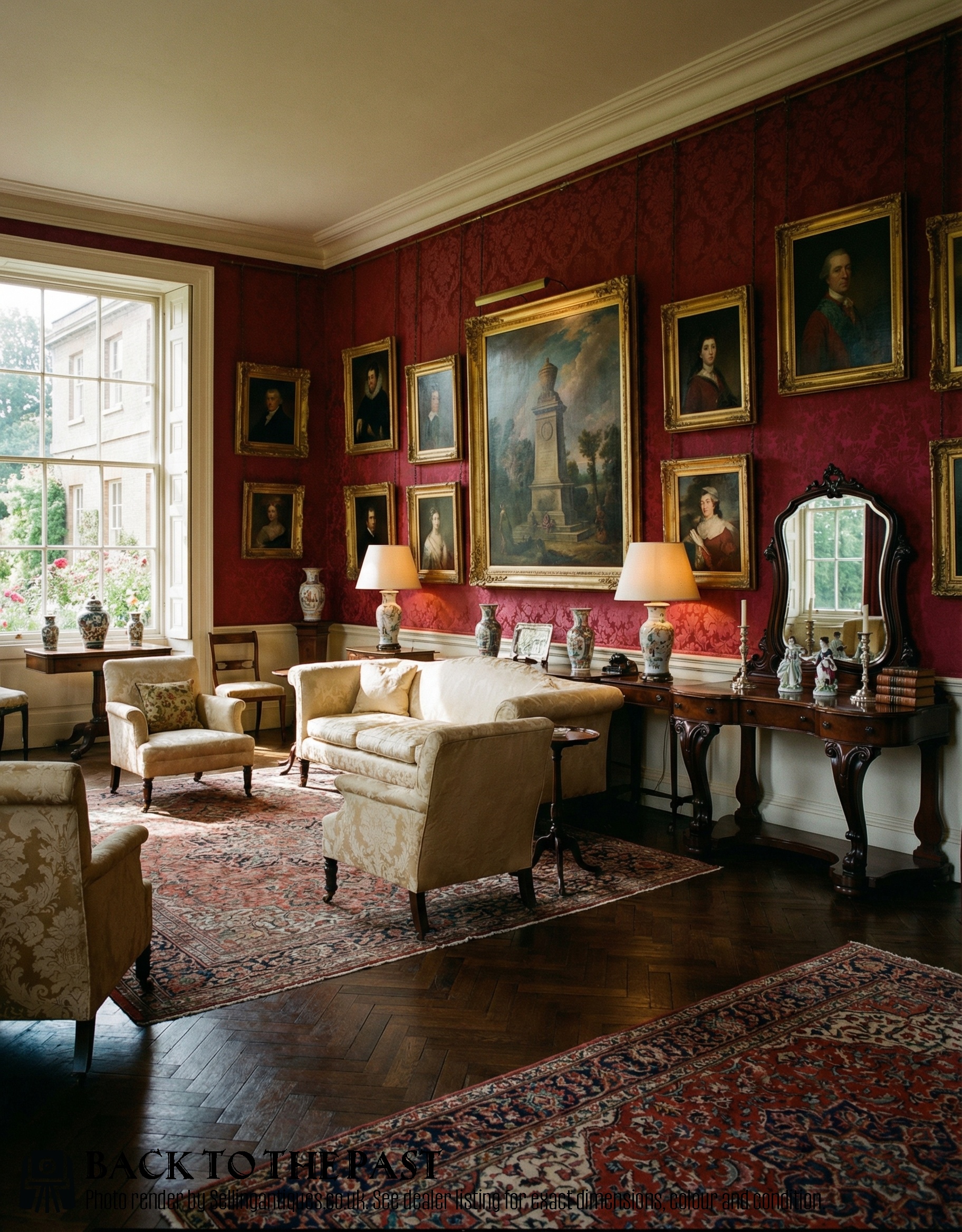
Antique Toilet Glass Table
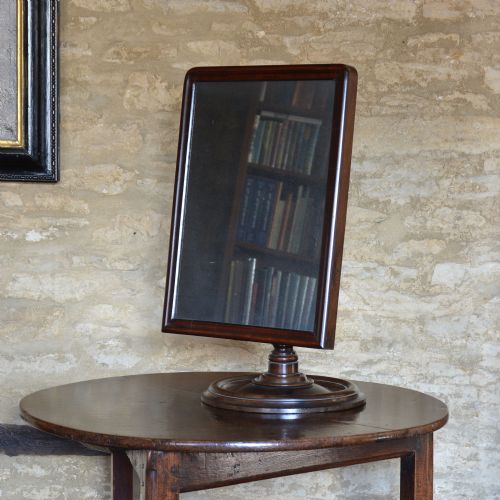
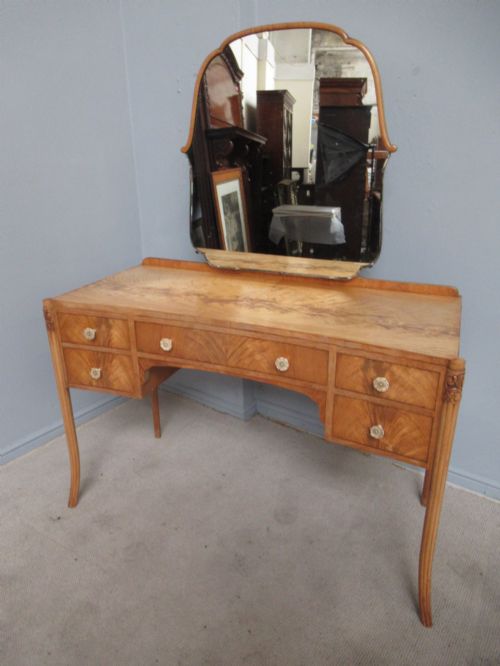
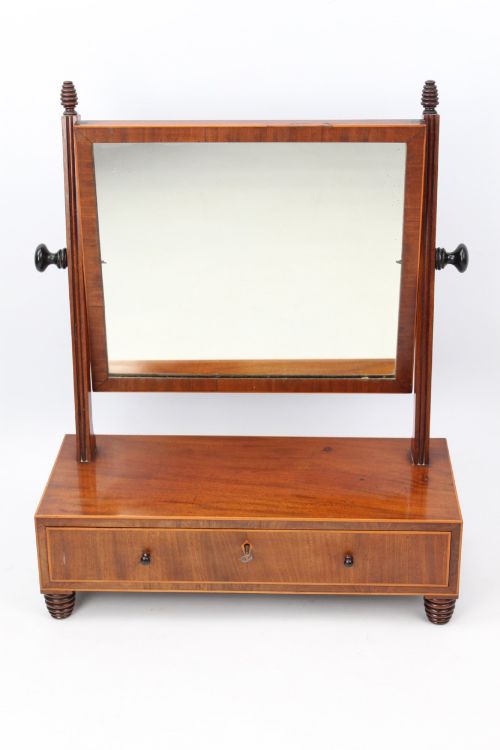
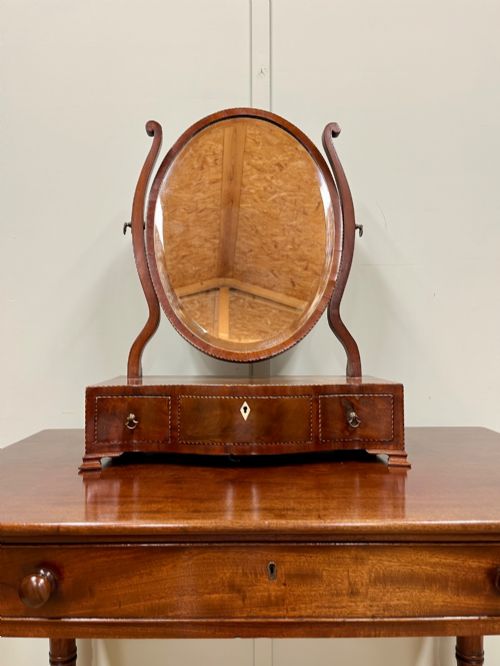
When you search for an antique toilet glass table, you encounter pieces primarily configured as dressing mirrors, swing mirrors, and table mirrors designed to sit atop a chest or table. The examples available span from the seventeenth century through the Georgian, Regency, and Victorian eras into the twentieth century, with mahogany remaining the dominant wood.
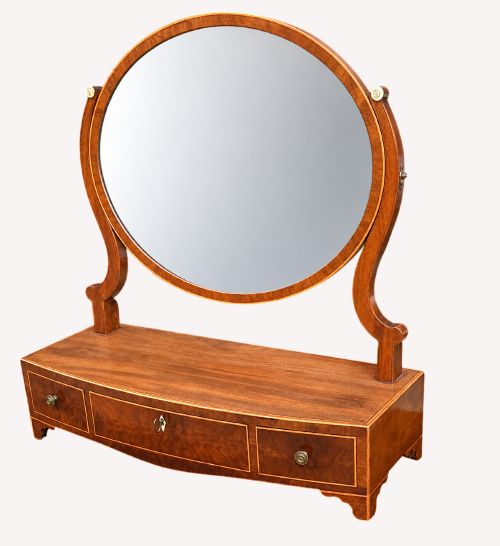
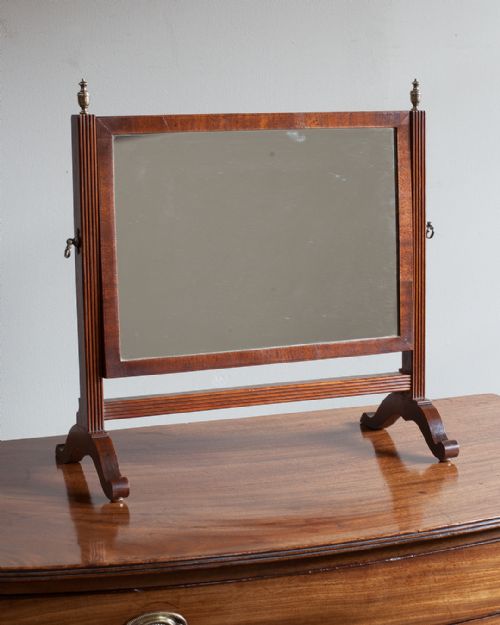
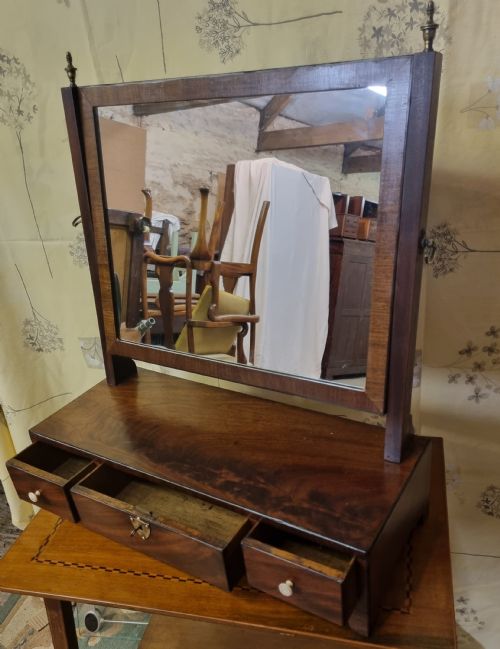
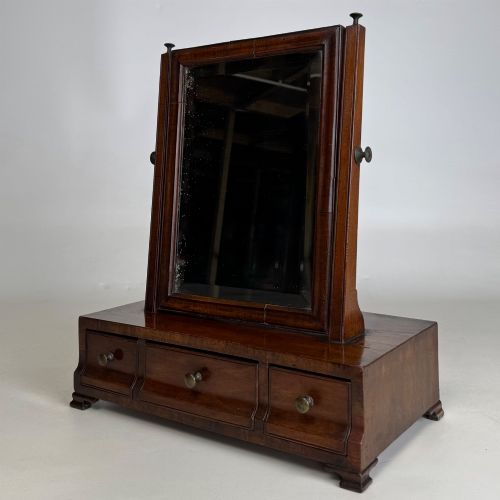
Many of these pieces feature small box bases containing one to three drawers, while others take the form of adjustable table-top cheval mirrors or simple shaving mirrors. The glass itself swings between upright arms, allowing the user to adjust the angle of reflection during daily grooming routines.
How they were made
Cabinet makers constructed the frames and box bases using timbers such as mahogany, walnut, kingwood, and oak, frequently incorporating crossbanding and boxwood stringing for surface detail. Drawer linings often utilised secondary woods, while brass was standard for pivoting screws, handles, and escutcheons.
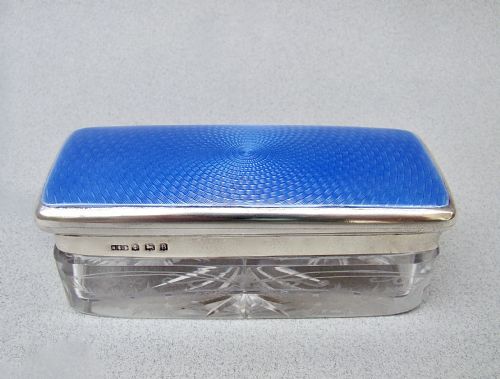
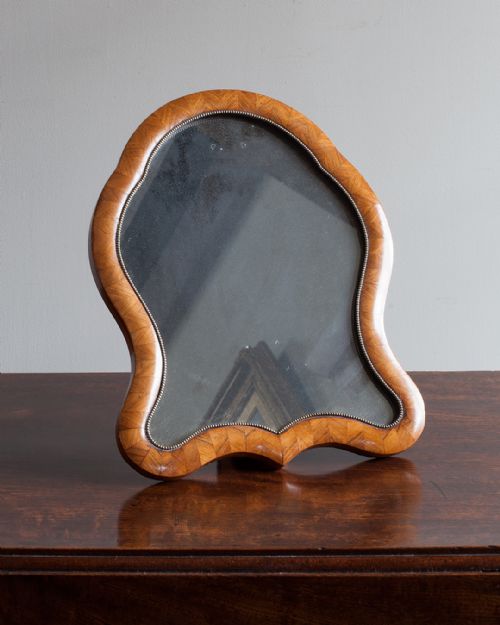
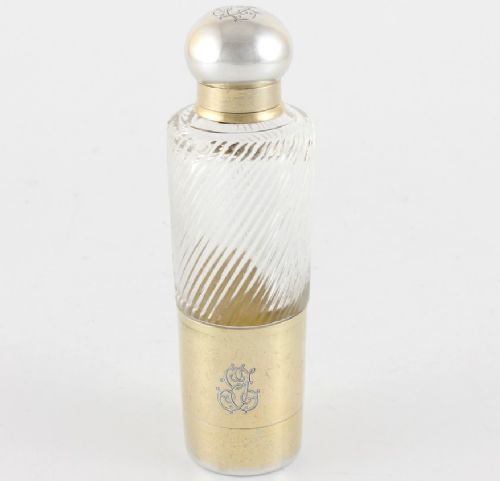
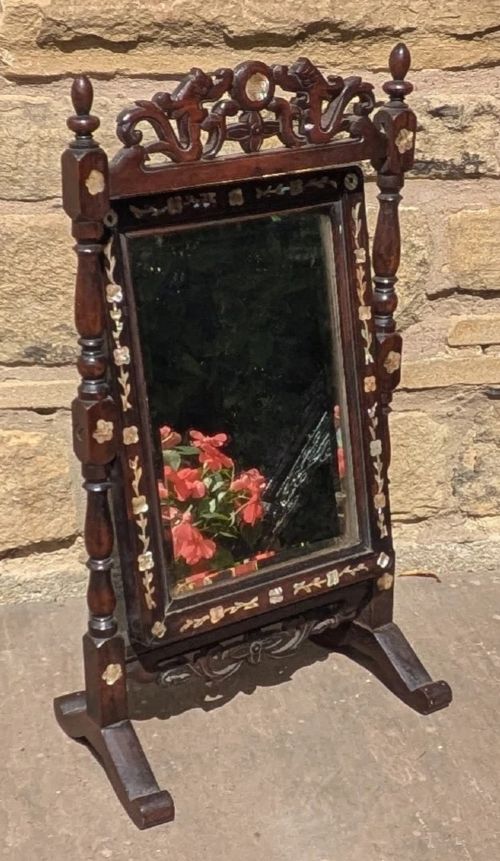
The mirror plates themselves comprise silvered mirror glass set within rebated wooden frames, sometimes accompanied by bone or mother-of-pearl inlay. Smaller associated items in the category incorporate sterling silver, cut glass, guilloché enamel, and cast bronze.
Listings span multiple eras, encompassing Georgian walnut and mahogany pieces, Regency swing mirrors, Victorian cast bronze designs, and Edwardian oak examples.
What varies in quality
The distinction between standard production and the finest work lies in the selection of figured veneers, the precision of dovetail joints on the drawer boxes, and the integrity of the original mirror plate. Superior examples display restrained proportions, such as serpentine fronts or parcel-gilt details that elevate the piece beyond a utilitarian object.
Hardware quality also dictates value, with heavy cast brass screw caps and original turning knobs indicating a higher grade of manufacture. Pieces retaining their original backing boards and undisturbed silvering on the glass command greater respect among collectors.
Henry Clifford Davis·Heal And Sons·Tonnel Paris
The Antique Toilet Glass Table Glossary
- Toilet glass
- A period term for a dressing mirror or table mirror designed to sit on a table or chest. It typically consists of an adjustable glass plate mounted on upright supports above a small drawer base.
- Swing mirror
- A mirror plate hung on pivot screws between two upright arms, allowing the glass to tilt forwards and backwards. This mechanism is central to most eighteenth and nineteenth-century dressing mirrors.
- Crossbanding
- A strip of veneer applied across the grain of the primary wood around the border of a drawer front or table top. It provides a decorative contrasting frame to the main timber.
- Parcel-gilt
- Partially gilded with gold leaf, often used to highlight carved mouldings or wooden details on Georgian mirrors. This technique adds subtle contrast against dark walnut or mahogany surfaces.
- Cheval mirror
- A full-length or large table-top mirror supported on a four-legged frame or stand. It allows the glass to swing through a full circle without the need for a supporting table base.
Antique Toilet Glass Table: Frequently Asked Questions
What is an antique toilet glass table?
An antique toilet glass table refers to a table-top dressing mirror, often equipped with a small set of drawers beneath the pivoting glass plate. These pieces were placed on top of larger furniture to assist with personal grooming.
Over the centuries, cabinet makers produced them in various timbers, predominantly mahogany and walnut, reflecting the prevailing styles from the Georgian period through the Victorian era.
How do I date a Georgian dressing mirror?
Dating a Georgian dressing mirror involves examining the construction methods of the drawer boxes, the timber choices, and the profile of the mirror frame. Early pieces often feature walnut with shaped base boxes, while later Georgian examples favour mahogany with serpentine fronts and fine crossbanding.
The mirror plates themselves, if original, show subtle imperfections and thinner glass than modern replacements, often held in place with old pine backing boards.
Where should I place a table mirror?
These mirrors suit placement on top of chests of drawers, sideboards, or dedicated writing desks where they function as practical dressing accessories. Their compact base footprints allow them to sit comfortably on standard surface depths.
Ensure the supporting furniture is stable and level, as the adjustable swing mechanism requires a firm foundation to operate smoothly.
Are the mirror plates usually original?
Many surviving pieces retain their original mirror plates, which can exhibit light foxing or grey speckling due to age. However, because glass is fragile, some examples have received replacement mirror plates over the centuries.
Examining the silvering behind the glass and the way the plate is secured into the frame helps determine whether the glass dates to the original period of manufacture.