
Antique Bedroom Vanity Desk
An antique bedroom vanity desk brings a fitted mirror and organised drawer space directly into a period sleeping quarter.
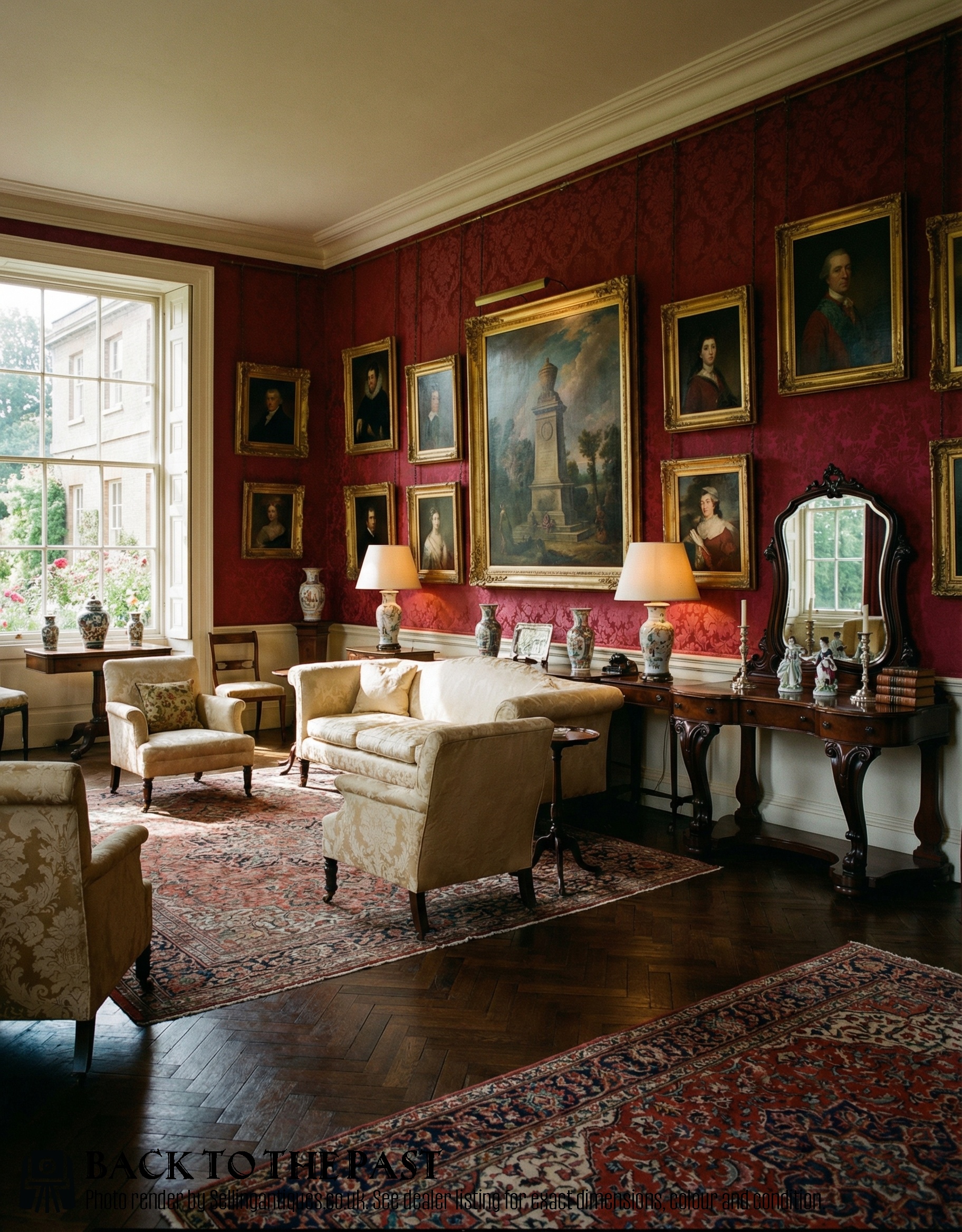
Antique Bedroom Vanity Desk
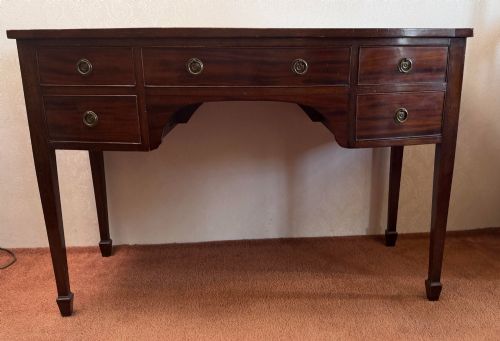
An antique bedroom vanity desk combines the surface utility of a writing table with the mirror and storage required for morning grooming. These pieces span formal Georgian forms through elaborate Victorian and Edwardian examples to streamlined Art Deco designs.
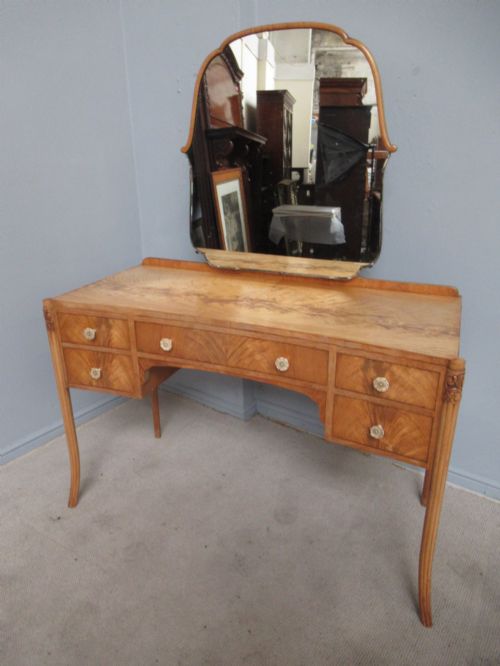
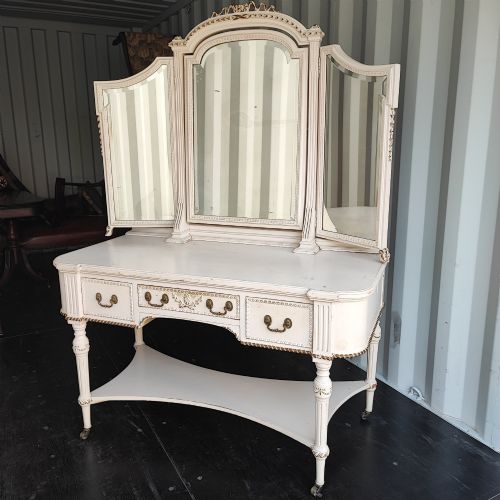
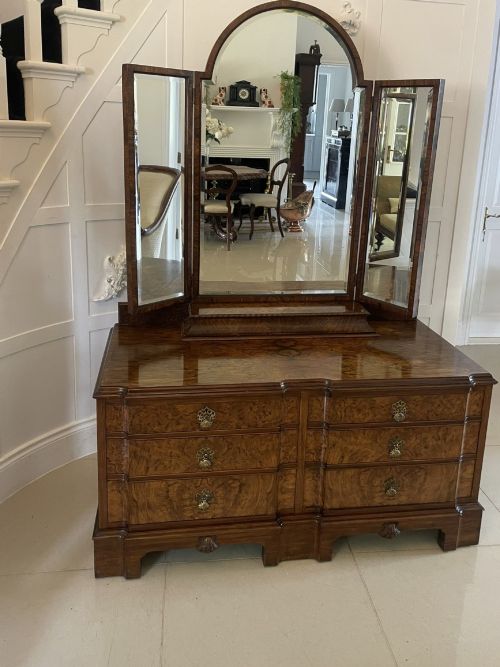
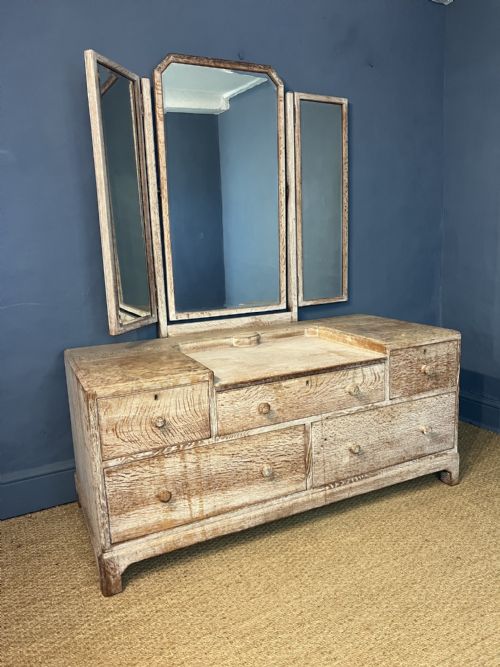
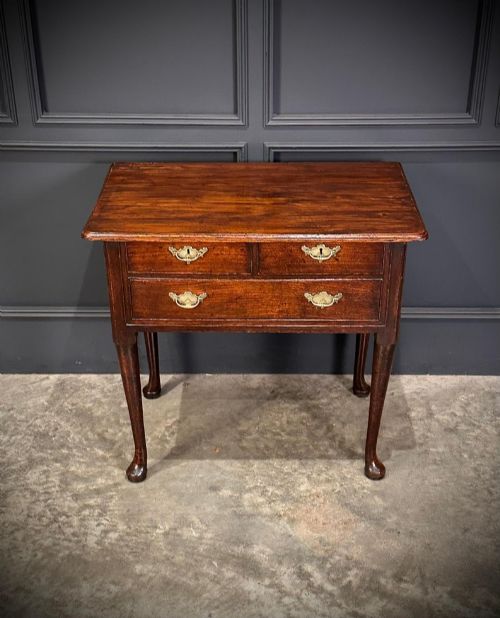
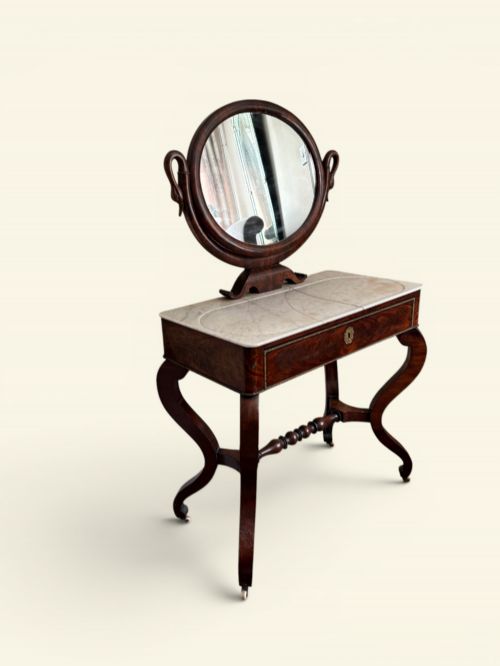
Mahogany and burr walnut dominate the pieces seen here, alongside oak, maple, and satinwood. Many retain their original pivoting mirrors or triple glass arrangements, though some function equally as lowboys or writing desks.
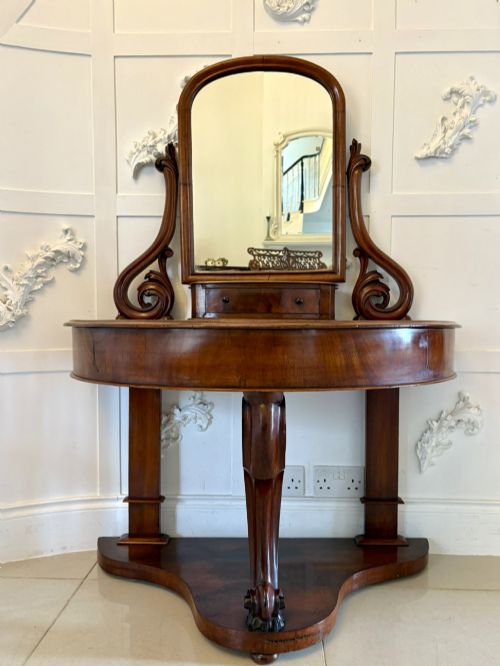
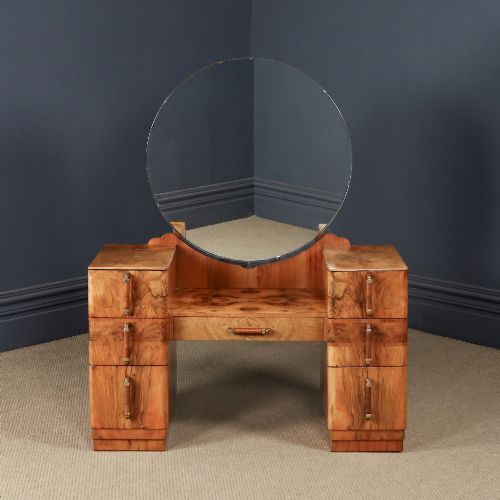
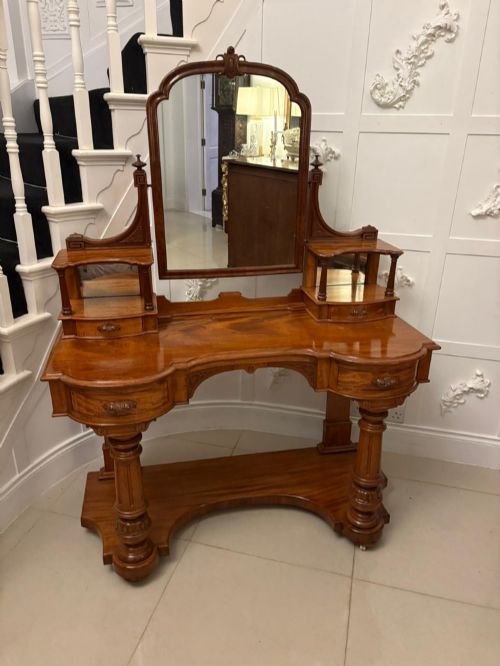
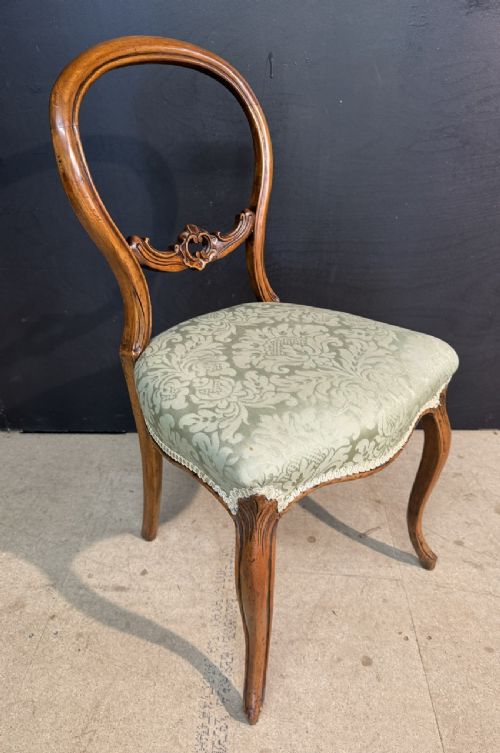
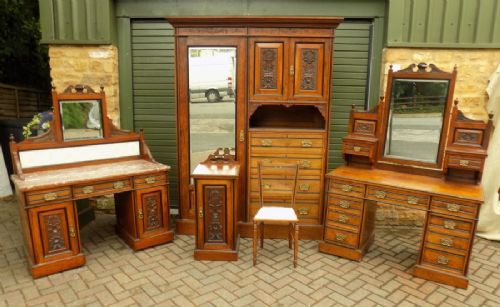
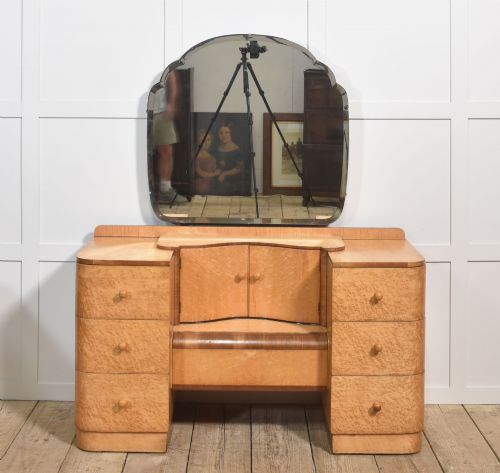
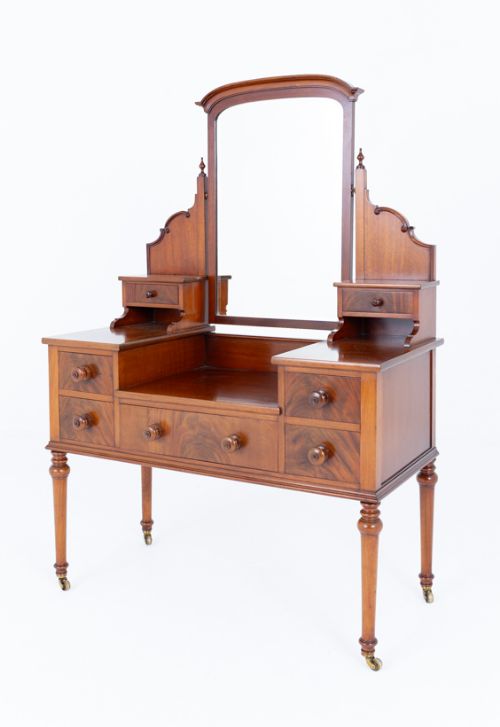
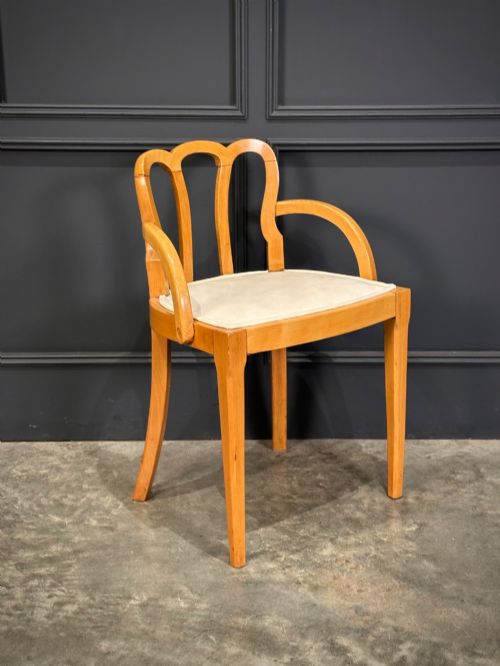
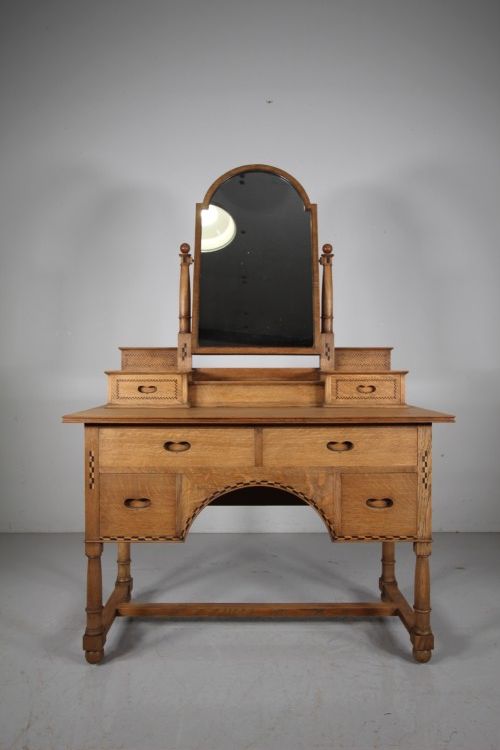
The selection ranges from heavily carved Victorian Duchess styles to minimalist Cotswold School oak and sleek 1930s pedestals. Buyers will find side chairs and dressing chests frequently paired with these tables to complete a chamber set.
Materials and construction methods
Cabinetmakers utilised solid timbers and figured veneers, applying mahogany, burr walnut, and oak over sturdy secondary woods. Marquetry inlays, carved details, and limed finishes reflect the specific stylistic demands of the Georgian, Victorian, and Arts & Crafts periods.
Glass plates were silvered and set into adjustable wooden frames, often supported by scroll arms or upright pedestals attached to the main carcase. Dovetailed drawer construction and turned cabriole legs characterise the structural integrity of these tables.
Early gentlemen's desks often hid elaborate folding mirrors and miniature compartments for private powders and wigs.
Assessing craftsmanship and finish
The selection of timber grain sets the visual standard, particularly in burr walnut and figured mahogany surfaces where book-matched veneers create symmetry across drawer fronts. Finishes range from patinated original polish to later surface treatments.
Hardware integrity, such as original brass handles, pivoting mirror fixtures, and maker labels, distinguishes standard regional production from documented workshop output. The precision of dovetailing and the retention of matching chairs or stools add to a piece's completeness.
Edwards & Roberts·Heal and Sons·Harry and Lou Epstein·Shapland and Petter·Bath Cabinet Makers
The Antique Bedroom Vanity Desk Glossary
- Duchess dressing table
- A large Victorian form featuring a central pivoting mirror flanked by smaller trinket drawers above a lower platform.
- Lowboy
- A small low table with drawers, originating in the Georgian period and frequently utilised as a precursor to the dedicated dressing table.
- Pedestal dressing table
- A design with two banks of drawers supporting the main writing surface and mirror, prominent in Victorian and Art Deco eras.
- Shield mirror
- An oval or teardrop-shaped mirror glass hung within a moveable wooden frame, common on Edwardian dressing chests.
- Marquetry
- The art of applying decorative veneer pieces in geometric or floral patterns onto the carcase of a desk.
Antique Bedroom Vanity Desk: Frequently Asked Questions
How do I date an antique dressing table?
Dating relies on combining timber choice, hardware style, and construction traits like dovetailing. Georgian pieces display simpler, linear proportions, while Victorian versions often introduce heavy carvings and burr walnut veneers.
Later Edwardian and 1930s examples shift toward lighter satinwood or streamlined Art Deco geometric forms. Maker stamps and original paper labels further confirm the exact period of production.
Where were these desks placed in the bedroom?
These tables traditionally stood near a window to capture natural light for morning routines. Larger pedestal and Duchess variants often required a central position against a primary wall.
Matching chairs or low stools slid directly beneath the central drawer arch to save space when not in use.
Can a vanity desk double as a writing table?
Many dressing tables and lowboys feature adequate knee clearance and stable flat surfaces suited for correspondence. Historic pieces like gentleman's dressing desks were specifically engineered for dual writing and grooming use.
Users should verify drawer depth and leg clearance before committing a dressing table to daily desk work.
What is the difference between a dressing chest and a dressing table?
A dressing chest integrates a larger chest of drawers directly beneath the mirror assembly, offering substantial enclosed storage. A dressing table typically stands on four legs with a lighter frame and fewer drawers.
Both forms accommodate pivoting mirrors, but dressing chests lean toward heavy bedroom storage while tables prioritise open knee space.