
Antique Toilet Glass Mirror
An antique toilet glass mirror offers both a practical dressing glass and a refined period accent for a chest or table.
Antique Toilet Glass Mirror
When you search for an antique toilet glass mirror, you encounter pieces designed to sit upon a dressing table, chest or desk for personal grooming and reflection.
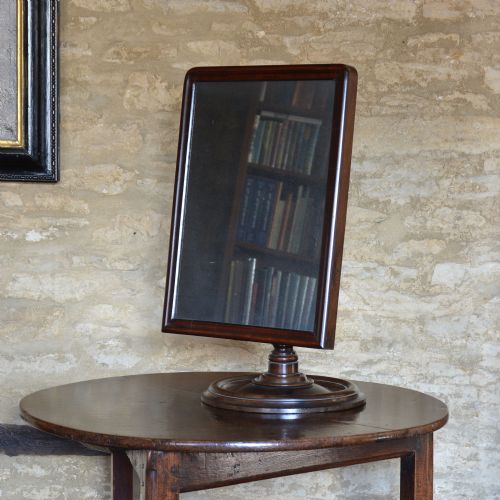
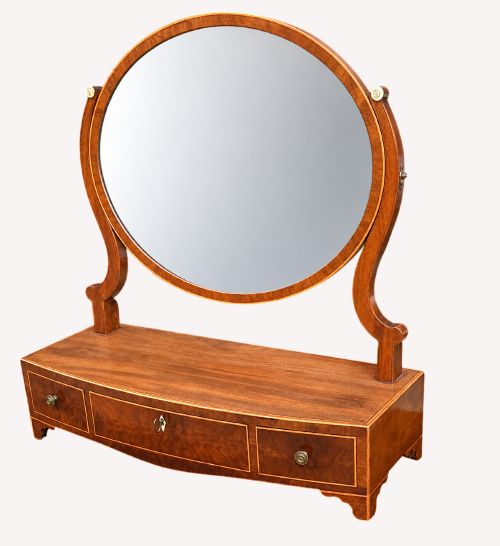
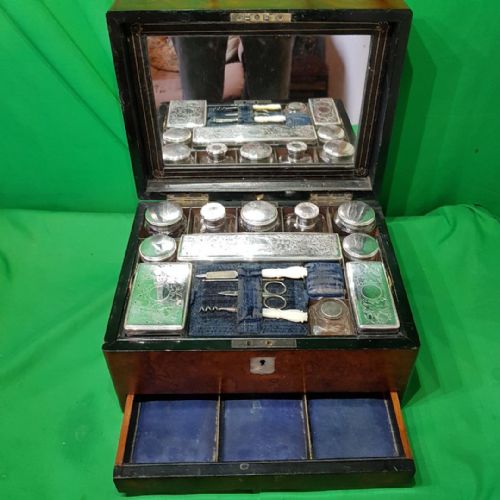
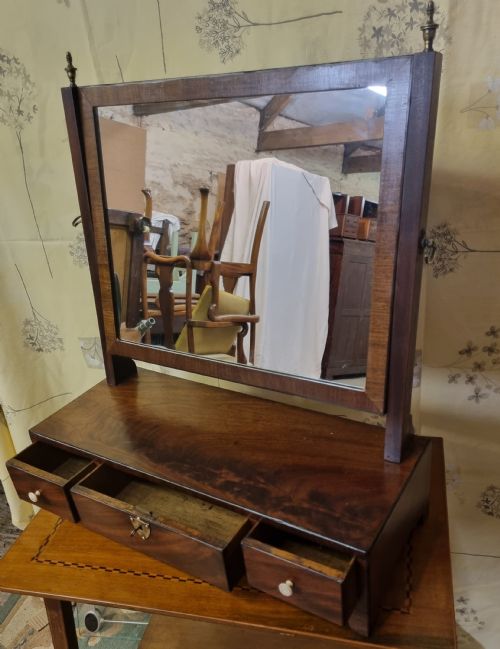
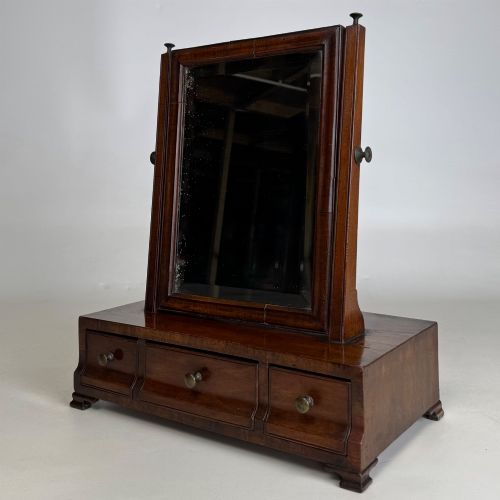
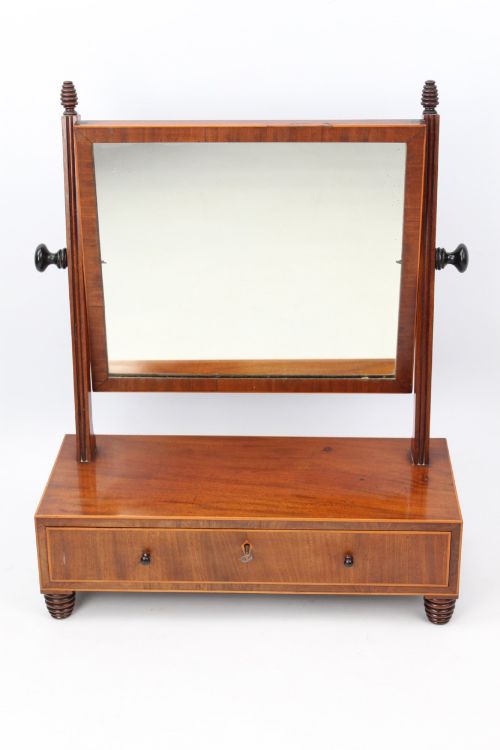
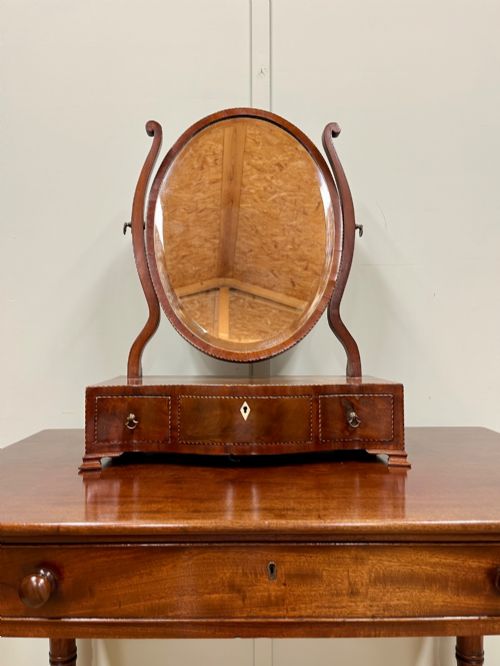
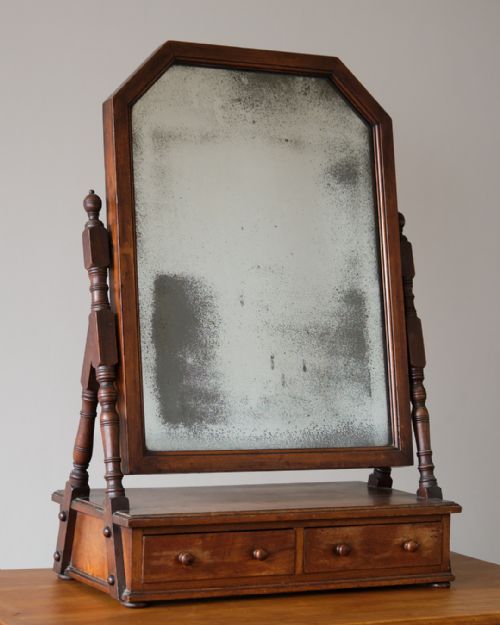
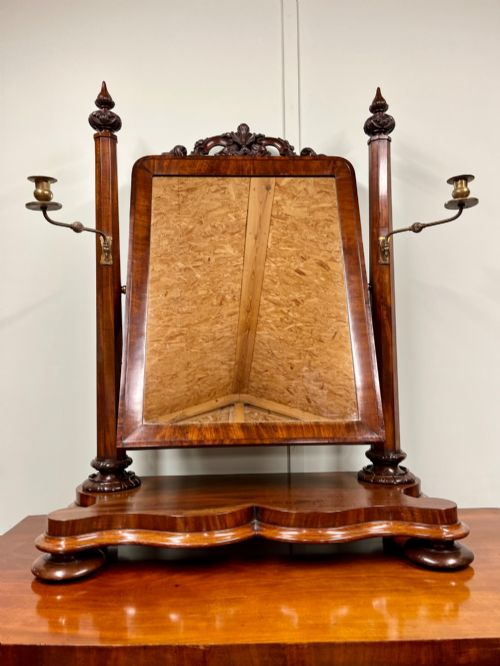
The most common examples on this page are mahogany swing mirrors from the Georgian and Victorian periods, often featuring small drawer bases or boxes beneath the frame.
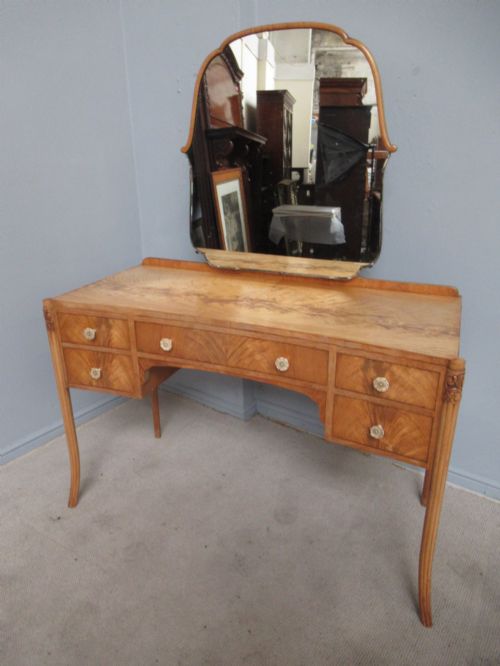
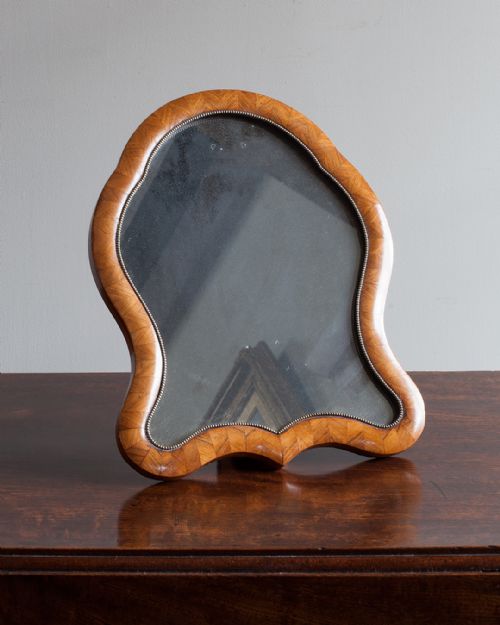
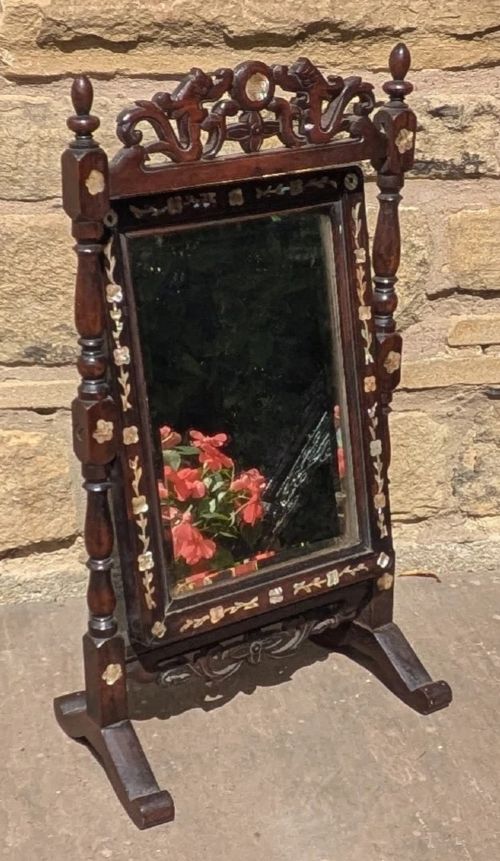
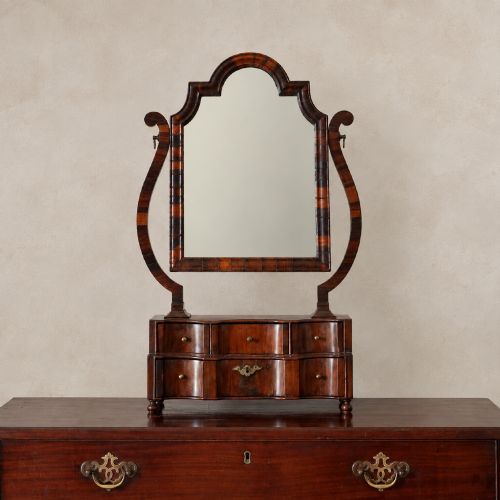
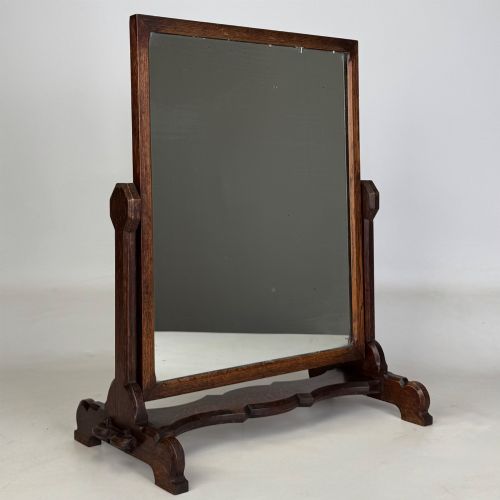
Other variations range from early walnut and marquetry examples to Regency and Edwardian styles, including compact table models and larger adjustable cheval designs.
Materials and construction methods
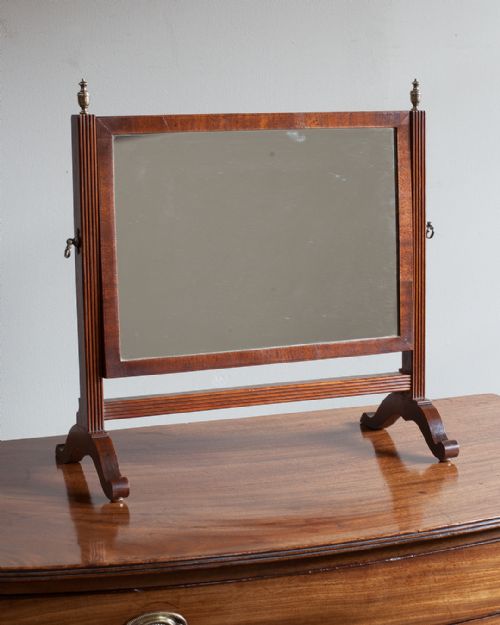
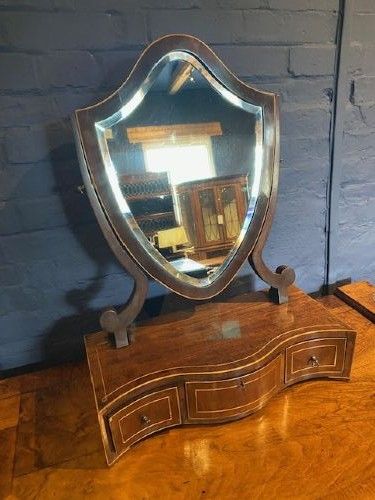
Cabinet makers constructed these mirrors primarily in solid timbers and veneers such as mahogany, walnut, oak and satinwood, frequently enhanced with boxwood inlay, crossbanding or brass mounts.
The glass plate sits within a pivoting swing frame attached to upright arms, allowing the user to adjust the angle of reflection manually.
Many bases incorporate functional compartments, including serpentine or straight drawer configurations, jewellery boxes and bureau fitments.
The documented forms range from simple swing frames and shaving mirrors to elaborate dressing chests and bureau fitments.
Distinguishing quality in period mirrors
Quality rests heavily on the selection of timber figures, such as figured walnut, pale mahogany or rich marquetry, alongside the crispness of any inlay and crossbanding.
Construction details distinguish superior workshops, seen in the refined dovetailing of the base drawers, the stability of the upright supports and the original hardware.
The presence of the original mirror glass plate adds considerable merit to a piece, as many period mirrors have undergone plate replacement over the centuries.
Heal & Sons
The Antique Toilet Glass Mirror Glossary
- Toilet glass mirror
- A portable mirror designed to stand on a dressing chest or table for personal grooming. These items typically feature a pivoting frame mounted on a small drawer base.
- Swing mirror
- A glass plate hung on pivots between two upright posts that allows the user to tilt the angle. This mechanism is central to most table-top dressing mirrors.
- Crossbanding
- A decorative border of veneer laid with the grain running perpendicular to the surrounding wood. It frames the edges of drawer fronts and mirror surrounds on finer pieces.
- Marquetry
- Elaborate decorative inlay using various coloured woods and veneers to create pictorial or geometric patterns. It appears on Dutch walnut examples.
- Cheval mirror
- A full-length freestanding mirror on a frame that permits the whole glass to swing. Table-top versions also exist in Edwardian and export styles.
Antique Toilet Glass Mirror: Frequently Asked Questions
What is an antique toilet glass mirror?
An antique toilet glass mirror is a small, portable dressing mirror designed to sit on top of a table, chest of drawers, or vanity.
They usually feature a swinging plate held by two upright arms, often mounted on a base containing small drawers for storage.
How were these mirrors used historically?
People used them in bedrooms and dressing rooms for personal grooming, shaving, and applying cosmetics before built-in wall mirrors became standard.
The small drawers beneath the glass provided secure storage for jewellery, trinkets, and grooming accessories.
How do I date a Georgian mirror?
Dating a Georgian mirror involves examining the timber species, cabinet-making techniques, drawer dovetailing, and the overall proportions of the frame.
Early pieces often utilise walnut or parcel-gilt mahogany, while later Georgian and Regency examples favour figured mahogany with refined inlay.
Are the mirror plates usually original?
Many antique mirrors retain their original glass plates, which often display subtle age spots, slight distortion, or foxing.
However, because glass is fragile, some pieces have replacement mirror plates fitted during later restorations.
Where should I place a table mirror?
These mirrors work well placed upon a chest of drawers, sideboard, or dressing table in a bedroom or hallway.
Their compact size allows them to sit securely on flat furniture surfaces while adding a functional reflective element to the room.