

Antique Wooden Dressing Glass
An antique wooden dressing glass brings a reflective elegance to a room, offering both practical utility and period craftsmanship.
Antique Wooden Dressing Glass
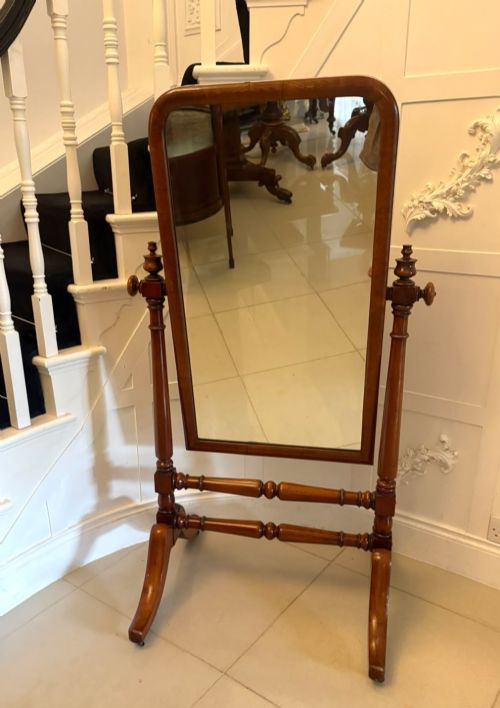
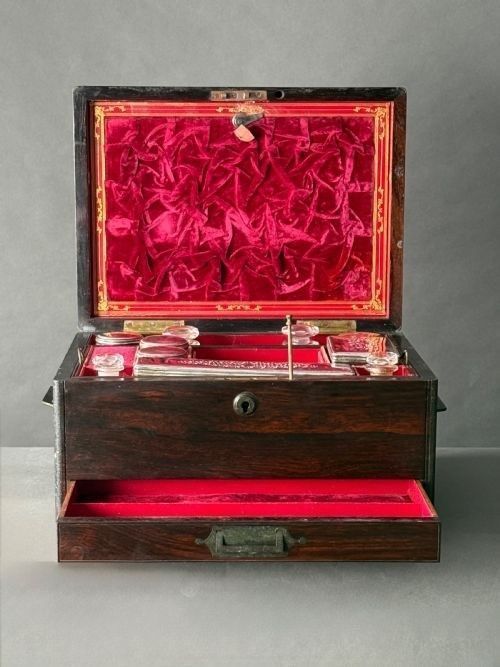
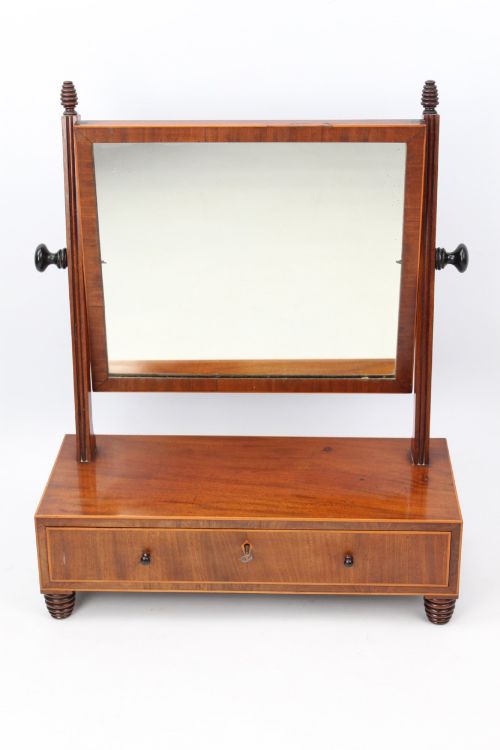
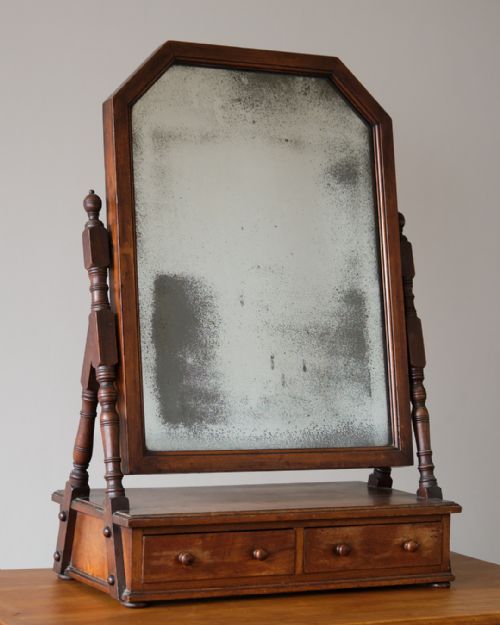
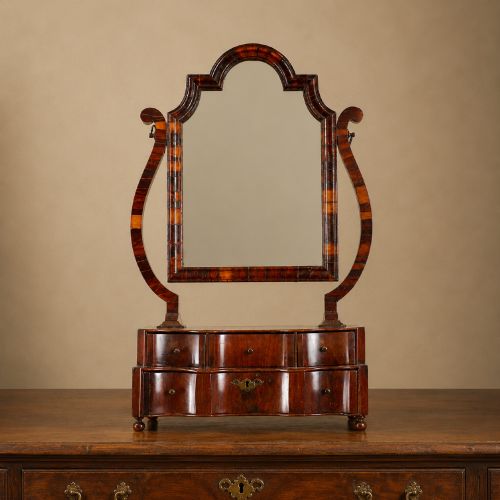
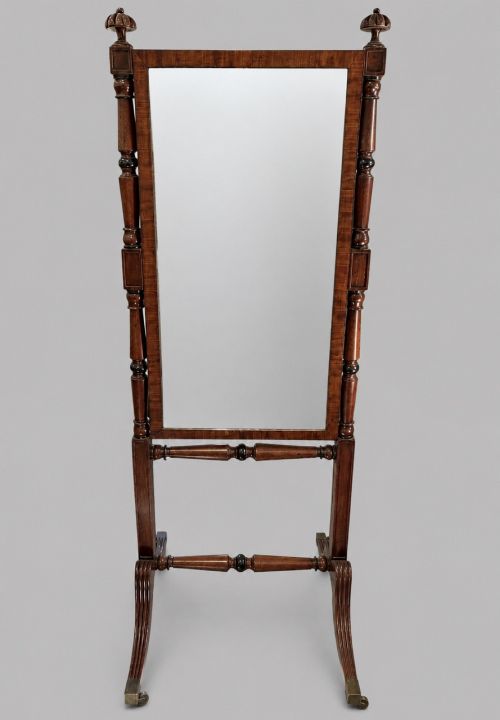
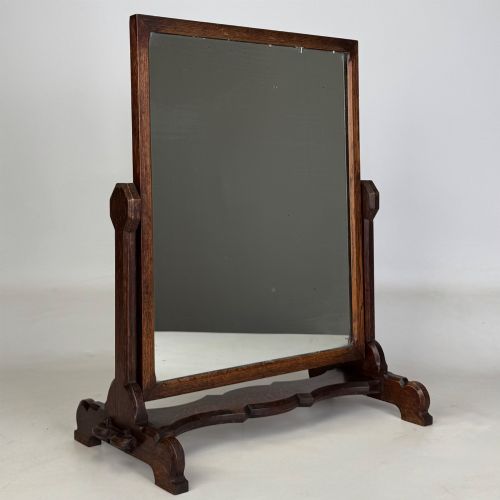
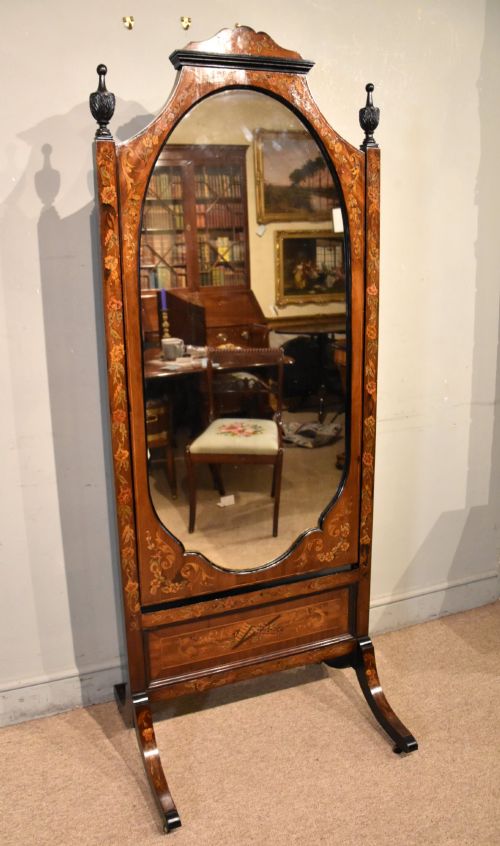
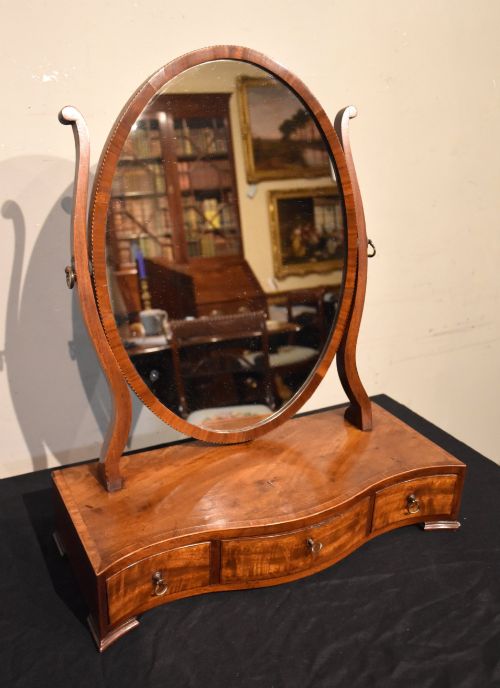
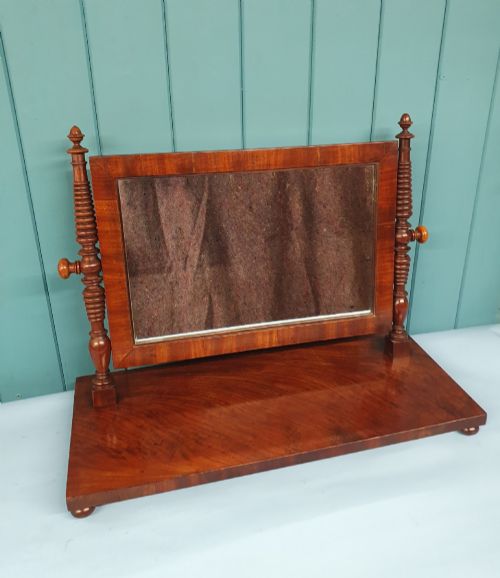
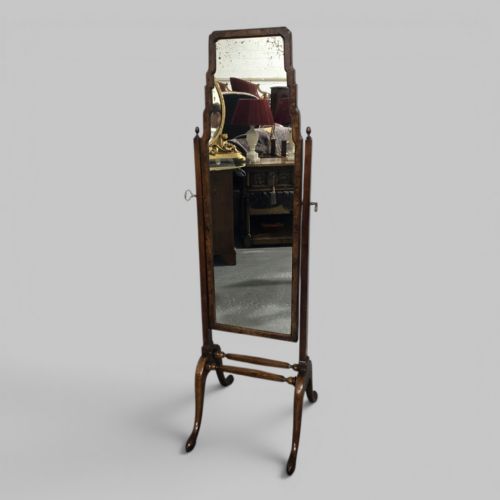
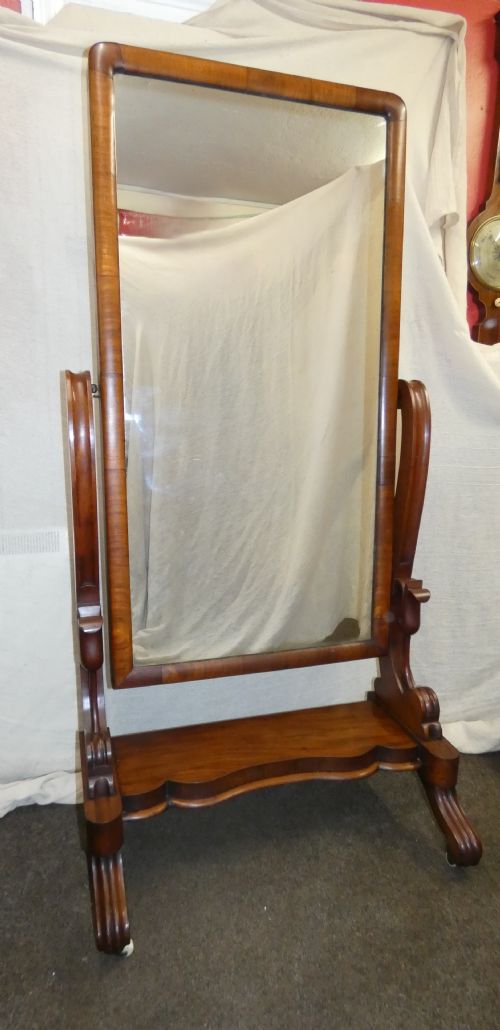
An antique wooden dressing glass is a tabletop or freestanding mirror designed for grooming and personal use, traditionally placed upon a chest of drawers or a vanity table. When searching for an antique wooden dressing glass, buyers encounter various forms including swing toilets mirrors, box mirrors with small drawers, and larger freestanding cheval mirrors. These pieces date across several eras, with Victorian and Georgian examples appearing most frequently alongside Regency and Edwardian variations.
The materials utilised in these mirrors reflect the cabinet-making traditions of their respective centuries, relying predominantly on dense tropical hardwoods and indigenous timbers. Mahogany and walnut dominate the selection, often complemented by secondary woods such as oak and burr elm, while rosewood and coromandel appear in smaller vanity pieces and boxes. Glass plates are housed within pivoting frames, allowing the user to adjust the angle of reflection.
How they were made
Cabinetmakers constructed the frames and stands of these dressing glasses using traditional joinery techniques, frequently employing dovetail joints for the small drawer bases found in toilet mirror boxes. Timber veneers, particularly mahogany and walnut, were applied to solid foundational carcases, sometimes accented with decorative stringing, marquetry, or mother-of-pearl inlay.
Mirrors from the Georgian and Victorian periods relied on hand-silvered glass or early float glass techniques, secured into rebated frames with wooden slip pins. Brass hardware, including swing screw knobs, candle sconces, and delicate bracket feet, functioned both as structural support and decorative embellishment.
Some Victorian dressing glasses include hidden compartments inside their tiny base drawers for stashing midnight sweets or secret love letters.
What varies in quality
The distinction between standard examples and superior pieces rests largely on the choice of timber figure, the crispness of the cabinetwork, and the originality of the components. Fine grain matching in walnut or flame mahogany elevates a piece, as does the presence of well-proportioned serpentine drawer fronts and original brass pivoting hardware.
Proportion and stability dictate the merit of freestanding cheval mirrors, where slender uprights must support heavy glass frames without excessive wobble. The survival of the original mirror plate, even with appropriate age foxing, holds greater weight among collectors than a replaced modern glass.
Heal And Sons
The Antique Wooden Dressing Glass Glossary
- Cheval mirror
- A full-length floor-standing mirror mounted on a vertical frame with pivoting side supports. It allows the viewer to see their entire outfit.
- Toilet mirror
- A smaller tabletop dressing glass, frequently set upon a small base containing one or more small drawers. These were designed for placement on a chest or dressing table.
- Swing mirror
- A mirror plate hung on horizontal pivots between two upright posts, enabling the user to tilt the glass. This mechanism is central to most dressing glasses.
- Serpentine front
- A furniture front curved in a concave-convex-concave shape, commonly seen on the base drawers of Georgian dressing mirrors. It requires high skill from the cabinetmaker.
- Veneer
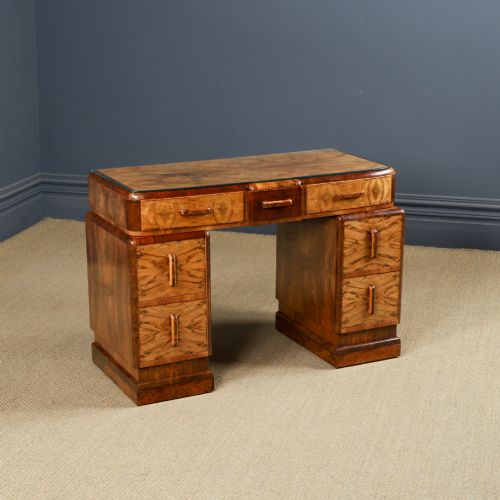
- A thin layer of finely figured wood applied to a secondary timber carcase to provide an ornamental surface. Walnut and mahogany veneers are typical of the period.
Antique Wooden Dressing Glass: Frequently Asked Questions
Are the mirror plates usually original?
Many surviving dressing glasses retain their original mirror plates, which often display light foxing, minor speckling, or distortion consistent with age.
Because mirror glass is fragile, some pieces have had their plates replaced over the centuries with clearer modern glass.
How do I date an antique dressing glass?
Dating relies on observing the secondary woods, the style of the feet, the joinery methods used in the drawers, and the overall aesthetic of the frame.
Georgian pieces often feature fine bracket feet and cockbeaded drawer edges, while Victorian examples frequently showcase heavier proportions and turnings.
Where should I place a dressing glass in my home?
These mirrors function well on top of antique sideboards, chests of drawers, or dedicated dressing tables where the height allows for comfortable daily use.
Freestanding cheval mirrors suit bedrooms or dressing rooms, positioned near a natural light source to maximise reflection.