



Antique Table Mirror Drawers
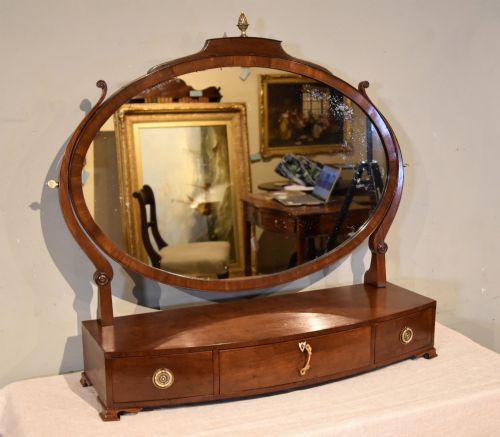
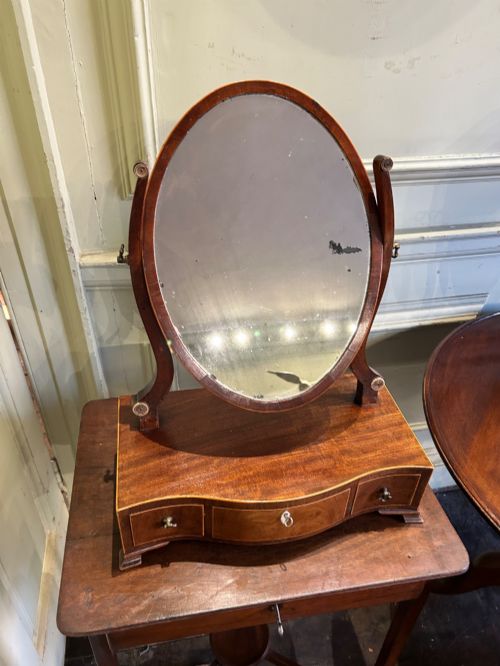
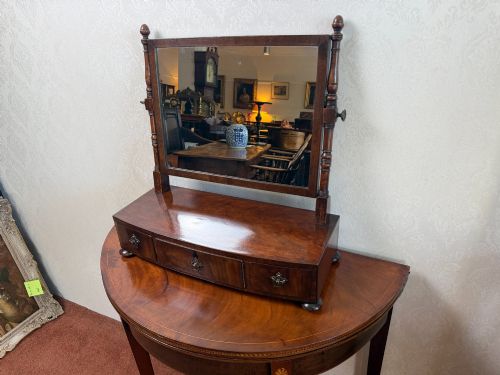
When you search for antique table mirror drawers, you find compact pieces designed for personal grooming that combine a swivelling glass with a small storage base.
Antique Table Mirror Drawers
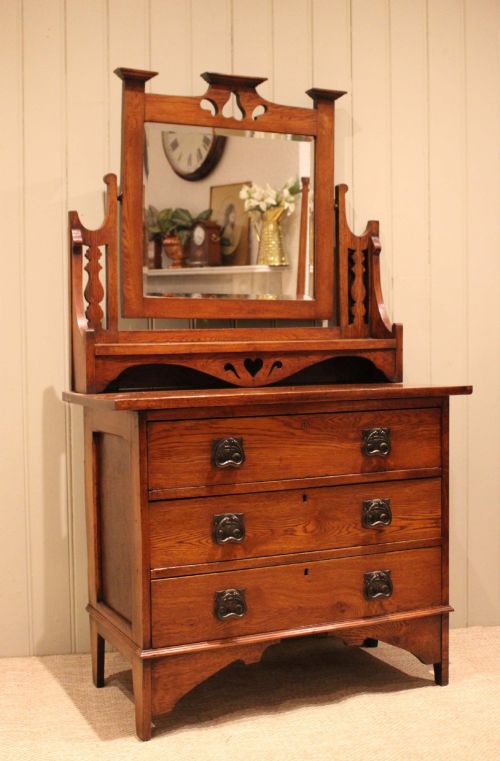
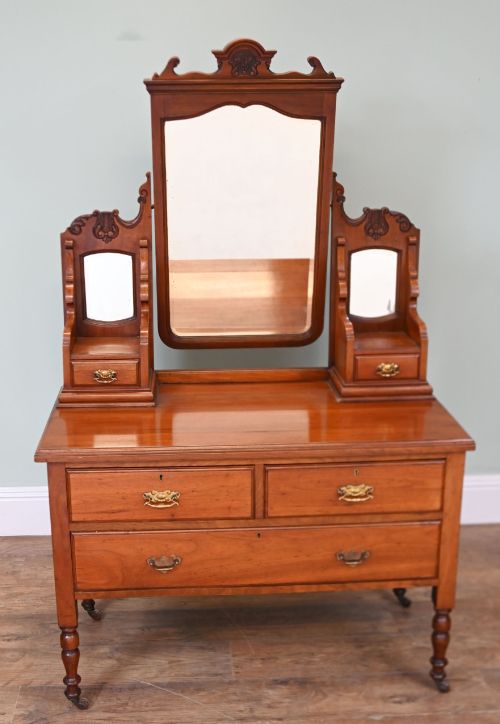
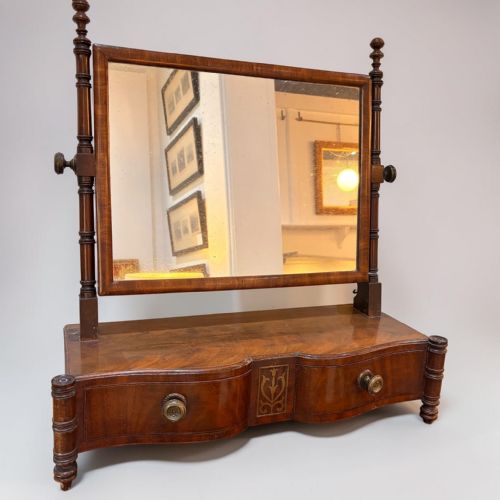
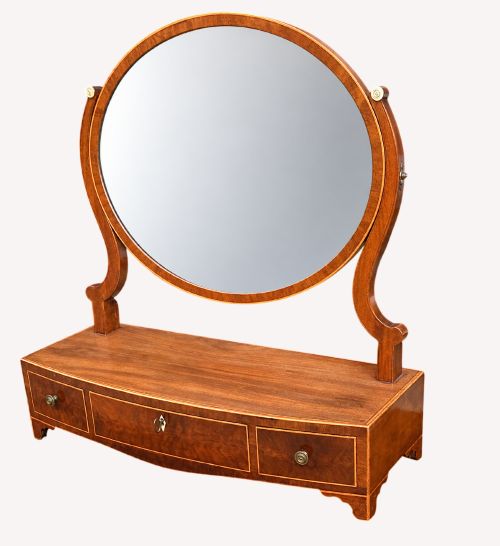
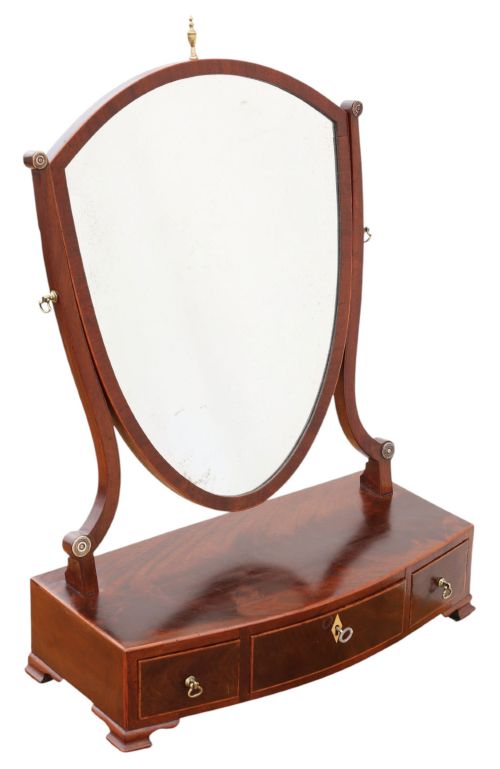
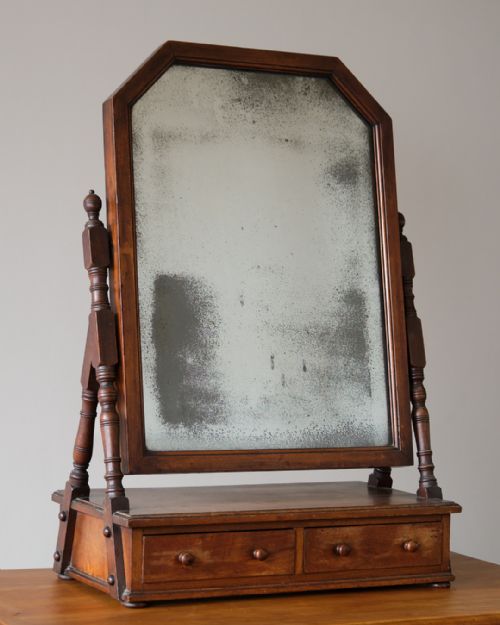
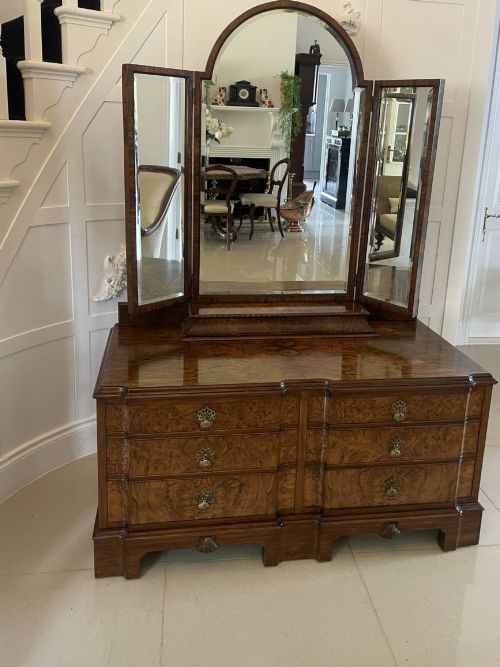
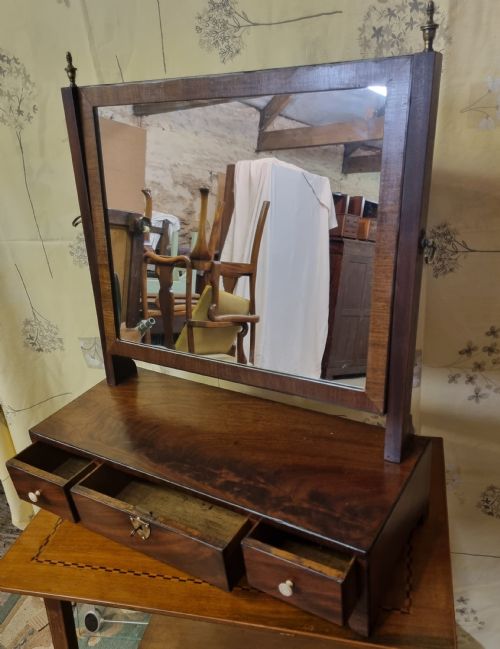
When searching for antique table mirror drawers, you encounter pieces that go by several historical names, including toilet mirrors, dressing mirrors, and swing mirrors. These items sit upon a chest or dressing table, providing a reflective surface supported by an upright frame above a box base containing small drawers.
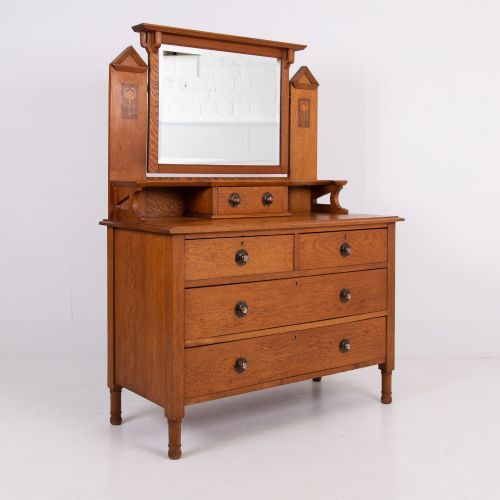
The pieces on this page span the 18th, 19th, and early 20th centuries, covering periods from Queen Anne and George II through to the Regency, Victorian, and Edwardian eras. Mahogany and walnut examples dominate the selection, often taking rectangular, shield, or oval forms framed in timber.
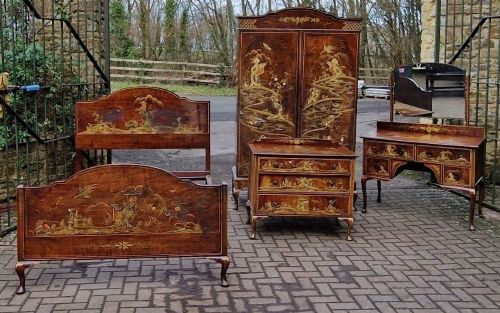
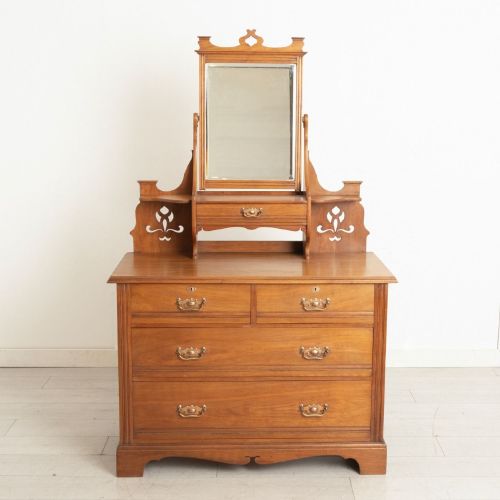
Makers and workshops of various scales produced these items, from simple pine and oak versions to elaborate crossbanded, inlaid, or parcel-gilt designs. While many function as standalone tabletop items, some appear integrated into larger dressing chests or bedroom suites.
How they were made
Cabinetmakers constructed these frames principally from dense hardwoods like mahogany and walnut, frequently applying veneers such as burr walnut, laburnum, or marquetry to the surfaces. Secondary timbers like oak or pine often form the internal drawer linings and backboards.
The pivoting mechanism relies on brass screw pins or side arms fitted into the upright posts, allowing the glass plate to tilt at different angles. Drawers utilise traditional joinery such as dovetails, fitted neatly into the base box or the serpentine and bureau fitments below the mirror.
Antique Table Mirror Drawers Retail Price Guide 2026
Typical asking prices for table mirror drawers among the pieces listed under this phrase on Sellingantiques today, from the lower quarter to the upper quarter. They describe what is for sale here now, not the wider market.
Some miniature apprentice pieces include fully functioning tiny drawers designed to hold nothing more than a whisper and a pin.
What varies in quality
The calibre of timber selection and veneer patterning establishes the visual weight of a piece, with highly figured burr walnut, crossbanding, or Dutch marquetry sitting above plain painted pine or standard mahogany. Finer examples display meticulous attention to grain alignment across the drawer fronts and mirror frame.
Hardware details separate standard workshop production from superior items, particularly the weight and chasing of the brass pivoting knobs, escutcheons, and drawer pulls. The subtlety of the carving, such as parcel-gilt enrichments or shaped serpentine bases, indicates the skill invested by the original maker.
Heal & Sons·George Walton·Shapland and Petter·Maple & Co.
The Antique Table Mirror Drawers Glossary
- Toilet mirror
- A small mirror designed to stand on a dressing table or chest, typically fitted with a set of base drawers. These items gained popularity in the late 17th century and remained essential bedroom furniture through the Georgian and Victorian periods.
- Shield mirror
- A dressing glass cut into the shape of a heraldic shield, held within a matching wooden frame. This silhouette became particularly fashionable during the second half of the 18th century.
- Crossbanding
- A strip of veneer applied to the borders of a wooden surface so that the grain runs at right angles to the central panel. Cabinetmakers used this technique to frame drawer fronts and mirror surrounds.
- Parcel-gilt
- Partially gilded woodwork where thin gold leaf highlights specific carved details, mouldings, or motifs against a dark wood ground. This finish appears frequently on high-status 18th-century mirrors.
- Bureau fitment
- A small desk interior incorporated into the base box of a mirror, featuring pigeonholes and small compartments behind a sloping fall-front or drawer.
Antique Table Mirror Drawers: Frequently Asked Questions
What is the difference between a toilet mirror and a dressing mirror?
Historical terminology often uses toilet mirror and dressing mirror interchangeably for these tabletop pieces. Both describe a swivelling glass mounted on a box base containing drawers.
Over different decades, makers adjusted the proportions and terminology, but the fundamental function remained a portable glass for personal grooming and dressing.
How do I date a mahogany table mirror?
Dating relies on examining the timber species, framing outline, and construction methods of the base drawers. Earlier 18th-century examples often feature walnut with shaped bases, while later Georgian pieces favour mahogany in rectangular or shield formats.
Brass hardware types and internal secondary woods like oak also help narrow down the period of manufacture.
Are the mirror plates original?
Many surviving pieces have replacement mirror glass due to the fragility and silvering degradation of original plates over centuries. Silvering loss, minor foxing, or flat-drawn glass characteristics often indicate age.
Replacement glass is common and accepted in functional antique furniture as long as the frame and base remain undisturbed.
Where should I place a table mirror in a room?
These mirrors require a stable surface such as a chest of drawers, sideboard, or dedicated dressing table. Their compact footprint allows them to sit comfortably on bedroom furniture or living space consoles.
Positioning them near a natural light source maximises their reflective quality and utility for daily use.