


Antique Tin Glazed Delft
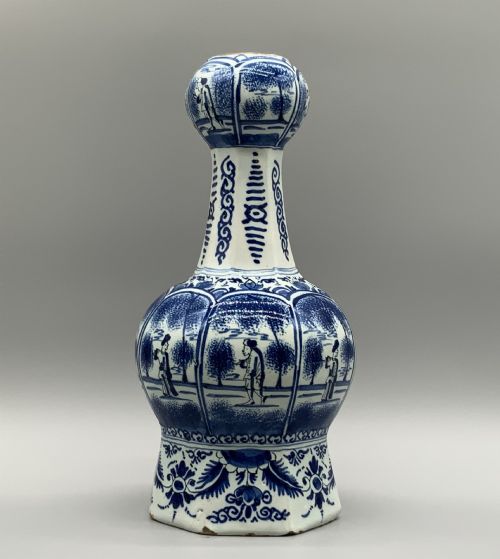
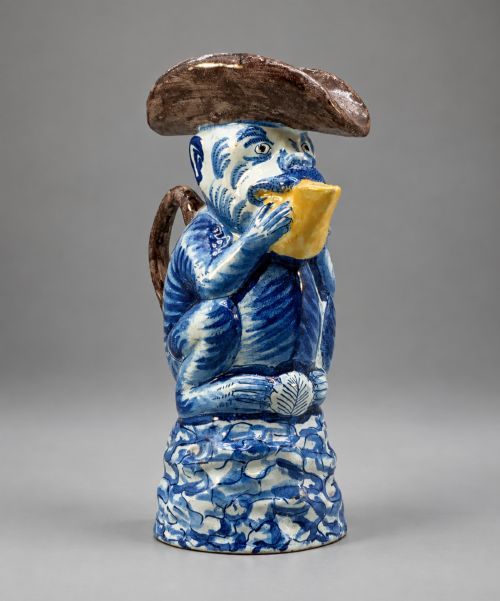
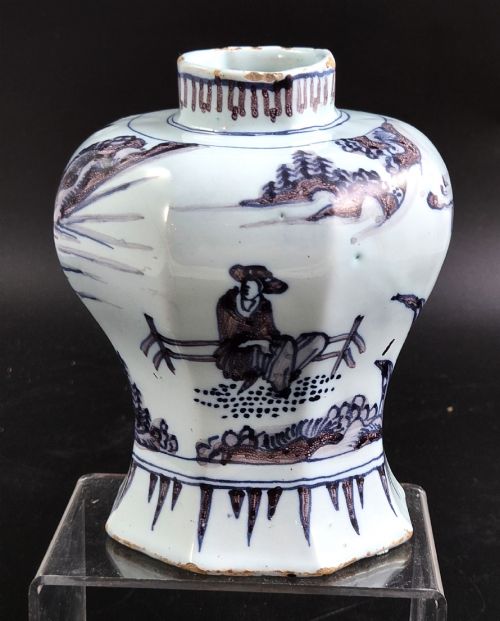
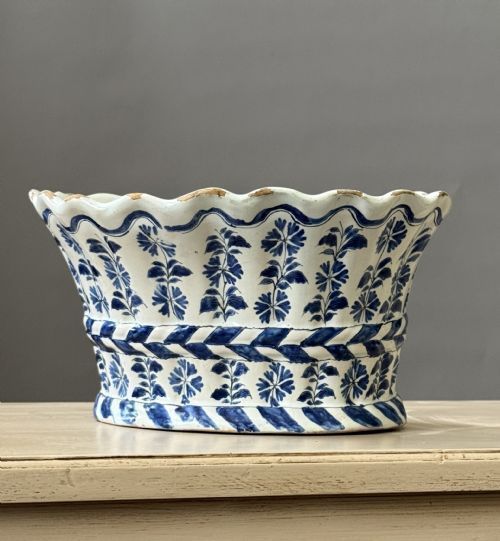
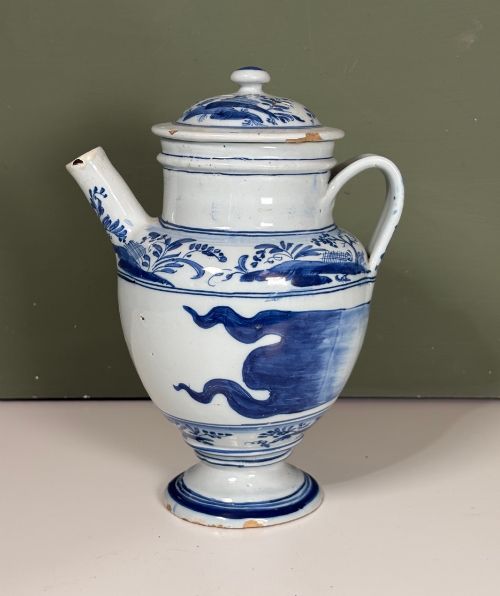
Antique tin glazed delft brings together earthenware vessels, chargers, and tiles painted in blue, manganese, and polychrome pigments across centuries of European production.
Antique Tin Glazed Delft
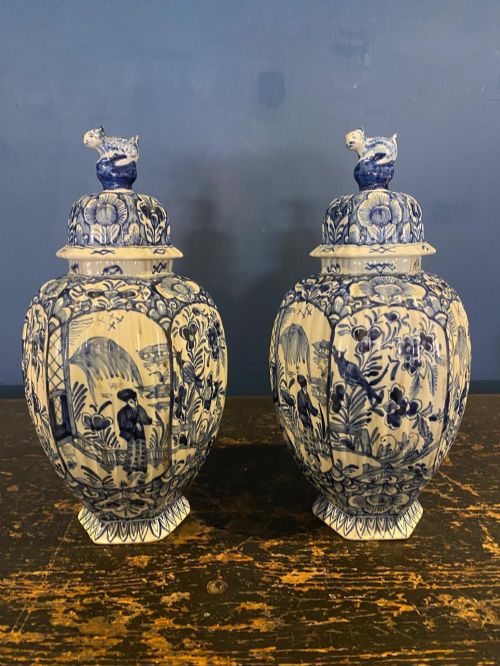
When searching for antique tin glazed delft, buyers encounter earthenware bodies covered in an opaque white glaze that provides a smooth ground for painted decoration. The selection spans utilitarian forms and ornamental display pieces originating from Dutch, English, French, and Spanish workshops.
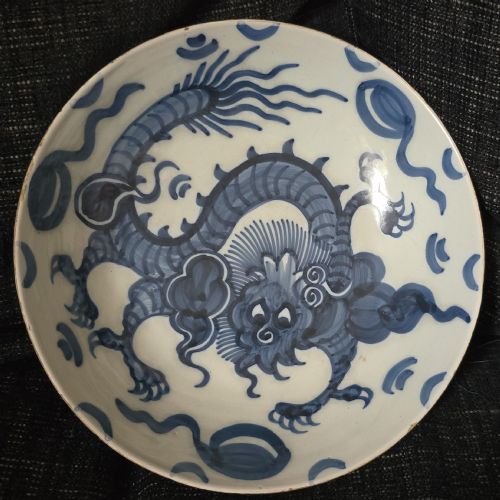
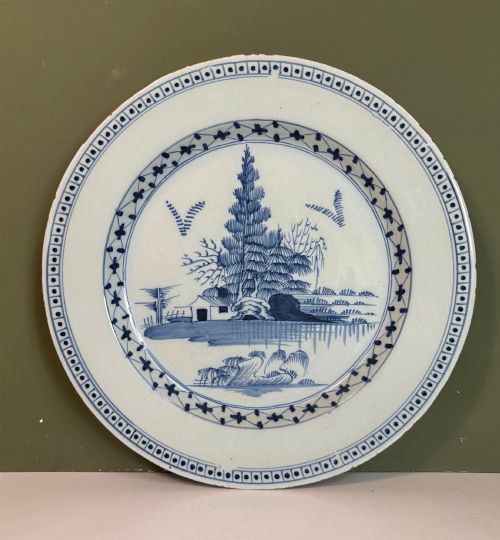
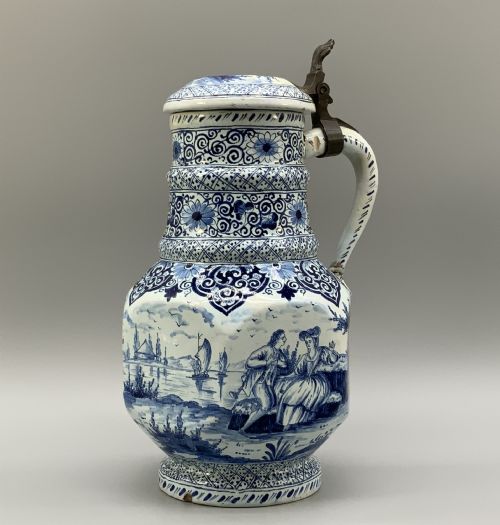
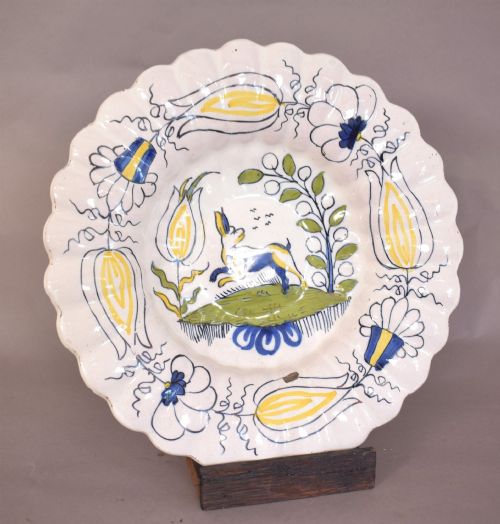
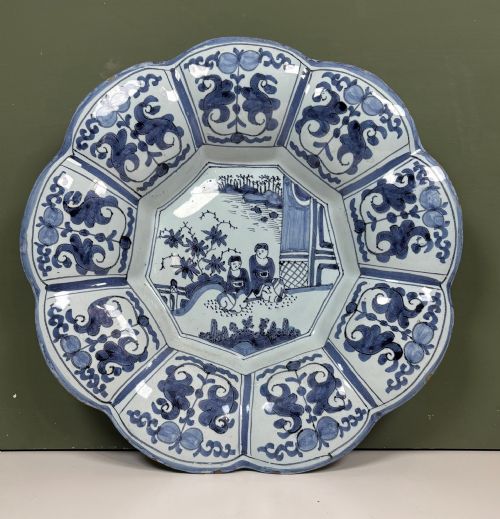
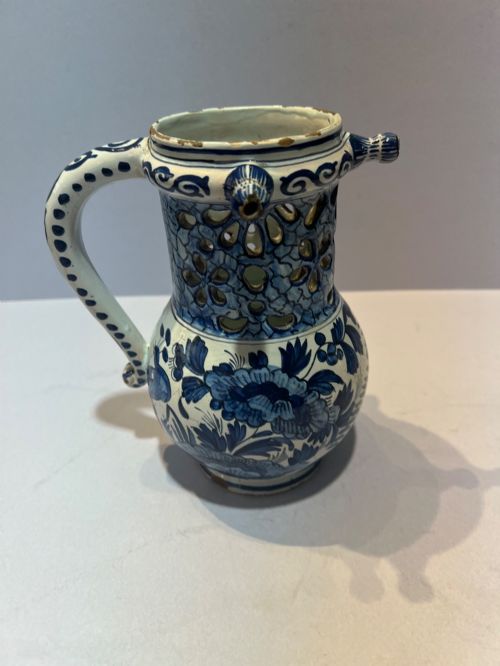
Large chargers, chargers, and decorative plates dominate the display formats, alongside specialised hollowware such as apothecary jars, puzzle jugs, posset pots, and bough pots. Eighteenth-century examples appear frequently, accompanied by seventeenth-century vessels and nineteenth-century revival pieces.
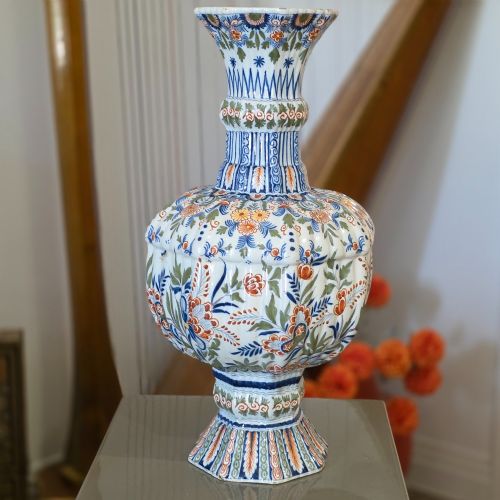
The decorative vocabulary draws heavily on blue and white cobalt painting, alongside manganese purple, yellow, and polychrome palettes. Motifs range from traditional floral and Chinoiserie scenes to Kraak style panels, armorial themes, and Moorish revival patterns.
Distinctions in quality
The finesse of the brushwork largely defines the standing of a piece, separating rapid commercial output from confident, fluid hand-painted artistry. Crisp execution in cobalt or manganese pigments reveals the control and training of the painter at the bench.
The purity and consistency of the white tin glaze also mark the grade of the item, where smooth coverage without excessive pitting or crawling elevates the visual impact. The complexity of the vessel form, from simple plates to lidded vases and puzzle jugs, further separates standard wares from ambitious studio achievements.
Among the hollowware, seventeenth-century cows and puzzle jugs remind us that historical potters enjoyed a touch of playful deception.
The Antique Tin Glazed Delft Glossary
- Tin-Glaze
- A pottery glaze made opaque and white by the addition of tin oxide, serving as a canvas for painted decoration. It absorbs cobalt pigment readily before firing.
- Charger
- A large decorative plate or shallow bowl intended for display on a wall or dresser rather than for dining. These items frequently showcase elaborate central motifs.
- Faience
- A European term for tin-glazed earthenware, commonly applied to wares produced in France, Spain, and Italy. The technique shares the same chemical foundation as Dutch delftware.
- Chinoiserie
- European artistic interpretations of Chinese and East Asian motifs, popular on seventeenth and eighteenth-century ceramics. Painters rendered stylized figures, pagodas, and foliage.
- Manganese
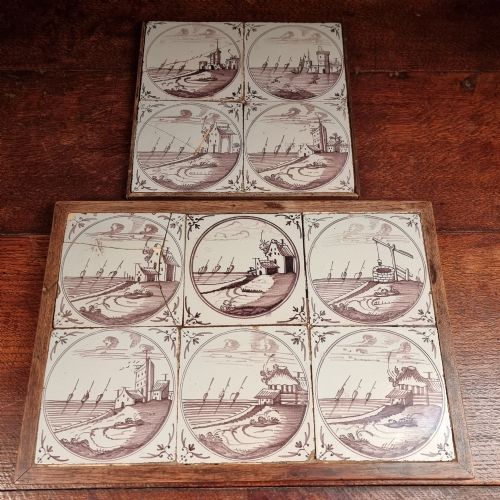
- A metallic pigment utilised in ceramics to produce purple, brown, or reddish-brown tones. It appears frequently in early tiles and dishes alongside or instead of cobalt blue.
- Puzzle Jug
- A specialised hollow vessel with a perforated neck and hollow rim that prevents normal drinking, requiring the user to sip through a specific spout to avoid spilling.
Antique Tin Glazed Delft: Frequently Asked Questions
What is antique tin glazed delft?
Antique tin glazed delft encompasses earthenware ceramics coated in a white, opaque glaze containing tin oxide and decorated with hand-painted pigments. These objects range from seventeenth-century chargers to nineteenth-century revival vases.
The tradition spans workshops in the Netherlands, England, France, and Spain, utilising cobalt blue, manganese, and polychrome palettes for domestic display and utility.
How were delft chargers displayed?
Delft chargers served primarily as ornamental wall hangings or decorative centrepieces on dressers in prosperous homes. Their large diameters provided a broad canvas for pictorial scenes and floral arrangements.
Craftsmen occasionally pierced the footring of these large plates during production to allow cord hanging, keeping the painted surface visible in the room.
How do I distinguish blue and white from polychrome?
Blue and white pieces rely exclusively on cobalt oxide pigment applied over the white tin glaze, creating tonal variations of blue under the final gloss. Polychrome examples introduce additional mineral colours such as yellow, green, and manganese.
Both styles share the same underlying earthenware body and tin-glazing technique, differing only in the range of metallic oxides used by the painter.
How should I care for antique delft?
Antique tin glazed earthenware requires gentle handling because the ceramic body beneath the glaze is relatively soft and porous. Dusting with a dry cloth suffices for routine maintenance.
Keep these items away from moisture and avoid immersion in water, as old glaze can develop hairline crazing or local flaking if exposed to damp environments.