



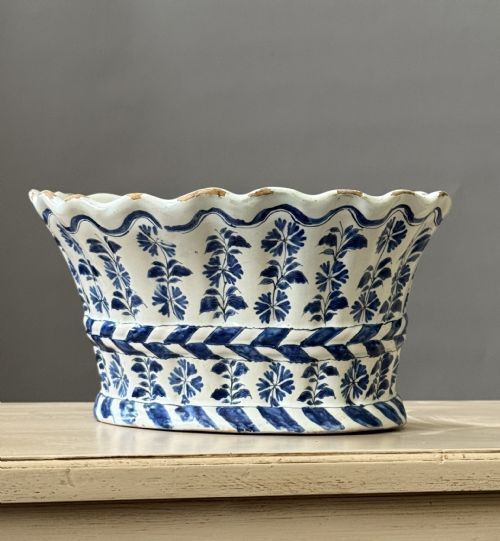
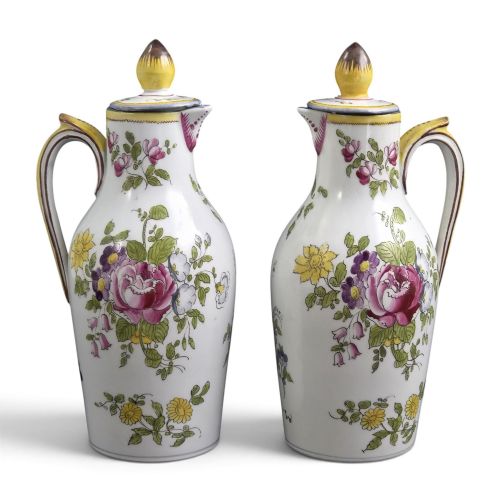
Antique Tin Glaze
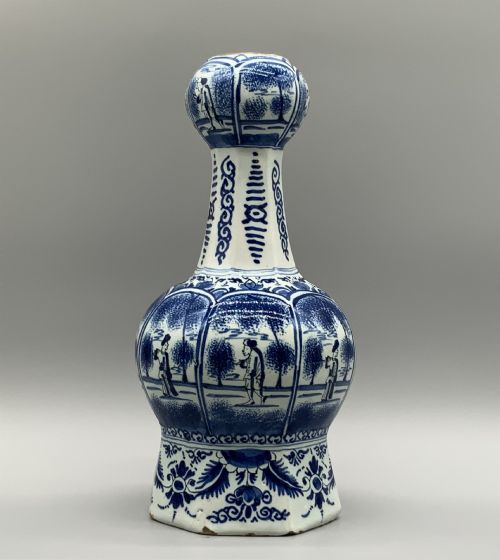
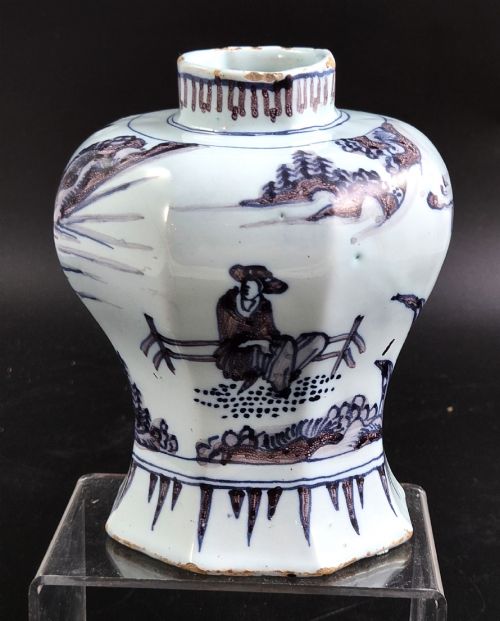
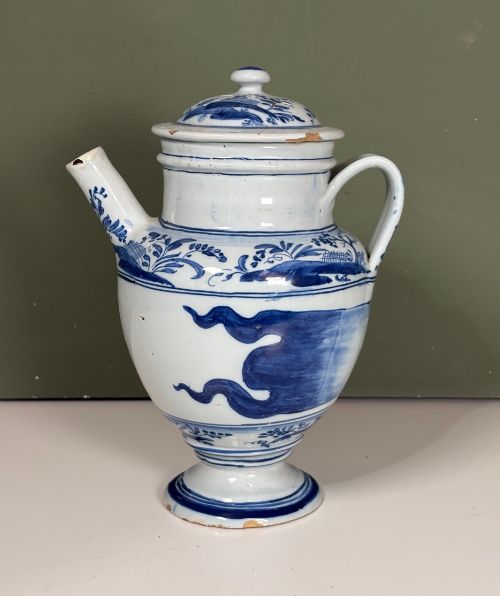
Antique tin glaze pieces encompass centuries of earthenware ceramics decorated with opaque white surfaces and painted cobalt or manganese pigments.
Antique Tin Glaze
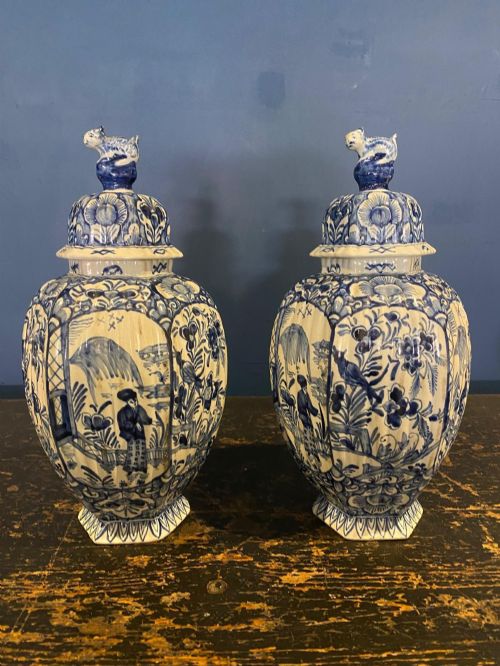
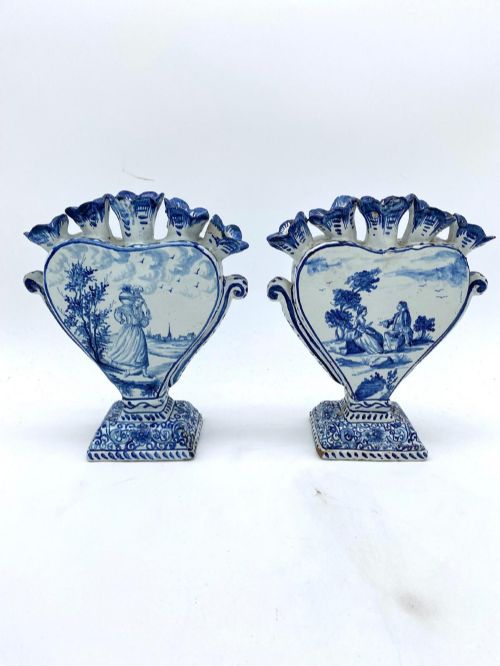
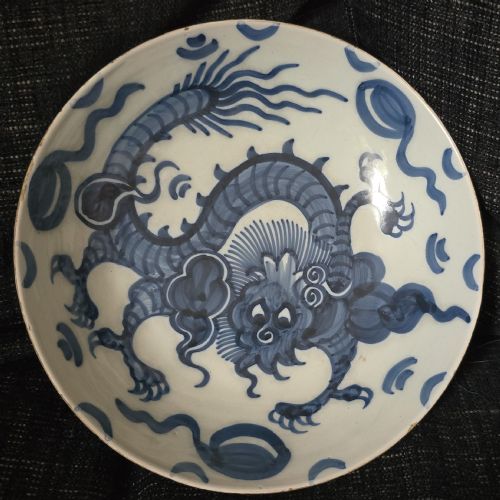
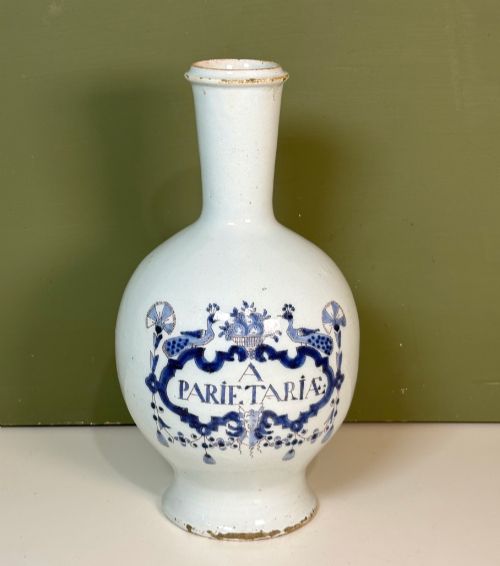
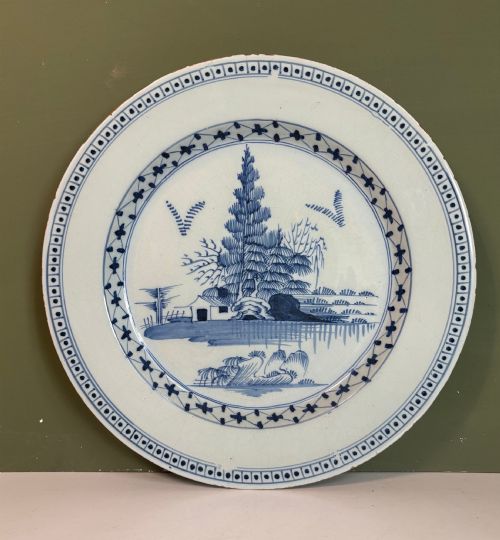
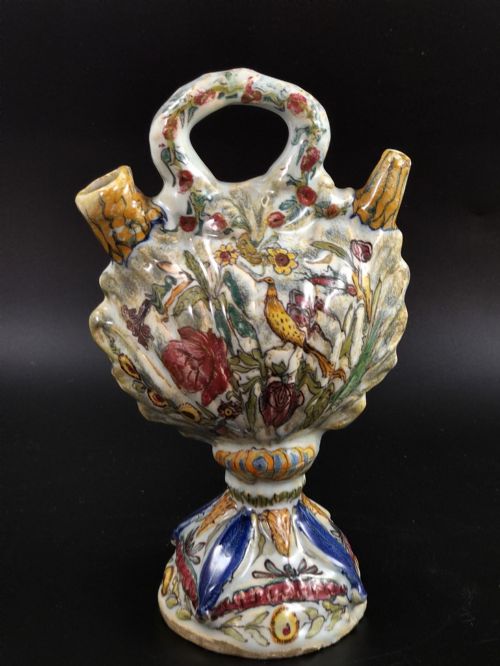
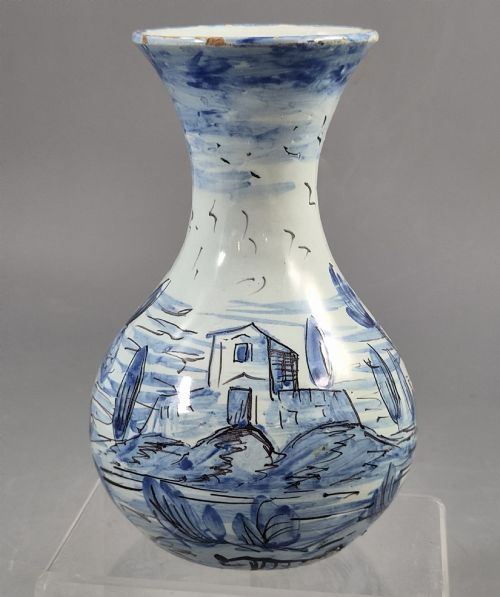
When you examine antique tin glaze, you encounter earthenware vessels and dishes produced across Europe from the seventeenth century through to the twentieth century. The selection ranges from large chargers and wall plates to apothecary bottles, pharmacy jars, and decorative vases.
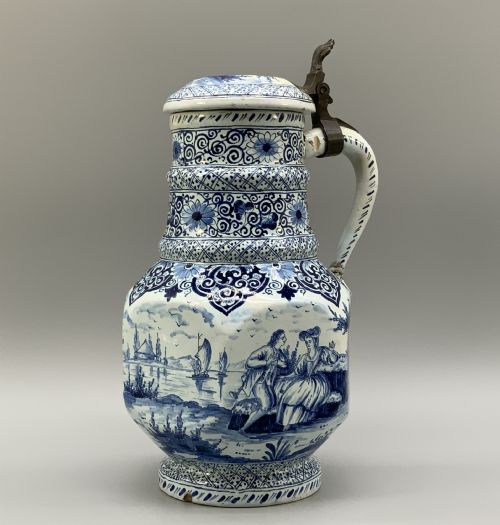
Dutch Delftware dominates the offerings, alongside English delftware, French faience, and Italian majolica. You will frequently find blue and white or manganese colour palettes depicting floral patterns, figures, and architectural motifs.
Materials and construction
Potters formed these items from earthenware clay, applying a glaze containing tin oxide to create the characteristic opaque white ground. Artisans then painted directly onto this porous, unfired surface using metallic pigments such as cobalt oxide and manganese.
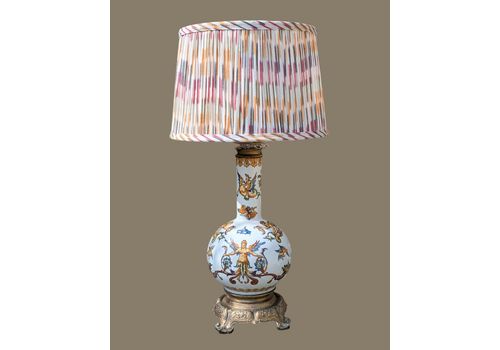
Firing in a kiln fused the metal oxides into the liquid glaze, producing smooth surfaces with rich painterly details. Certain pieces incorporate moulded elements, pewter lids, or bronze mounts.
Antique Tin Glaze Retail Price Guide 2026
Typical asking prices for tin glaze among the pieces listed under this phrase on Sellingantiques today, from the lower quarter to the upper quarter. They describe what is for sale here now, not the wider market.
Listings feature earthenware items spanning the seventeenth to twentieth centuries, including Dutch Delft, French faience, and English delftware.
Assessing quality in tin-glazed earthenware
Quality rests upon the crispness of the painted brushwork and the stability of the glaze during the high-temperature firing. Superior examples display confident, fluid hand-painted decoration with minimal pooling or running of the cobalt and manganese pigments.
The sophistication of the form and the clarity of the white tin glaze ground distinguish finer workshop output from simpler domestic wares. Potteries with skilled artisans achieved precise control over colour graduation and line work.
Pieter Verburg·Veuve Perrin Marseille·Fourmaintraux-Courquin·Cantagalli Florence·Sceaux Faience
The Antique Tin Glaze Glossary
- Tin-glazed earthenware
- Pottery coated with a lead glaze made white and opaque by the addition of tin oxide. This creates the pale background required for subsequent pigment painting.
- Faience
- The French and continental term for tin-glazed earthenware, often encompassing wares produced in centres such as Marseille, Nevers, and Desvres. It shares technical roots with Dutch Delft and Italian majolica.
- Delftware
- Tin-glazed earthenware originating in England or the Netherlands, traditionally characterised by white surfaces and blue or polychrome painted decoration. Production flourished in towns like Delft and London.
- Majolica
- The Italian term for tin-glazed earthenware, though later Victorian manufacturers applied the name to coloured lead-glazed wares. Early Italian pieces often feature rich Renaissance revival motifs.
- Charger
- A large decorative plate or dish intended for display on a wall or sideboard rather than daily dining. These substantial pieces frequently showcase ambitious painted scenes.
- Manganese
- A metallic pigment used in ceramics to produce rich purple, brown, or plum tones. It appears frequently alongside cobalt blue in seventeenth and eighteenth-century pieces.
Antique Tin Glaze: Frequently Asked Questions
How can I tell Dutch Delft from English delftware?
Dutch Delft pieces often feature refined potting techniques, intricate Chinese-inspired motifs, and detailed maker marks on the base. English delftware tends to display slightly thicker earthenware bodies and distinctive local palette choices.
Examination of the glaze edge and footrim can also reveal characteristics specific to regional firing traditions and kiln furniture use.
What is a charger used for?
Historical chargers served as ceremonial display pieces or large serving platters for formal banquets in prosperous households. Their substantial scale provided artisans with a wide canvas for narrative painting and heraldic designs.
Today, collectors mount these large plates on walls or display them securely on stands to appreciate the full painted composition.
Why do some pieces show crazing?
Crazing refers to the fine network of microscopic cracks that develops in the glaze as the ceramic object ages and experiences temperature shifts. This natural occurrence results from the different expansion rates of the earthenware body and the outer glaze layer.
While extensive damage reduces value, light crazing is common in genuine antique tin-glazed items and confirms their age.