



Antique Timber Serving Table
An antique timber serving table brings robust craftsmanship and understated elegance to a dining room or hallway.
Antique Timber Serving Table
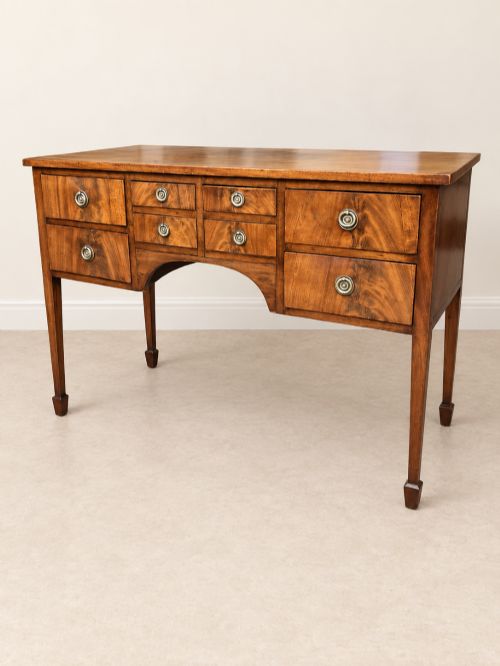
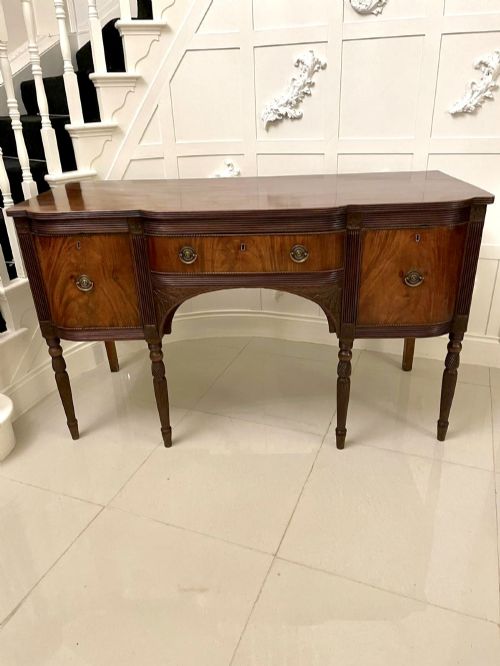
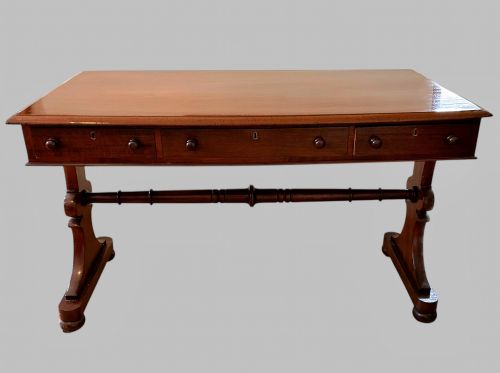
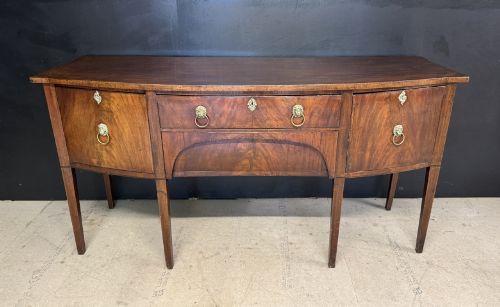
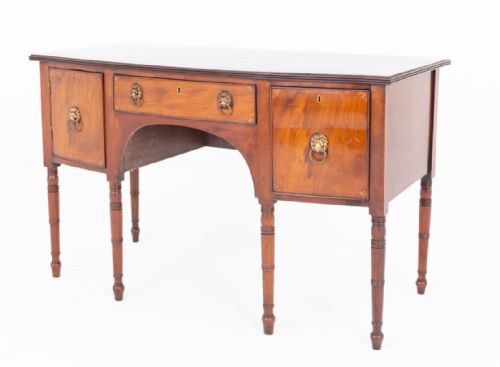
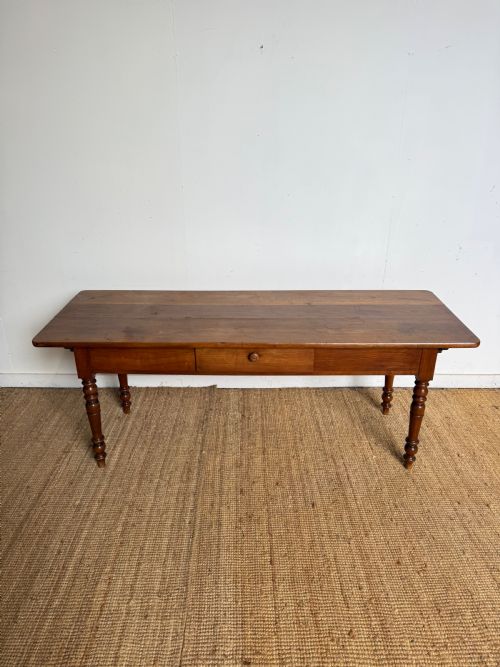
When you search for an antique timber serving table, you are looking at substantial dining furniture designed to hold platters, glassware or serving dishes during meals. These pieces function as sideboards, servers, console tables or potboard tables depending on the regional tradition and the specific dining requirements of the period.
The selections available here span several centuries, with prominent examples originating from the Georgian era through to the Victorian period. You will encounter formal serpentine frontboards alongside simpler rustic farmhouses and potboard designs.
Materials vary widely across the inventory, ranging from deep brown mahogany and flame mahogany veneer to walnut, cherrywood, pitch pine and painted timber. Many items reflect specific regional tastes, including English, French country, Scottish and Welsh vernacular styles.
Judging the quality of construction and finish
Quality rests upon the selection of timber, the precision of the joinery and the integrity of the original surface finish. Superior examples display carefully matched wood grains, tight structural joints and well-proportioned legs that bear weight evenly.
Finer pieces exhibit thoughtful detailing such as serpentine fronts, hand-carved decorative elements and original brass hardware. Less complex items rely on honest vernacular utility, where the charm stems from straightforward pine or painted surfaces rather than elaborate cabinetmaking.
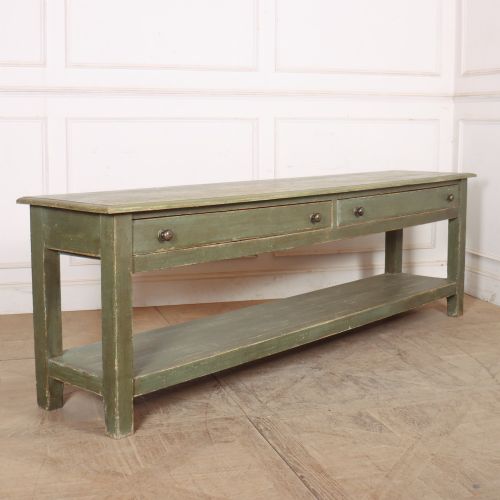
Several rustic pot-shelf tables retain traces of old paint, suggesting generations of kitchen use before finding their way into the showroom.
Gillow
The Antique Timber Serving Table Glossary
- Serpentine front
- A furniture front characterised by a gentle undulating curve, convex in the centre and concave at the ends. This sophisticated shape required advanced woodworking skill to construct.
- Potboard
- A lower open shelf integrated into the base of a table or dresser, historically used to store pots, pans and heavy kitchenware. It adds significant stability to the overall frame.
- Flame mahogany veneer
- A thin slice of mahogany timber cut from the fork of the tree where the branches join, producing a flame-like pattern. Cabinetmakers applied this decorative layer over a secondary wood base.
- Console table
- A table designed to stand against a wall, frequently supported by wall brackets or console legs. These pieces served decorative and functional purposes in formal reception rooms.
- Breakfront
- A cabinet or sideboard whose central section projects forward beyond the flanking sections. This architectural arrangement creates depth and visual interest in formal dining furniture.
Antique Timber Serving Table: Frequently Asked Questions
What is an antique timber serving table used for?
These tables served primarily in dining rooms to hold extra food, dishes and silverware during large meals when the main table lacked space. They also functioned as sideboards and console tables for display.
Today, they perform similar practical duties in modern dining spaces or act as striking console tables in hallways and living rooms.
How do I identify a Georgian serving table?
Georgian pieces often feature dense mahogany, straight or tapered legs, and sometimes elaborate serpentine fronts reflecting classical design proportions.
Look for hand-cut joinery and period-appropriate brass hardware that indicate construction during the eighteenth or early nineteenth century.
What is a potboard serving table?
A potboard table includes a low open shelf running near the floor between the legs, originally built for heavy kitchen pots and storage.
This vernacular English or French design gives the furniture a robust, practical appearance distinct from formal urban dining furniture.
Are these tables made of solid wood?
Many examples utilise solid timbers such as pine, cherrywood, walnut and mahogany throughout the primary framework and legs.
Finer formal pieces frequently combine solid structural woods with decorative veneer panels on the drawer fronts and tabletops.
How do I care for a vintage timber server?
Keep the wood away from direct sunlight and extreme temperature fluctuations to prevent the timber from drying out or splitting.
Apply a quality furniture wax periodically to nourish the surface and maintain the natural lustre of the finish.