



Antique French Display Counter
An antique french display counter brings mercantile heritage into domestic rooms, offering glass and timber framing designed to showcase treasured possessions.
Antique French Display Counter
An antique french display counter encompasses commercial furnishings originating from European retail environments, spanning shop counters, vitrines, and drapers tables. Buyers seek these pieces for their glazed viewing areas and sturdy timber frames that organise collections within a room.
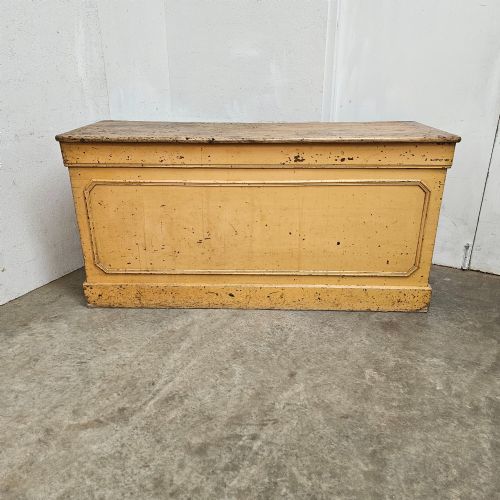
The selections encountered here typically date from the nineteenth century and early twentieth century, taking forms such as oak display cases, painted shop counters, and tailors tables. French Provincial, Art Deco, and Louis XVI Revival styles dominate the physical evidence.
Commercial origins mean pieces range from large Parisian advertising units and lingerie mannequins to museum display cases and drapers tables in bleached oak. Each object carries the practical utility of past shop floors adapted for modern display.
How they were made
Construction relies heavily on oak, pine, and mahogany timbers, providing robust structural skeletons for heavy glass panels and display surfaces. Ormolu mounts and velvet linings appear on specific revival and vitrine pieces to elevate the interior presentation.
Surfaces display original paint finishes, bleached oak treatments, and polished hardwoods that record decades of commercial use. Glazing techniques secure large viewing panes within timber rebates, while specialised joints handle the daily stress of retail environments.
Parisian mannequin heads wait patiently in the dark, still modelling invisible lingerie from the nineteen-twenties.
What varies in quality
Quality rests upon the integrity of the original timber frames and the retention of period glass surfaces. Pieces retaining original paintwork or specialised commercial hardware demonstrate higher fidelity to their working origins.
Proportion and decorative restraint separate standard utility counters from refined revival vitrines featuring ormolu details or fine mouldings. The sophistication of the timber preparation, whether bleached oak or polished mahogany, dictates the visual weight of the furniture.
Charmereine·Pierre Iman
The Antique French Display Counter Glossary
- Vitrine
- A glass-fronted cabinet designed for displaying fine objects or curiosities. These pieces often feature glazed sides to maximise light penetration.
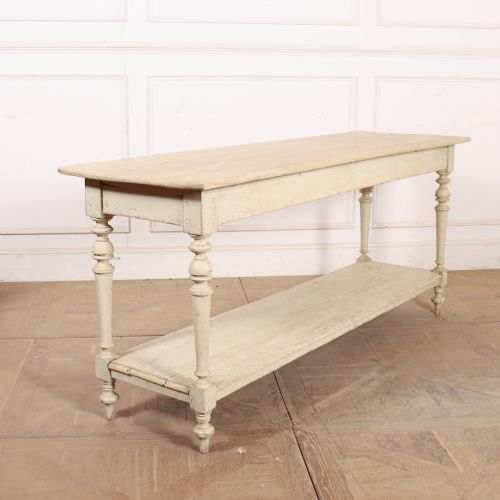
- Drapers Table
- A long, sturdy table traditionally utilised in textile shops for folding and measuring cloth. They frequently incorporate lower shelves or multiple drawers for storage.
- Ormolu
- Gilded bronze ornamentation applied to furniture for decorative effect. This technique gained prominence in various French revival styles.
- French Provincial
- A style reflecting regional domestic craftsmanship rather than court furniture. It offers simpler lines and practical proportions.
- Advertising Mannequin
- A three-dimensional figure used by shops to display garments or accessories. Examples from Paris often incorporate period materials like plaster and fabric.
Antique French Display Counter: Frequently Asked Questions
What is an antique french display counter?
An antique french display counter is a piece of commercial shop furniture adapted for domestic display, featuring glass panels and timber frames. These items originated in European retail spaces to showcase goods to customers.
Today, they function as focal points in homes for exhibiting collections, tableware, or textiles behind protective glazing.
How were drapers tables used originally?
Drapers tables served as central work surfaces in fabric shops where merchants measured and cut cloth. Their long timber tops and lower storage shelves accommodated bolts of textiles and shop tools.
In modern settings, their generous proportions make them suitable as kitchen islands, console tables, or general display surfaces.
How do I identify Art Deco shop pieces?
Art Deco pieces from the early twentieth century utilise streamlined geometries, specific mannequin postures, and materials popular during the interwar period. These items reflect the modern commercial aesthetics of Parisian retail design.
They stand apart from nineteenth-century revival pieces through their distinct lack of ornate carving and their embrace of cleaner silhouettes.