



Antique Timber Bench
An antique timber bench brings honest utility and enduring material warmth into a hallway, garden or kitchen.
Antique Timber Bench
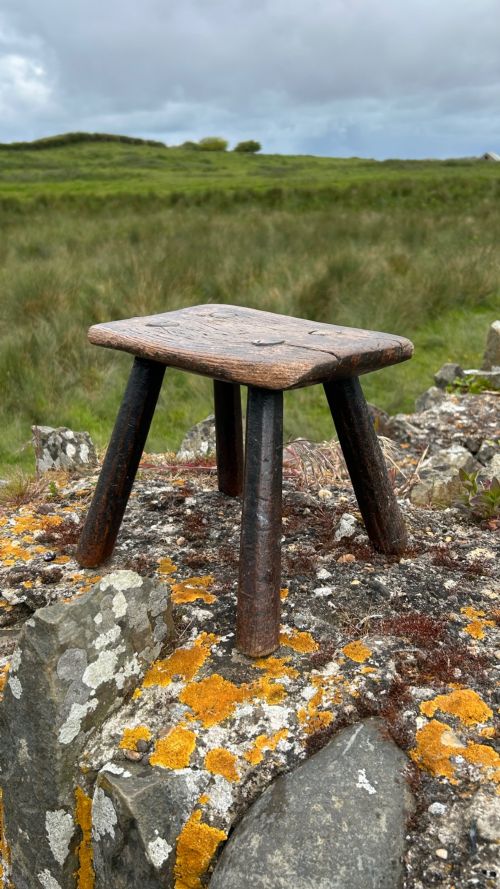
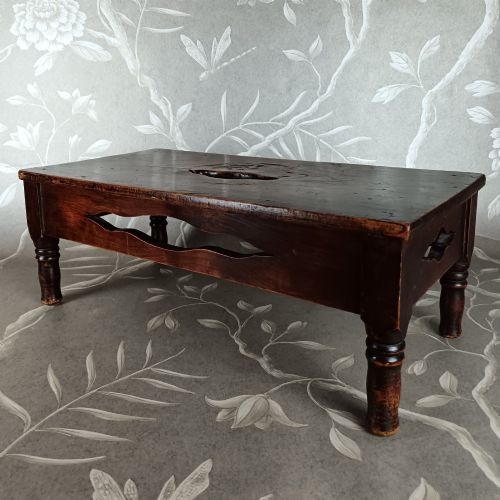
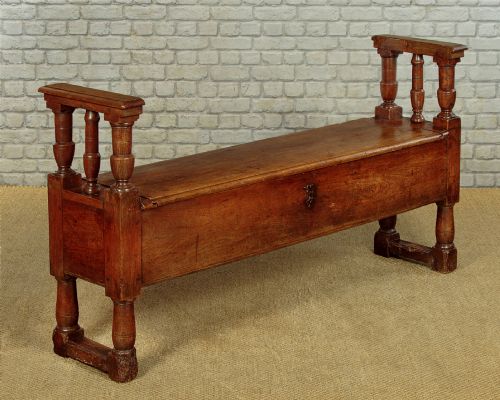
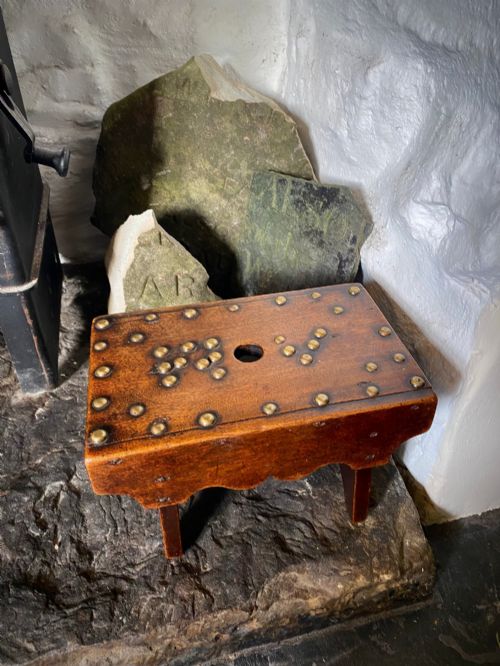
The selection includes vernacular items like box settles with storage, milking stools, and garden benches shaped by regional styles including English country, French provincial, and Edwardian designs. These pieces originate from domestic, agrarian, and industrial settings, each retaining the marks of daily use and traditional joinery.
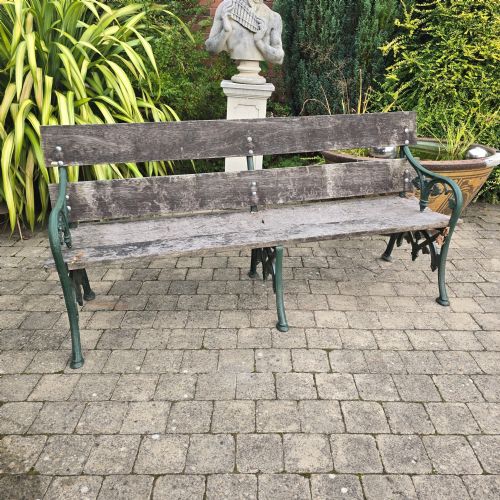
Domestic examples often take the form of high-back settles and slim hallway benches designed for narrow spaces, while garden variants utilise weather-resistant teak or decorative cast iron supports. Surviving items reflect the utilitarian needs of past households, balancing robust construction with unpretentious domestic charm.
How they were made
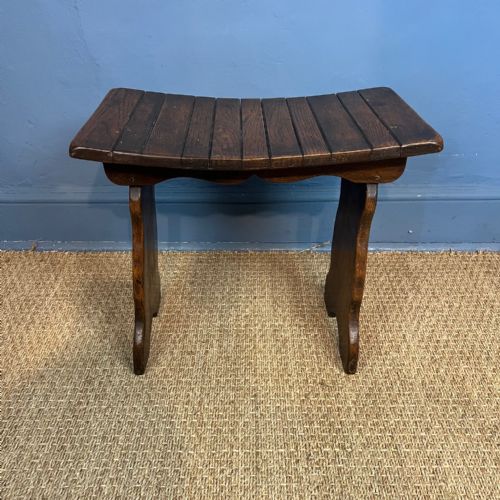
Cabinet makers and vernacular joiners built these benches using solid hardwoods and softwoods including oak, pine, elm, sycamore, and ash, often pairing timber seats with structural elements of brass or cast iron. Joinery relied on traditional methods such as pegged mortise and tenon joints, dovetails, and shaped trestle ends to ensure rigidity without metal fasteners.
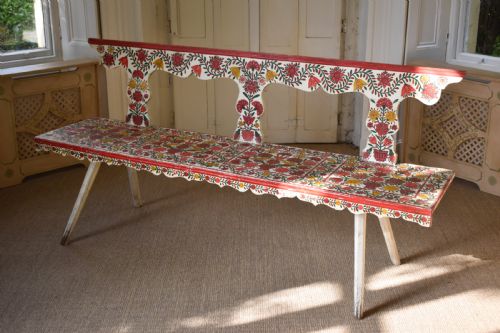
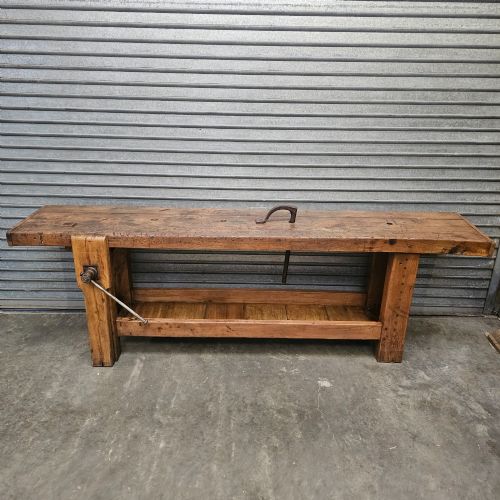
Surface finishes range from natural honey brown patinas and waxed grains to original ochre and green paint applications, preserving the underlying timber character. Garden and industrial iterations incorporated cast iron frames, faux bois cement or metal work, and specialised clamping bars tailored to the specific demands of the bench function.
Antique Timber Bench Retail Price Guide 2026
Typical asking prices for timber bench among the pieces listed under this phrase on Sellingantiques today, from the lower quarter to the upper quarter. They describe what is for sale here now, not the wider market.
Keep an eye out for Black Forest bear benches, where carved wooden wildlife forms double as sturdy living room furniture.
What varies in quality
The distinction between ordinary and superior pieces rests upon the integrity of the original timber, the retention of untouched patination, and the honesty of the construction. Items displaying unaltered surfaces, original paint schemes, and sturdy, period-appropriate joinery command greater appreciation than those stripped of their historical finish or altered structurally over time.
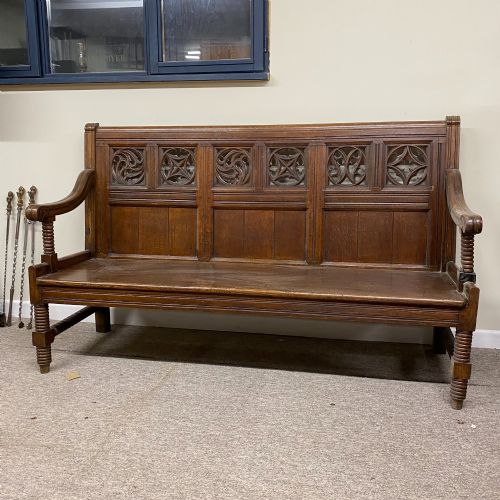
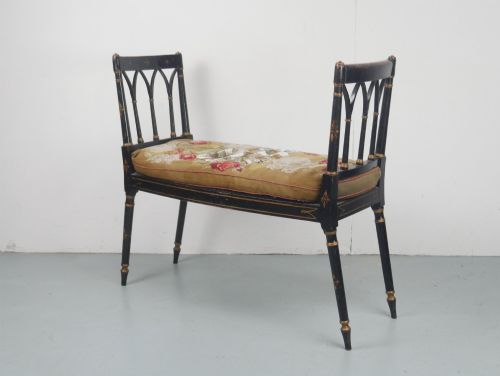
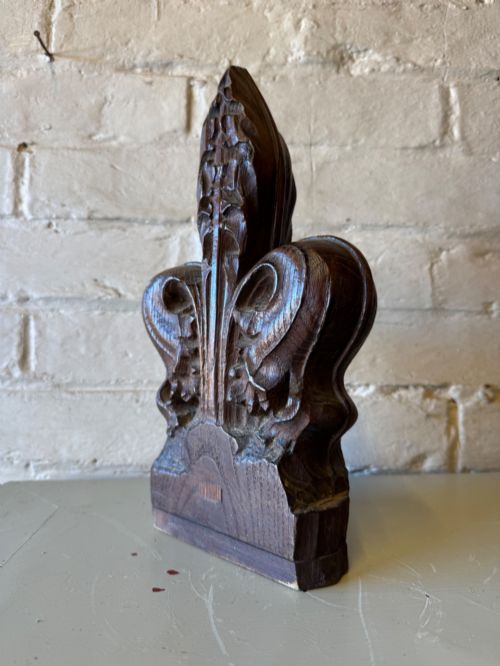
Proportion and regional character also dictate distinction, where well-balanced country proportions, substantial board thicknesses, and sophisticated period details like trefoil carved supports or Gothic tracery elevate a piece beyond standard utilitarian workshop output.
The Antique Timber Bench Glossary
- Box settle
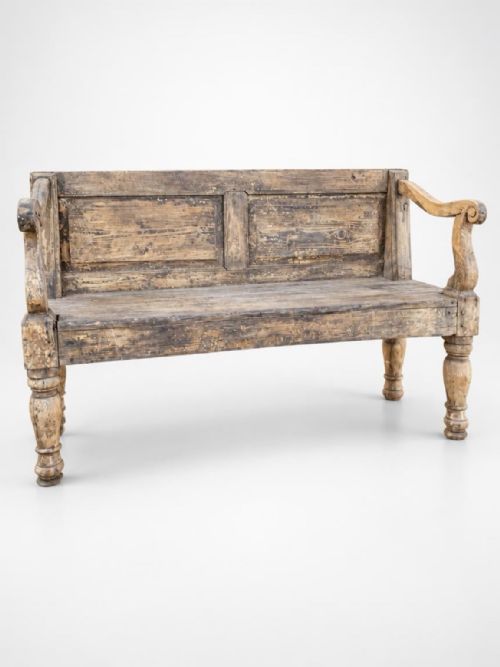
- A wooden bench featuring a high back, solid armrests, and a concealed storage compartment beneath the hinged seat. This form kept draughts away from inhabitants in older domestic halls.
- Faux bois
- A decorative technique where materials like concrete or metal are moulded to imitate the appearance of natural wood branches and bark. It appears frequently on nineteenth-century garden furniture.
- Vernacular furniture
- Items made by local craftsmen using regional materials to serve specific everyday functions rather than following high-style academic design. Sycamore, ash, and elm frequently appear in these domestic and agricultural pieces.
- Patina
- The surface sheen and colour acquired by wood and metal through decades of handling, exposure, and age. An original patina indicates minimal over-restoration.
- Trestle ends
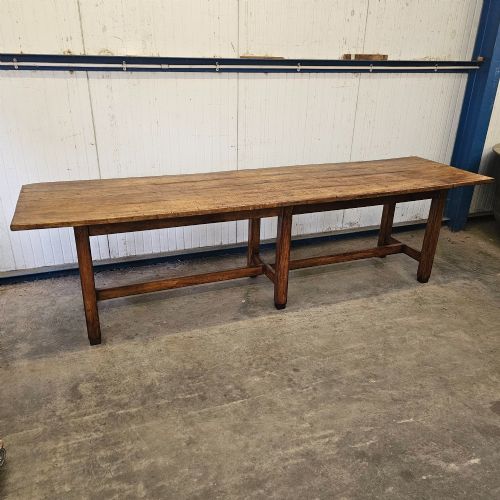
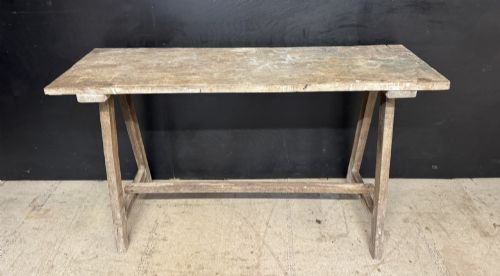
- Support structures comprising vertical posts fixed to horizontal feet, used to bear weight evenly beneath long seats or tables. Edwardian oak benches often utilise this structural arrangement.
Antique Timber Bench: Frequently Asked Questions
Where should I place an antique timber bench?
These benches suit narrow entryways, generous hallways, or living spaces where a slim profile or high back creates a functional seating area. Outdoor variants integrate naturally into garden layouts and patios.
Selecting the right location depends on whether the timber finish is treated for moisture or suited strictly for indoor domestic environments.
How do I care for an old wooden bench?
Maintain the timber by applying natural beeswax periodically to nourish dry grain and preserve the existing patina. Avoid placing pieces near direct heat sources that cause wood to split.
Keep outdoor wooden and cast iron variants protected during harsh winter months to prevent moisture damage and weather degradation.
How do I distinguish eighteenth and nineteenth-century pieces?
Eighteenth-century examples often display wider single-board construction, hand-cut joinery marks, and heavier box settle configurations. Nineteenth-century items frequently show industrial influences, machine-sawn timber elements, or decorative cast iron supports.
Examining the underside, nail types, and tool marks helps clarify the manufacturing era.
Are these benches comfortable for daily use?
Many historical benches feature upright wooden backs and solid plank seats designed for utility rather than lounging. Adding loose cushions or pads alters the seating comfort without modifying the antique structure.
Shorter settles and padded daybeds offer varying degrees of ergonomic support depending on their original workshop purpose.