





Antique Spanish Furniture
Antique Spanish furniture brings robust character and deep historical resonance into a room through rich timbers and disciplined craftsmanship.

Antique Spanish Furniture
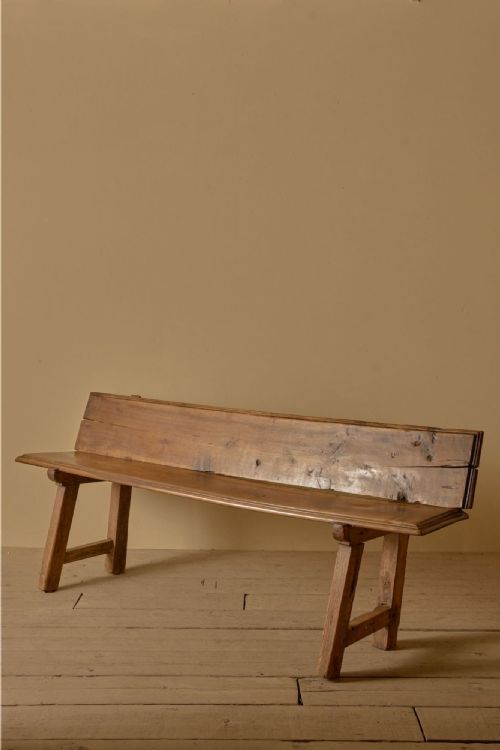
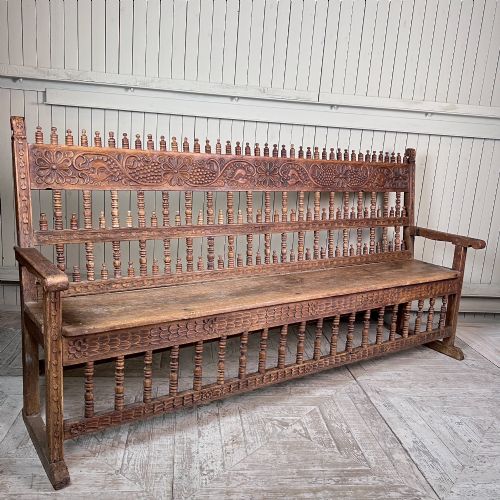
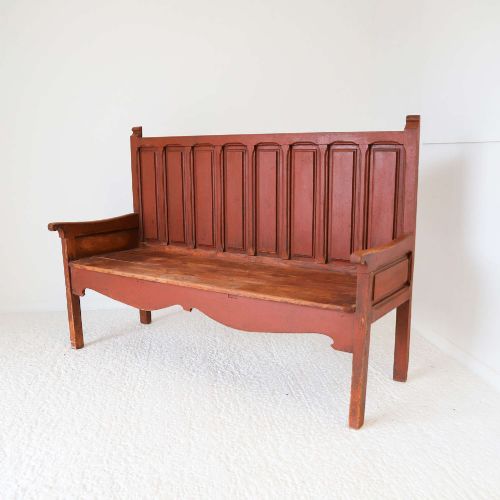
Antique Spanish furniture encompasses a striking array of functional forms shaped by centuries of European and colonial influence. When you explore antique spanish furniture, you encounter sturdy tables and elaborate storage pieces designed for utilitarian strength as much as visual presence.
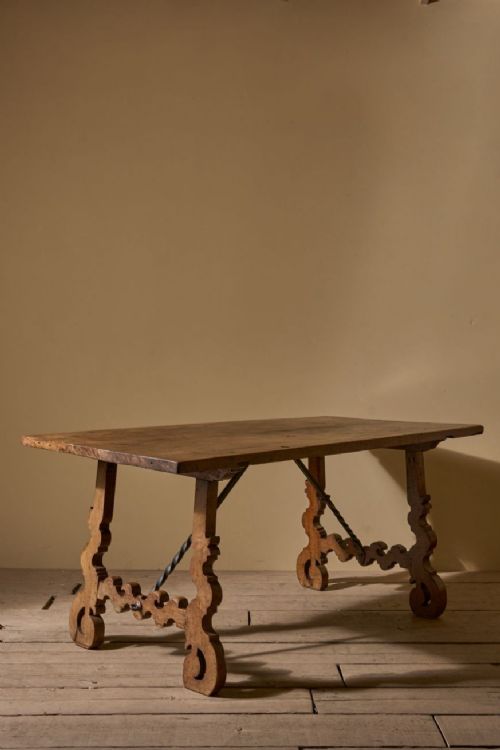
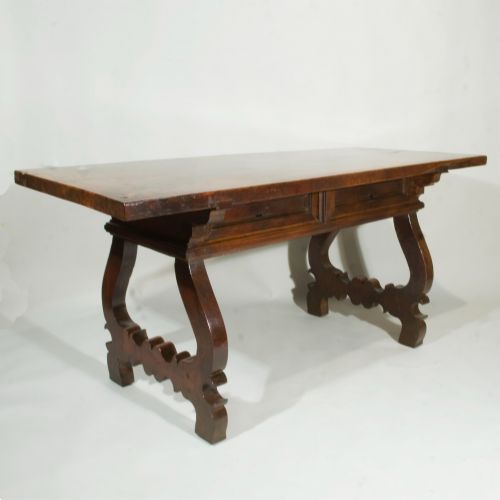
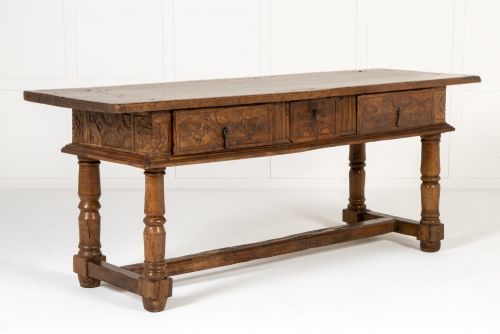
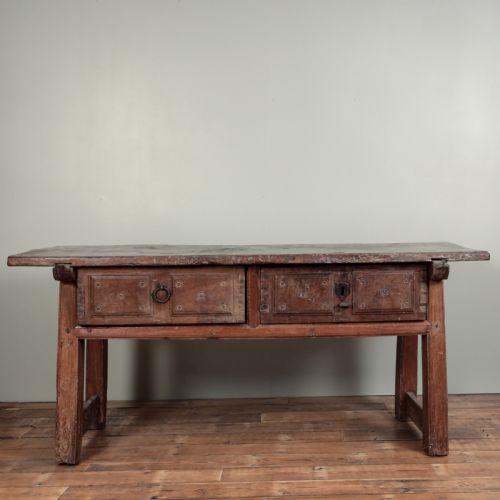
The selections span from the austere rustic farmhouse tradition to the ornate flourishes of the Spanish Baroque and Spanish colonial eras. Pieces range from large elm dining tables and oak side tables to refined console tables and intricate cabinets on stands.
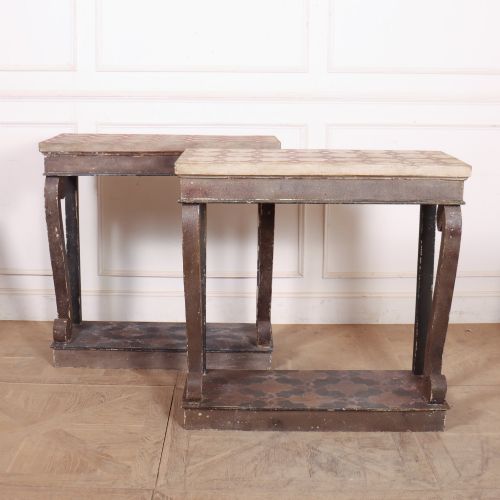
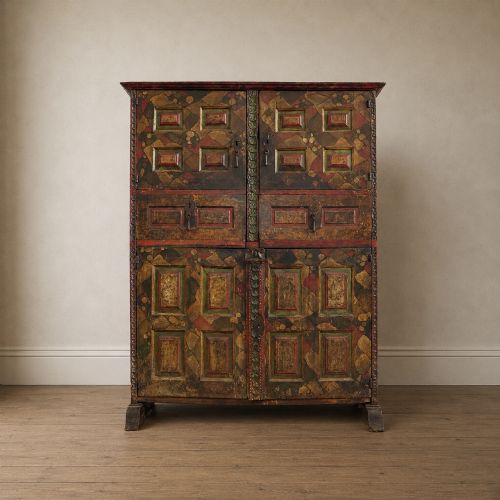
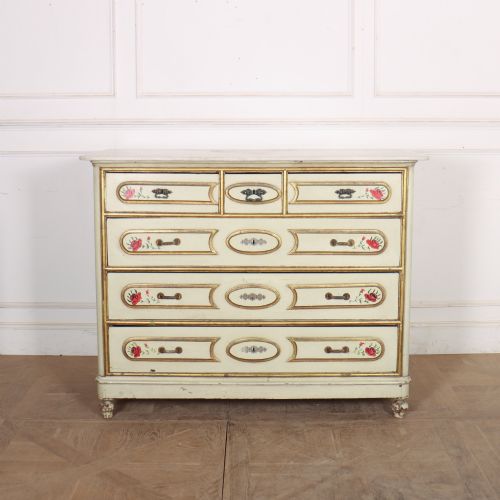
Examples originate across distinct periods, stretching from the seventeenth century through to the end of the nineteenth century. Walnut and oak dominate the earlier centuries, whilst later Victorian-era interpretations introduce painted wood surfaces and specialised decorative finishes.
How these pieces were constructed
Construction relies heavily on dense hardwoods such as walnut, oak, and elm, selected for structural integrity and longevity. Master makers utilised thick timber planks joined with traditional framing techniques to withstand heavy daily use.
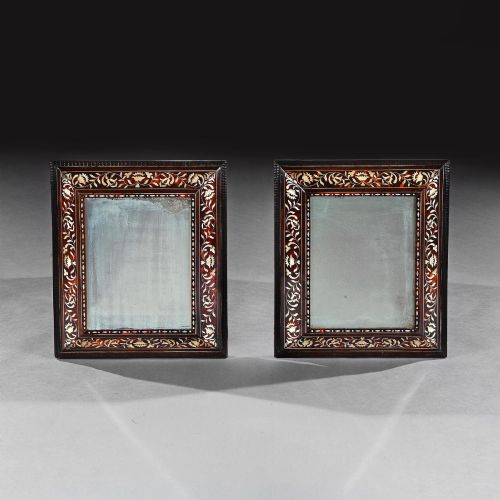
Metalwork played a critical role in both the structure and decoration of these items, incorporating hand-forged wrought iron braces and hardware. Artisans also applied tortoiseshell, ebonised wood, and specialised paint treatments to enrich the surfaces of select cabinets and console tables.
Antique Spanish Furniture Retail Price Guide 2026
Typical asking prices for spanish furniture among the pieces listed under this phrase on Sellingantiques today, from the lower quarter to the upper quarter. They describe what is for sale here now, not the wider market.
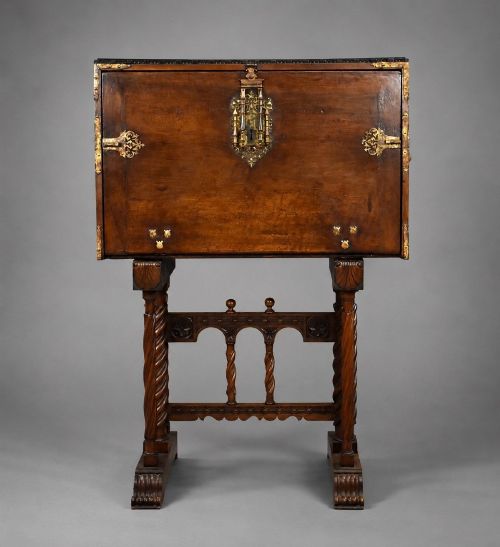
Tortoiseshell veneer cabinets on stands remind us that historic Spanish homes kept their most dazzling secrets behind locked, highly polished doors.
What separates the finest examples
Quality in these works rests upon the selection of timber and the preservation of original surface characteristics like rich patination. Earlier seventeenth-century walnut tables achieve distinction through the depth of aged grain and the integrity of solid wood construction.
The refinement of ironwork and the intricacy of applied decorative elements, such as tortoiseshell panels or painted details, differentiate standard domestic items from high-status commissions. Superior pieces maintain their structural cohesion while displaying the authentic wear of centuries.
The Antique Spanish Furniture Glossary
- Spanish Baroque
- A lavish decorative style prominent during the seventeenth century characterised by dramatic forms and rich ornamentation. It reflects the grandeur of the Spanish empire during that era.
- Elm
- A tough, interlocking timber frequently utilised in large farmhouse tables for its resistance to splitting under heavy strain. It provides a dense and durable surface.
- Wrought iron
- Iron beaten into shape by hand and utilised for structural stretchers, braces, and decorative hardware on early tables. This material offers immense strength.
- Cabinet on stand
- A raised storage container elevated on a separate supporting frame or base. This form protects valuable contents from damp floors and adds architectural height.
- Tortoiseshell
- A decorative material harvested from the shell of large sea turtles and applied in thin veneers to furniture surfaces. It creates a mottled, amber-brown pattern.
Antique Spanish Furniture: Frequently Asked Questions
What periods do these pieces come from?
The available items span from the seventeenth century through the eighteenth and nineteenth centuries. You will find seventeenth-century walnut pieces alongside eighteenth-century oak designs and later nineteenth-century painted furniture.
Each era contributes distinct materials and aesthetic priorities, ranging from austere rustic tables to ornate Baroque and colonial forms.
What woods were used in construction?
Cabinet makers and joiners relied primarily on dense hardwoods suited to heavy daily domestic use. Walnut and oak form the backbone of seventeenth and eighteenth-century works, while elm appears in large farmhouse dining tables.
Secondary materials include metal, ebonised wood, and exotic tortoiseshell applied for decorative contrast on specialised storage cabinets.
How do I care for antique timber?
Protect the wood by keeping pieces away from direct heat sources and sudden humidity changes. Maintain the original patina by applying natural wax sparingly and buffing gently with a soft cloth.
Avoid modern chemical polishes that can strip the historic finish and dry out the underlying hardwood over time.
Are these tables suitable for modern dining?
Large nineteenth-century elm tables and seventeenth-century walnut tables provide generous surfaces well-suited for contemporary dining rooms. Their robust construction handles everyday gathering with ease.
Their substantial scale and rich historical character allow them to anchor modern interior schemes effectively.