



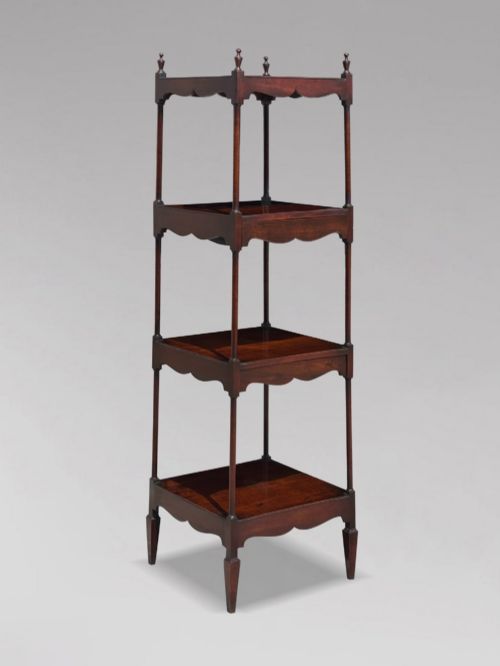

Antique Tiered Corner Shelf
An antique tiered corner shelf makes efficient use of awkward domestic spaces while displaying small ornaments and books.
Antique Tiered Corner Shelf
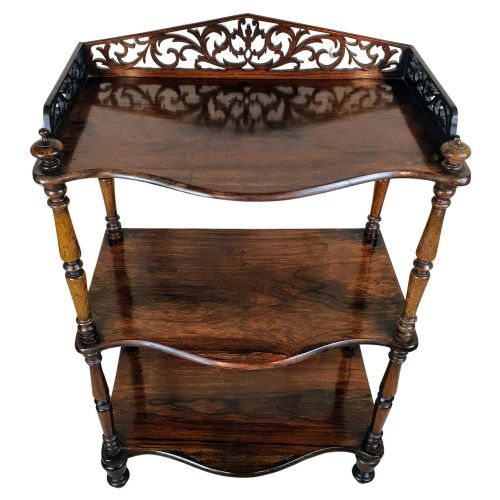
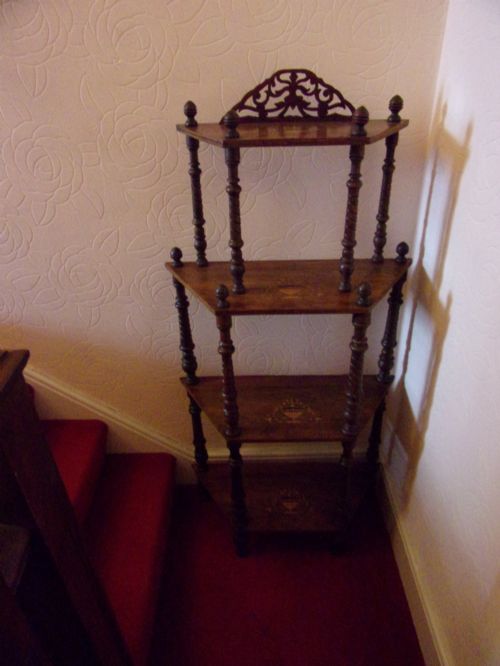
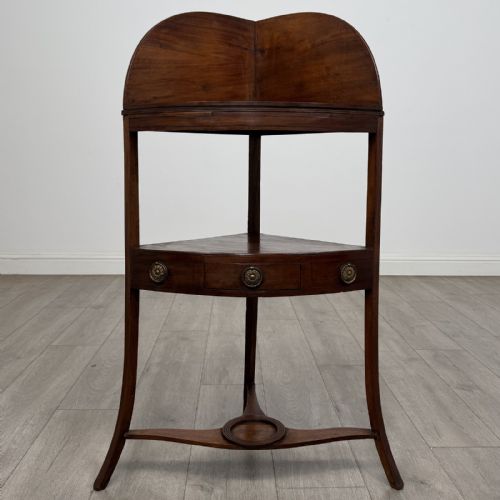
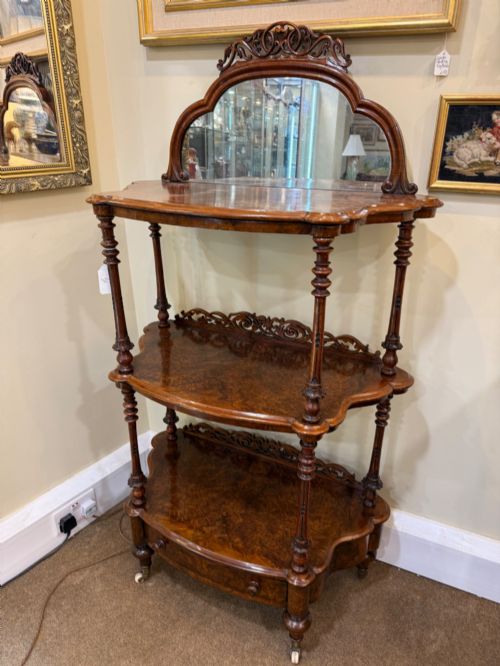
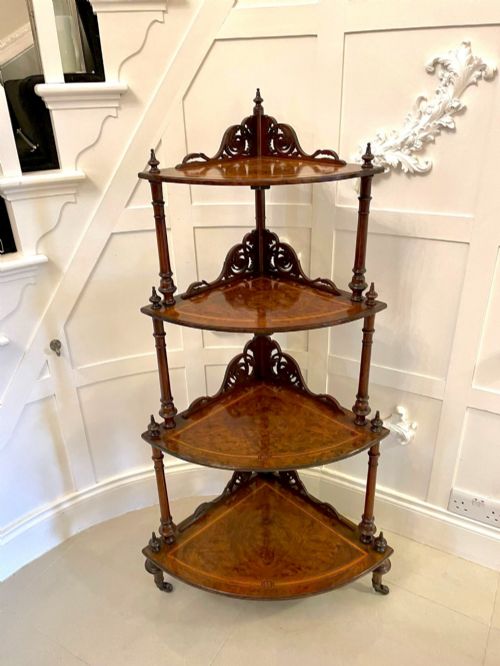
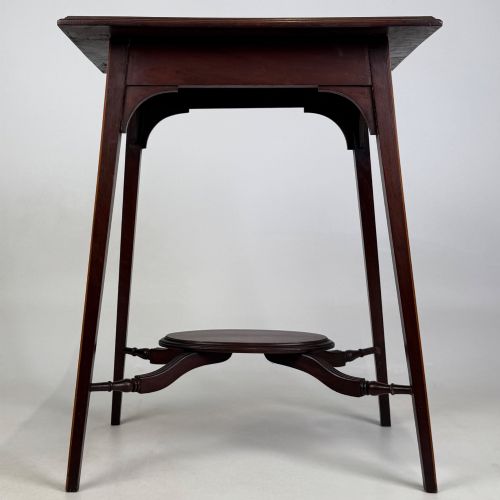
When you search for an antique tiered corner shelf, you encounter pieces designed to fit into room angles across several historical periods. The selections here span the Georgian, Regency, and Victorian eras, alongside pieces from around nineteen hundred. These multi-tiered units serve primarily to hold display items or books without dominating the floor space.
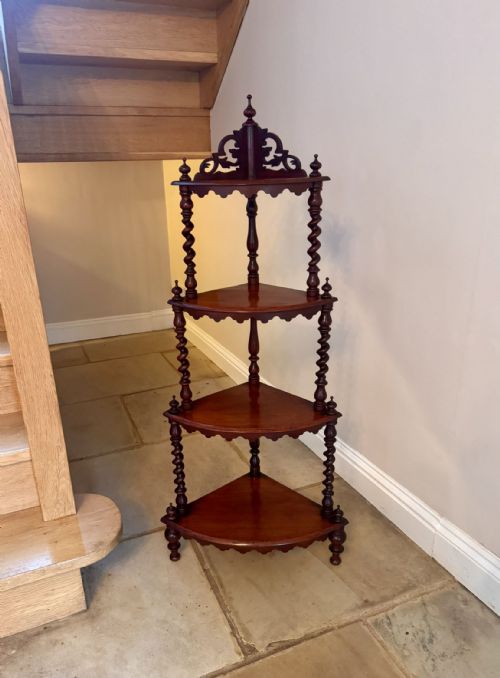
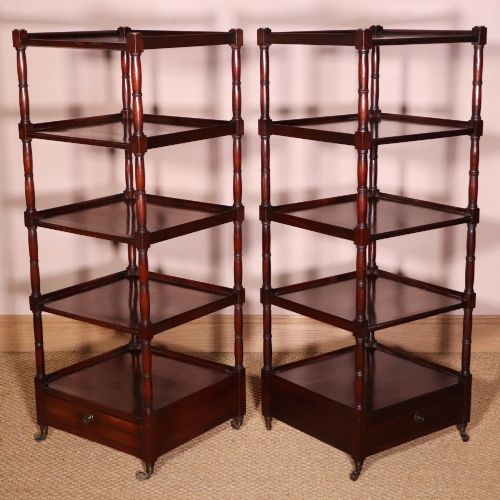
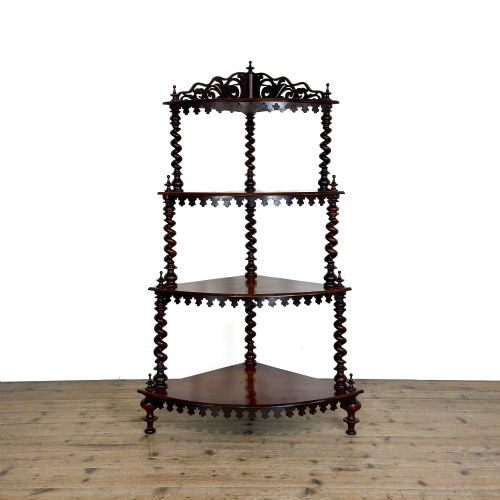
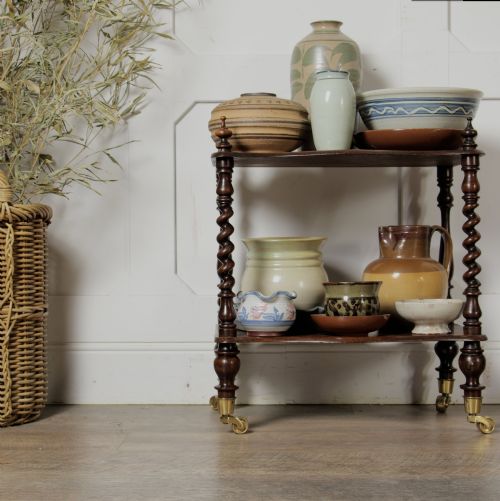
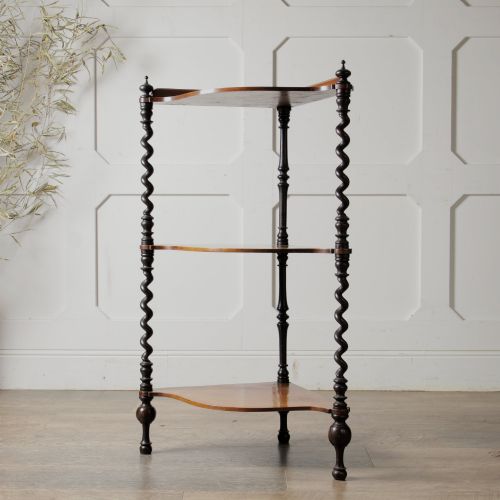
Most examples you meet on this page take the form of corner whatnots, etageres, or open display stands. Mahogany and walnut dominate the offerings, often appearing with multiple graduated tiers supported by turned columns or barley twist uprights. You also find occasional pieces utilising rosewood, ebonised wood, or wrought iron.
Makers and designers from the eighteenth and nineteenth centuries produced these tiered units to meet the Victorian appetite for surface display. While many standard domestic examples survive, you also encounter finer pieces featuring parquetry inlay, brass mounts, or carved details. Each piece reflects the domestic storage needs of its specific decade.
Materials and construction methods
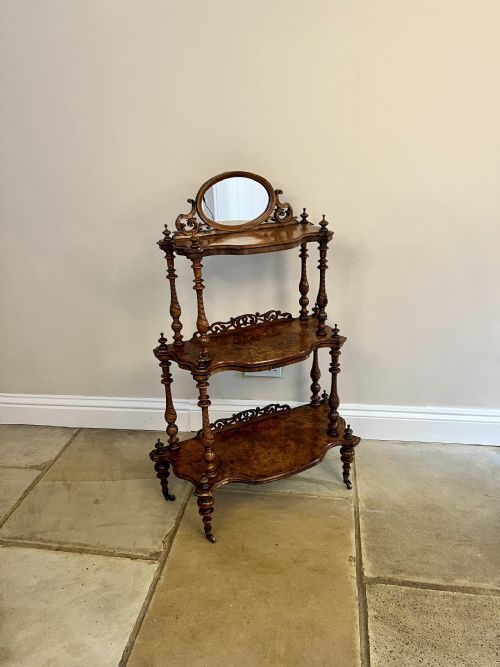
Cabinetmakers relied heavily on dense hardwoods such as mahogany and walnut, frequently selecting burr walnut veneers for figured grain on prominent tiers. Timber shelves were shaped to fit right angles precisely, supported by vertical turnings, slender columns, or barley twist uprights. Joinery methods relied on sound peg and dowel construction to support multiple stacked levels.
Alternative materials include rosewood, ebonised wood, and wrought or cast iron for structural plant stands and utility pieces. Metal components such as brass galleries, gilt metal mounts, and riveted iron frames provide both structural stability and decorative contrast against the timber shelves.
Antique Tiered Corner Shelf Retail Price Guide 2026
Typical asking prices for tiered corner shelf among the pieces listed under this phrase on Sellingantiques today, from the lower quarter to the upper quarter. They describe what is for sale here now, not the wider market.
One enthusiastic Victorian maker ensured their walnut whatnot possessed enough structural bravery to survive six stacked tiers of heavy porcelain.
Factors determining quality and craftsmanship
The choice of timber veneer sets the baseline for visual appeal, with highly figured burr walnut and rich mahogany commanding greater presence than plain secondary woods. Cabinetmakers who invested time in matched grain patterns across multiple tiers produced more cohesive display furniture.
Structural refinement distinguishes standard utility pieces from exhibition items. Finer examples incorporate thoughtful details such as intricate parquetry inlay, brass gallery rails, finely turned barley twist columns, and precise corner joints that withstand the weight of stacked tiers.
Gillows·E.W Godwin
The Antique Tiered Corner Shelf Glossary
- Whatnot
- An open set of shelves used for displaying ornaments, books, and curiosities. This form became particularly popular during the nineteenth century.
- Etagere
- A piece of furniture consisting of a number of open shelves for displaying articles. The term derives from the French language.
- Barley twist
- A type of column or spindle turned on a lathe to resemble a twisted rope. This decorative turning appears frequently on Victorian supports.
- Parquetry
- Geometric mosaic woodwork used for decorative inlay on furniture surfaces. Craftsmen utilised contrasting timbers to create patterned table and shelf tops.
- Serpentine
- A gently curved line curving outward and then inward, often seen on the front edges of shelves and cabinets. This shaping softens the strict geometry of corner furniture.
Antique Tiered Corner Shelf: Frequently Asked Questions
How were corner whatnots used originally?
These tiered units functioned as display surfaces for porcelain, small books, and decorative ornaments in parlours and drawing rooms. Their corner placement allowed homeowners to utilise dead space effectively.
Some variations served specific domestic roles, such as plant stands near windows or bedside display units for personal items within larger bedrooms.
What woods were used for these shelves?
Cabinetmakers predominantly utilised dense hardwoods including mahogany, walnut, and burr walnut for domestic display furniture. Rosewood and ebonised wood also appear among Victorian examples.
Utility pieces and plant stands frequently incorporated wrought iron or bamboo, depending on the specific aesthetic of the period and the intended environment.
How do I date a tiered corner shelf?
Dating relies upon timber choices, construction techniques, and stylistic markers such as turned columns or inlay patterns. Georgian pieces often display restrained mahogany lines, while Victorian examples favor burr walnut and barley twists.
Cabinetry details, such as the method of securing tiers to upright supports, provide further evidence of the manufacturing period.