
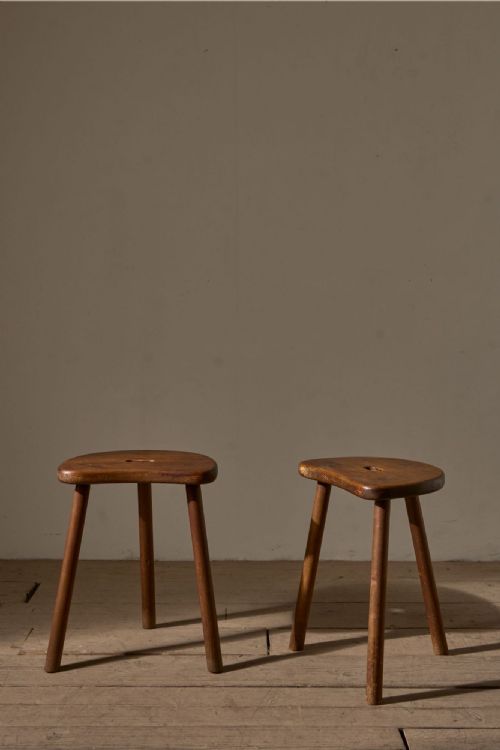


Antique Three Legged Seat
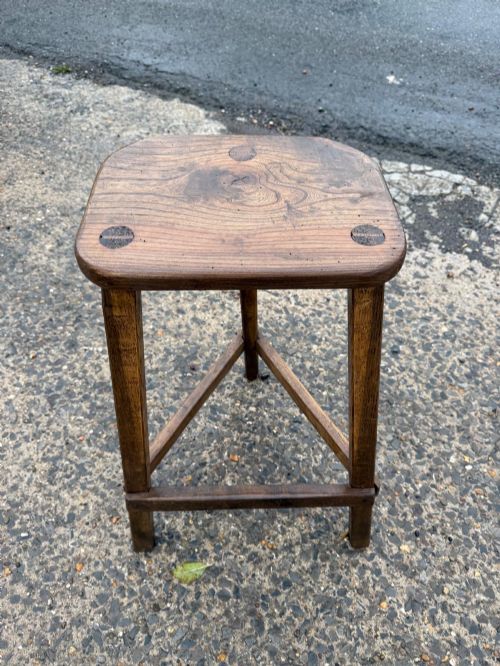
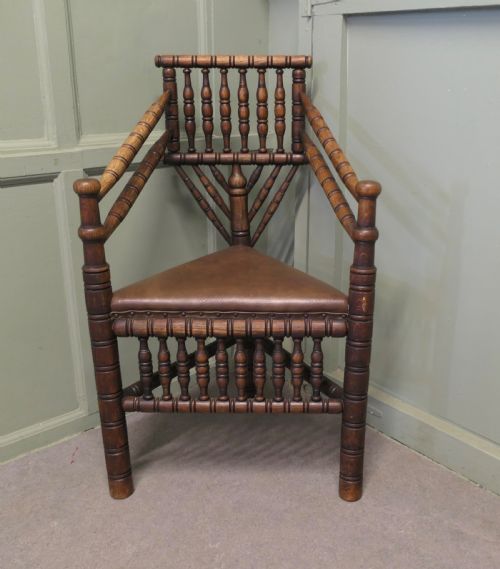
An antique three legged seat brings genuine vernacular character to a room, offering sturdy low seating shaped by centuries of traditional carpentry.
Antique Three Legged Seat
An antique three legged seat encompasses practical artisan stools, tripod designs and vernacular seating found across 19th-century and early 20th-century interiors. These pieces range from simple round-topped milking stools to specialised craft work stools used by turners and cutlers.
The version most commonly met on this page is the robust timber stool, often fashioned with three splayed legs to maintain stability on uneven floors. Makers selected local woods to construct these compact seats for daily utility in farmhouses and workshops.
Materials and construction methods
Craftsmen utilised solid hardwoods such as oak, elm and beech, shaping seats with simple hand tools and turning legs on bodger lathes. Legs were typically secured into bored holes beneath the seat using wedged tenons for lasting strength.
Makers occasionally incorporated carved details or pokerwork decoration on the seat surface, while retaining the straightforward three-legged tripod geometry essential for functional stability.
Listings feature robust timber materials including oak, elm, walnut and mahogany across various 19th-century and early 20th-century periods.
Distinctions in quality
Quality rests in the integrity of the timber selection and the precision of the joinery where the legs meet the underside of the seat. Superior examples display thoughtful proportions, well-balanced splayed legs and timber with a rich, honest grain.
Lesser pieces show crude subsequent repairs or replacement legs that disrupt the historic silhouette, whereas finer specimens retain their original surface patination and structural unity built by competent hands.
Thonet·J. Shoolbred·James Shoolbred·Gillows·Hampton & Sons
The Antique Three Legged Seat Glossary
- Vernacular stool
- A utilitarian seat made by local craftsmen using readily available regional timbers without formal stylistic pretensions.
- Tripod
- A three-legged support structure that naturally rests firmly on irregular stone or timber floors without rocking.
- Saddle seat
- A wooden seat base scooped and shaped into a contour reminiscent of a riding saddle for seated comfort.
- Turned leg
- A cylindrical wooden support shaped on a lathe to create decorative rings and tapered profiles.
Antique Three Legged Seat: Frequently Asked Questions
Where were three legged seats used?
These practical seats served workers in rural farmhouses, cottage workshops and trade environments where stability mattered most.
Their compact tripod design allowed them to sit firmly on uneven stone floors and tight workspaces.
How do I care for antique wood?
Maintain the timber by keeping it away from direct heat sources and sudden humidity shifts that cause shrinkage.
Apply a traditional beeswax polish occasionally to nourish the surface and preserve the historic finish.
Are these seats comfortable?
Many examples feature scooped wooden tops shaped to fit the body for straightforward utility during long working hours.
While they lack modern cushioning, their ergonomic wooden surfaces offer surprising support.
How do I date an old stool?
Examine the tool marks, timber characteristics and the method used to secure the legs into the seat base.
Hand-turned spindles and period-specific wear patterns help place pieces within the Victorian or Edwardian eras.