

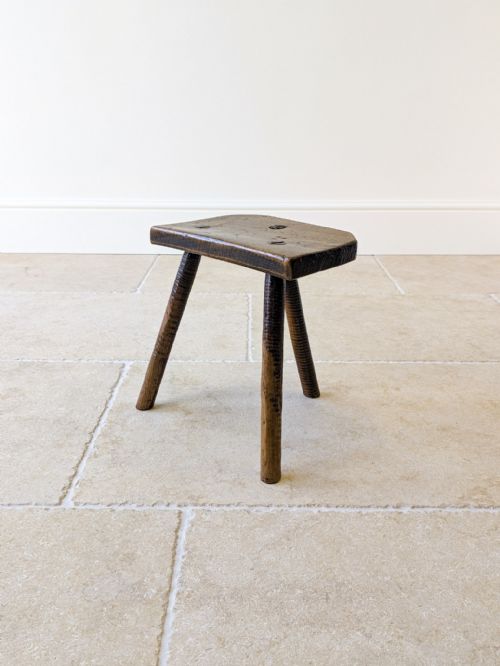
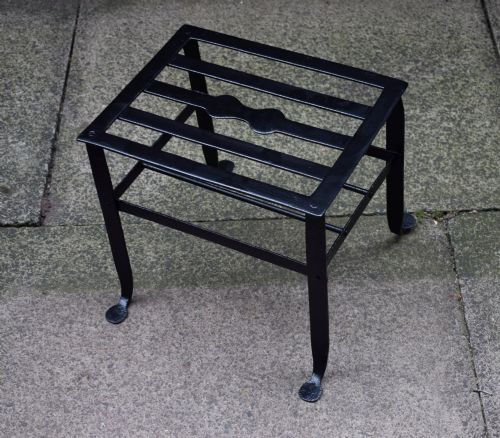
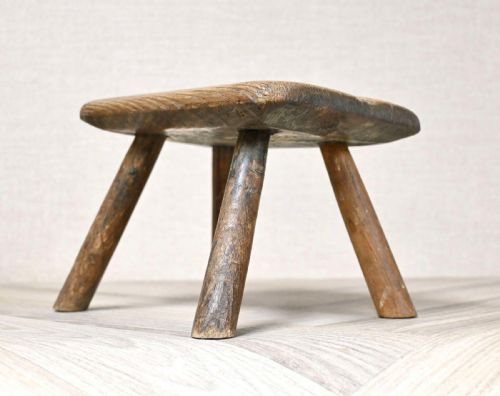
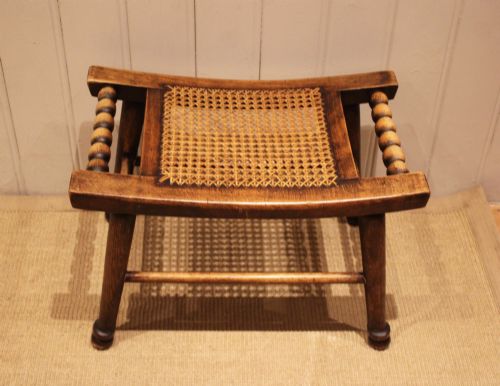
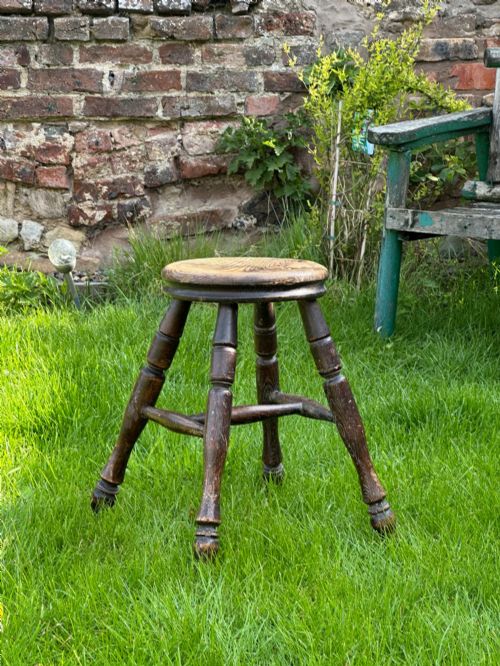


Vintage Rustic Hearth Stool
A vintage rustic hearth stool is a low, sturdy seat built for warmth and fireside utility, combining honest vernacular timber construction with enduring practical charm.
Vintage Rustic Hearth Stool
A vintage rustic hearth stool represents traditional country seating designed for fireside use, appearing across periods from the eighteenth century through to the early twentieth century. When searching for a vintage rustic hearth stool, buyers encounter vernacular forms shaped by regional makers for everyday utility.
The selections on this page span styles from primitive country and traditional vernacular to Gothic Revival and Georgian country. Common configurations include low wooden seats, storage boxes, and rush or cane tops intended for fireside comfort.
Makers utilised available regional timbers, producing pieces that served practical household roles in taverns, cottages, and parlours. These items carry the marks of rural craftsmanship, often displaying straightforward joinery and unpretentious designs.
How they were made
Construction relies heavily on sturdy native hardwoods such as oak, elm, beech, and pine, selected for durability and local availability. Carpenters shaped these timbers into solid oval seats, turned supports, and framing using traditional hand tools.
Seating surfaces often incorporate woven rush or cane, adding texture and flexibility to the sturdy wooden frames. Some examples feature decorative pokerwork, applying scorched ornamentation directly to the wood surface.
Vintage Rustic Hearth Stool Retail Price Guide 2026
Typical asking prices for vintage rustic hearth stool among the pieces listed under this phrase on Sellingantiques today, from the lower quarter to the upper quarter. They describe what is for sale here now, not the wider market.
What varies in quality
Quality rests upon the integrity of the timber selection and the retention of original structural surfaces. Pieces exhibiting honest wear and tight, uncompromised joinery stand apart from those altered or over-restored over time.
The refinement of the turning and the tightness of rush or cane weaving distinguish finer vernacular items from utilitarian workshop output. Balance and proportion within the traditional form dictate the visual success of each individual piece.
The Vintage Rustic Hearth Stool Glossary
- Vernacular
- Everyday objects built by local craftspeople using traditional regional methods rather than high-style academic designs. This approach ensures each piece reflects its immediate geographic origin.
- Pokerwork
- A decorative technique using a heated metal point to burn designs into wooden surfaces. It creates dark, contrasting lines and pictorial scenes.
- Rush
- Woven marsh grasses used historically for traditional seat pads. It provides a resilient and pliable seating surface.
- Turned
- Shaped on a lathe by rotating the timber against cutting tools. This method produces symmetrical legs and stretchers.
Vintage Rustic Hearth Stool: Frequently Asked Questions
What is a hearth stool used for?
These low seats were positioned directly by the fireplace for warming feet or seating oneself close to the fire. Their compact height kept occupants beneath drafts and near the hearth.
Over time, they transitioned into general household seating and footrests within traditional country interiors.
How do I date a wooden stool?
Dating relies on observing tool marks, timber shrinkage, construction methods, and wear patterns consistent with specific eras. Eighteenth-century examples often display hand-sawn boards and trunnels.
Nineteenth- and early twentieth-century pieces incorporate machine assistance and standardised turnings while maintaining regional character.
Are rush seats durable?
Traditional rush seating withstands daily use remarkably well when kept dry and properly maintained. The twisted marsh grass forms a surprisingly resilient pad.
Avoid excessive moisture to preserve the natural fibres over decades of domestic placement.
How do I clean antique timber?
Maintenance requires only a soft cloth and occasional application of traditional wax to nourish the dry wood. Avoid harsh modern chemical cleaners that strip patination.
Gentle care preserves the historical surface accumulation built up through generations of use.