



Dark Wood Milking Stool
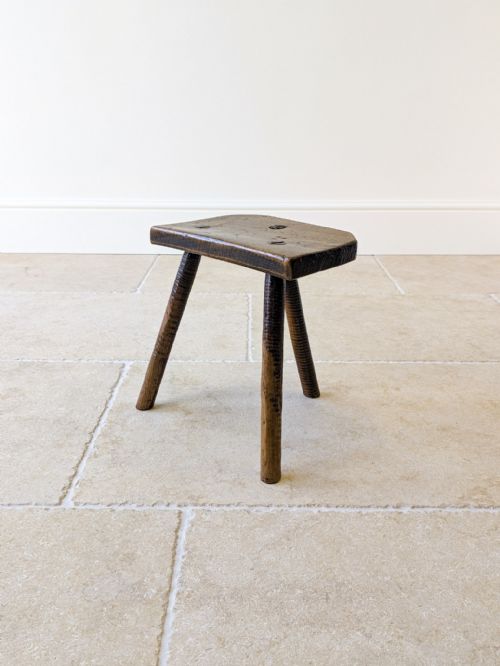
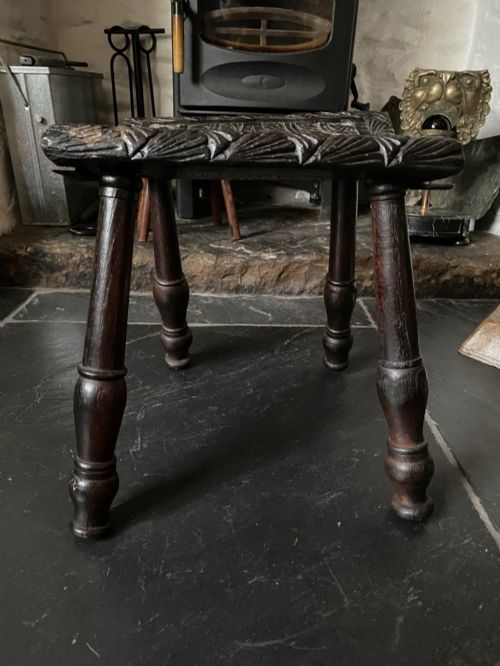
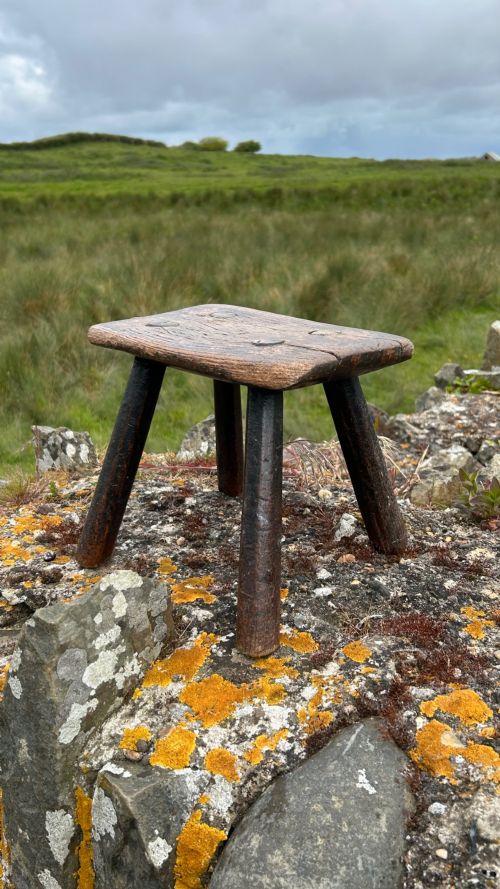
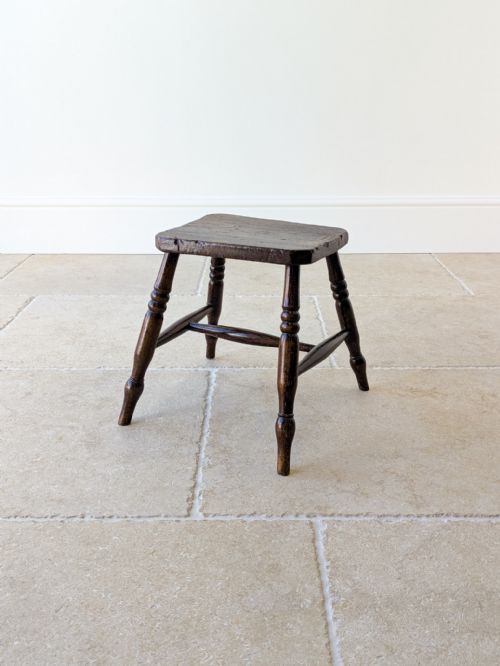
A dark wood milking stool brings honest vernacular charm to a room, offering simple timber construction shaped by generations of practical use.
Dark Wood Milking Stool
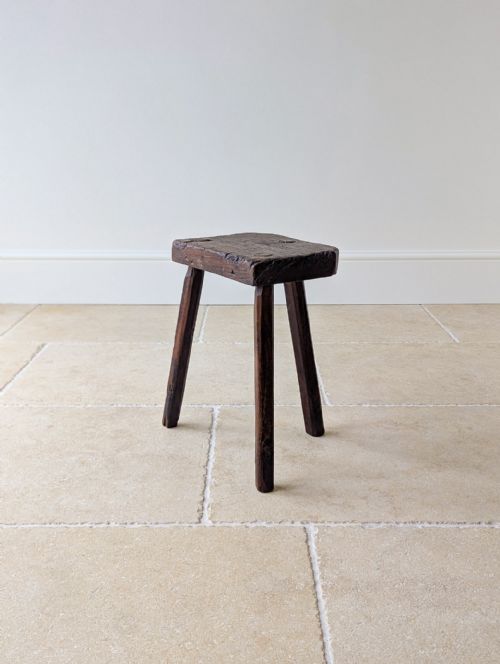
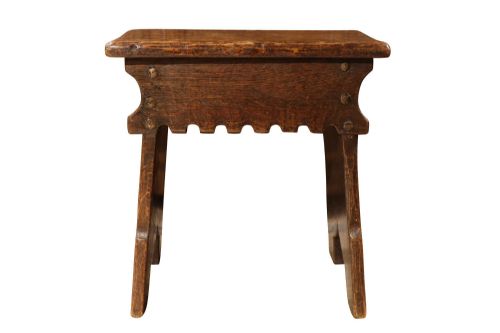
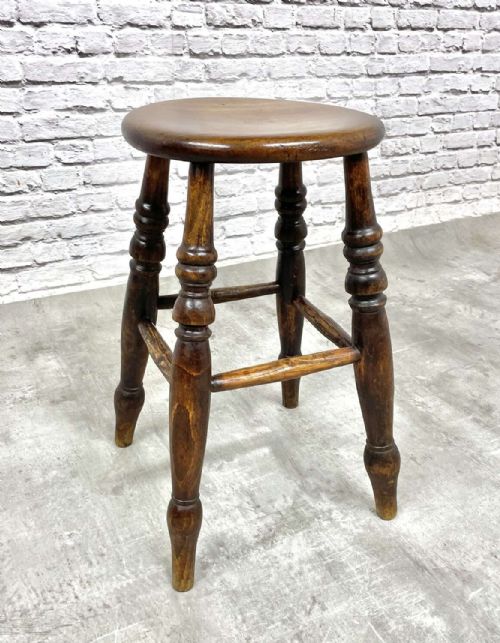
A dark wood milking stool is an unpretentious vernacular seat rooted in utilitarian rural life, ranging from simple peg-construction boards to sculpted Windsor forms. You will most frequently encounter nineteenth-century country pieces shaped from native timbers like elm, ash, and oak.
The selection encompasses diverse regional variations, from diminutive circular tops and live-edge slabs to specialised workshop seats such as jeweller's and cutler's stools. These objects showcase the straightforward ingenuity of historic makers working within rustic farmhouse and Arts and Crafts traditions.
Materials and construction methods
These stools rely upon solid native hardwoods, combining resilient timbers like English oak, beech, and elm to withstand heavy daily use. Makers frequently employed pegged construction to join tops and legs securely without complex metal hardware.
Seats were carved from single solid blocks or thick planks, leaving distinctive tool marks and live edges that reveal the straightforward hand-shaping of country workshops. Turning and boring techniques formed sturdy legs fitted tightly into the underside of the seat.
Dark Wood Milking Stool Retail Price Guide 2026
Typical asking prices for dark wood milking stool among the pieces listed under this phrase on Sellingantiques today, from the lower quarter to the upper quarter. They describe what is for sale here now, not the wider market.
Distinguishing quality in rustic seating
Quality rests in the harmony of proportion, the character of the timber grain, and the integrity of the original joints. A superior piece displays thoughtful shaping to the seat and balanced wear that arises from honest handling over centuries.
Lesser examples may suffer from unsympathetic replacement legs or dry, splitting timber that lacks the rich patination found on well-preserved country surfaces. The presence of crisp carved details or specialist workshop forms elevates a piece beyond basic domestic utility.
The Dark Wood Milking Stool Glossary
- Vernacular
- Everyday objects made by local craftsmen for practical use rather than following strict high-style design rules. These pieces reflect regional traditions and available local materials.
- Pegged construction
- A method of joining wooden components using tight wooden dowels instead of metal nails or modern screws. This traditional technique allows the timber to expand and contract naturally.
- Elm
- A tough, interlocking hardwood frequently used for country chair seats because it resists splitting when nailed or bored. Its dense grain yields deep character over time.
- Windsor
- A style of seating featuring legs and backs socketed directly into a solid sculpted wooden seat. This construction provides exceptional stability.
- Live edge
- The natural edge of the tree retained along the side of a wooden board or seat. It highlights the organic form of the original timber.
Dark Wood Milking Stool: Frequently Asked Questions
What is a dark wood milking stool?
A dark wood milking stool is a traditional low wooden seat created for agricultural and domestic tasks in rural settings. These pieces rely on solid timbers and simple joinery to endure daily labour.
Over time, surviving examples have transitioned from working farm equipment into decorative objects valued for their minimalist aesthetic and historic craftsmanship.
How were these stools used originally?
Farmers and workers utilised these compact seats for routine chores such as milking livestock or performing workshop tasks close to the ground. Their small footprint made them easy to move around barns, dairies, and domestic kitchens.
Specialised variants also served tradespeople like cutlers and jewellers who required sturdy, low seating at their workbenches.
How do I style a milking stool at home?
These versatile seats function well as small side tables, plant stands, or minimalist display surfaces in living spaces and hallways. Their compact size allows them to fit effortlessly into tight corners or beside larger pieces of furniture.
Allow the aged timber surface to stand out against neutral walls or pair the piece with modern interiors to create a striking contrast of textures.
How can I tell the age of a country stool?
Dating relies on observing tool marks, timber shrinkage, and the type of construction joints used by the maker. Hand-cut peg joints and deep patination typically point toward nineteenth-century origins or earlier.
Examining the underside often reveals the primary methods of boring and shaping that define distinct historic production periods.