


19th Century Scottish Furniture
These robust 19th century scottish furniture pieces combine practical utility with regional cabinet-making traditions, offering buyers distinct character and enduring build quality.
19th Century Scottish Furniture
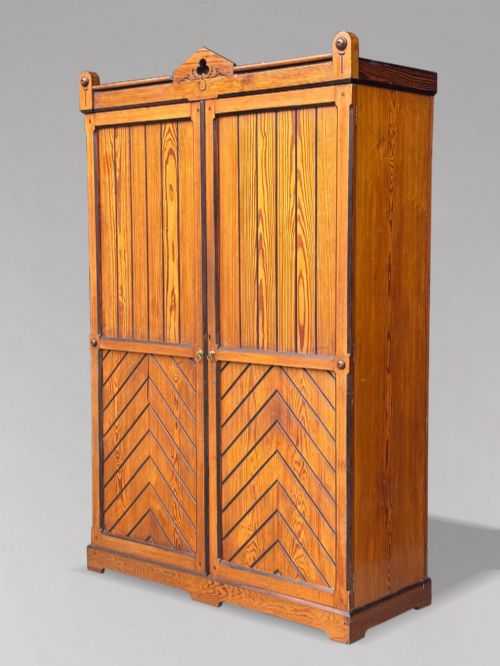
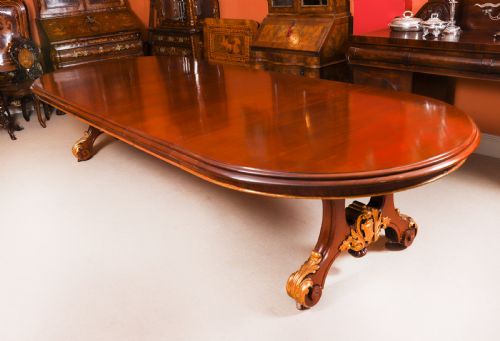
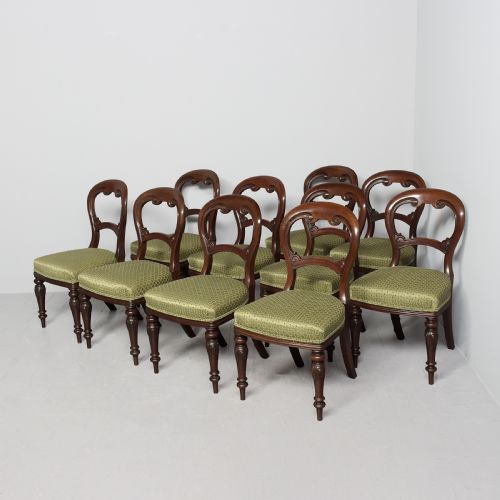
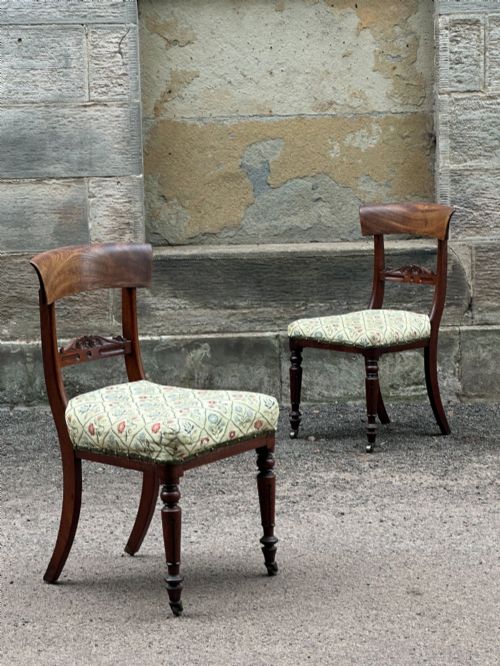
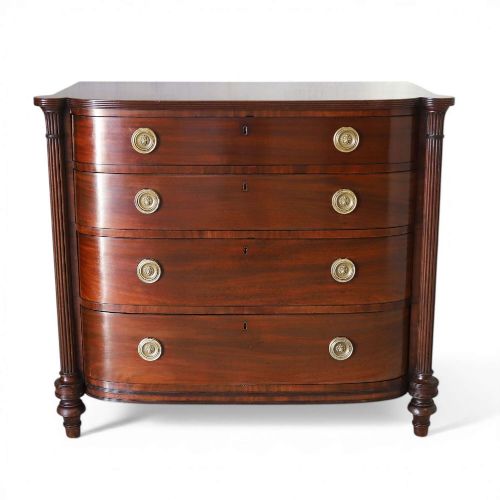
When you examine 19th century scottish furniture, you encounter a diverse range of domestic items spanning dining tables, chairs, chests of drawers, and kitchen dressers. These items originate from periods including the Regency, Victorian, and William IV eras, reflecting both urban cabinet-making and rural vernacular traditions.
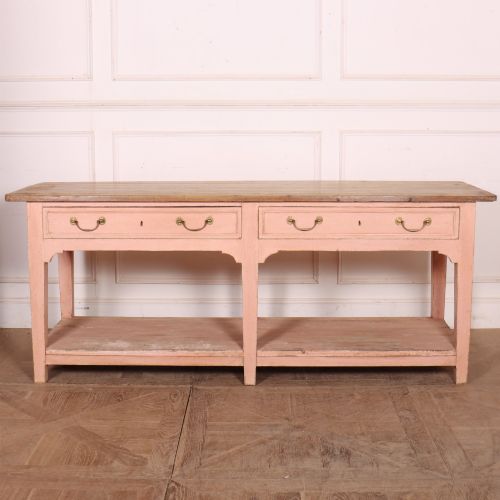
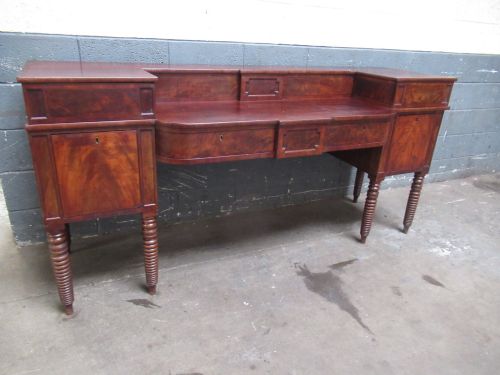
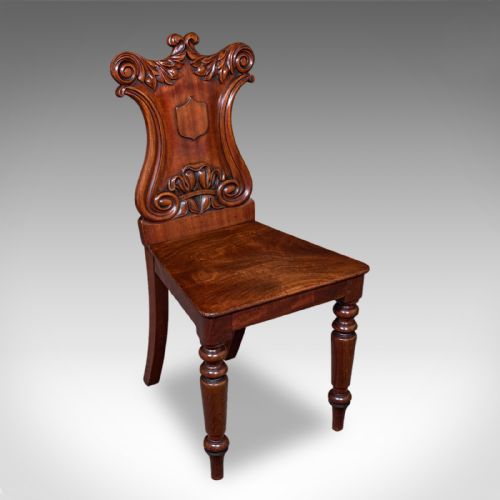
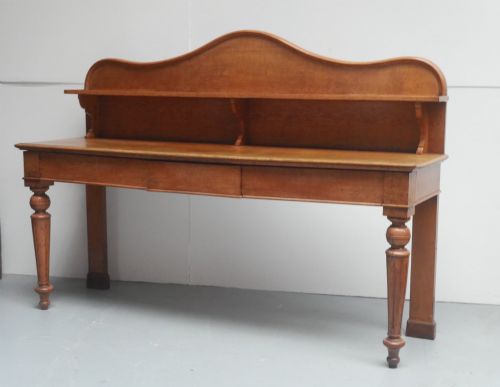
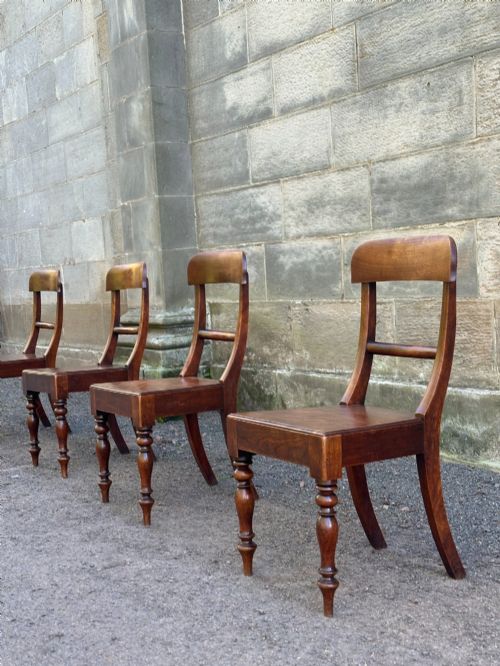
The regional output includes formal rosewood and mahogany serving tables alongside robust oak and pine farmhouse potboard dressers. Buyers frequently encounter seating options such as hall chairs, Windsor chairs, and dining chair sets originating from workshops in Edinburgh and Glasgow.
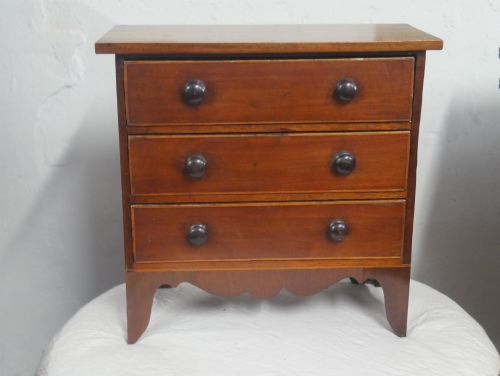
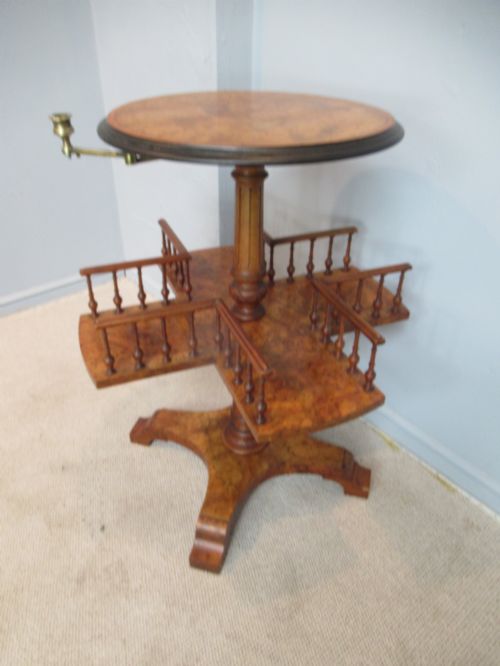
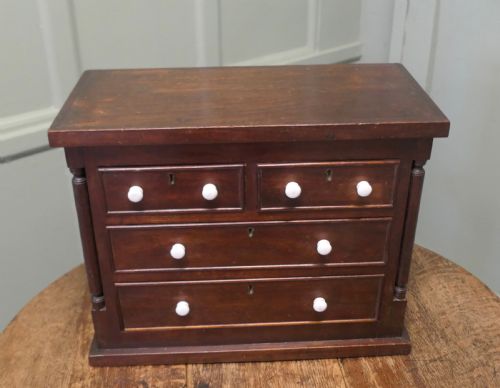
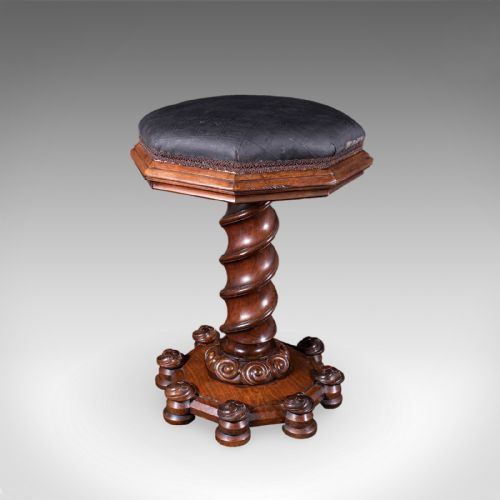
Smaller scale items, such as miniature chests, apprentice pieces, and revolving bookstands, demonstrate the meticulous skill applied to domestic furnishings. Selecting pieces from this category allows collectors to integrate historic regional craftsmanship into contemporary interiors.
Materials and Construction
Cabinet makers utilised primary timbers such as mahogany, oak, walnut, and birch, frequently applying flame mahogany veneer to prominent drawer fronts and tabletops. Structural elements in vernacular pieces often incorporated secondary softwoods like pine, whilst brass components provided functional hardware.
Joinery techniques relied upon traditional mortise and tenon joints for structural stability, alongside dovetailed drawer construction for longevity. Surface finishes involved hand-applied polish or paint, protecting the wood while accentuating natural grain patterns.
Listings span multiple decades, incorporating Georgian, Regency, William IV, and Victorian manufacturing periods.
Factors Determining Quality
The standard of timber selection largely distinguishes standard regional output from exceptional workshop production. Artisans who matched burr walnut or flame mahogany veneers across entire drawer banks achieved a visual harmony that elevates the piece.
Structural integrity and the retention of original brass hardware, timber patination, and maker labels differentiate superior examples. Workshop attribution to known Edinburgh or Glasgow makers adds considerable authority to an item.
Wylie & Lochead·J & T Scott·William Trotter·R H & J Simpson·James Mein of Kelso
The 19th Century Scottish Furniture Glossary
- Apprentice piece
- A miniature version of a larger furniture item created by a trainee to demonstrate proficiency. These items frequently display the same dovetailing and joinery standards as full-scale furniture.
- Potboard dresser
- A kitchen or dining room base unit featuring open lower shelving intended for storing pots and ceramics. They typify rural vernacular joinery.
- Flame mahogany
- A wood veneer cut from the fork of the mahogany tree, producing a distinctive flickering flame pattern. Cabinet makers used this on prominent drawer fronts during the Regency and Victorian periods.
- Chiffonier
- A compact sideboard or low cabinet equipped with enclosed lower storage and upper shelving. This form gained popularity during the Regency and Victorian eras.
- Pokerwork
- A decorative technique involving hot needles or irons burned into wood surfaces to create pictorial designs. Scottish examples occasionally incorporate regional mottoes.
19th Century Scottish Furniture: Frequently Asked Questions
How do I identify Scottish furniture?
Look for distinct regional furniture patterns, specific native timbers like birch or regional oak, and attribution labels from Edinburgh or Glasgow cabinet makers.
Examining secondary woods and construction methods also helps confirm regional origin.
Were these pieces used in formal homes?
Townhouse interiors utilised formal rosewood card tables and mahogany sideboards, whereas rural properties relied on oak dressers and vernacular chairs.
Both domestic tiers formed part of the broader 19th century production.
How do I care for antique mahogany?
Keep wooden surfaces away from direct heat sources and fluctuating humidity to prevent timber splitting or veneer lifting.
Apply traditional wax polish sparingly to maintain the natural finish without building up residue.
What is a Scotch chest?
A traditional chest of drawers featuring a concealed upper frieze drawer above deep graduated drawers, often veneered in flame mahogany.
This form is a distinct feature of 19th century Scottish bedroom furniture.