
Antique Thonet Hall Stand
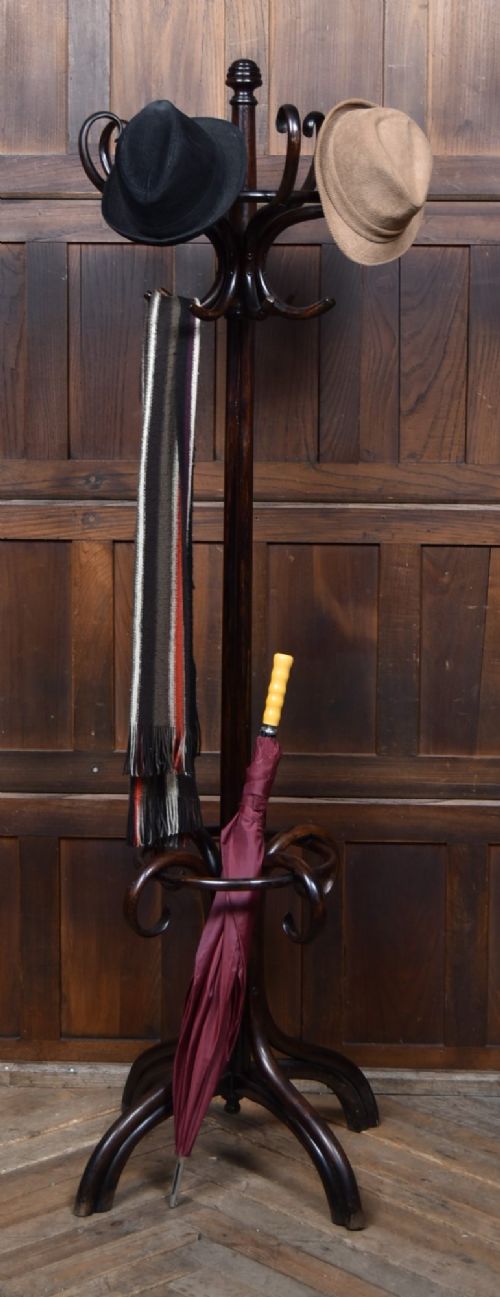
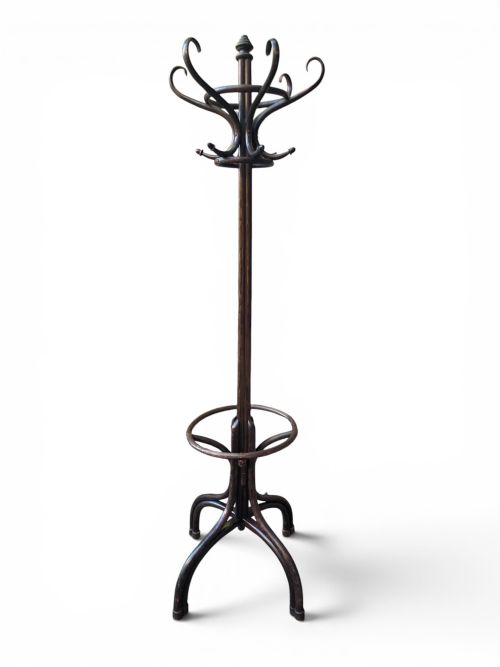
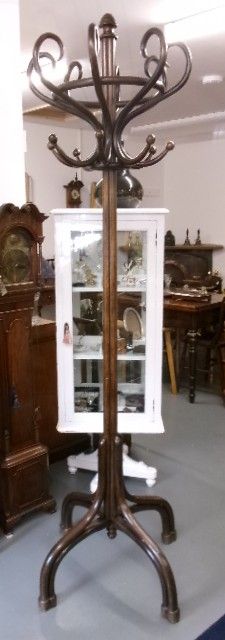
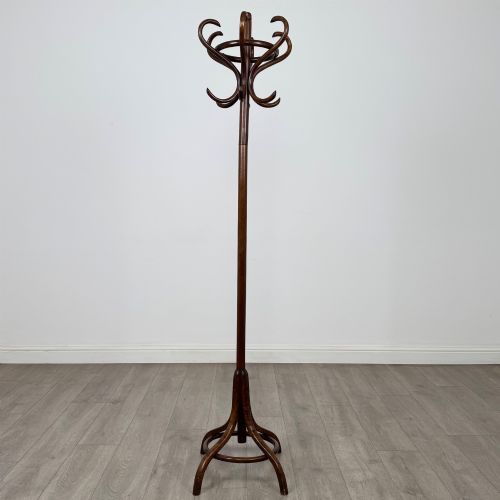
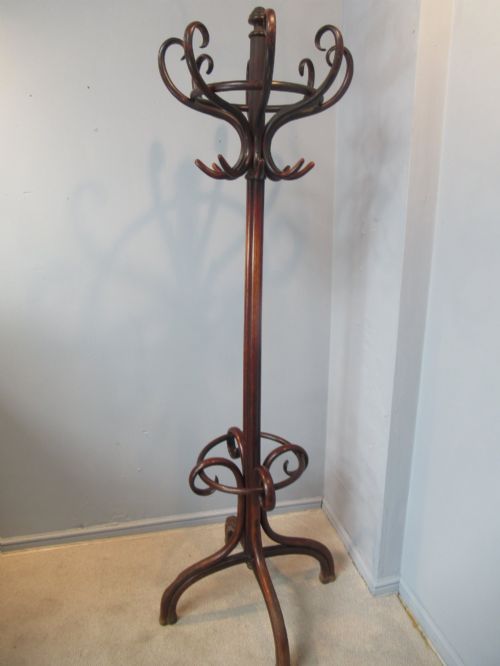
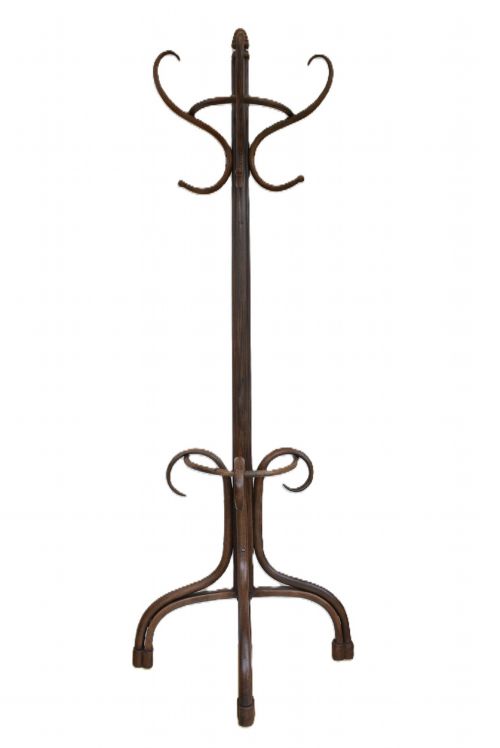
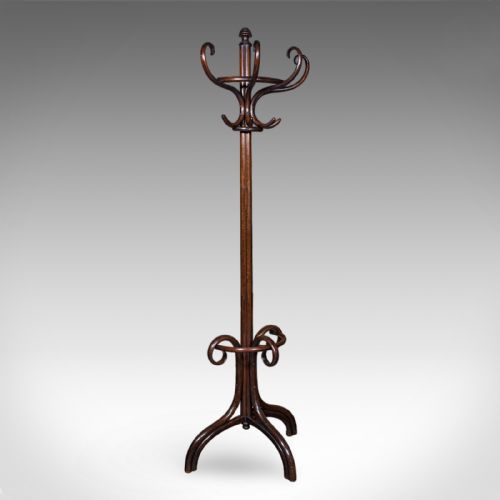
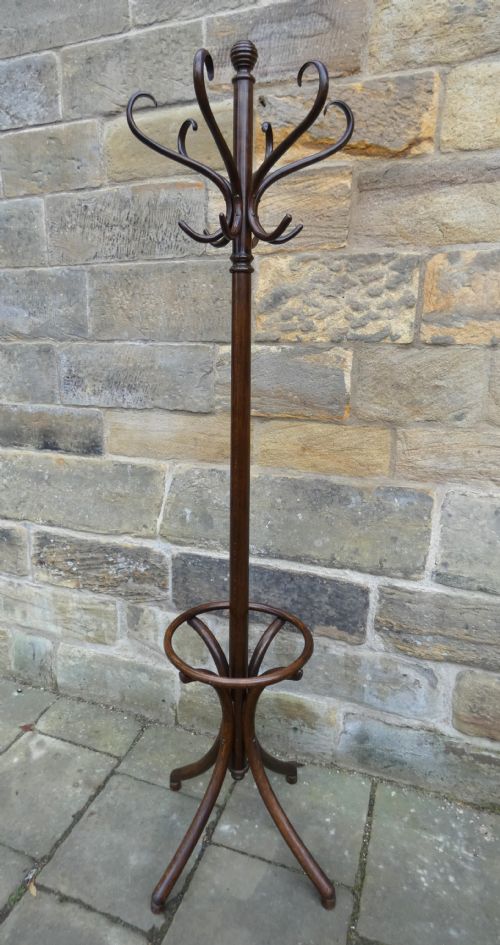
An antique thonet hall stand brings sculptural curves and practical utility to an entrance hall, combining steam-bent wood with clever tiered hanging rails.
Antique Thonet Hall Stand
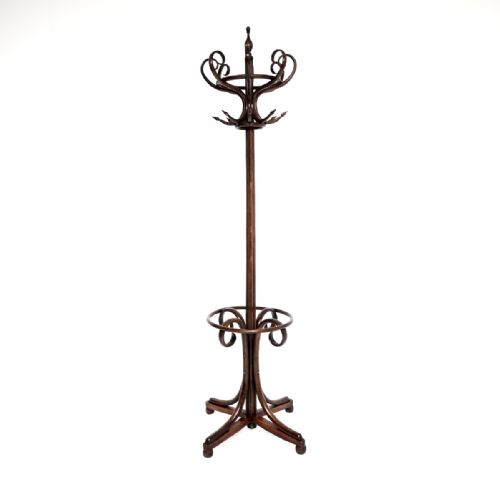
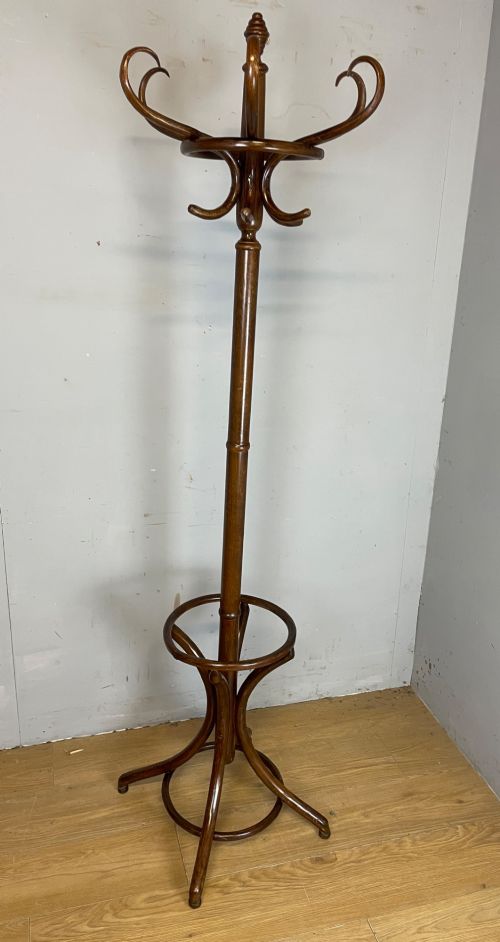
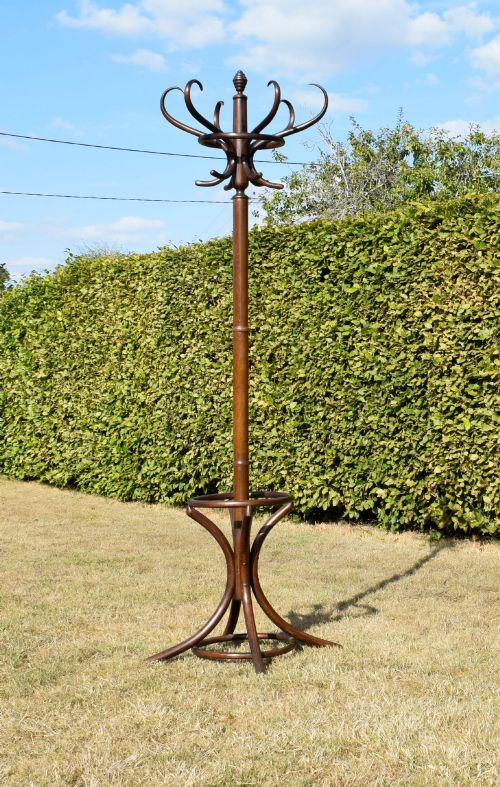
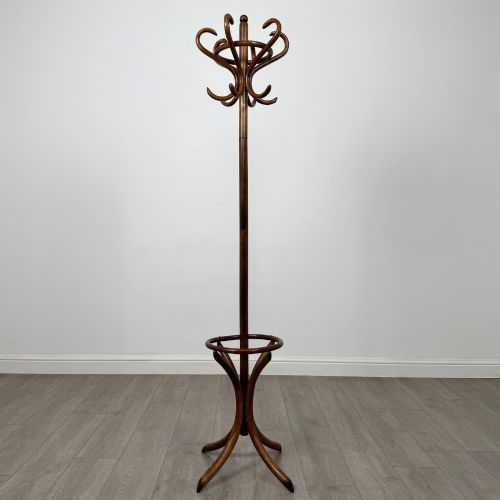
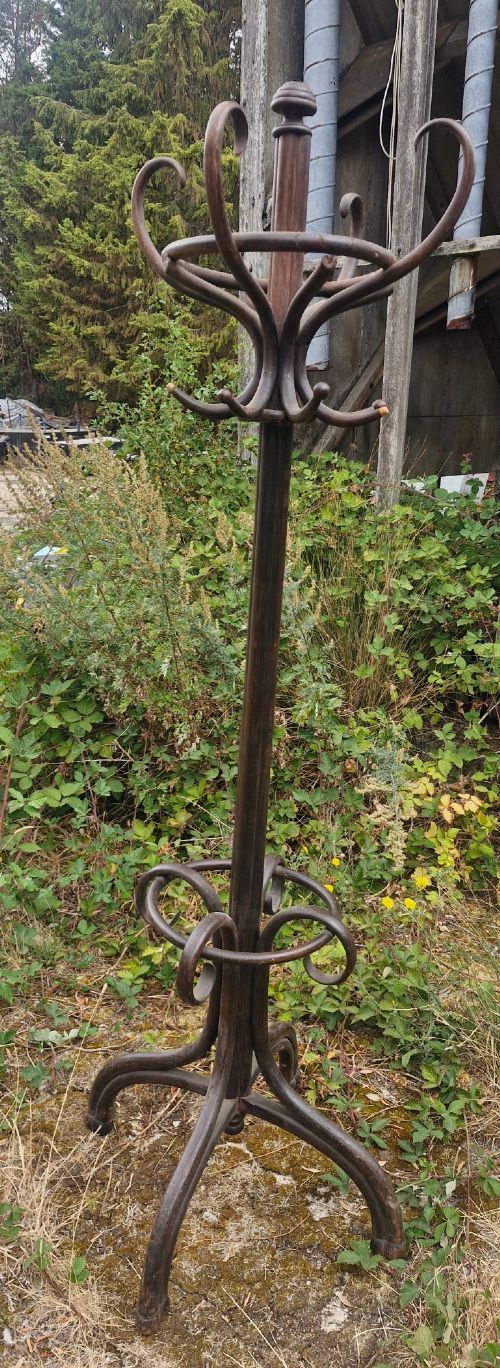
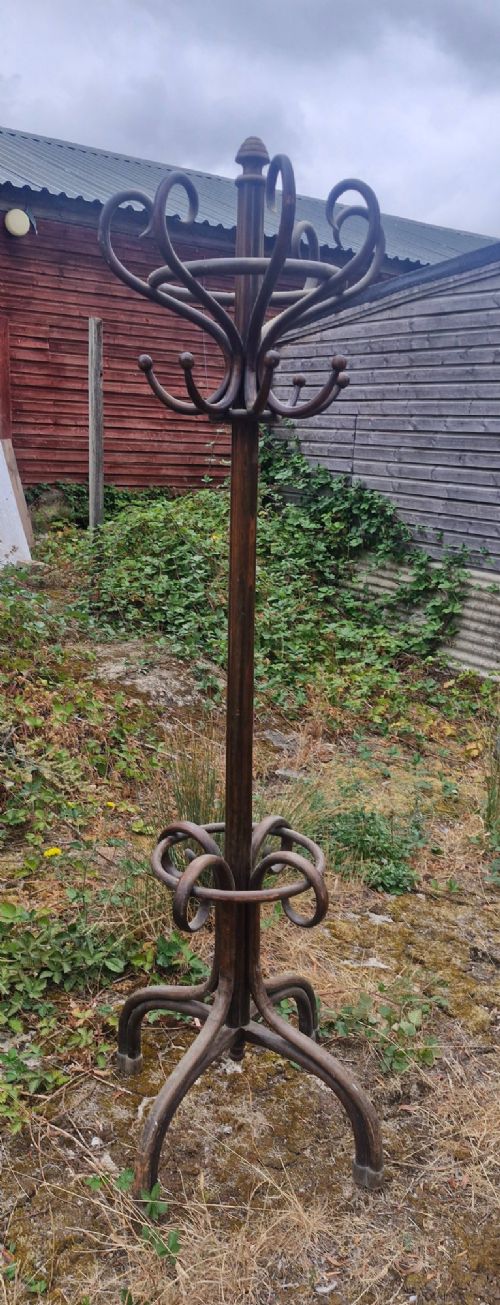
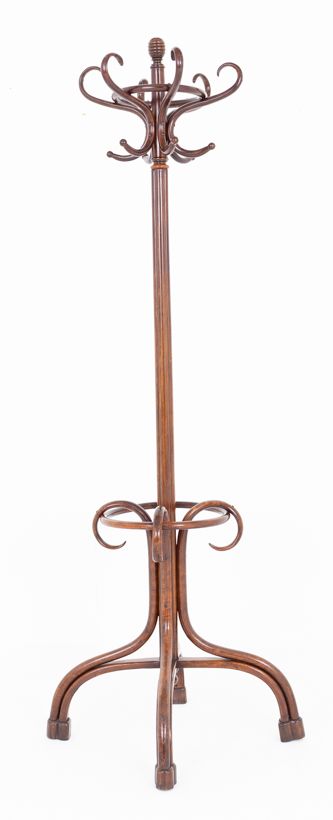
An antique thonet hall stand serves as a freestanding furniture piece designed for hallways to hold hats, coats, sticks, and umbrellas. The selections here span the Victorian era, the Edwardian period, and the early twentieth century.
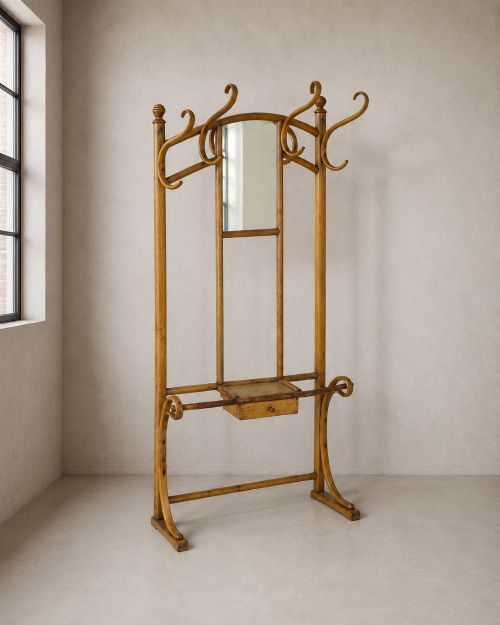
Buyers encounter various forms, including rotating designs, half-round or demi-lune configurations, and wall-standing versions. These tall pieces utilise curved wooden members to create strong yet lightweight frames.
Originating largely from Austrian workshops, these hall stands display distinct regional traits, with some items bearing maker labels while others reflect the broader bentwood style.
How they were made
Makers utilised beech and beechwood as the primary timber, valued for its strength and ability to take curves. Workers subjected solid wood lengths to steam heat, rendering the material pliable enough to bend into consistent radii.
The softened timber was placed into iron forms to dry and retain its shape before assembly. Artisans then joined the curved components using screws and internal brackets, often applying a wood stain to finish the surface.
What varies in quality
Quality rests in the smoothness of the curves and the uniformity of the steam bending across structural limbs. Superior examples maintain rigidity without excessive metal bracing, relying instead on precise joinery.
The presence of maker labels or stamps elevates an item's standing among collectors. Heavier framework and double top tiers also distinguish more robust hall stands from standard utility models.
Thonet·Fischel
The Antique Thonet Hall Stand Glossary
- Bentwood
- Wood shaped by exposure to steam and pressure. This technique allows long, flowing curves that define the silhouette of the stand.
- Demi-lune
- A half-round shape used for hall stands designed to sit flush against a wall. This configuration saves floor space in narrow hallways.
- Revolving
- A rotating top section that allows users to access hooks from multiple angles without moving the base.
- Thonet style
- Furniture produced in the manner of the pioneering Austrian firm, utilising steamed beech components and scrollwork brackets.
- Umbrella stand
- A lower section fitted with metal rings or drip pans to catch moisture from wet sticks and umbrellas.
Antique Thonet Hall Stand: Frequently Asked Questions
How do I date an antique thonet hall stand?
Dating relies on recorded periods such as the Victorian era, Edwardian years, or early twentieth-century decades like 1900 and 1910. Design complexity and original maker labels also help establish the decade of production.
Later pieces from the 1920s and 1930s often show subtle shifts in proportion and base construction compared to 19th-century examples.
Are these hall stands sturdy enough for daily use?
These pieces derive their strength from steam-bent beechwood frames that distribute weight evenly across multiple hooks and rails. Heavier quality builds handle daily coats and hats with ease.
Placing the stand on level flooring ensures the tall structure remains balanced during use.
How do revolving hall stands work?
Revolving hall stands incorporate a rotating upper mechanism that turns independently of the lower stem and base. This allows users to reach hanging garments from any angle in a tight space.
The pivot mechanism requires proper alignment during maintenance to keep the rotation smooth.