
Traditional Hall Coat Rack
A traditional hall coat rack keeps everyday garments orderly while establishing the character of an entrance.
Traditional Hall Coat Rack
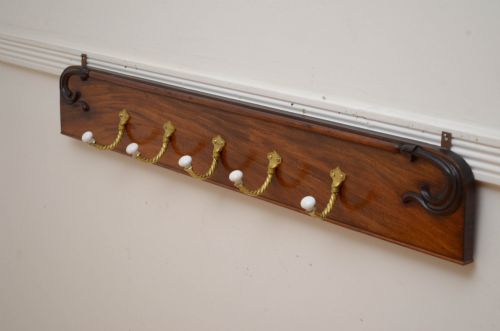
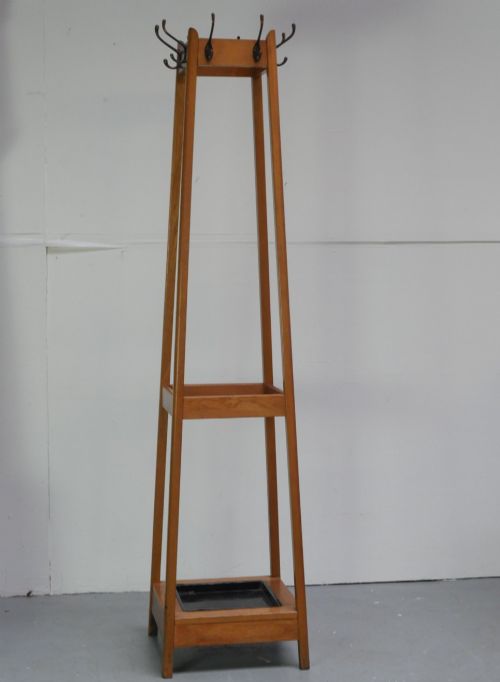
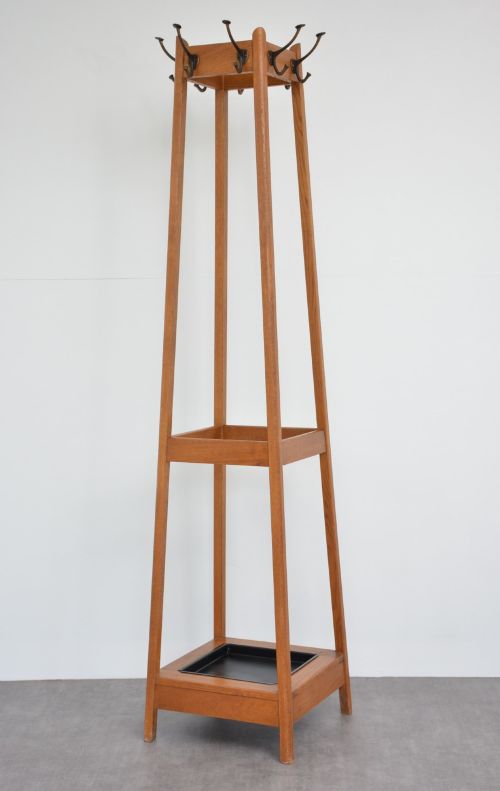
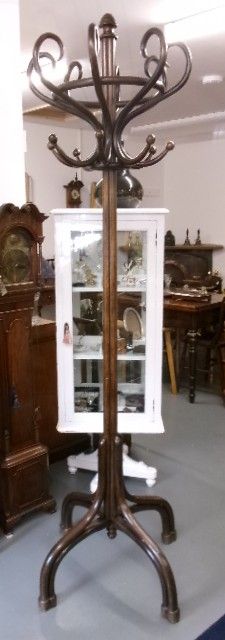
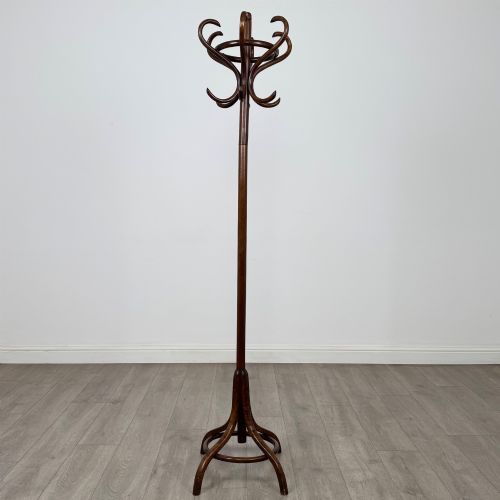
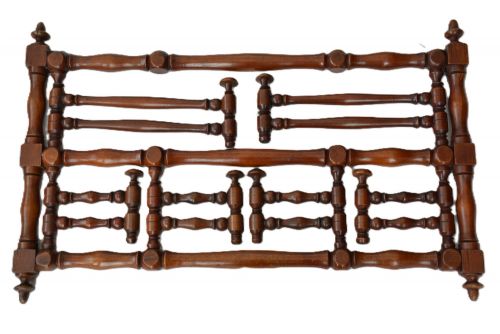
A traditional hall coat rack serves as an essential entryway fixture designed for hanging outerwear, hats and umbrellas. Buyers seeking a traditional hall coat rack encounter various configurations, from compact wall-mounted strips to large freestanding furniture pieces.
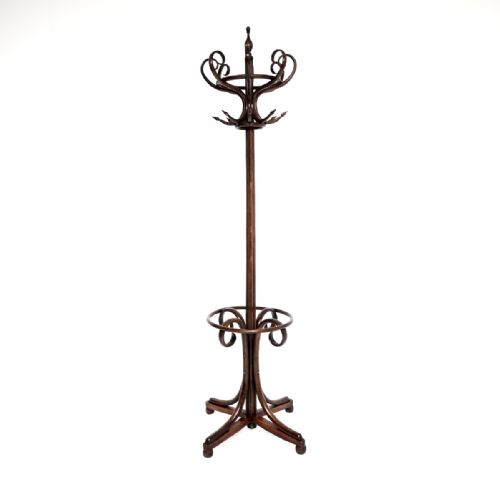
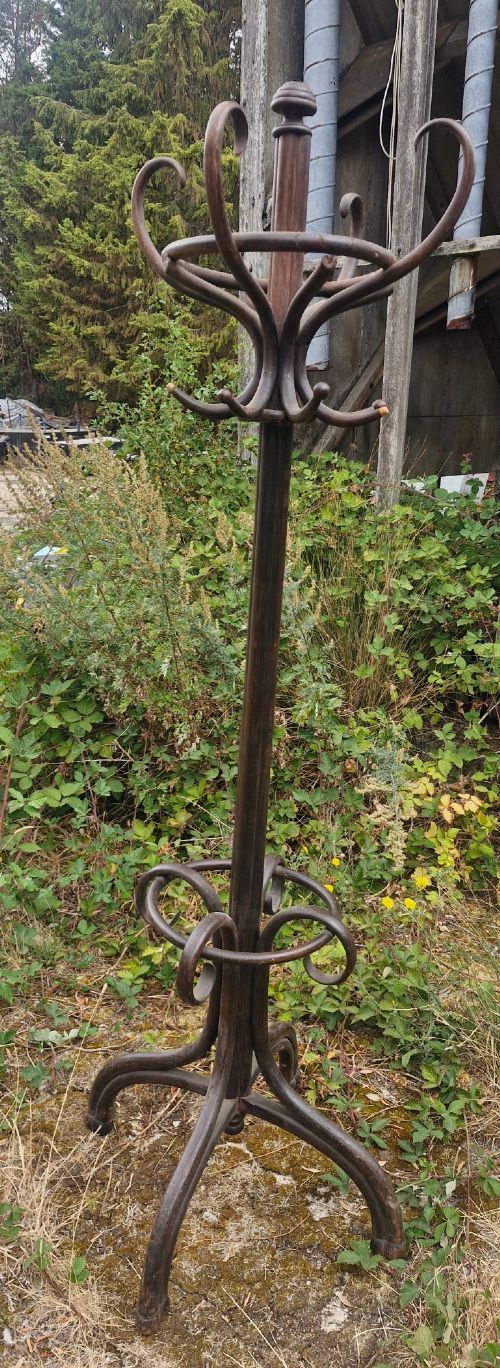
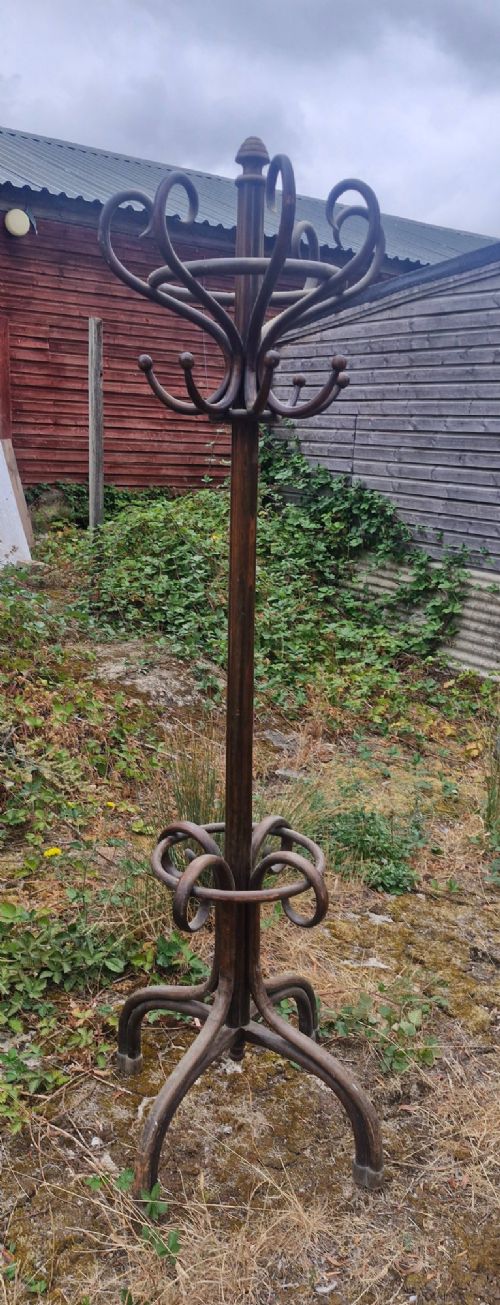
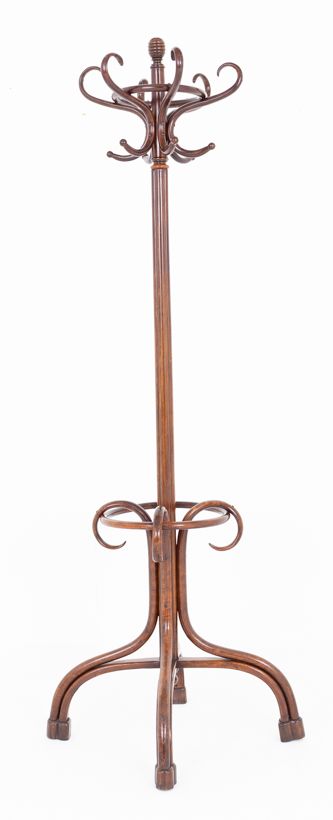
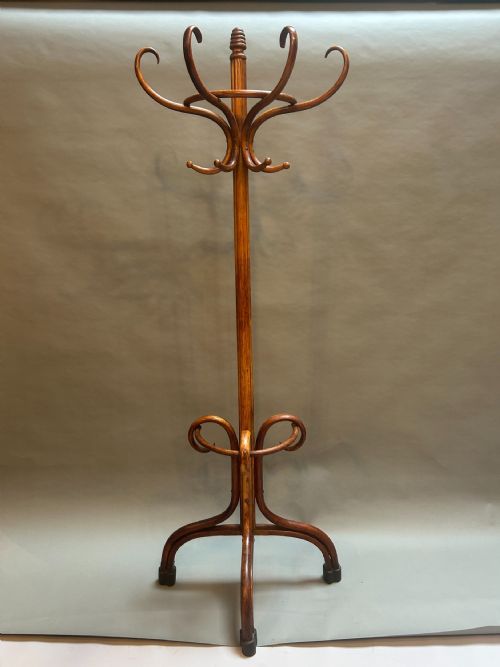
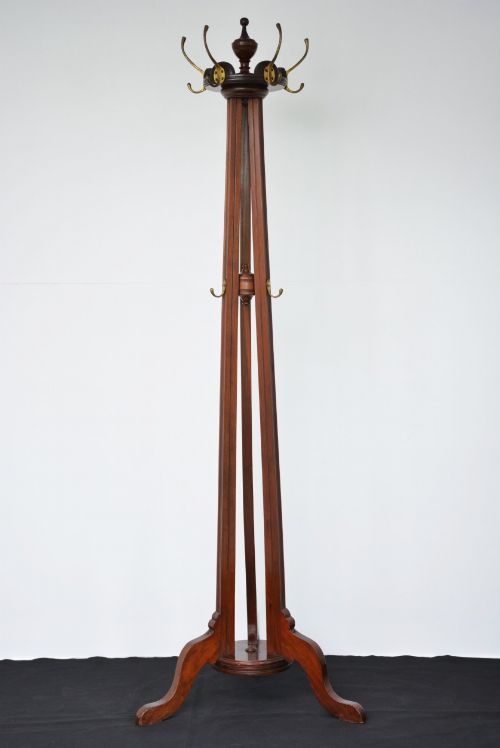
The selection ranges from Victorian and Edwardian examples to Arts and Crafts designs, spanning periods from the nineteenth century through the mid-twentieth century. Bentwood items in beech or beechwood appear frequently, alongside substantial oak and mahogany hall stands.
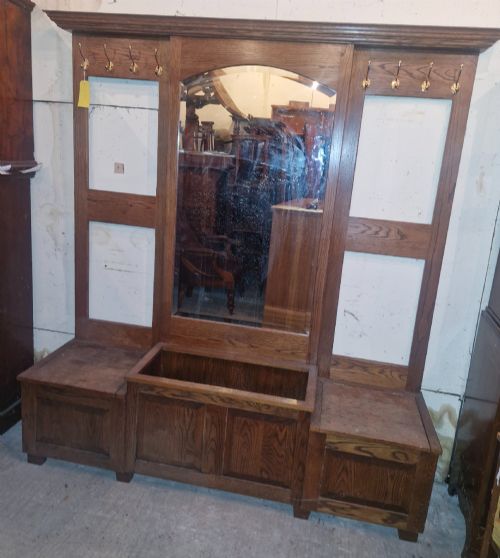
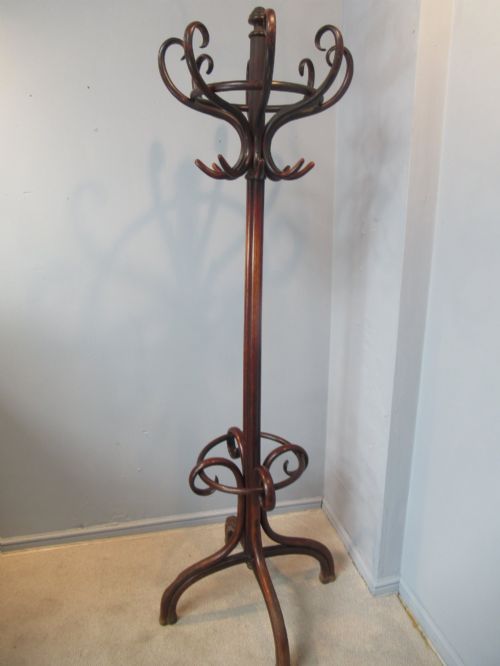
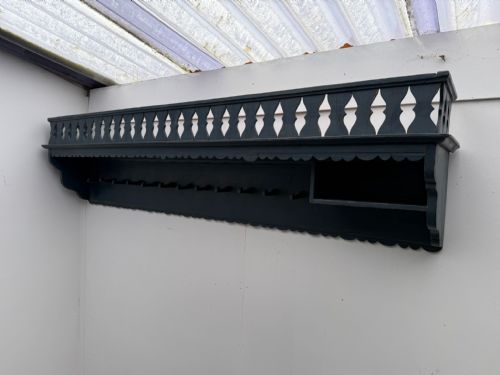
Wall-standing designs and revolving models offer practical solutions for narrow hallways and larger vestibules alike. Many pieces incorporate integrated umbrella holders, drip trays, mirrors or bench seats to maximise utility.
Materials and construction methods
Timbers such as oak, mahogany, walnut, pine and beech form the primary structure of these items. Bentwood pieces utilise steam-bent beech or beechwood to create flowing, curved uprights and hook assemblies.
Several freestanding stands include built-in metal drip trays to catch rainwater from wet umbrellas, protecting hallway floors from sudden downpours.
Evaluating standard and craftsmanship
Quality depends upon the selection of timber and the precision of joinery, particularly in structural joints that bear the weight of heavy coats. Solid wood construction and well-executed steam bending distinguish finer items from simpler utilitarian versions.
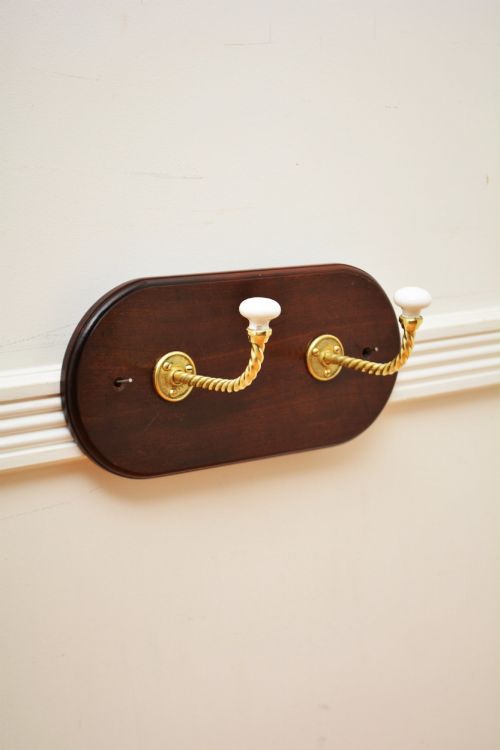
The retention of original hardware, including brass hooks, ceramic elements and drip trays, contributes significantly to the integrity of a piece. Finer examples display careful turning, carving or painted finishes that remain intact through decades of domestic use.
Jas Shoolbred
The Traditional Hall Coat Rack Glossary
- Bentwood
- Furniture formed by steaming timber until pliable and bending it into curved shapes. This technique defines many nineteenth and twentieth-century hatstands.
- Hall stand
- A multi-functional piece combining coat hooks, a mirror, umbrella stands and sometimes a bench seat. These items anchor traditional entrance halls.
- Hat tree
- A freestanding vertical post with multiple tiers of projecting arms for hats and coats. They often feature revolving sections for easy access.
- Demi-lune
- Half-moon shape, applied to hall stands designed to sit flat against a wall. This profile saves floor space in compact corridors.
Traditional Hall Coat Rack: Frequently Asked Questions
Where should a wall-mounted rack be placed?
Wall-mounted racks suit narrow entrance passages or cloakrooms where floor space is limited. Install them at a height that accommodates everyday coats while allowing clearance below for shoes or benches.
Ensure fixings are secured directly into wall studs or masonry to support the weight of heavy winter garments.
How do I care for bentwood furniture?
Bentwood pieces require stable indoor humidity to prevent the steam-bent timber from drying out or splitting. Dust regularly with a dry cloth and avoid placing them near direct heat sources.
Apply a mild furniture wax occasionally to nourish the beech or beechwood surfaces and maintain their polished finish.
What is the difference between a coat stand and a hall stand?
A coat stand is typically a vertical post dedicated primarily to hanging hats and coats. They often feature bentwood or turned wooden frames with multiple branch-like hooks.
A hall stand is a larger, multi-functional furniture item that frequently incorporates a mirror, umbrella wells with drip trays, and occasionally a storage box or bench seat.
Are these pieces suitable for modern hallways?
These items integrate readily into contemporary interiors by providing functional storage with distinct historical character. Freestanding bentwood stands fit neatly into corners or small vestibules without permanent wall installation.
Integrated umbrella holders and mirror panels make them practical for daily use in modern homes.