

Antique Textile Throw
An antique textile throw brings centuries of skilled handiwork into a modern interior, offering rich colour and texture through historical panels, shawls, and covers.
Antique Textile Throw
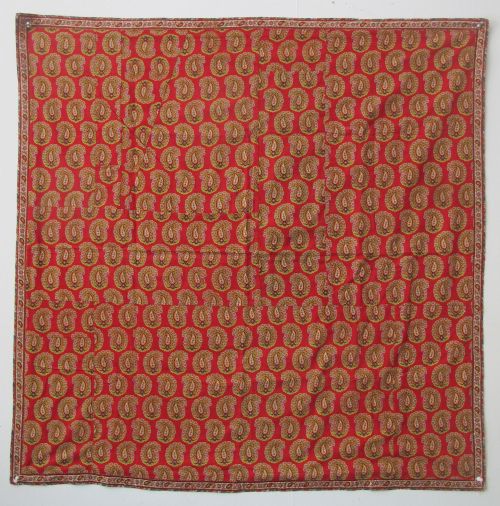
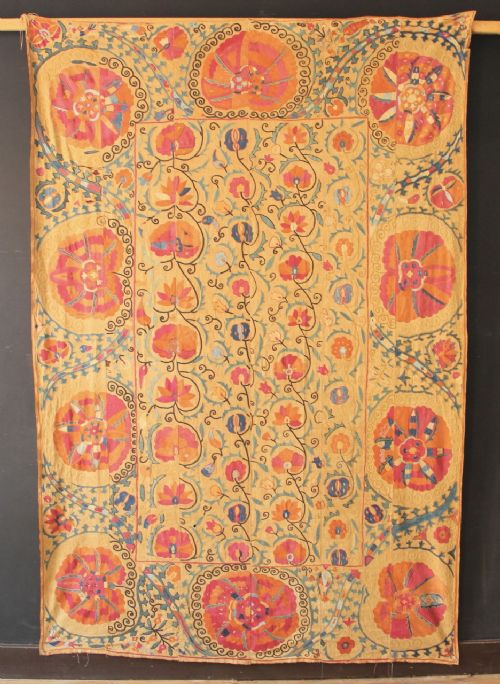
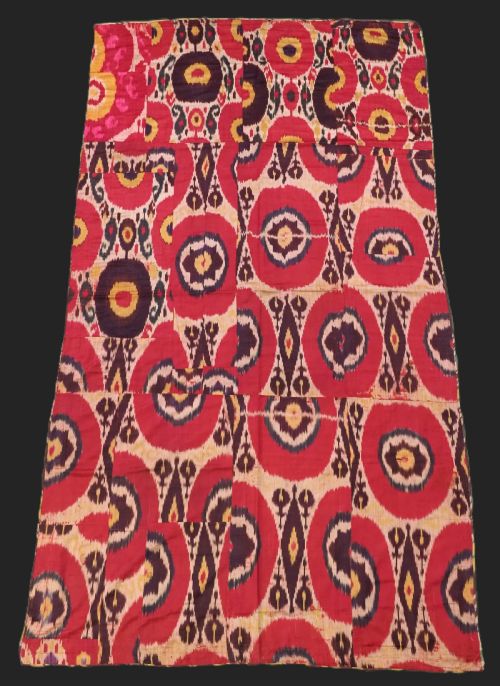
When searching for an antique textile throw, collectors encounter a diverse array of historic coverings, ranging from Central Asian suzanis and ikat panels to Scottish and Kashmiri woven shawls. These functional pieces span multiple centuries, incorporating remnants of traditional embroidery, tapestries, and blockprinted fabrics repurposed for domestic display.
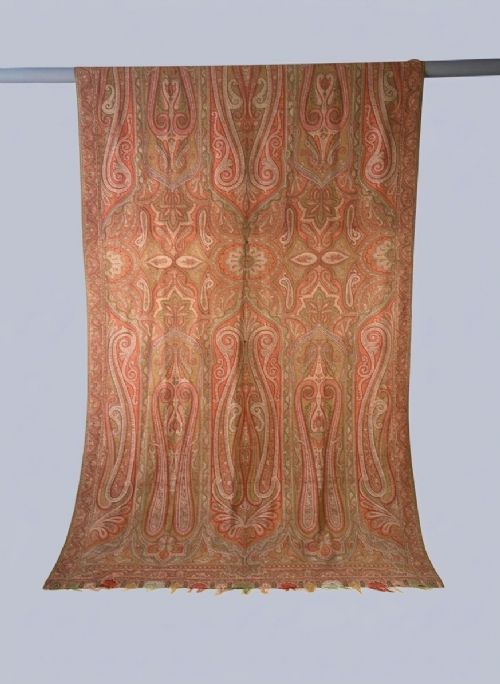
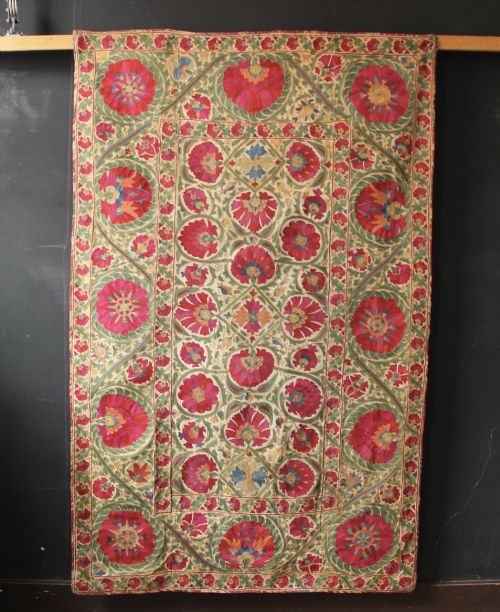
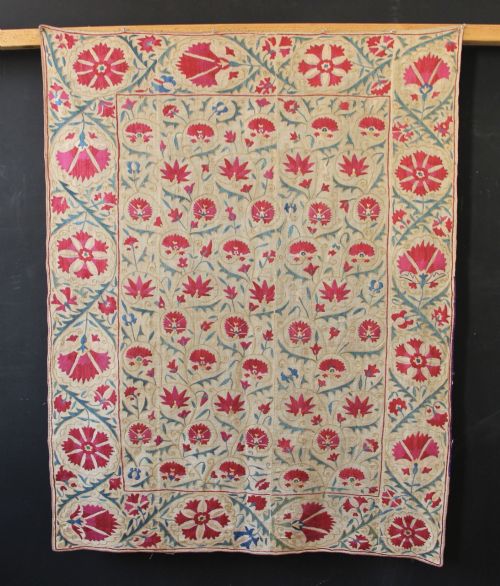
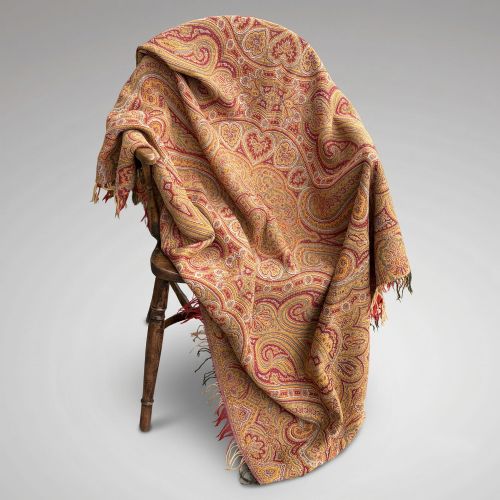
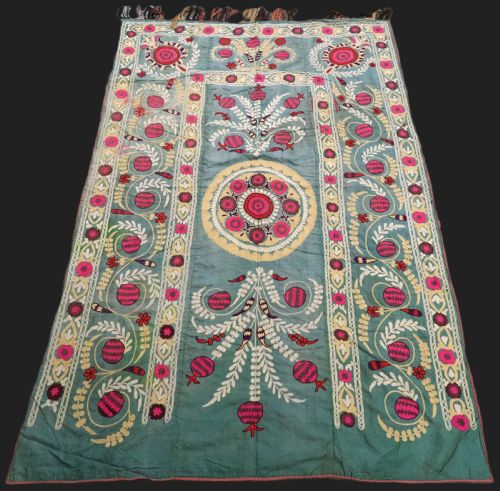
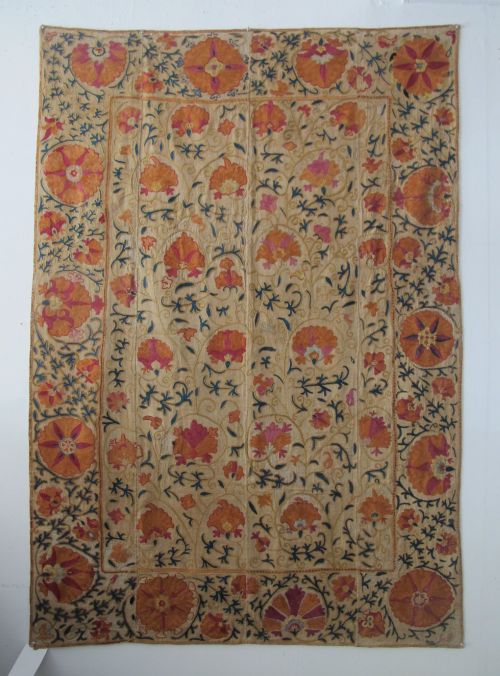
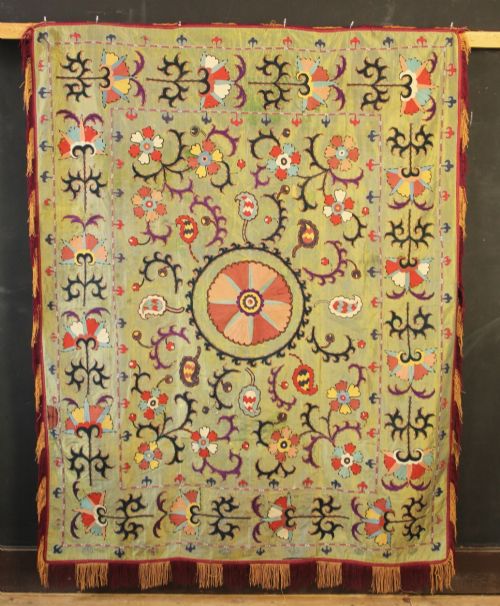
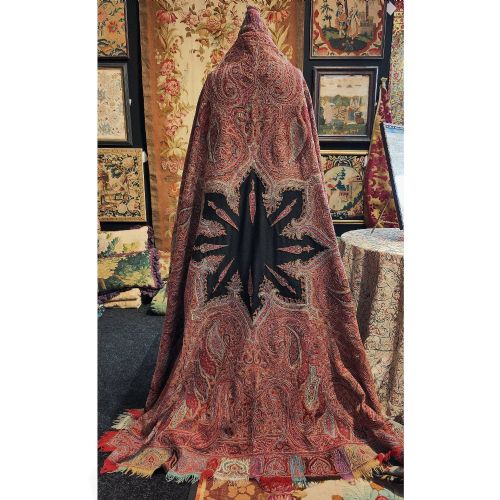
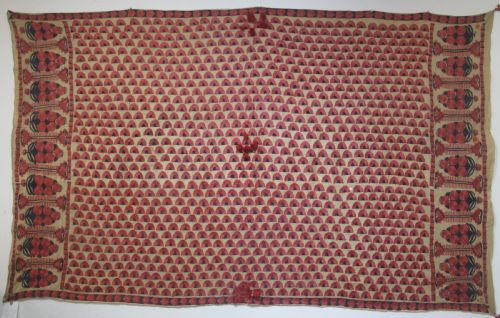
The most common items meeting this description on this page are nineteenth-century Uzbek suzanis and nineteenth-century paisley shawls. Suzanis provide vibrant silk embroidery on cotton or wool foundations, whilst paisley and Kashmiri shawls offer dense wool or silk motifs suited for draping over furniture.
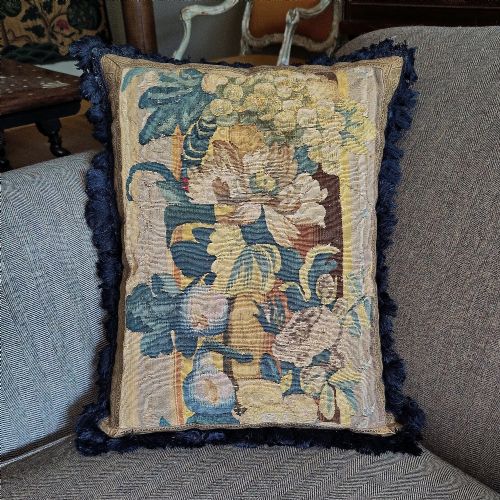
Beyond Central Asian and South Asian examples, the selection includes European elements such as eighteenth-century Belgian linen, French silk, and seventeenth-century tapestry fragments adapted into covers and throws. Each object carries the distinct textile traditions of its region of origin.
How they were made
Makers constructed these historic pieces using natural fibres including silk, cotton, wool, linen, and velvet, often combining them with natural dyes to achieve deep colour palettes. Silk thread frequently served as the primary medium for intricate needlework applied to heavier woven backings.
Techniques varied by region, encompassing fine hand embroidery, block printing, and complex loom weaving. Central Asian suzanis relied on specialist needlework executed on cotton or silk grounds, whereas Scottish and Kashmiri shawls utilised elaborate weaving methods to create intricate patterns.
Additional decorative methods included flat quilting and tapestry weaving, utilising feather padding or linen backings where structural support was required for domestic use.
Listings feature textiles spanning from the seventeenth century through to the early twentieth century, incorporating silk, wool, cotton, and velvet.
What varies in quality
The standard of an antique textile throw depends heavily on the density and precision of the needlework or weave. Pieces featuring fully embroidered surfaces, often described as full work, demonstrate a higher degree of artisan labour than simpler designs.
Material preservation and dye vibrancy dictate the visual impact of the piece. Items retaining strong, natural colour pigments and robust ground fabrics command greater appreciation than those showing severe fading or degradation of the underlying silk, wool, or cotton.
Design complexity and regional authenticity further differentiate the items. Well-defined medallions, balanced floral layouts, and traditional tribal motifs indicate superior execution by skilled makers within their respective textile traditions.
The Antique Textile Throw Glossary
- Suzani
- An embroidered tribal hanging or cover originating from Central Asia, typically worked in silk thread on a cotton or wool foundation.
- Ikat
- A dyeing technique where yarns are pattern-dyed before being woven into fabric, creating characteristic feathered edges along the design motifs.
- Paisley
- A patterned textile featuring a distinctive curved feather-shaped motif, originating in Kashmir and later replicated in Scottish weaving centres.
- Palampore
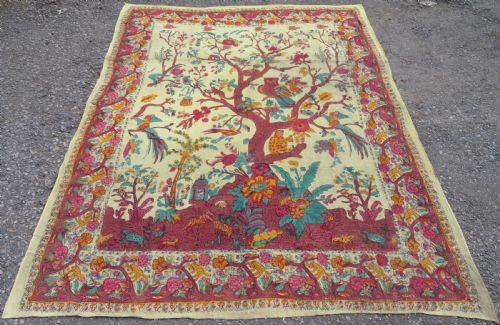
- A large, hand-painted or block-printed bed cover or hanging, historically produced in India for export.
- Nim Suzani
- A smaller version of a traditional suzani, or a piece featuring less dense embroidery coverage across the ground fabric.
- Adras
- A traditional Central Asian mixed fabric woven from a combination of silk and cotton yarns.
Antique Textile Throw: Frequently Asked Questions
How do I use an antique textile throw at home?
These historic textiles function effectively when draped gently over sofas, beds, or armchairs, adding warmth and historical pattern to a room. Many collectors also mount larger panels and suzanis flat on walls as textile art.
Because historic fibres are delicate, avoid placing them in areas of direct, harsh sunlight or heavy daily physical friction to preserve the original stitching and natural dyes.
What is the difference between a suzani and a shawl?
Suzanis are decorative embroideries executed by hand with silk thread on a heavier base fabric like cotton, linen, or wool, traditionally made as part of a bride's dowry in Central Asia. Shawls are typically woven garments from regions like Kashmir or Scotland designed for personal wear.
While both make effective throws today, suzanis feature bold needlework motifs whilst shawls rely on complex woven patterns.
How can I tell the age of a textile?
Dating relies on examining the materials, dye types, stitching techniques, and regional design characteristics recorded in the piece. Natural dyes and hand-spun foundation yarns generally point towards nineteenth-century or earlier production.
Comparing the specific motifs and ground fabrics against documented tribal and regional styles helps narrow down the period of manufacture.