

Antique Tea Storage Chest
An antique tea storage chest is a handsome receptacle designed to keep precious leaves dry and secure, offering timeless utility and rich cabinet-maker craft.
Understanding the antique tea storage chest
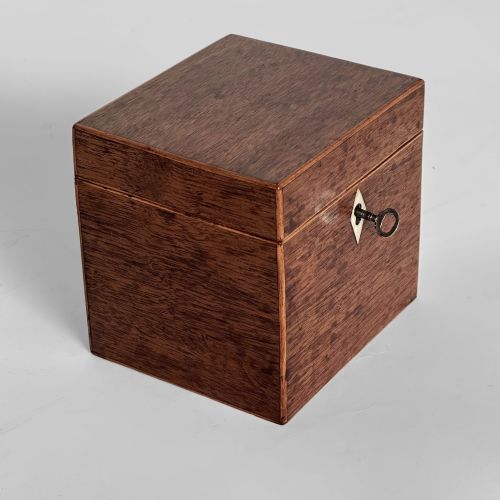
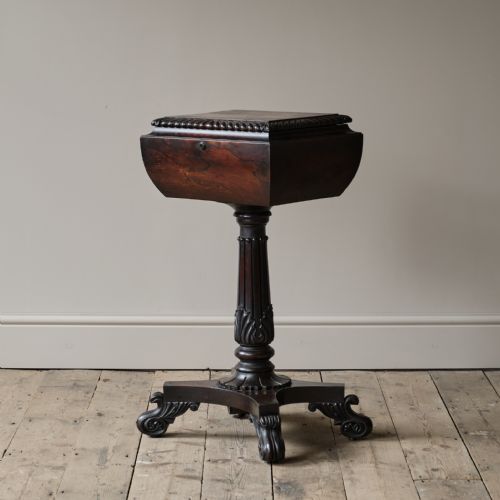
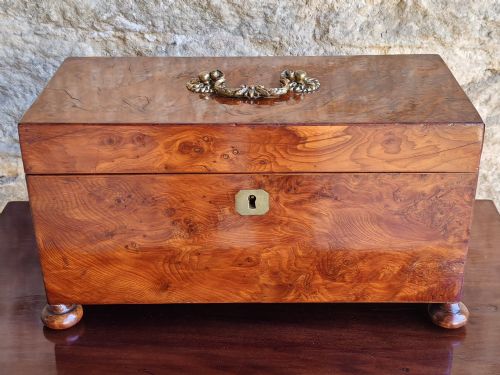
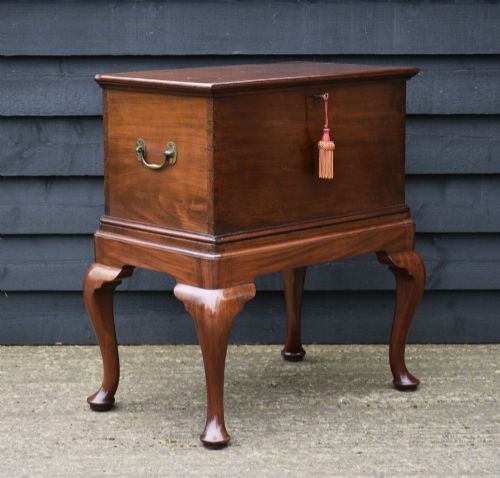
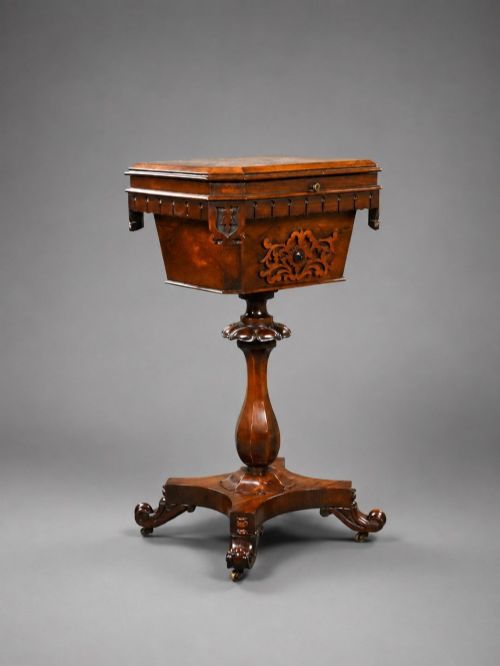
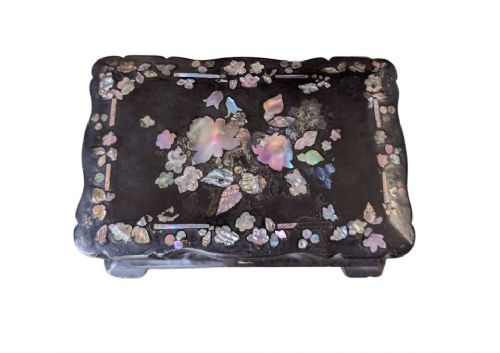
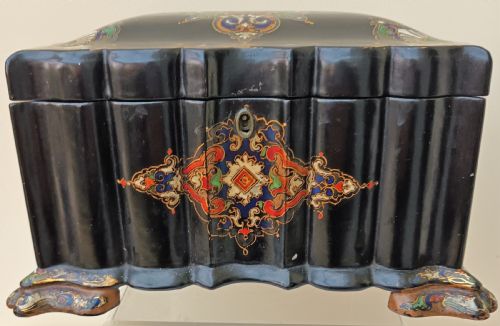
When you search for an antique tea storage chest, you encounter compact tea caddies and larger freestanding teapoys designed to safeguard valuable leaves. The pieces on this page span the Georgian, Regency, William IV, and Victorian eras, reflecting shifting domestic habits.
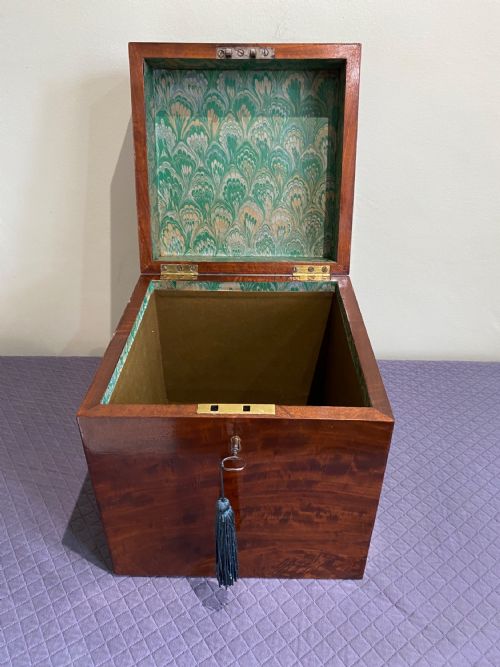
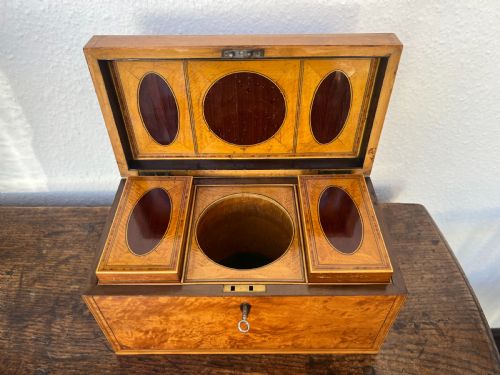
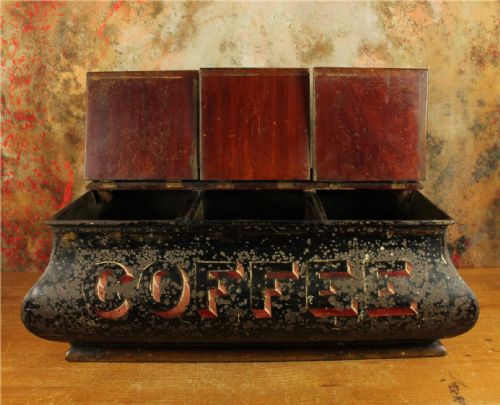
Most examples take the form of tabletop boxes or pedestal-mounted caddies with internal lidded compartments. These items served a central role in the historic parlour, where the mistress of the house dispensed precious tea under lock and key.
Materials and construction methods
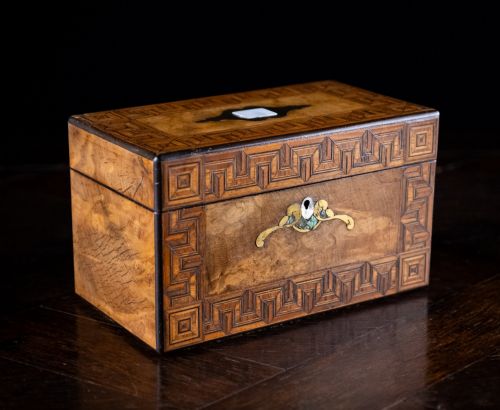
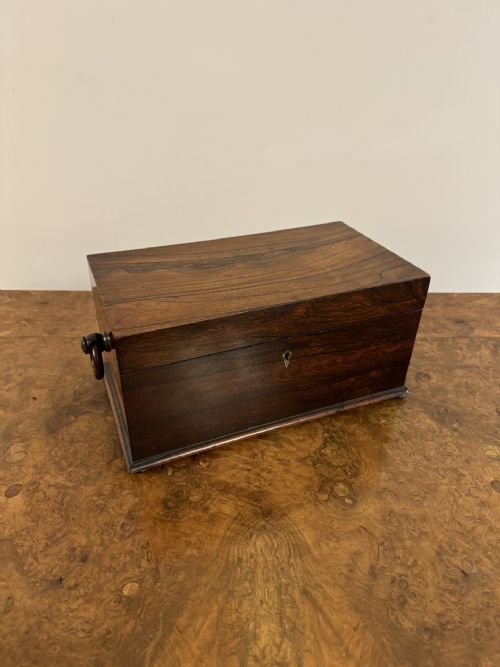
Cabinet-makers relied on dense tropical hardwoods like mahogany, flame mahogany, rosewood, and partridge wood for durability and rich grain patterns. Many surfaces feature contrasting stringing or detailed inlay executed in boxwood and bone.
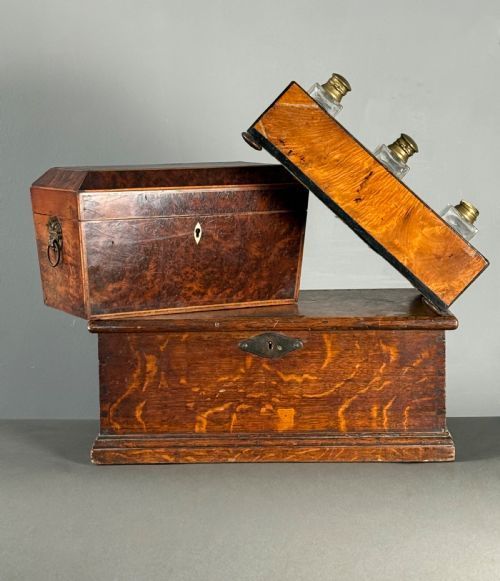
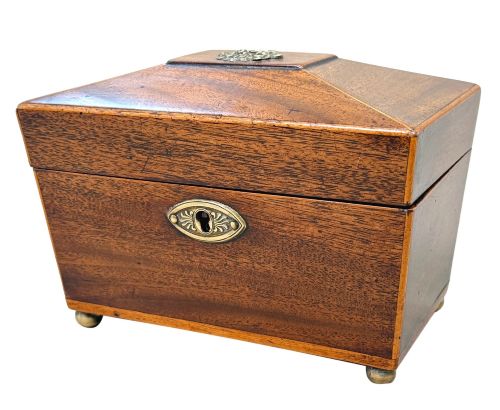
Structural elements frequently incorporate heavy brass carrying handles, escutcheons, and working locks to secure the valuable contents. The interiors typically house fitted wooden canisters and mixing bowls framed within tightly joined carcases.
Retail Price Guide 2026
Typical UK retail prices for tea storage chest, calculated from the Sellingantiques database of over a million retail prices indexed since 2003. This retail price guide relies exclusively on Sellingantiques data; no external sources or auction records are used, so the figures do not describe the wider market.
The listings on this page span the 19th Century, Georgian, 1800, and Victorian periods, utilising mahogany, brass, bone, and rosewood.
Distinctions in quality
Quality rests in the selection of timbers, where striking flame mahogany or exotic partridge wood elevates a piece far beyond standard stock. The precision of fine boxwood stringing and the integration of robust brass hardware also separate ordinary boxes from superior examples.
Form dictates value as well, with sculptural sarcophagus shapes and documented workshop pieces commanding particular attention. The integrity of internal fittings, such as original mixing bowls and matching lidded canisters, completes the standard of a high-tier piece.
Gillows
The Antique Tea Storage Chest Glossary
- Teapoy
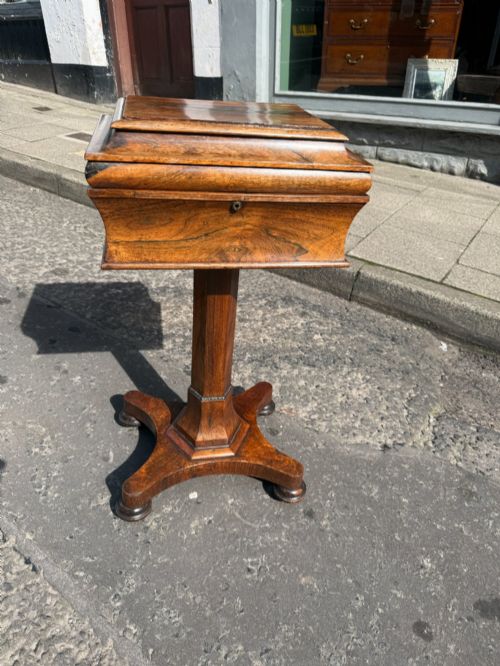
- A freestanding pedestal table equipped with a storage box for tea leaves beneath the lid. These pieces often stand on a central pillar supported by carved feet.
- Sarcophagus
- A box shape characterised by a convex or stepped domed lid sloping down to a rectangular base. This classical silhouette gained popularity during the Regency and early nineteenth century.
- Escutcheon
- A protective metal plate surrounding a keyhole, usually fashioned from brass on these storage boxes. It adds both structural reinforcement and a decorative accent to the front panel.
- Stringing
- Thin inlay lines of a contrasting timber, such as boxwood, used to edge panels and borders. This delicate technique highlights the geometric precision of the cabinet work.
Frequently Asked Questions
What is a teapoy?
A teapoy is a lidded storage chest mounted on a central pillar and base, designed to hold tea leaves in the parlour. It functions as a larger, freestanding alternative to the standard tabletop caddy.
These pieces often include internal compartments and sometimes incorporated mixing bowls for blending different varieties of tea leaves.
How do I date these chests?
Dating relies on examining the timber species, overall architectural style, and internal construction methods. Georgian and Regency examples frequently display clean classical proportions and fine mahogany veneers.
Later Victorian pieces often introduce exotic woods like partridge wood alongside bolder decorative motifs and heavier brass hardware.
Were these chests locked?
Tea was an expensive commodity in the eighteenth and nineteenth centuries, making security essential for domestic hosts. Built-in brass locks and matching keys ensured that servants and guests could not access the valuable leaf supply.
Today, many surviving pieces retain their original working locks and escutcheons, though keys are frequently replaced over the centuries.