

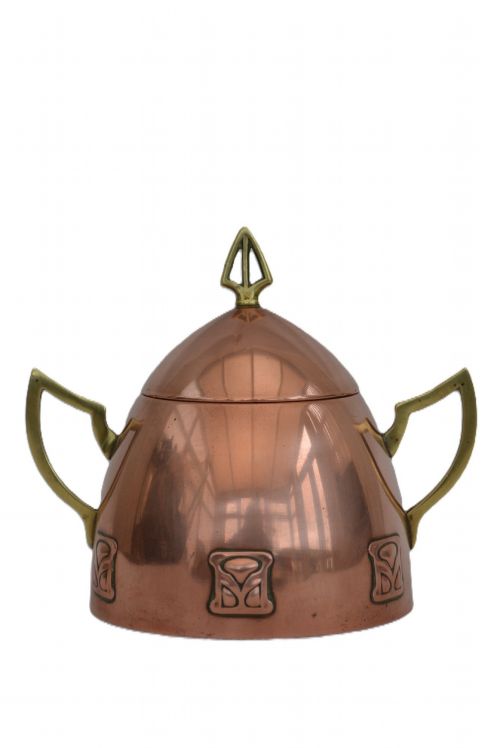


Antique Tea Service Bowl
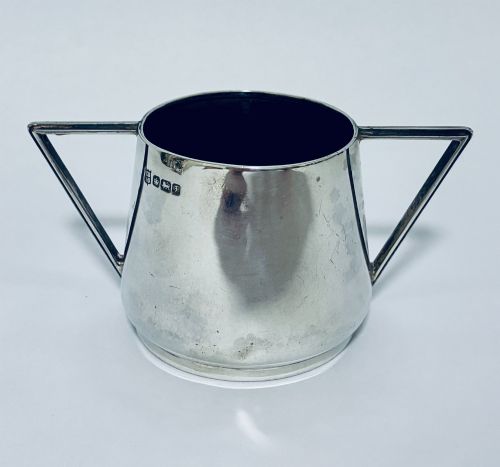
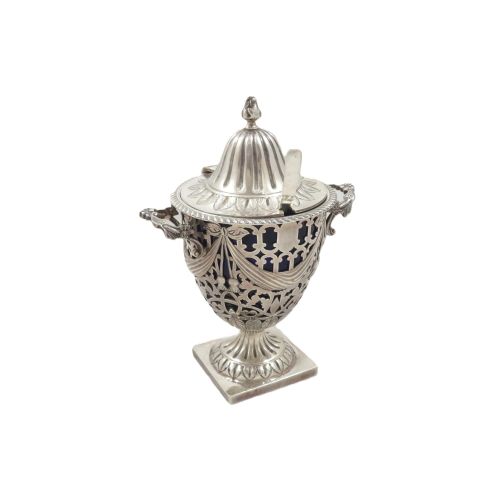
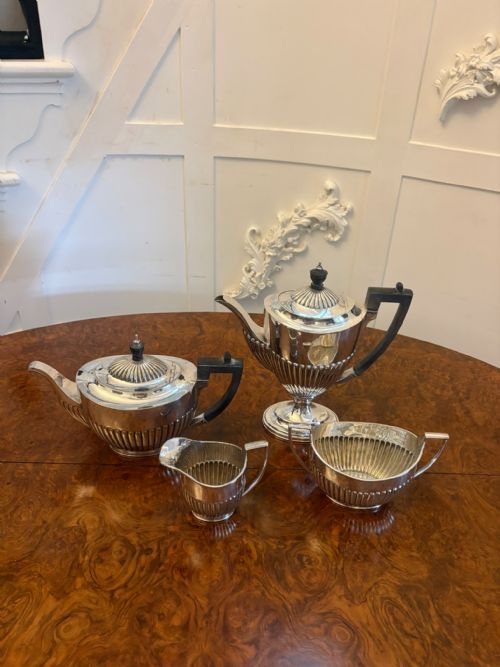
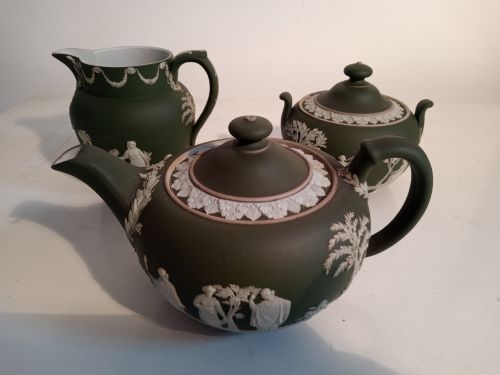
An antique tea service bowl anchors the tea table, ranging from porcelain slop basins to sterling silver sugar baskets across multiple periods.
Antique Tea Service Bowl
An antique tea service bowl encompasses various forms used in historic tea-drinking rituals, primarily featuring sugar bowls, sucriers with covers, and slop bowls for spent leaves. These vessels appear across several eras, notably the eighteenth century, the Victorian period, and the Edwardian age, reflecting shifting domestic habits.
The selection on this page includes porcelain examples from factories such as Worcester, Spode, and Derby alongside metalware creations in sterling silver, Sheffield plate, and later silver plate. Buyers encounter everything from delicate hand-painted porcelain sugar boxes to substantial silver baskets fitted with swing handles.
How they were made
Ceramic bowls rely on period porcelain bodies, such as bone china or felspar porcelain, shaped by hand or moulded before receiving hand-painted enamel decoration, gilding, or underglaze blue transfers.
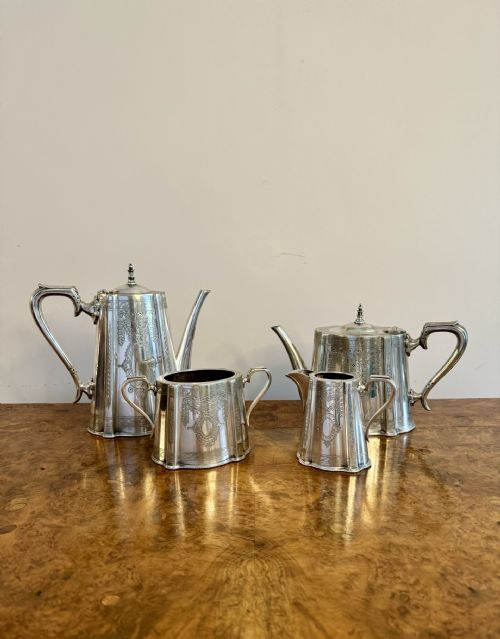
Metal versions utilise sterling silver, Sheffield plate, or silver plating over base metals like copper, often shaped through spinning or hammering and embellished with applied borders, piercing, and ornate engraving.
Early tea drinkers needed a dedicated basin just for the slops, proving that even Georgian manners could be wonderfully messy.
What varies in quality
Quality rests in the crispness of the porcelain moulding and the precision of the hand-painting, where pieces from established periods show finer brushwork and more stable glaze surfaces.
In silver and plated wares, the depth of the metalwork, the weight of the piece, and the retention of the original gilding or silver layer distinguish standard domestic production from finer workshop output.
Walker and Hall·Mappin and Webb·Benjamin Smith·Joseph Craddock
The Antique Tea Service Bowl Glossary
- Sucrier
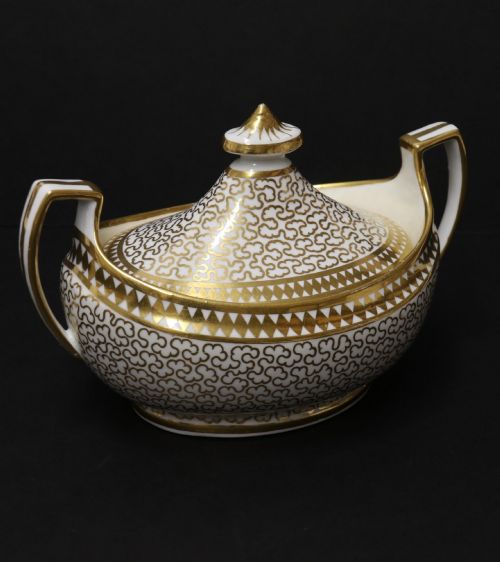
- A sugar basin or bowl with or without a matching cover, designed specifically for tea service. These vessels were central to Georgian and Regency tea tables.
- Slop bowl
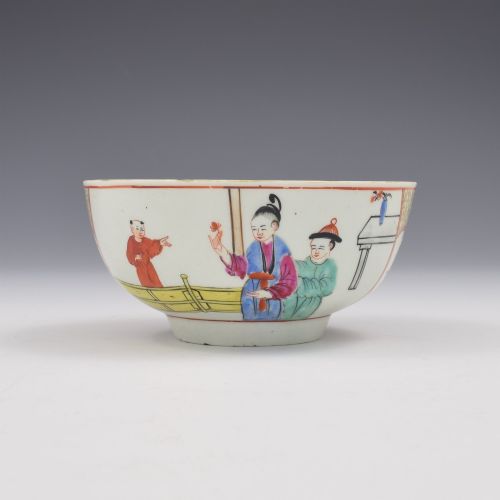
- A larger bowl used during tea service to empty the dregs of cold tea and spent leaves before pouring a fresh cup. Eighteenth-century porcelain examples often feature hand-painted Chinese figures.
- Sheffield plate
- An early composite material made by fusing a thin sheet of sterling silver to a thicker copper base, common in pieces from the late eighteenth and early nineteenth centuries.
- Imari
- A decorative style inspired by Japanese export wares, featuring iron red, cobalt blue, and gilt details on a white porcelain ground. Victorian interpretations remain popular among collectors.
Antique Tea Service Bowl: Frequently Asked Questions
What is a slop bowl used for?
A slop bowl served to receive the dregs of cold tea and discarded leaves from cups before a fresh pour from the teapot.
Guests emptied their cups into this central vessel during formal tea service.
How do I date an antique porcelain bowl?
Dating relies on identifying factory marks, paste compositions, and stylistic indicators such as transfer-printed patterns or hand-painted enamel palettes.
Comparison with documented pieces from factories like Worcester or Spode narrows the decade of production.
Are silver plated bowls durable for daily use?
Silver plated items manufactured in the Victorian and Edwardian periods offer robust construction suitable for careful everyday handling.
Preserving the remaining plating requires gentle cleaning without abrasive polishes.
What distinguishes a sucrier from a sugar bowl?
A sucrier specifically denotes a lidded sugar container originating from the eighteenth and nineteenth centuries, often matching a broader tea set.
Open sugar bowls and baskets lack the fitted lid typical of formal ceramic sucriers.