

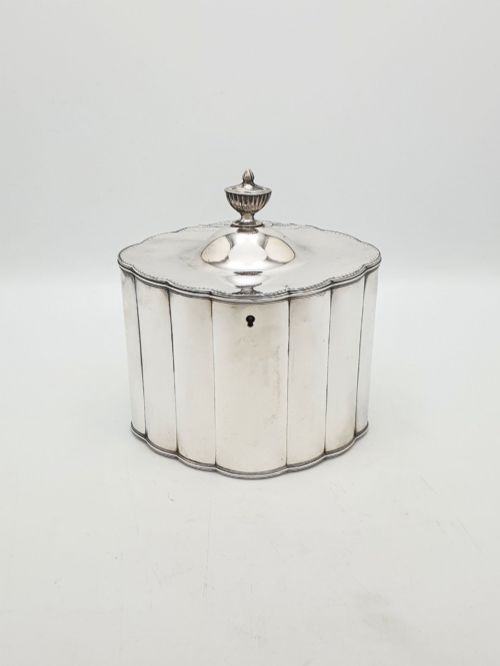
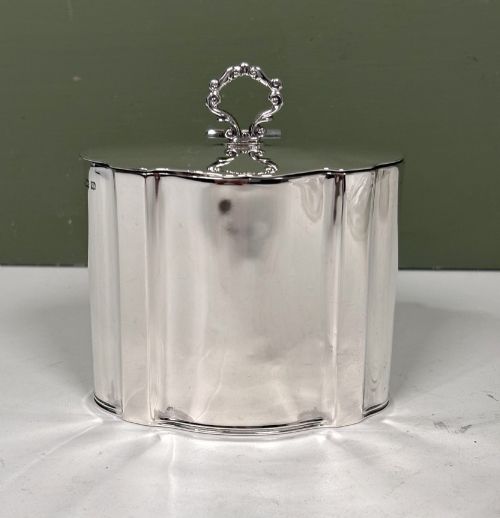
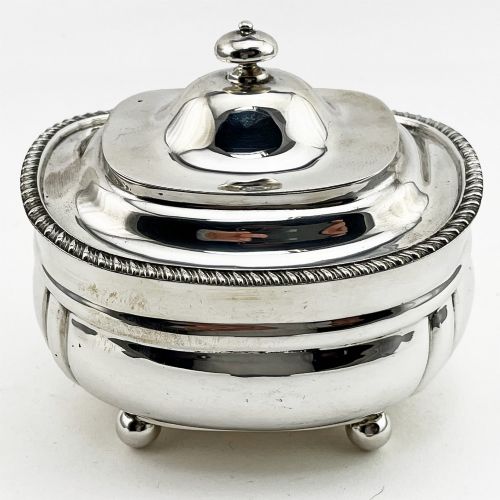
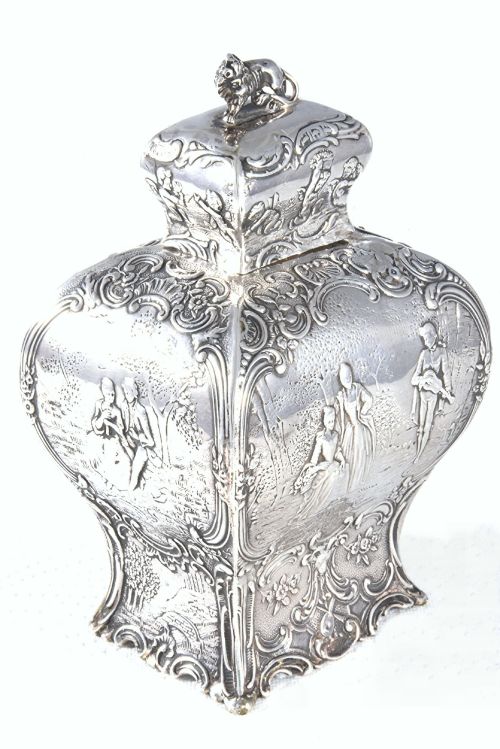
Antique Tea Canister Box
When you search for an antique tea canister box, you are looking at domestic vessels built to store precious leaf.
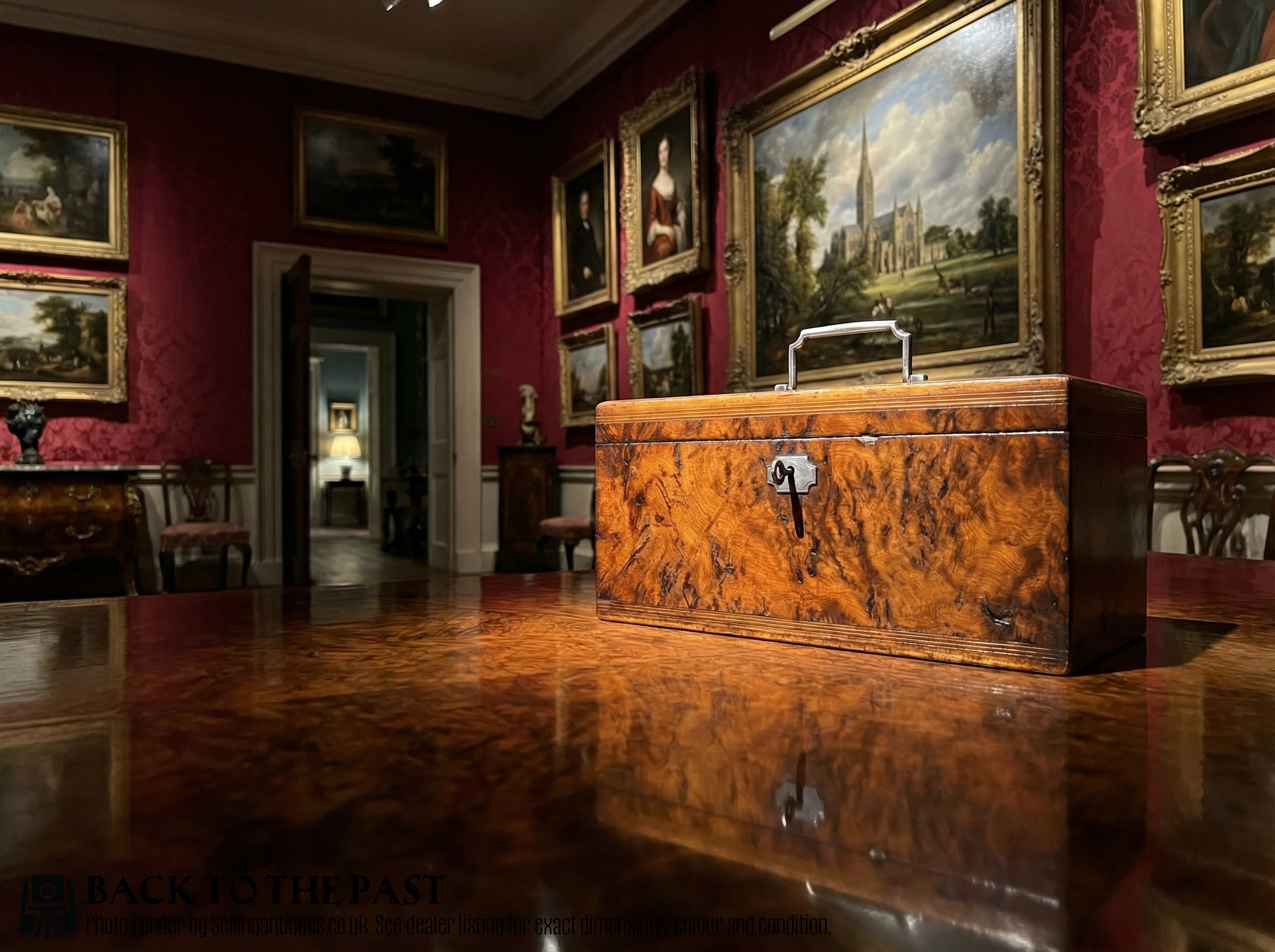
Antique Tea Canister Box
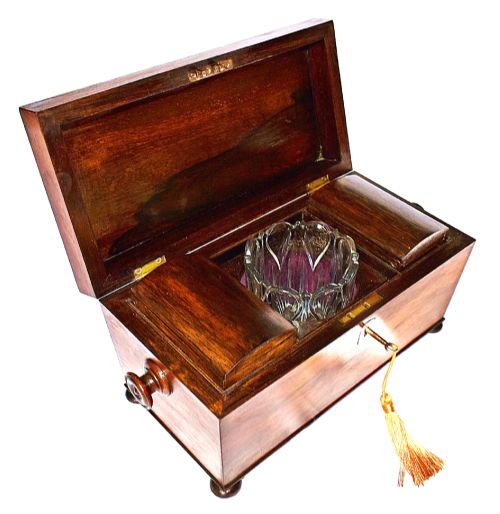
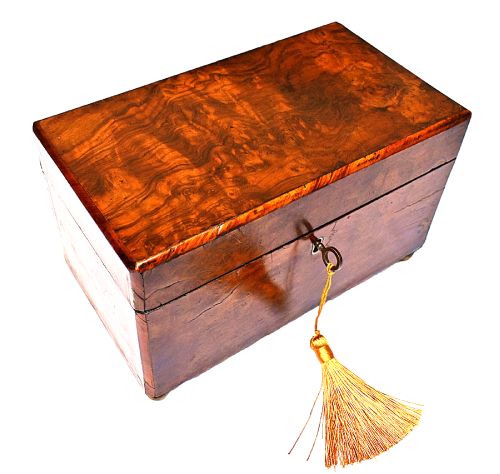
An antique tea canister box serves as a secure container for dried leaves, reflecting centuries of changing domestic habits. Pieces on this page span from Georgian and Regency eras through Victorian and Edwardian periods into the early twentieth century.
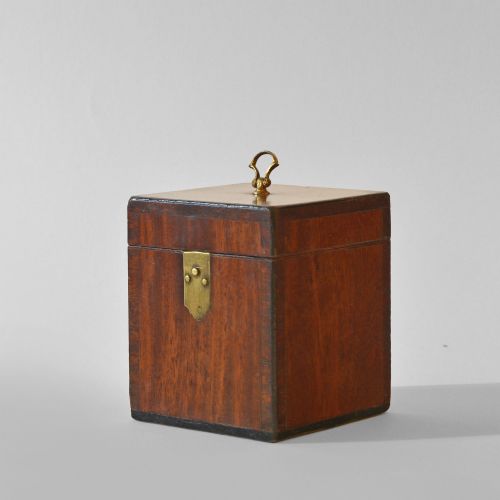
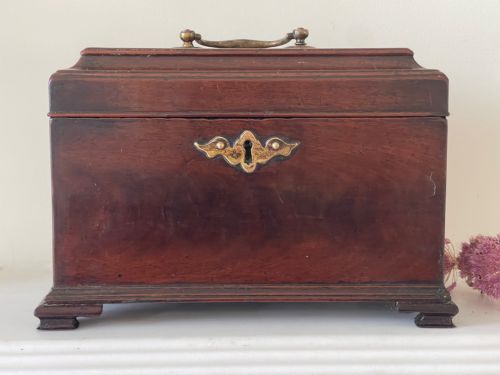
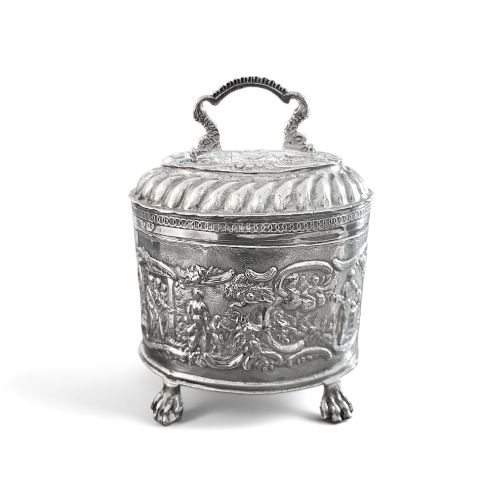
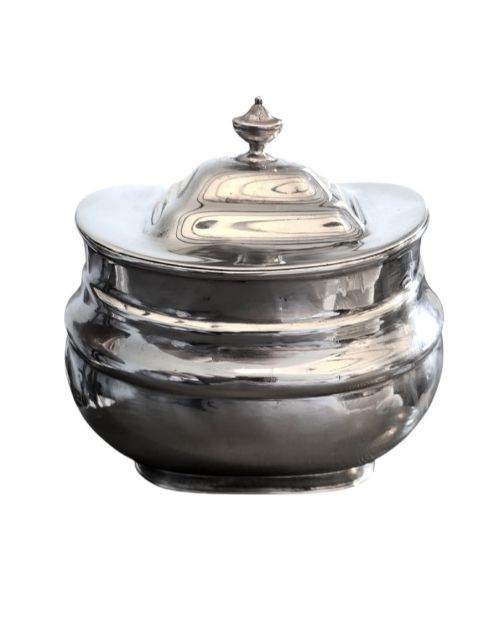
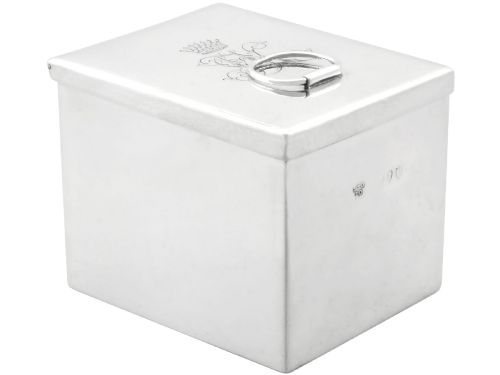
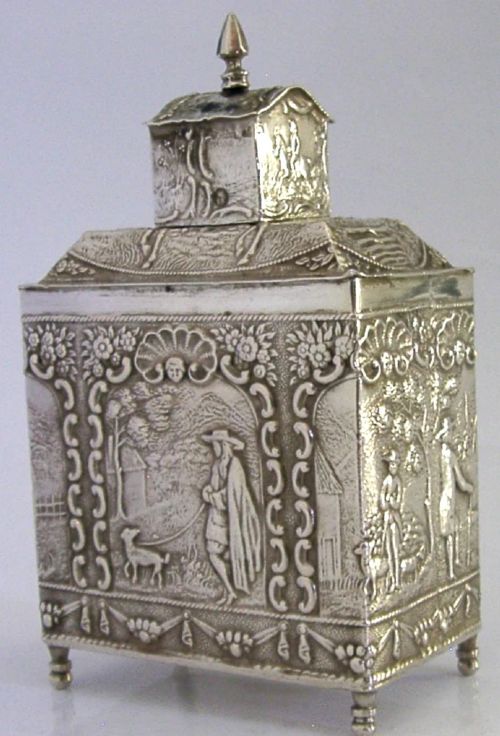
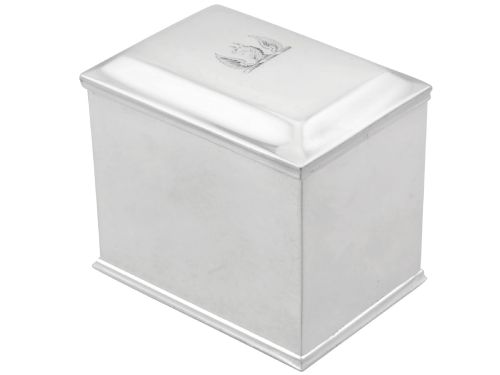
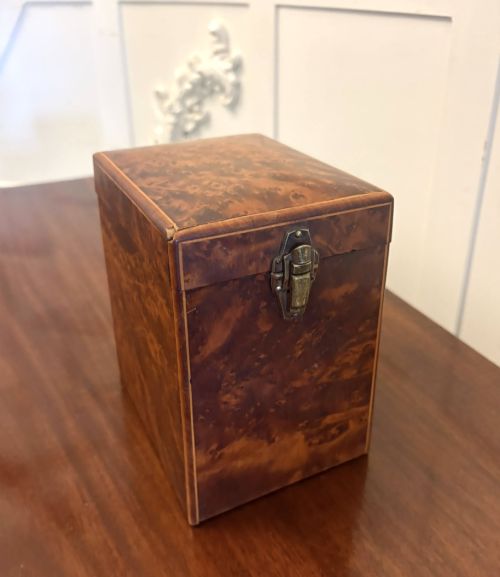
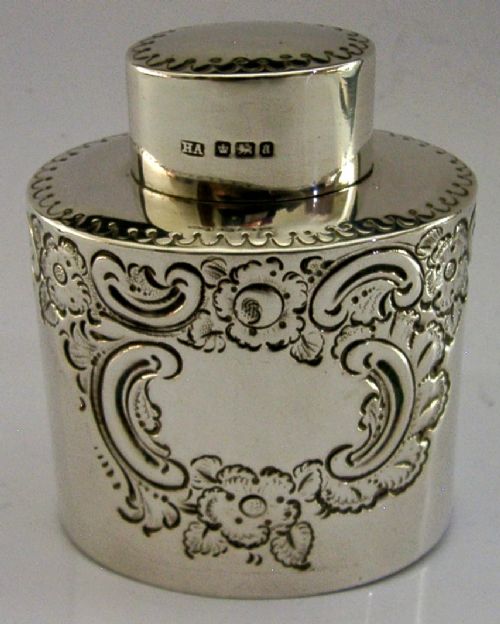
The forms range from timber boxes featuring parquetry and sarcophagus shapes to silver canisters, bombe profiles, and knife box designs. Makers utilised materials like rosewood, mahogany, padouk, bamboo, tortoise shell, and solid sterling silver.
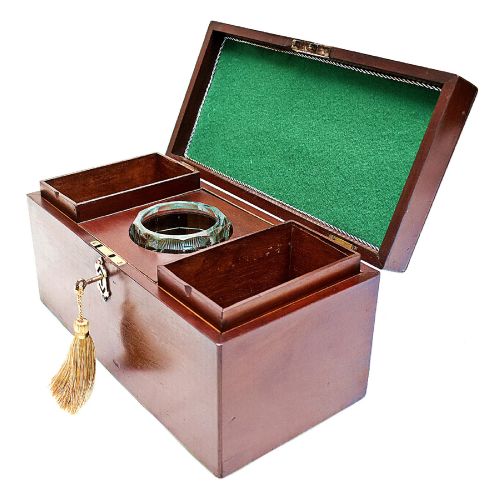
Examples appear alongside decorative tins and toleware, alongside specific regional silverwork originating from Britain, India, the Ottoman Empire, and the Netherlands. Buyers encounter single vessels and double compartment boxes intended for keeping dry leaf blends protected.
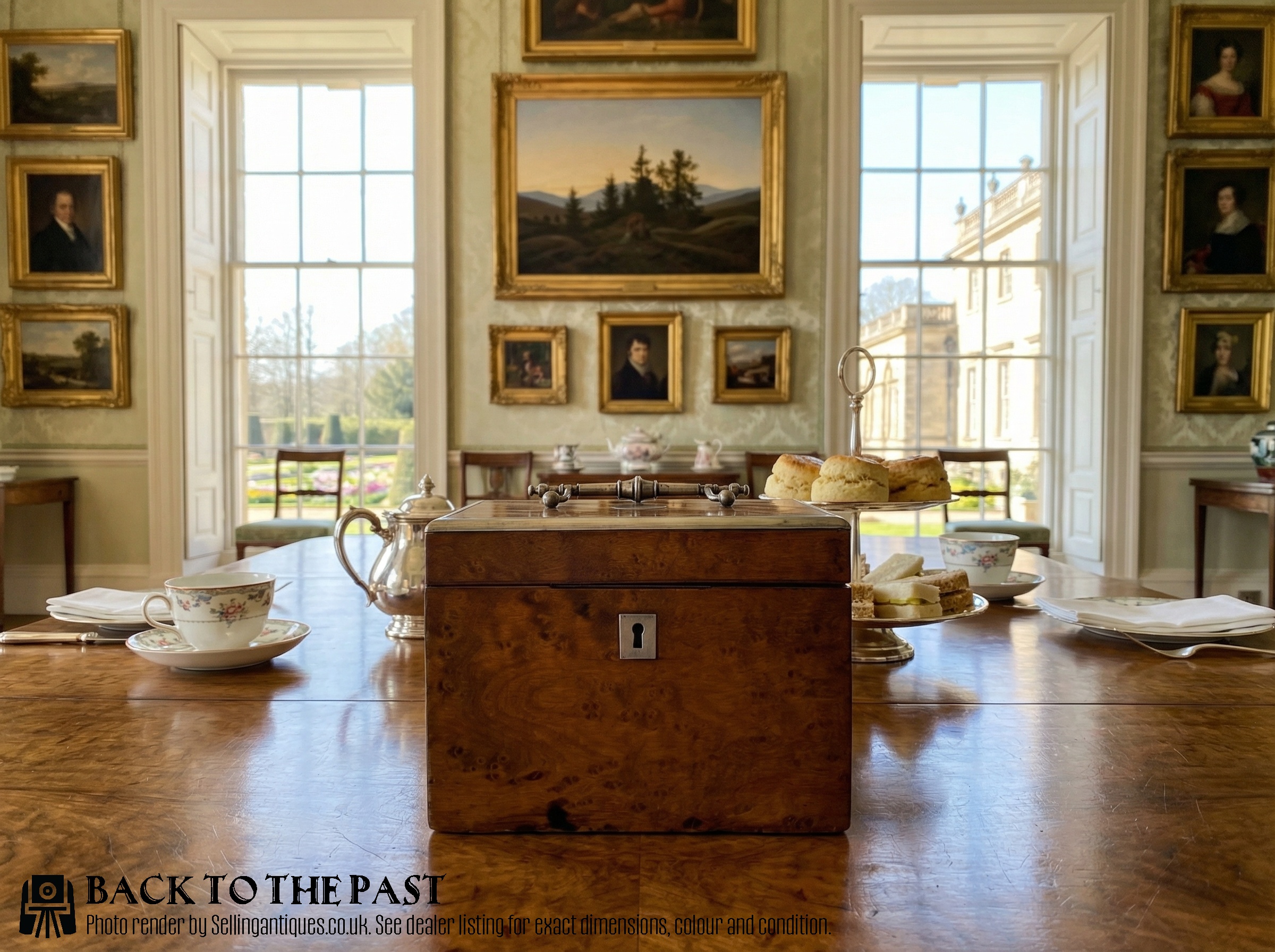
How they were made
Silversmiths constructed metal canisters through hammering, casting, and repoussé work, frequently adding hallmarks for towns like London, Sheffield, Chester, and Birmingham. Woodworkers shaped dense timbers such as mahogany, rosewood, and satinwood, often incorporating complex parquetry or Tunbridge ware mosaics.
Specialised makers applied tortoiseshell, shagreen, and carved bamboo to wooden carcasses, lining interiors with foil or secondary woods. Details like lion mask handles, glass mixing bowls, and turned wooden mixing sticks reveal the intricate construction methods employed by period craftsmen.
Antique Tea Canister Box Retail Price Guide 2026
Typical asking prices for tea canister box among the pieces listed under this phrase on Sellingantiques today, from the lower quarter to the upper quarter. They describe what is for sale here now, not the wider market.
Listings feature solid silver, silver plate, and diverse hardwoods including rosewood, mahogany, and padouk across Georgian, Victorian, and Edwardian periods.
What varies in quality
The quality of a piece rests upon the weight and gauge of its silver, the precision of its timber veneers, and the integrity of its internal compartments. Thicker metal plates, crisp hand-hammered detailing, and well-preserved original interiors elevate a vessel above standard production.
Artisanal execution dictates distinction, seen in finely turned feet, intact escutcheons, and legible hallmarks that verify maker and date. Surviving accessories like matching glass bowls or internal lids distinguish complete examples from altered pieces.
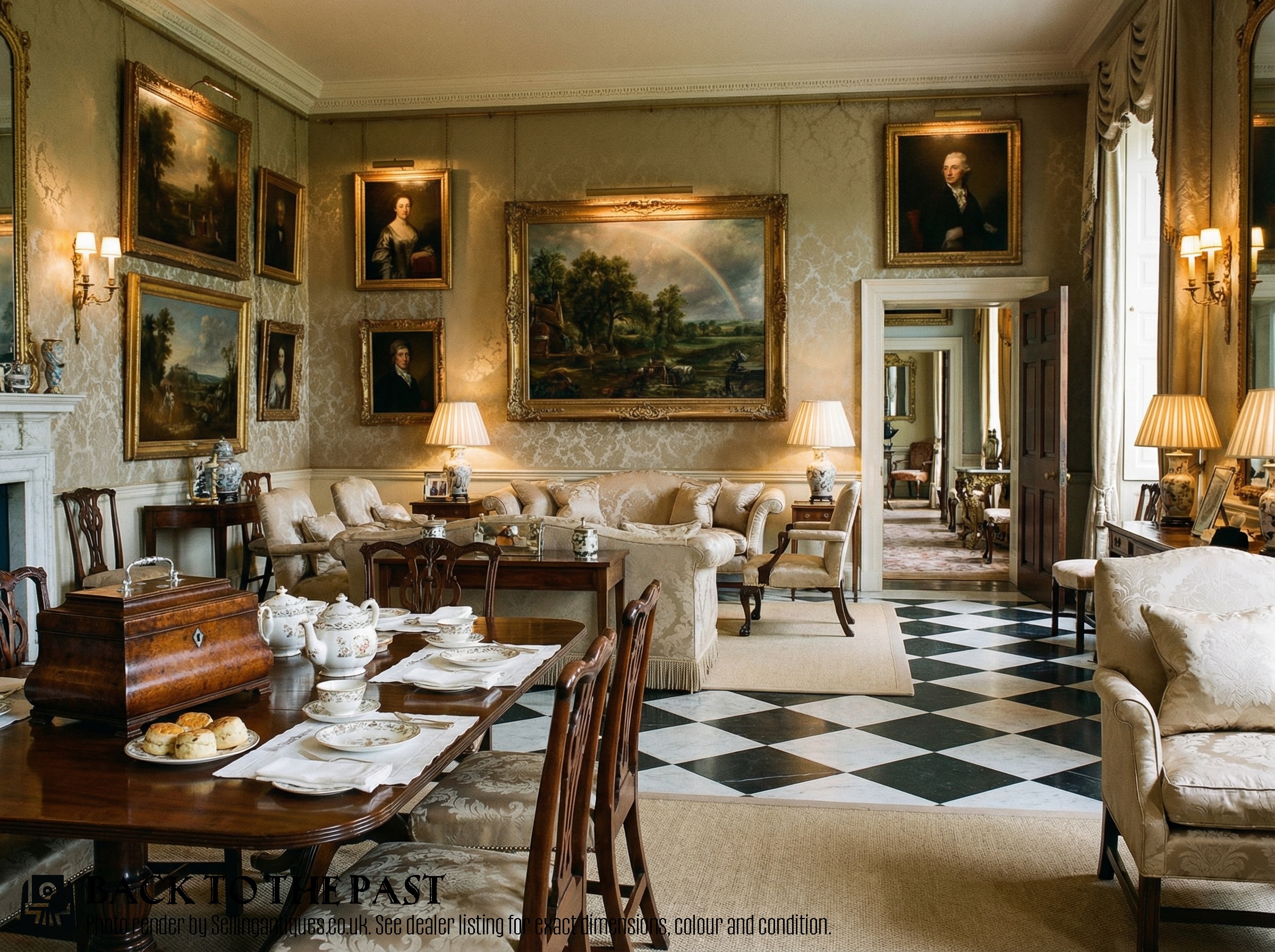
Charles Edwards·Martin Hall & Co·Robert Hennell·Zimmermann·Thomas Hayes·Mappin & Webb·William Hutton & Sons Ltd·Henry Hollamby·Peter Gillois
The Antique Tea Canister Box Glossary
- Caddy
- A small box or jar designed for holding loose tea leaves. The term evolved from catty, a Chinese weight measurement.
- Toleware
- Painted or lacquered metalware popular during the Georgian and Victorian periods. Artisans applied colourful varnishes over tin plate to create durable domestic items.
- Parquetry
- A geometric mosaic of wood veneers arranged in decorative patterns. Cabinet makers utilised contrasting timbers like rosewood and satinwood to form optical designs on box lids.
- Sarcophagus
- A coffin-like architectural form with a domed lid used for Regency and Georgian tea boxes. This silhouette provided generous internal volume for dual storage compartments.
- Hallmark
- An official stamp applied to precious metals indicating purity, maker, and assay office. British sterling silver pieces carry these marks to confirm standard and year of production.
Antique Tea Canister Box: Frequently Asked Questions
What is an antique tea canister box used for?
These vessels were originally manufactured to store expensive loose tea leaves safely under lock and key. In period households, tea was a valuable commodity controlled directly by the master or mistress of the house.
Today, collectors utilise them as decorative storage containers for small trinkets, jewellery, or dry goods. Their divided interior compartments often accommodated contrasting varieties of black and green tea.
What is the difference between a tea caddy and a canister?
The terms are frequently used interchangeably in the antiques market, though subtle distinctions exist in form. Canisters traditionally refer to straight-sided or cylindrical jars made from metal or ceramic.
Caddies more commonly describe wooden boxes equipped with hinged lids, internal partitions, and sometimes glass mixing bowls. Both shared the primary domestic function of preserving leaf freshness.
How should I care for a wooden tea caddy?
Wooden boxes require stable indoor humidity levels away from direct sunlight and strong heat sources to prevent timber warping. Natural waxes applied sparingly help maintain the finish of rosewood, mahogany, and satinwood surfaces.
Silver components need gentle cleaning using non-abrasive cloths to preserve original patination and avoid damaging delicate hand-hammered details or maker marks.