
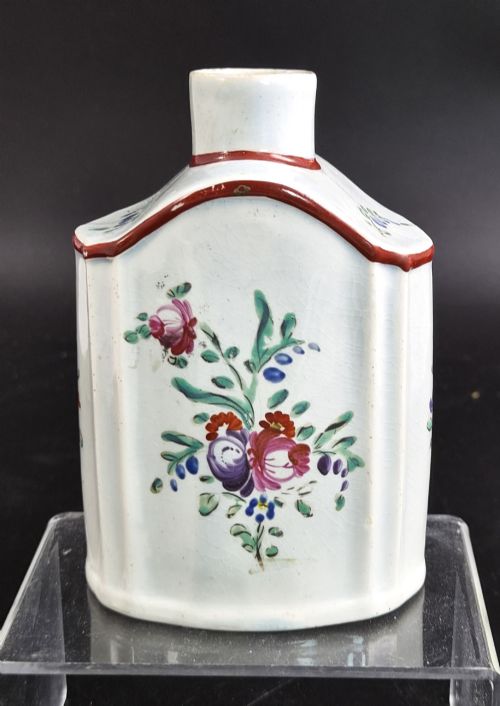


Double Tea Caddy
A double tea caddy holds two distinct blends within one hinged box, preserving precious leaves under lock and key.
Double Tea Caddy
A double tea caddy provides twin internal compartments designed to store contrasting tea leaves side by side in a single container. These domestic boxes appear across Georgian, Regency and Victorian periods, often incorporating central spaces for mixing bowls or glassware.
Mahogany forms the most common timber encountered on this page, supplemented by walnut, satinwood, tortoiseshell and penwork surfaces. Form varies from simple rectangular blocks to elaborate sarcophagus shapes raised on brass or wooden feet.
Materials and construction
Cabinet makers utilised dense native and exotic hardwoods such as mahogany, rosewood and burr walnut, frequently embellishing surfaces with fine stringing, inlaid fan motifs or Tunbridge-ware mosaics. Carved sandalwood and papier-mâché examples demonstrate alternative regional workshops and decorative methods.
Internal compartments often feature foil-lined wooden lids or fitted canisters to seal the aroma of the contents. Brass handles, escutcheons and silver-plated mounts secure the structural joins and protect the outer edges of the box.
Double Tea Caddy Retail Price Guide 2026
Typical asking prices for double tea caddy among the pieces listed under this phrase on Sellingantiques today, from the lower quarter to the upper quarter. They describe what is for sale here now, not the wider market.
Some caddies kept the servants guessing with secret compartments hidden beneath the tea canisters.
Judging the execution
Quality rests upon the crispness of the cabinet work, the precision of any wood veneers and the integrity of the internal fittings. Boxes retaining their original cut crystal mixing bowls, bone handles or working locks command greater interest from collectors.
The sophistication of the exterior decoration, whether intricate penwork, tortoiseshell panels or marquetry inlay, dictates the overall standard. Even simpler oak and mahogany vessels rely on well-balanced proportions and untouched patination to succeed.
Jennens and Bettridge·Leeds Pottery
The Double Tea Caddy Glossary
- Sarcophagus form
- A box design featuring a steep-sided, pedestal-mounted profile reminiscent of a classical stone coffin, popular during the Regency period. This shape maximises internal volume while presenting a monumental silhouette.
- Penwork
- A decorative technique using fine ink lines to draw motifs directly onto a prepared wooden surface, often producing Chinoiserie scenes. Artisans then sealed these illustrations with clear varnish.
- Escutcheon
- A small protective plate surrounding the keyhole of a caddy, commonly cast in brass or silver. It prevents the wood from splitting around the lock mechanism.
- Tunbridge-ware
- Small wooden objects decorated with mosaic patterns built from thousands of tiny coloured wood blocks. This specialised craft centred on Kent during the nineteenth century.
- Mixing bowl
- A glass or ceramic vessel housed in the centre of a caddy between the two tea canisters. Users utilised this bowl to blend different varieties of loose leaf tea before brewing.
Double Tea Caddy: Frequently Asked Questions
What were double tea caddies used for?
These boxes stored two different types of tea, such as green tea and black tea, which were expensive commodities kept locked away by the head of the household. Servants typically brought the caddy to the parlour for the hostess to dispense the leaves.
The central glass bowl, where present, allowed the hostess to combine leaves to personal taste or hold sugar lumps for the infusion.
How do I date a mahogany double tea caddy?
Georgian examples often favour clean rectangular or octagonal lines with simple string inlay, whereas Regency pieces frequently adopt sarcophagus shapes with heavy brass ring handles and paw feet. Victorian boxes tend to use darker woods, bolder mouldings or applied metal mounts.
Interior construction also aids dating, as machine-sawn timber and later hinge types replace hand-cut joints towards the end of the nineteenth century.
Did all double tea caddies include a bowl?
Many models omitted the central bowl to provide maximum room for two large leaf canisters instead. Surviving examples demonstrate both dual-compartment layouts and three-part arrangements with central recesses.
If a bowl is missing, look closely at the fitted wooden divider ring to determine whether a glass vessel formed part of the original design.
How should I care for a tortoiseshell tea caddy?
Tortoiseshell requires stable environmental conditions away from direct sunlight and excessive heat to prevent warping or shrinkage of the delicate veneer. Dust the surface gently with a dry, soft cloth without applying modern chemical polishes.
Keep the box closed when not in use to protect the underlying wooden carcass and paper linings from atmospheric moisture changes.