

Antique Tapestry Wall Hanging
An antique tapestry wall hanging brings historical narrative, texture, and deep colour directly into a room.
Antique Tapestry Wall Hanging
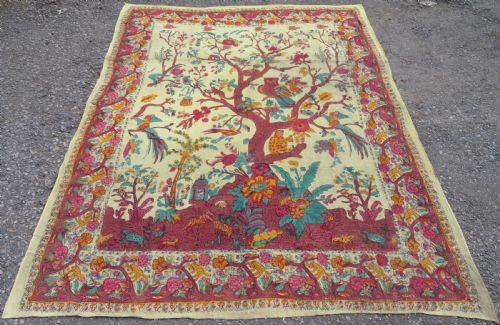
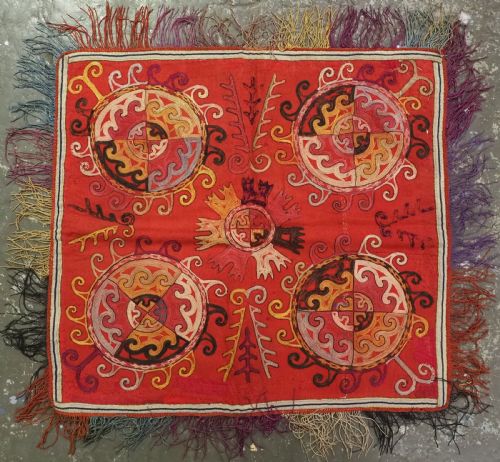
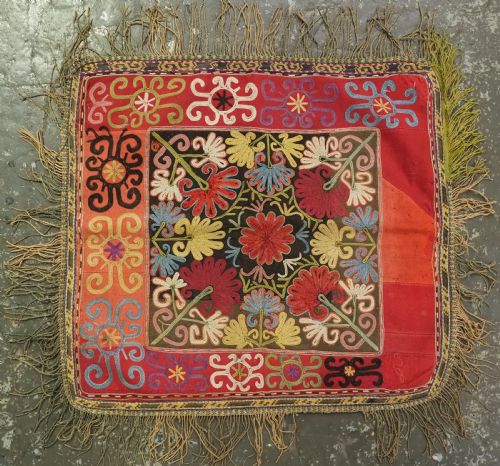
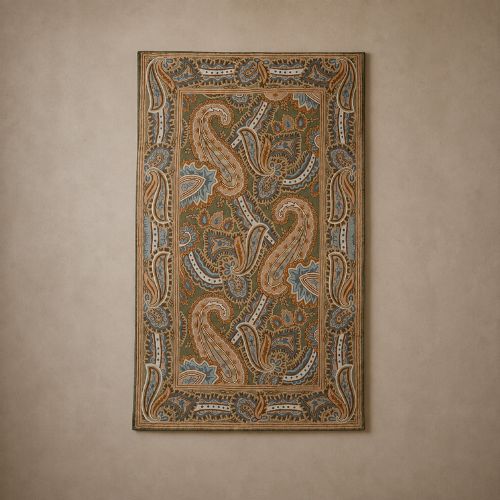
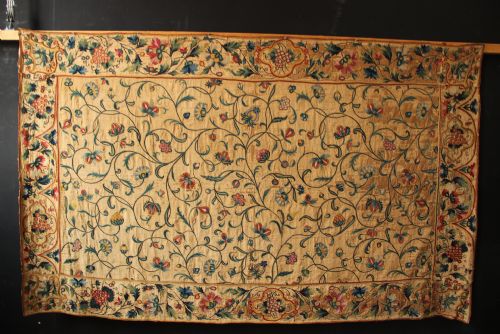
An antique tapestry wall hanging encompasses woven textiles, embroidered panels, and needlework pieces created across centuries to adorn interior walls. The selection ranges from grand European verdure scenes and French pastoral compositions to Central Asian suzanis, tribal asmalyks, and crewelwork panels.
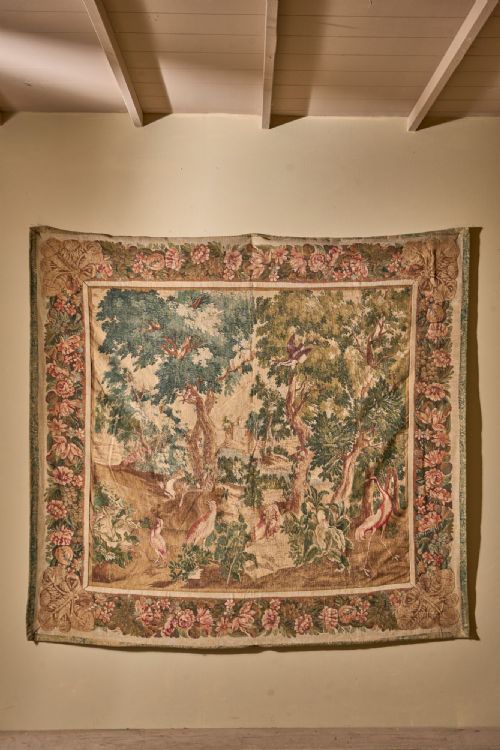
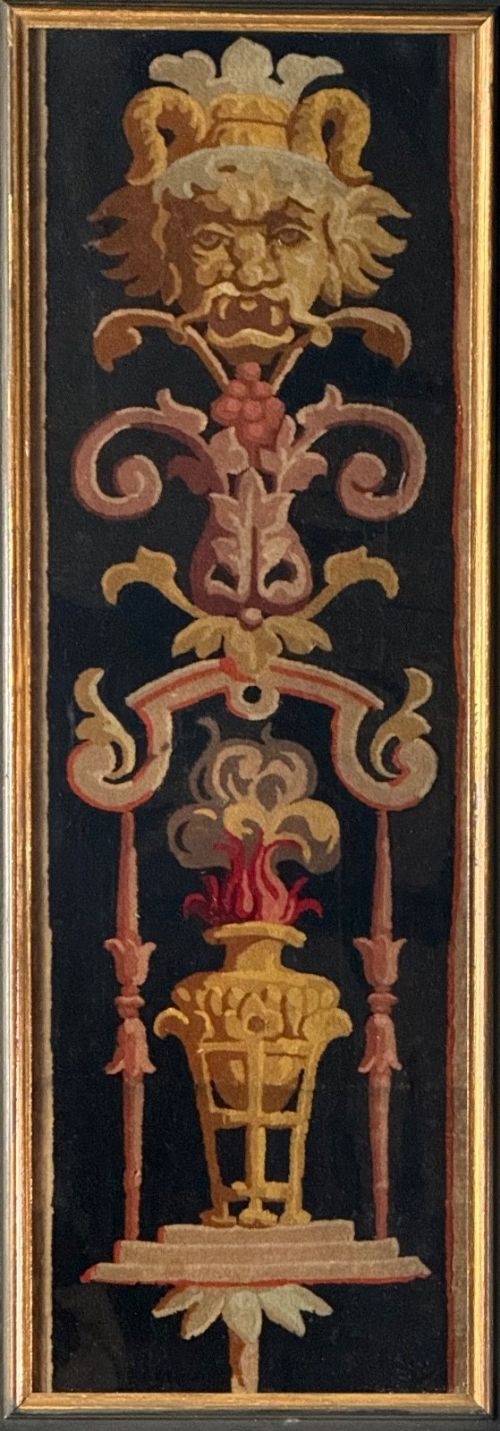
European examples frequently display classical figures, foliage, and architectural motifs originating from looms in France and Flanders. Meanwhile, Asian and tribal textiles offer intricate geometric and floral designs worked in wool, silk, and cotton upon traditional grounds.
How they were made
Materials such as wool, silk, cotton, and linen form the structural and decorative foundations of these textiles, often dyed using natural colourants derived from plants and minerals. Artisans employed complex weaving techniques on horizontal or vertical looms alongside fine needlework, crewel embroidery, and plushwork to build layered imagery.
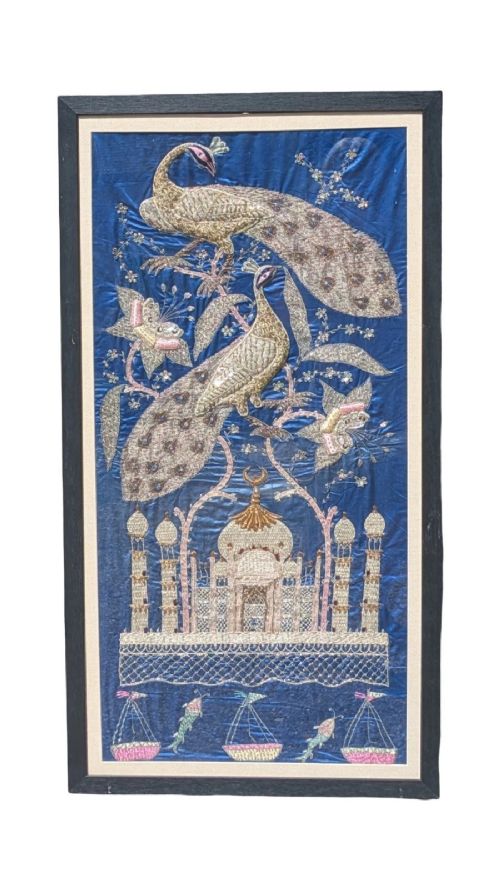
Certain pieces incorporate canvas or wooden mountings to support fragile woven panels, while others utilise glass protection for delicate silk embroideries.
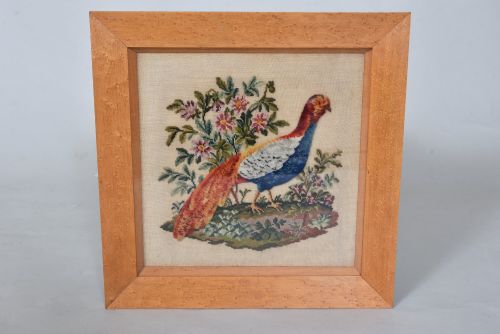
A nineteenth-century plushwork pheasant offers a wonderfully tactile avian presence for any wall.
What varies in quality
The fineness of the weave and the complexity of the needlework dictate the structural integrity and visual depth of each textile panel. Superior examples display meticulous control over natural dyes and thread tension, ensuring that botanical or figurative motifs remain sharp and harmonious across large expanses.
Condition and originality play a decisive role, distinguishing pieces that retain their original borders and vibrant hues from those requiring extensive conservation or linen backing.
The Antique Tapestry Wall Hanging Glossary
- Verdure tapestry
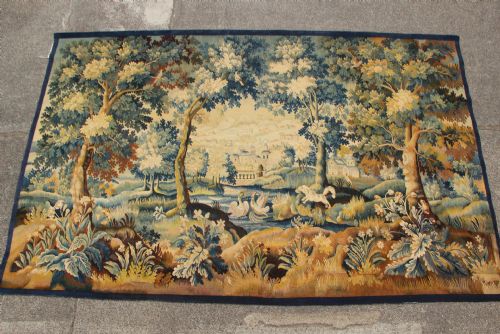
- A woven textile featuring lush woodland foliage, trees, and often birds or animals, typically executed in rich greens and earthy tones.
- Suzani
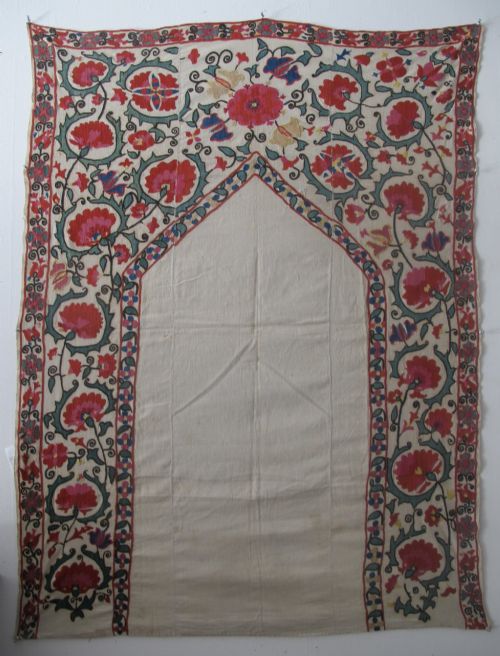
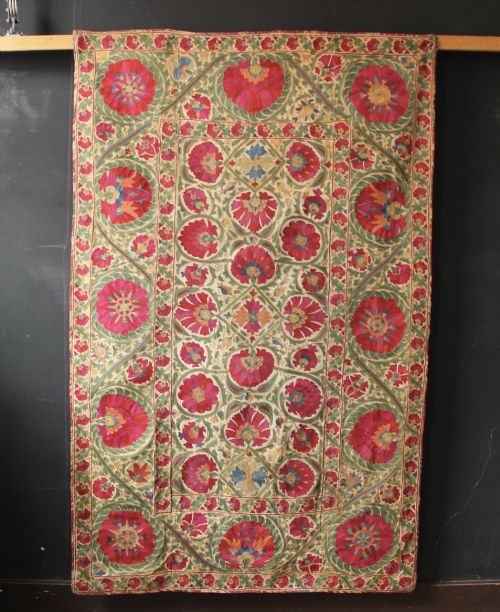
- A large, decorative embroidered tribal textile from Uzbekistan and surrounding regions, traditionally worked in silk on a cotton or linen ground with floral patterns.
- Asmalyk
- A pentagonal camel-caparison trapping produced by Turkmen tribes, highly prized by collectors for its intricate geometric guls and fine weave.
- Crewelwork
- A type of embroidery utilising wool yarn on a sturdy linen or cotton twill fabric, known for creating textured, flowing designs.
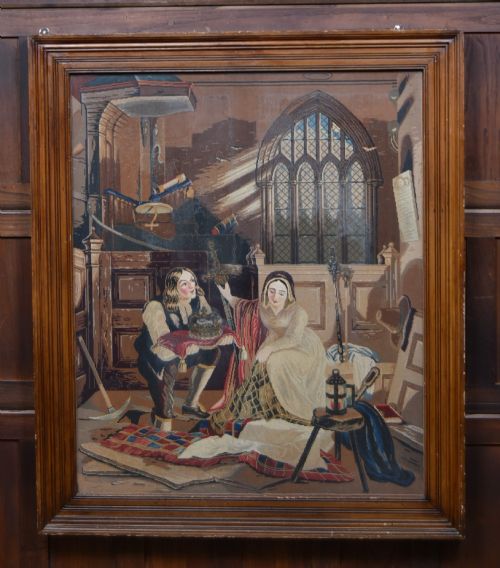
- Petit point
- A very fine needlework technique executed on single-thread canvas, allowing for high-detail pictorial scenes and smooth tonal gradations.
Antique Tapestry Wall Hanging: Frequently Asked Questions
How were antique tapestries hung?
Historically, large heavy tapestries were suspended from iron rods or wooden battens attached to walls, providing insulation against cold stone interiors in castles and chateaux.
Smaller embroidered panels and tribal hangings were often affixed directly using discreet backing linen or placed inside protective frames.
What is a verdure tapestry?
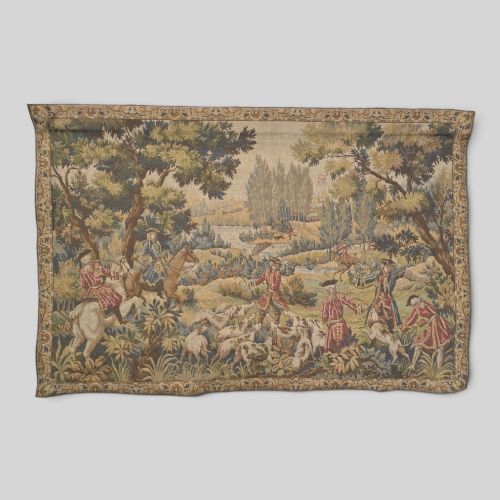
A verdure tapestry depicts dense forest landscapes, foliage, trees, and occasionally mythological creatures or animals hiding within the greenery.
These pieces were exceptionally popular during the seventeenth and eighteenth centuries across French and Flemish workshops to bring outdoor scenery indoors.
How do I care for a textile wall hanging?
Display hanging textiles away from direct sunlight to prevent natural dyes from fading over time, and ensure rooms maintain stable humidity levels.
Light dusting with a soft brush or professional vacuuming through a mesh screen helps preserve fragile wool and silk fibres without causing abrasion.
What is the difference between a tapestry and a suzani?
Tapestries are predominantly woven on looms where the design is integrated directly into the fabric structure during creation, as seen in French and Flemish works.
Suzanis are embroidered textiles where artisans stitch vibrant silk threads onto a pre-woven cotton or linen foundation, originating primarily from Central Asia.