




Antique Tapestry Sofa
An antique tapestry sofa brings deep texture and historic narrative to a room, offering robust seating wrapped in woven art.
Antique Tapestry Sofa
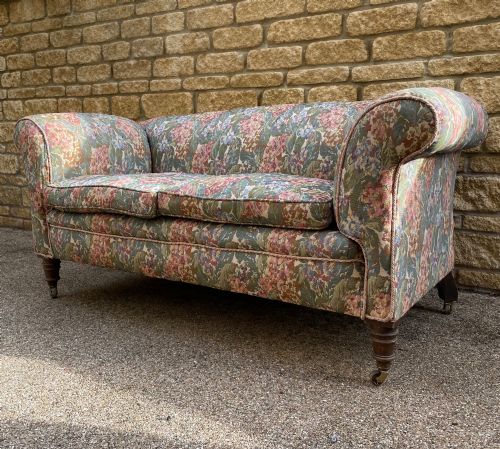
An antique tapestry sofa combines substantial wooden framing with heavy woven textile coverings, spanning various European and English traditions. Buyers seeking an antique tapestry sofa will encounter nineteenth-century Victorian pieces alongside Edwardian iterations and French revival designs.
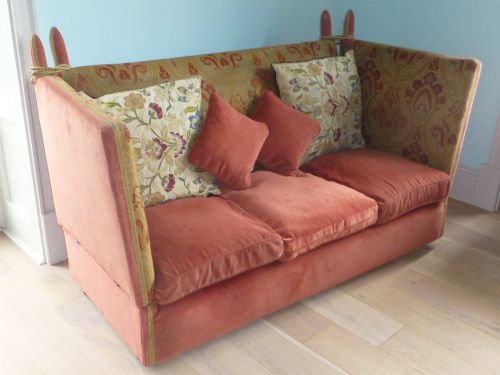
The category encompasses settee and sofa forms, including drop-arm mechanisms, scroll ends, and substantial salon suites upholstered in needlepoint or floral textiles. Most examples merge structural timber with expressive textile work created to anchor a formal interior.
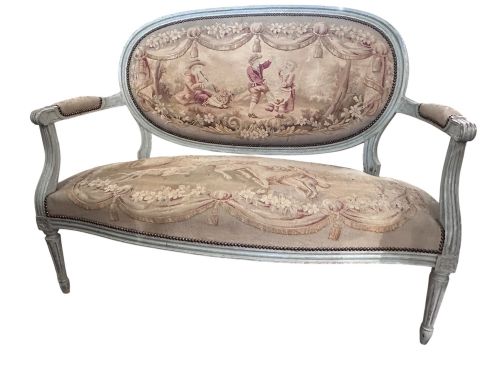
Many items present classic proportions designed for comfortable drawing room seating, often accompanied by matching chairs or cushions sharing the same textile vocabulary. Origin details stretch from English workshops to French ateliers and Anatolian traditional methods.
Materials and construction
Makers utilised sturdy timbers such as walnut, mahogany, oak, and rosewood for the structural frames, sometimes applying gilt or paint to the exposed wood. Giltwood and ebonised finishes appear alongside natural grain surfaces to denote specific nineteenth-century aesthetic preferences.
The primary textile element relies on tapestry fabric, upholstery fabric, velvet, and needlepoint woven with complex patterns. Artisans secured these heavy textiles over internal padding supported by traditional webbing and spring systems within the sofa frame.
Some Victorian frames hid secret drop-arm mechanisms designed purely for afternoon naps without mussing a lady's elaborate hairstyle.
Assessing quality in woven seating
Quality rests on the integrity of the wooden frame carving and the density of the textile weave. Crisp detail in giltwood or inlaid rosewood indicates a higher tier of cabinetmaking.
The preservation of the tapestry fabric heavily influences the standing of a piece, particularly where hand-stitched needlepoint or Aubusson work retains its original tension and colour. Structural firmness in drop-arm mechanisms and supportive internal joinery separate superior examples from standard workshop production.
The Antique Tapestry Sofa Glossary
- Tapestry fabric
- A thick, heavy textile featuring woven pictorial or geometric designs rather than printed patterns. It provides both the decorative surface and the primary upholstery skin for formal seating.
- Giltwood
- Timber coated with a thin layer of gold leaf or gesso preparation. It reflects light and signals high-status furniture design across various revival periods.
- Drop-arm
- A movable sofa arm that can be lowered via a mechanical hinge to create a daybed or extended lounging surface. This clever mechanism adds versatility to nineteenth-century seating.
- Canapé
- The traditional French term for a decorative sofa or settee, often featuring exposed carved wood and elegant cabriole legs. These pieces typically display lighter proportions than heavy English counterparts.
- Needlepoint
- Hand-stitched embroidery worked on an open-weave canvas ground using wool or silk thread. It forms the intricate pictorial panels seen on many French and English salon pieces.
Antique Tapestry Sofa: Frequently Asked Questions
How do I clean a tapestry sofa?
Vacuum the fabric gently using a low-suction attachment protected by mesh to prevent yarn pulling. Professional textile conservation cleaning is recommended for antique wool and silk tapestries.
Avoid harsh commercial chemical sprays or excessive water exposure, which can weaken old foundational fibres and cause wooden frames to warp or crack.
Can I use these sofas daily?
Most nineteenth-century frames are structurally robust enough for normal sitting when the internal webbing and joints are sound. However, heavy daily use can accelerate wear on fragile antique textiles.
Rotating seating positions and limiting direct sunlight exposure will help preserve both the wooden joinery and the woven tapestry surface for years to come.
How do I date a settee?
Examine the timber species, joinery methods, and the style of the carved ornament to establish a baseline period. Victorian pieces often display heavier proportions and walnut or rosewood framing, while Edwardian examples introduce lighter inlaid mahogany.
The specific weave of the tapestry and any remnants of retailer stamps or upholstery tacks also provide vital clues regarding manufacturing date.