




Painted Wood Canape
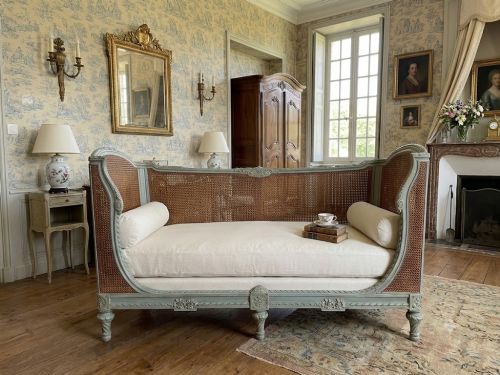
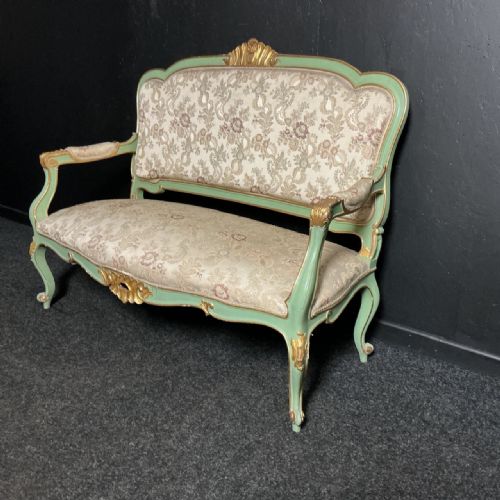
A painted wood canape brings generous French seating into a room, offering expansive elegance for the salon.
Painted Wood Canape
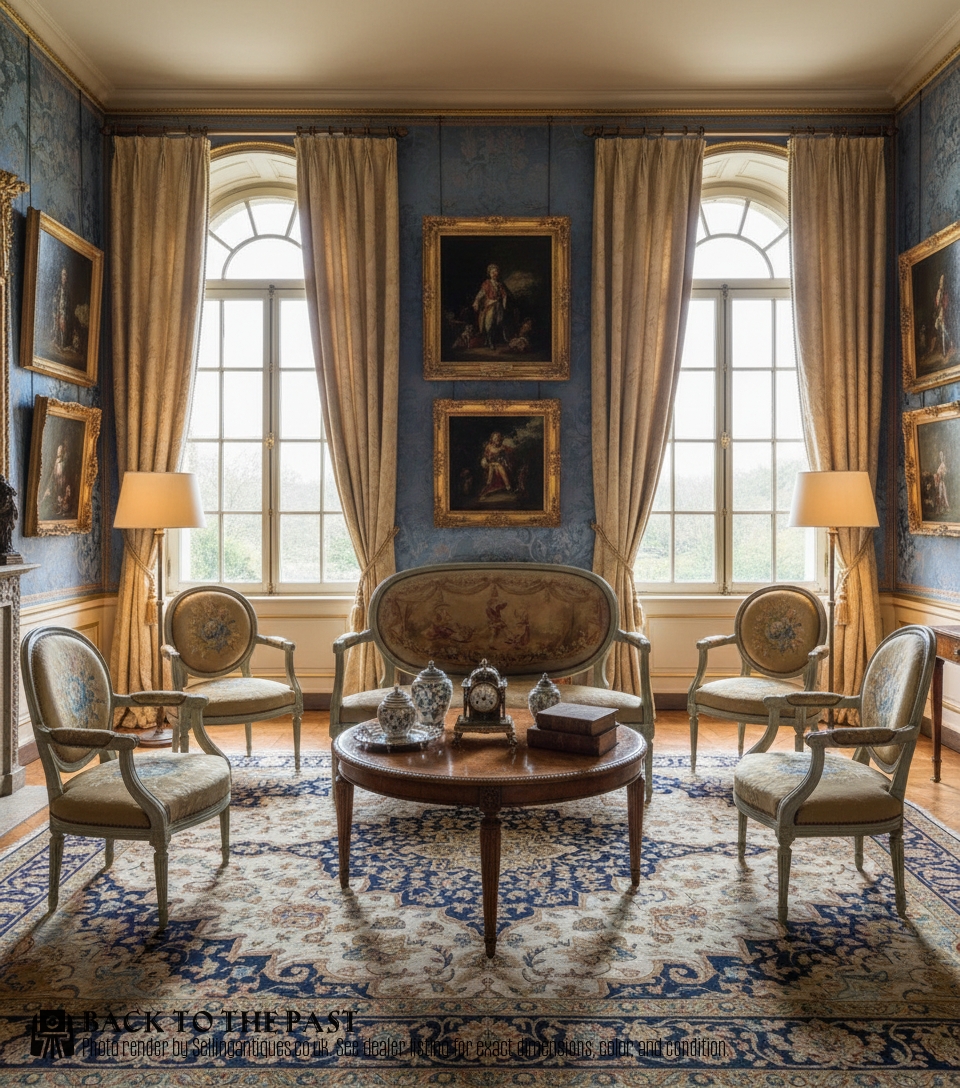
A painted wood canape is a classic settee or sofa form originating primarily in France and Sweden, appearing across multiple eras including the eighteenth and nineteenth centuries. These seating pieces function as focal points in a room, offering wide upholstered or caned surfaces supported by decorative wooden frames.
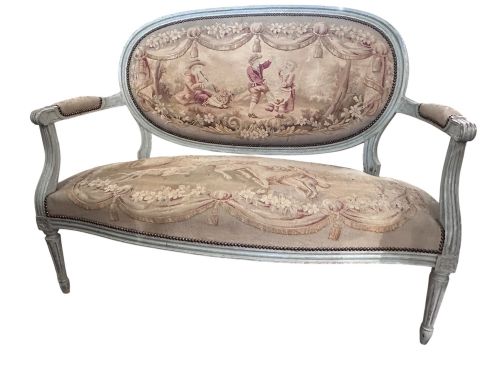
Buyers encountering this search phrase will most frequently find nineteenth-century examples executed in Louis XV or Louis XVI styles. Pieces range from grand gilded couches to restrained Gustavian settees, often upholstered in contemporary or period fabrics like linen.
Materials and construction
Makers utilised solid timbers such as beech, shaping the wood through skilled carving before applying painted finishes and gilding. Frames frequently incorporate woven cane panels for seat bases or backs, particularly in daybeds and lighter settee forms.
Upholstered versions combine traditional stuffing techniques with outer layers of fabric, linen, or Aubusson tapestry. The wooden structures display hand-carved decorative motifs characteristic of Louis XV and Louis XVI revivals.
Current listings feature pieces spanning the eighteenth century through to the mid-twentieth century, highlighting enduring preferences for Louis XV and Louis XVI revivals.
Assessing quality
Quality rests upon the crispness of the hand-carved wooden details and the integrity of the original painted surface. Finer examples retain their early paint or gilding with minimal overpainting, showing genuine age on the beech framework.
Structural refinement distinguishes standard production from superior pieces, seen in the balanced proportions of the arm supports and backrests. The execution of caning and the quality of secondary upholstery materials further elevate a settee's standing.
The Painted Wood Canape Glossary
- Canapé
- An upholstered settee or sofa with an exposed wooden frame. This form typically seats two or three people comfortably.
- Louis XVI Style
- A neoclassical design vocabulary characterised by straight tapered legs, geometric symmetry, and classical carved motifs. It contrasts with the earlier flowing curves of Louis XV design.
- Gustavian
- A Swedish adaptation of French neoclassical style, known for pale painted finishes and restrained decoration. It brings a bright, light aesthetic to wooden furniture.
- Bergère settee
- An upholstered armchair form widened into a settee, featuring enclosed upholstered sides. This style provides a cosy, enveloping seat.
- Cane
- Woven rattan or reed material used for seats and backs. It offers lightweight durability and textural contrast to painted wood.
Painted Wood Canape: Frequently Asked Questions
What is a canape?
A canape is a traditional French term for an upholstered settee or sofa featuring an exposed wooden frame. These pieces served as formal seating in historic salons and reception rooms.
Today, they function as statement sofas in living rooms or bedrooms, offering generous proportions and decorative wooden details.
How do I date a painted wood canape?
Dating relies on stylistic markers such as the transition from curved Louis XV cabriole legs to straight neoclassical Louis XVI supports. Construction marks and the wear patterns on the painted wood also provide clues to the era of manufacture.
Comparing the carving depth and structural joinery helps narrow down whether a piece originates from the eighteenth century or a later revival period.
Where should I place a settee?
These settees suit prominent spaces like drawing rooms, large hallways, or spacious bedrooms where their decorative frames remain visible. They work well placed against a panelled wall or floating near the centre of a large room.
Ensure adequate clearance around the piece so the carved woodwork and painted finish can be appreciated from multiple angles.
How do I care for painted wood?
Maintain painted wooden frames by dusting gently with a soft, dry cloth to prevent dirt accumulation on the delicate surface. Avoid harsh chemical cleaners that might degrade historic paint or gilding layers.
Protect the upholstery and cane panels from direct sunlight to preserve fabric colours and prevent the natural fibres from becoming brittle.