




Grey Painted Settee
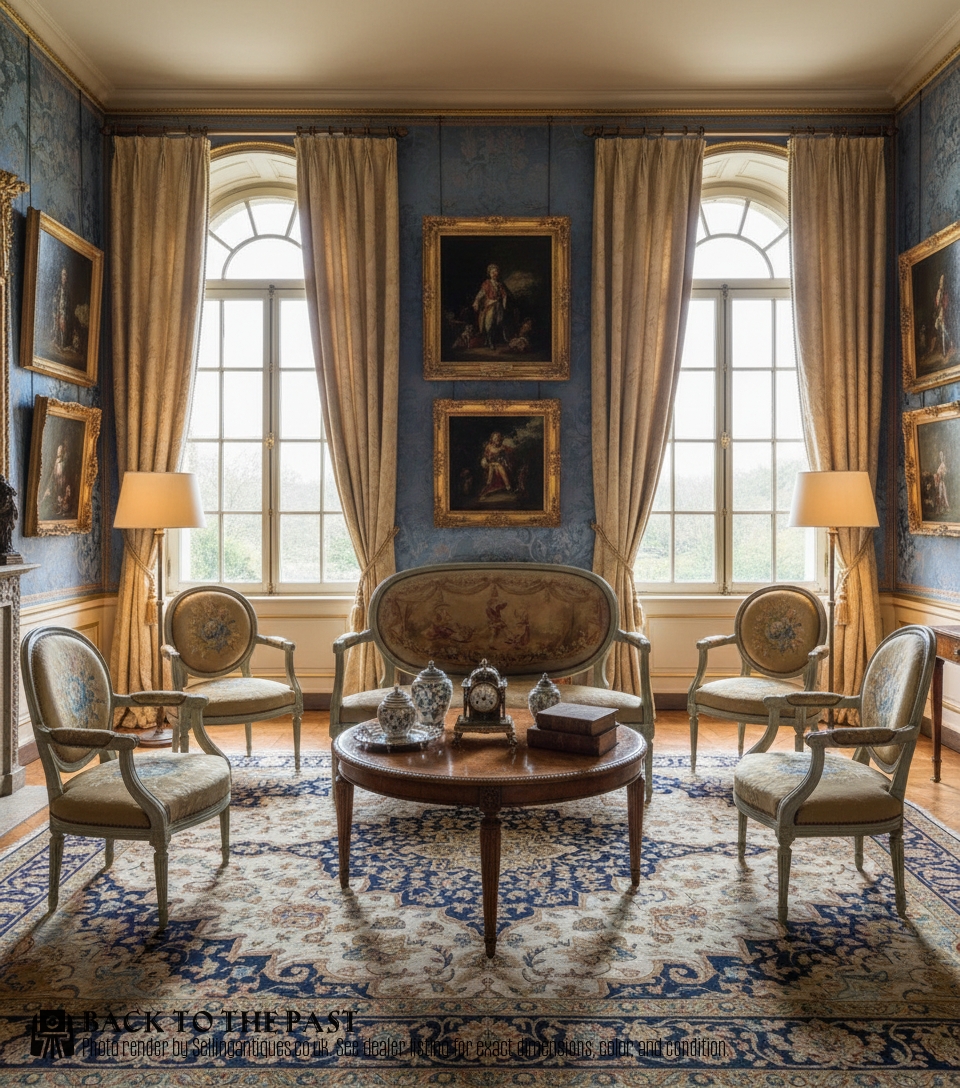
A grey painted settee brings lightness and neoclassical proportion to a room, offering seating shaped by French and Swedish traditions.
Grey Painted Settee
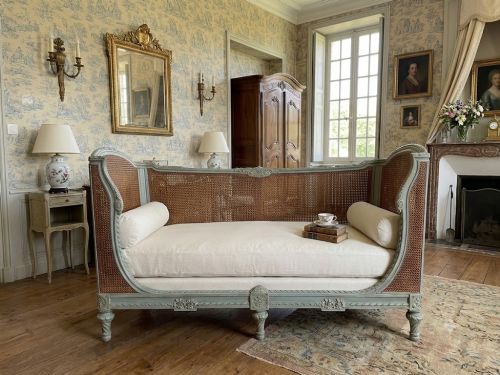
A grey painted settee appears in forms ranging from eighteenth-century Swedish frames to Edwardian and twentieth-century variations. These pieces function primarily as sofas, daybeds, and two-seat settees designed for reception rooms and salons.
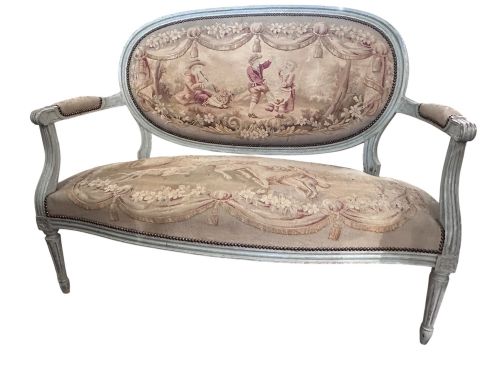
The most common examples on this page follow French Louis XVI and Louis XV styles, featuring painted wood frameworks. Creators often styled them with exposed wooden frames in shades of grey, complemented by upholstered or caned seats.
Alongside standard settees, related seating such as daybeds and conservatory benches appear within the selection. Origins span Italy, France, and Sweden, reflecting continental design preferences from the eighteenth century onwards.
Materials and construction
Makers shaped these frames predominantly from beech and general wood, applying paint directly to the timber. Structural details frequently include carved wooden components such as fluted legs and neoclassical motifs.
Upholstery methods incorporate fabric, linen, and cane panels fitted into the wooden frames. Finishing touches sometimes involve brass tacks securing the upholstery materials to the wood.
Listings incorporate items from the 18th century, 19th century, Edwardian period, and 1940, utilising beech, painted wood, cane, and brass tacks.
Assessing quality and execution
Finer examples display crisp carving on the wooden frames, particularly in the neoclassical and Louis XVI style ornaments. The precision of the fluted legs and structural joinery distinguishes more accomplished pieces from simpler workshop productions.
The integration of original paint surfaces and appropriate upholstery materials affects the integrity of the piece. Better proportioned settees maintain balanced lines between the backrest, arms, and seat structure.
The Grey Painted Settee Glossary
- Canapé
- A traditional French sofa or settee featuring an upholstered back and seat supported by exposed wooden legs. These pieces typically reflect formal interior styles of the eighteenth and nineteenth centuries.
- Louis XVI Style
- A neoclassical design aesthetic characterised by straight lines, symmetrical geometry, and classical architectural motifs such as fluting. Furniture from this tradition emphasises restraint and proportion over excessive curves.
- Gustavian
- A Swedish interpretation of French neoclassical design, notable for lighter colour palettes and simplified ornamentation. Pieces from this tradition frequently utilise pale paint finishes on wooden frames.
- Cane
- Woven rattan material used to form supportive panels for seats and backrests. This technique provides a lightweight alternative to fully upholstered cushions.
Grey Painted Settee: Frequently Asked Questions
Where did grey painted settees originate?
These seating forms emerged primarily from French and Swedish workshops during the eighteenth and nineteenth centuries. Continental cabinetmakers adapted classical architectural styles for domestic interior furnishings.
Later adaptations appeared across Edwardian and mid-twentieth-century workshops, maintaining the traditional painted aesthetic.
How do I care for a painted wooden frame?
Protect the painted wooden surface by keeping the furniture away from direct sunlight and moisture fluctuations. Dust the carved details gently with a dry, soft cloth.
Avoid chemical cleaning products that might lift or damage the historic paint layers on the timber.
How are different periods identified?
Period attribution relies on stylistic cues, construction methods, and material usage visible in the woodwork. Eighteenth-century pieces display hand-carved detailing and specific regional proportions associated with Swedish or French craftsmanship.
Later nineteenth-century and Edwardian examples often revive these earlier neoclassical forms while employing contemporary manufacturing techniques.