



Antique Tapestry Seat
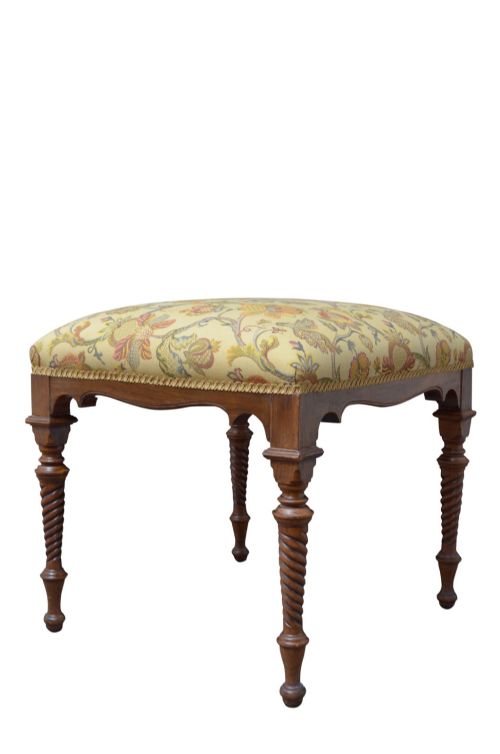
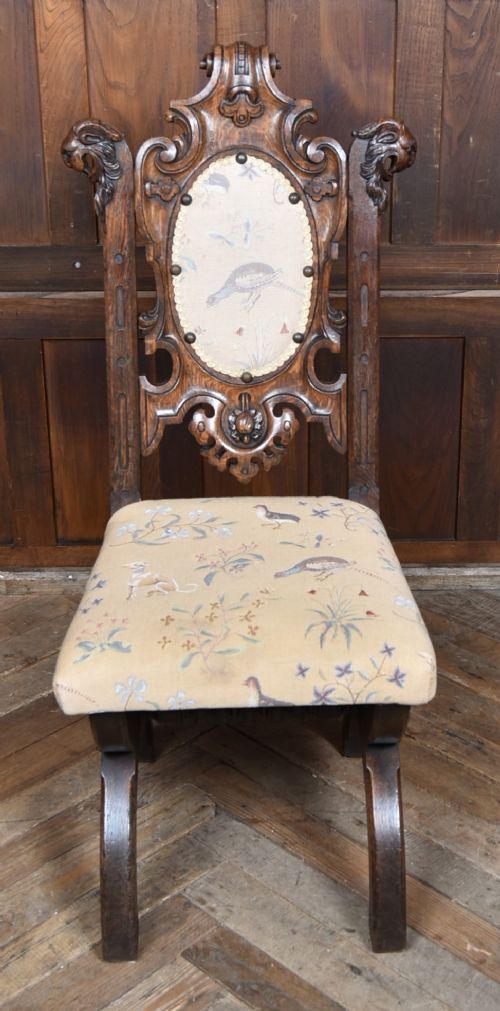
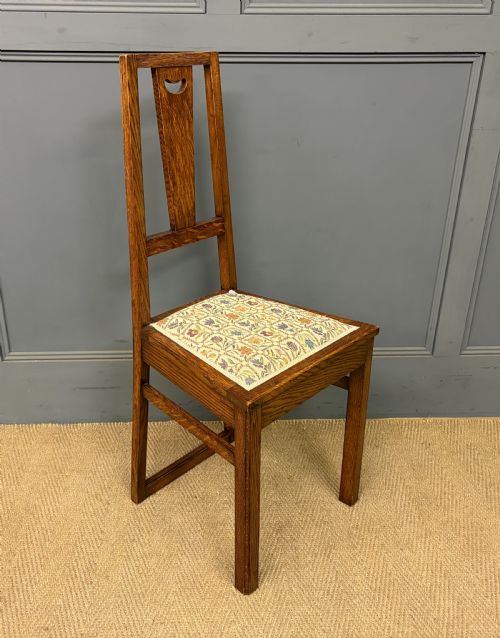
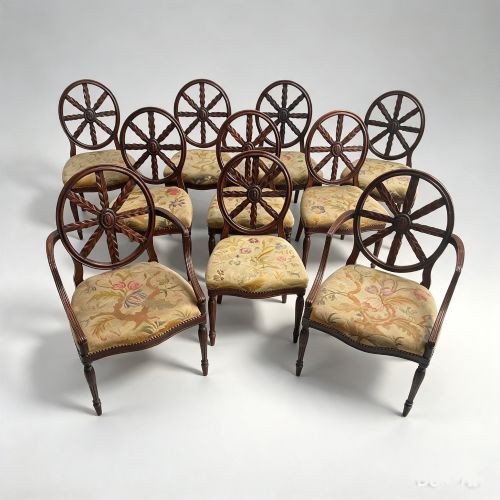
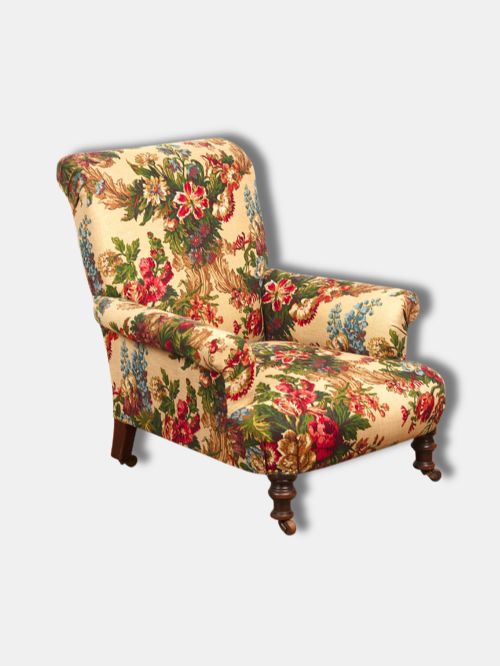
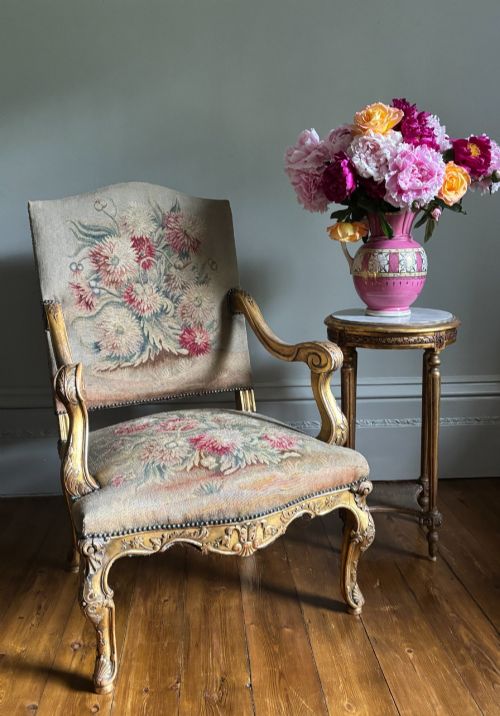
An antique tapestry seat brings texture and history to a room through woven textile and carved timber.
Antique Tapestry Seat
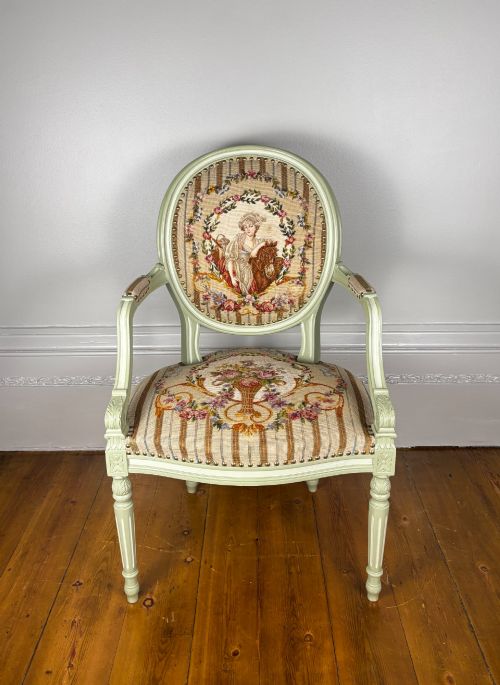
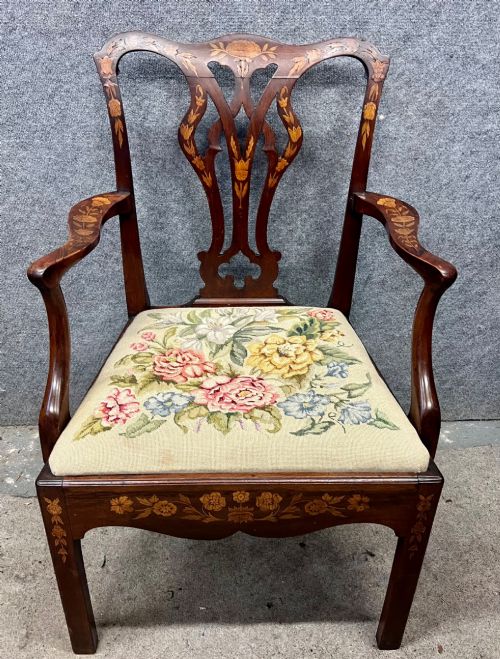
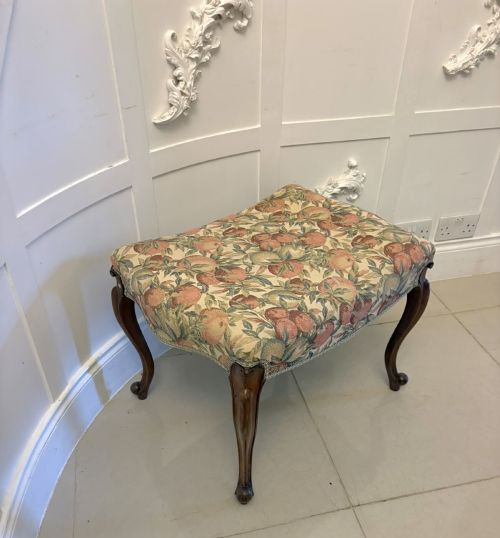
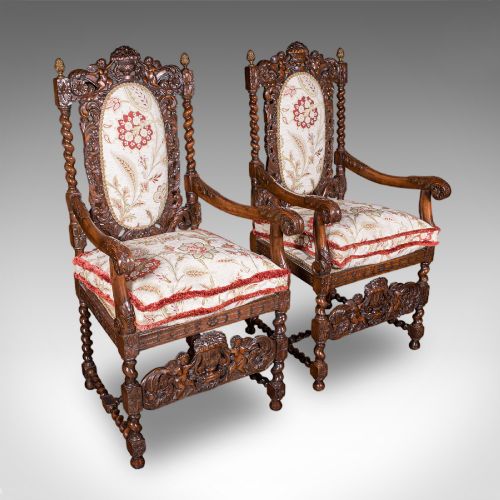
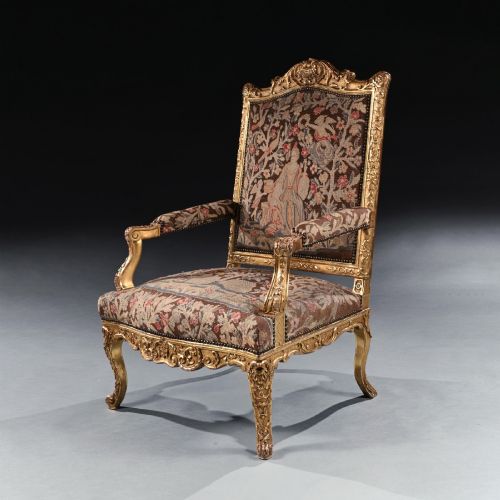
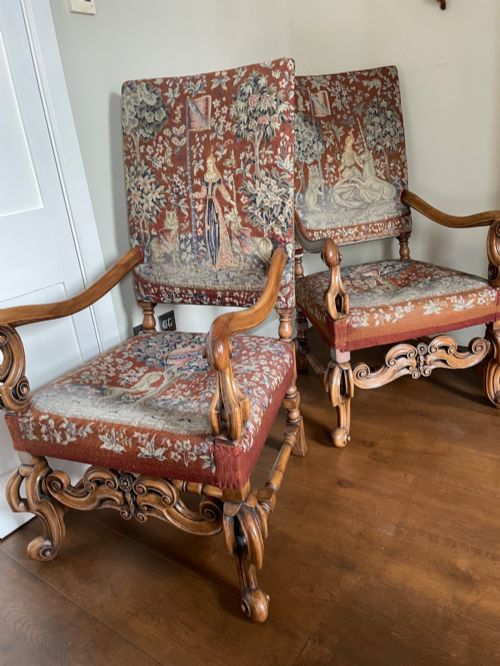
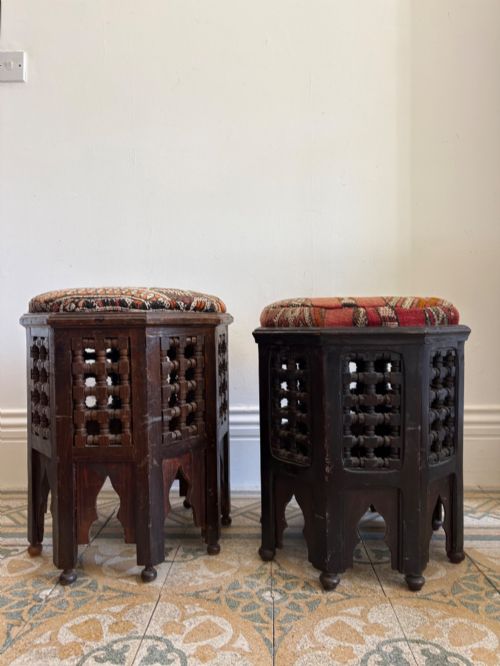
The selection ranges from single occasional chairs and prie-dieu seats to large dining sets and salon suites, reflecting both English craftsmanship and French influence. Stools and window seats frequently appear alongside open armchairs and elbow chairs, displaying needlework or woven covers upon timber frames.
Materials and construction methods
Frames are constructed from hardwoods such as mahogany, walnut, oak, beech, and elm, often shaped with carved details or parcel gilt finishes. Joinery methods include traditional pegging, mortise and tenon joints, and turned supports.
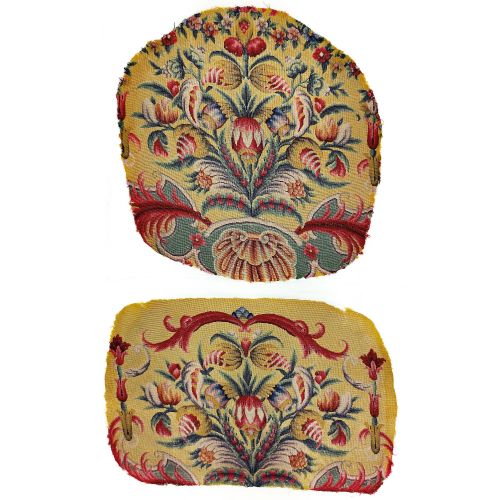
Upholstery combines textile covers like needlepoint, beadwork, and woven tapestry with internal stuffings, resting upon wooden or X-frame structures supported by brass or timber hardware.
Antique Tapestry Seat Retail Price Guide 2026
Typical asking prices for tapestry seat among the pieces listed under this phrase on Sellingantiques today, from the lower quarter to the upper quarter. They describe what is for sale here now, not the wider market.
Several Victorian piano stools feature hidden compartments beneath their tapestry seats for sheet music storage.
Distinctions in craftsmanship and preservation
Quality shows in the crispness of timber carving, the structural integrity of the frame joints, and the density of the wood used by the maker. Higher-tier examples display refined proportions, matching timber grains, and sophisticated revival styling.
The condition and execution of the textile cover influence value, with hand-worked needlepoint and original French tapestry retaining greater character. The integration between the woven top and the supporting wooden frame demonstrates the overall standard of the piece.
Warings
The Antique Tapestry Seat Glossary
- Tapestry
- A thick textile featuring woven designs used to cover chair seats and backs. It provides both decorative pattern and durable surface texture.
- Needlepoint
- A type of embroidery stitched onto canvas mesh by hand. This technique creates detailed pictorial or geometric seat panels.
- Elbow chair
- An armchair with wooden armrests, often scaled for a desk, hall, or dining table. These frames frequently showcase revival styles.
- X-frame stool
- A seat supported by intersecting diagonal legs forming an X shape. This form dates back centuries and appears in Victorian interpretations.
- Prie-dieu
- A devotional chair featuring a low seat and an upper shelf or rail for kneeling. Victorian examples often incorporate needlework upholstery.
Antique Tapestry Seat: Frequently Asked Questions
What is an antique tapestry seat?
An antique tapestry seat is a historical chair, stool, or bench featuring a woven textile or needlework cover.
These pieces combine functional wooden frames from periods like the Georgian and Victorian eras with decorative fabric tops.
How do I care for tapestry upholstery?
Protect woven tapestry seats from direct sunlight to prevent fading of the dyed yarns. Gentle vacuuming through a mesh screen helps remove dust without snagging the fibres.
Avoid harsh chemical cleaners and moisture, consulting a textile specialist for conservation work.
Where were these seats used?
These chairs and stools served multiple functions across the home, from dining rooms and libraries to dressing rooms and morning rooms.
Smaller piano stools and footstools were placed by instruments and firesides, while armchairs furnished formal drawing rooms.
How do I identify the period?
Dating relies upon timber choice, structural joinery, and the design motifs carved into the frame. Revival pieces often emulate earlier Georgian or French styles while retaining nineteenth or twentieth-century manufacturing traits.
Upholstery techniques and textile styles also offer clues to the decade of creation.