
Antique Tall Narrow Cabinet
An antique tall narrow cabinet answers the permanent domestic problem of storing a library or collection in limited floor space.
Antique Tall Narrow Cabinet
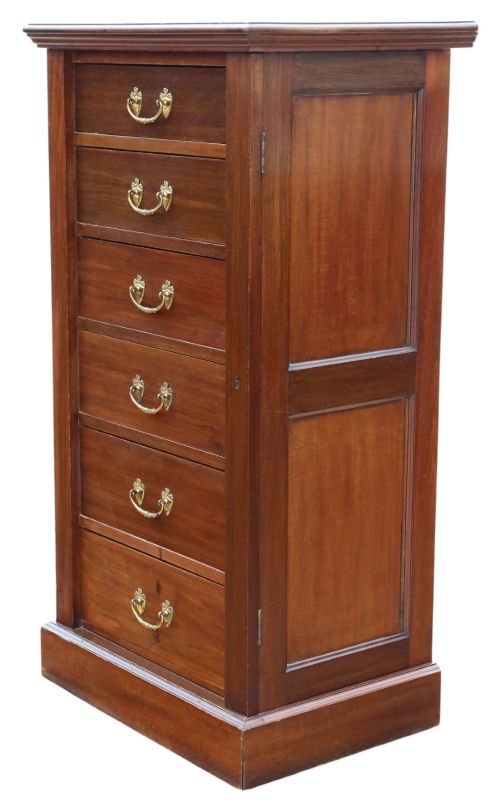
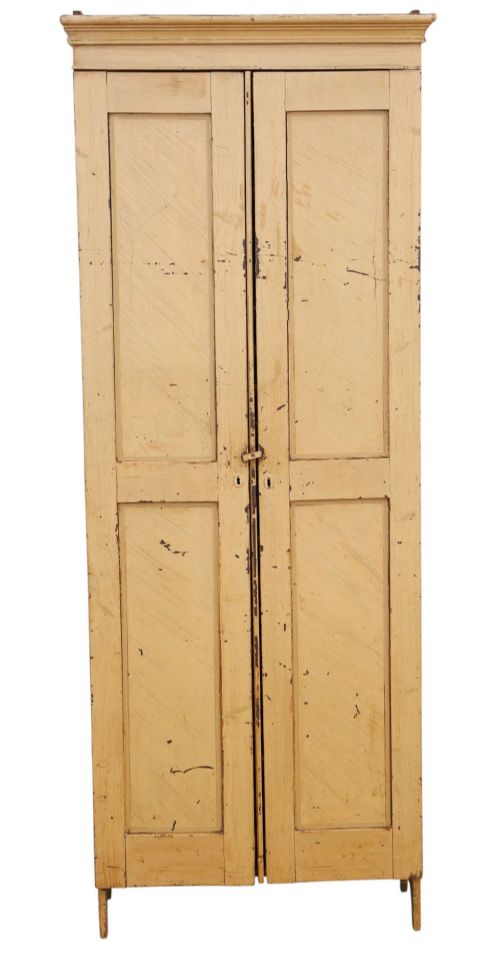
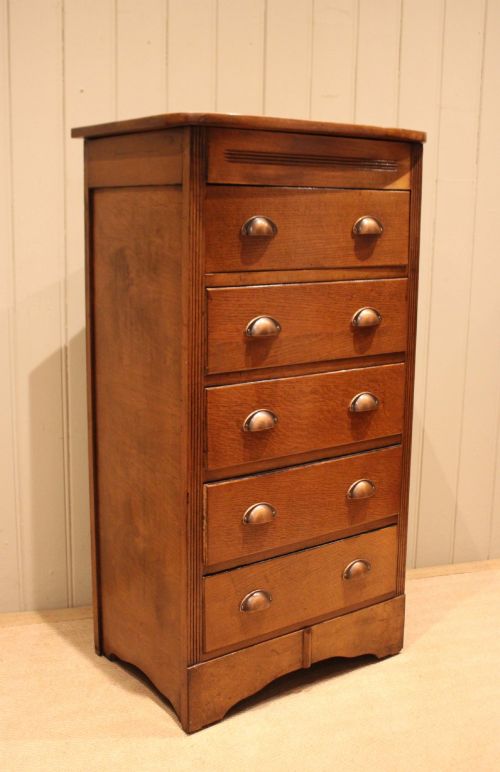
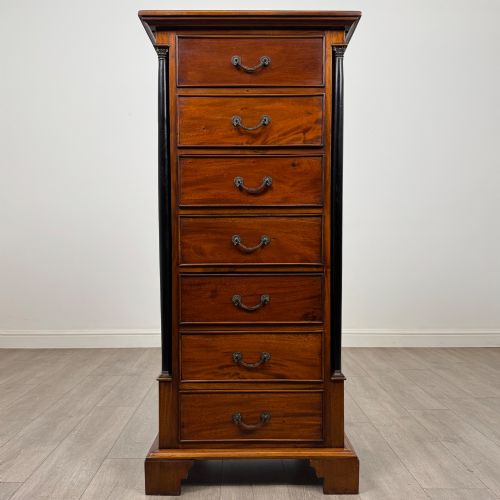
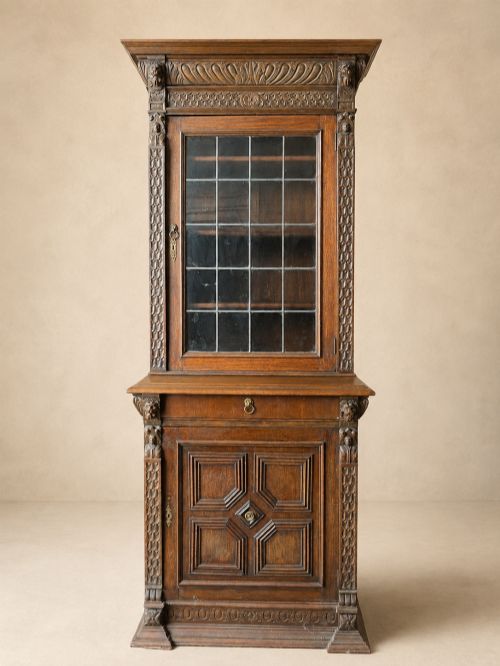
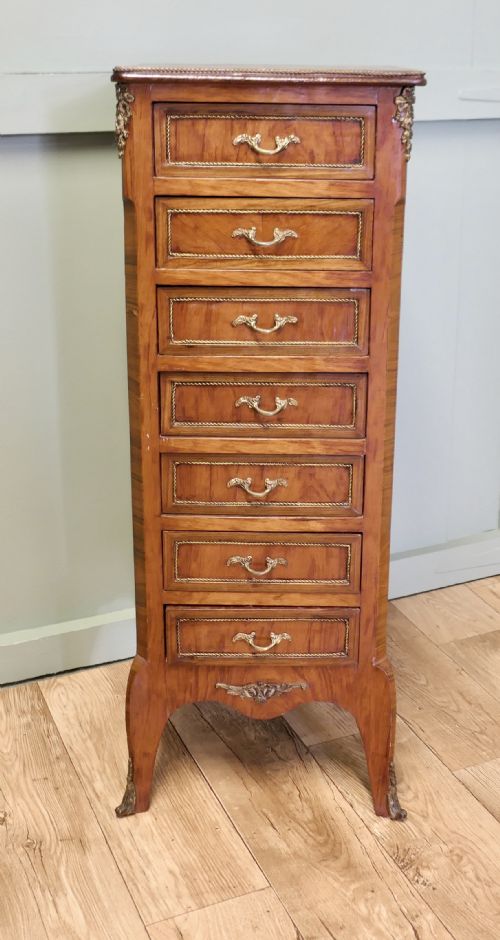
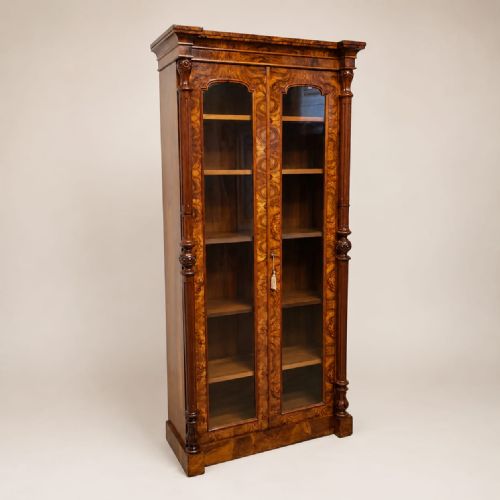
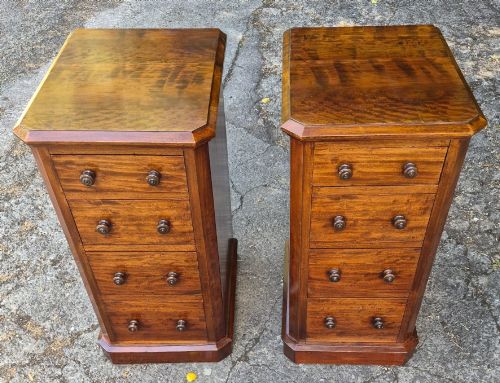
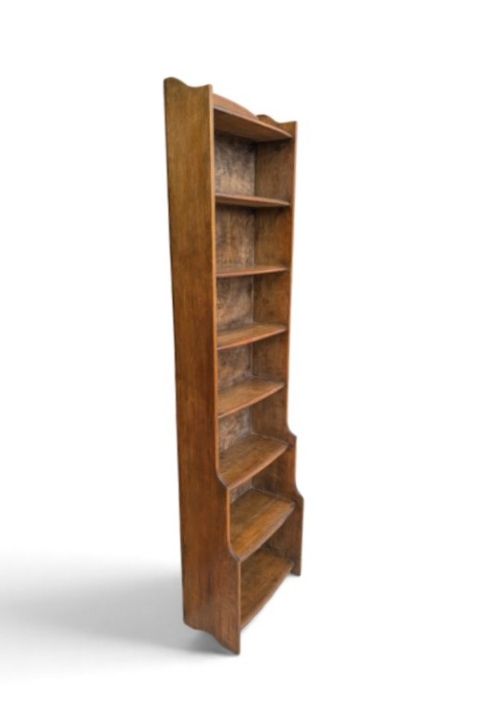
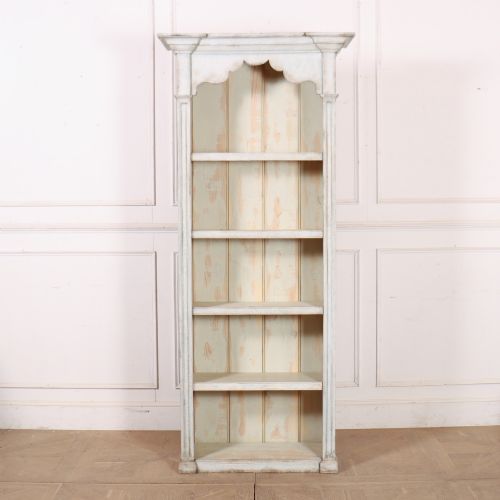
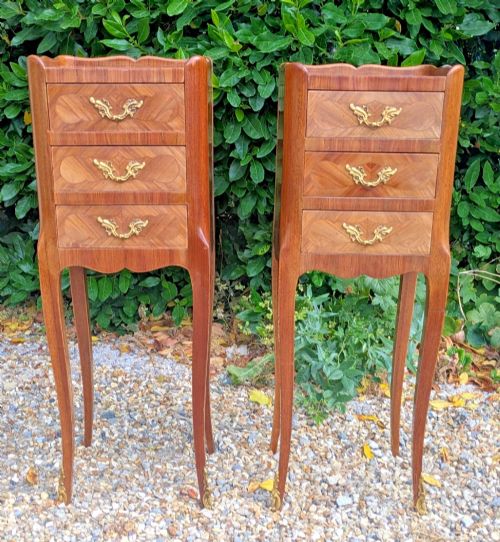
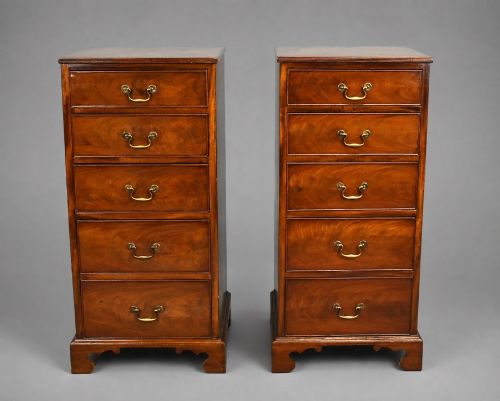
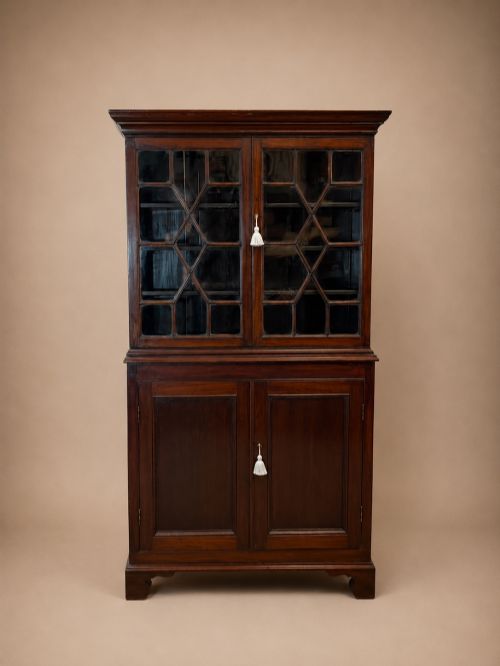
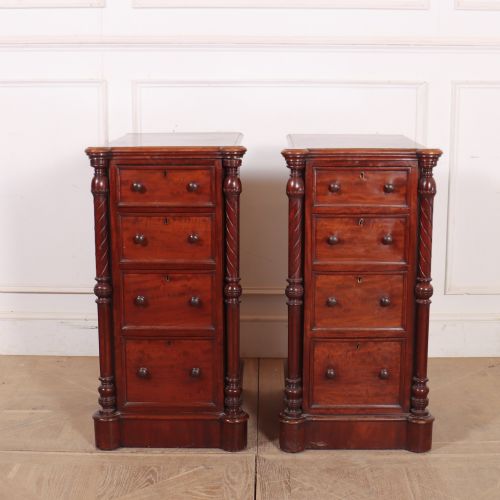
When you search for an antique tall narrow cabinet, you encounter pieces designed to maximise vertical storage without dominating a room. The selection spans distinct forms, from slender Wellington chests and upright bookcases to glazed display cabinets and bedside towers.
Victorian and Edwardian examples dominate the offerings, alongside pieces dating from eighteen-fifty to nineteen-thirty. You find English and French versions in regional styles such as country, provincial and transitional, often built with neat proportions for smaller rooms.
The primary functions range from housing book collections and displaying china to concealing linen or serving as bedside pedestals. Each variant maintains a vertical emphasis, relying on height rather than width to deliver capacity.
Materials and Construction
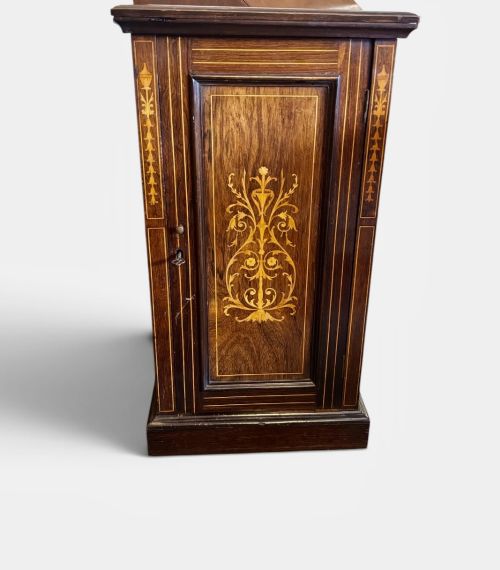
Cabinet makers relied heavily on mahogany, oak and walnut for structural integrity, often selecting figured veneers and burr walnut for visual depth on primary surfaces. Rosewood, pine and brass hardware appear frequently, supporting the weight of deep drawers and glazed doors.
Joinery methods reflect the period of manufacture, utilising traditional dovetails for drawer construction and sturdy framing to support tall, slender proportions. Glazed doors incorporate timber astragals, while inlaid details and parquetry demonstrate specialist surface decoration.
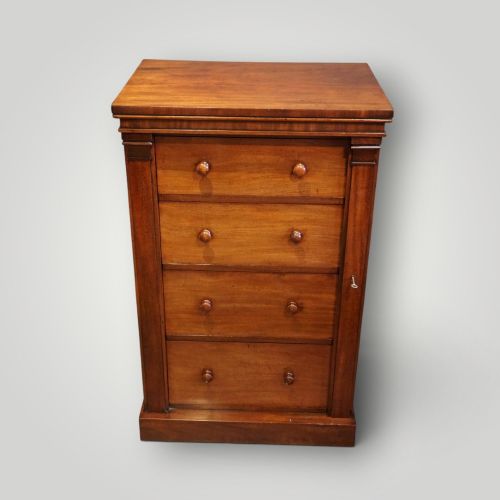
Some nineteenth-century Wellington chests required a dedicated locking bar secured with a tiny key just to keep the drawers from tumbling out when opened.
Standard of Manufacture
Quality reveals itself in the selection of timber veneers and the crispness of carved or inlaid details. Finer pieces display matched grain patterns across multiple drawers and retain original brass handles and turning.
The integrity of the internal structure dictates longevity, with tight joints and smooth-sliding drawers separating standard cabinet work from superior craftsmanship.
Maple and Co·S and H Jewells
The Antique Tall Narrow Cabinet Glossary
- Wellington chest
- A tall, narrow chest of drawers secured by a hinged locking stile on one vertical edge. This locking bar is typically held in place by a small key.
- Astragal
- A moulding profile attached to glass doors to divide panes into smaller lights. These wooden bars form geometric patterns across Edwardian and Victorian bookcases.
- Parquetry
- Geometric wood mosaic work used for decorative surface patterns. Cabinet makers applied these small timber tiles to drawer fronts and top surfaces.
- Burr walnut
- Timber taken from a tree growth that produces intricate, swirling grain patterns. It was sliced into thin veneers for high-status cabinet doors and drawer panels.
Antique Tall Narrow Cabinet: Frequently Asked Questions
Where should I place a tall narrow cabinet?
These pieces suit alcoves, hallways and compact bedrooms where floor space is limited. Their height allows substantial storage without blocking natural walkways.
Ensure the piece is anchored safely to the wall if it holds heavy volumes or stands on uneven flooring.
How do I distinguish Victorian from Edwardian pieces?
Victorian cabinets generally employ heavier timbers, richer dark polishes and deeper mouldings. The construction prioritises solidity and formal presence.
Edwardian examples often feature lighter mahogany or oak, brighter glazing bars and simpler decorative inlay reflecting changing domestic tastes.
Can these cabinets support heavy book collections?
Solid mahogany and oak bookcases with adjustable wooden shelving handle heavy volumes securely. Tall proportions distribute weight down through sturdy side panels.
Check that internal shelf supports are original and firmly seated before loading heavy books.
What maintenance do polished wood surfaces require?
Dust regularly with a soft, dry cloth and apply natural beeswax periodically to nourish the timber. Avoid placing cabinets near direct heat sources to prevent veneer warping.
Minimise exposure to direct sunlight to preserve the natural colour and patina of the wood.