


Antique Tableware Server
An antique tableware server brings period elegance to dining, offering specialised service pieces from toast racks to sauce boats.
Antique Tableware Server
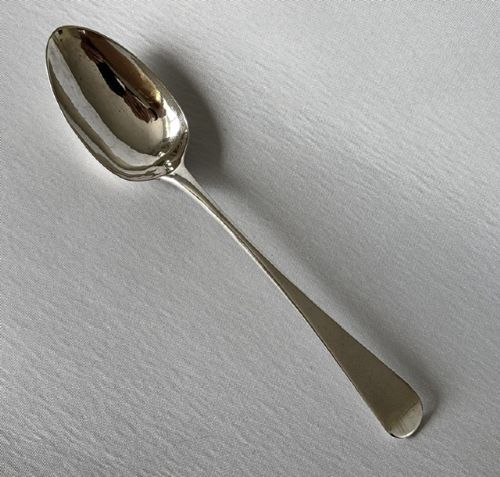
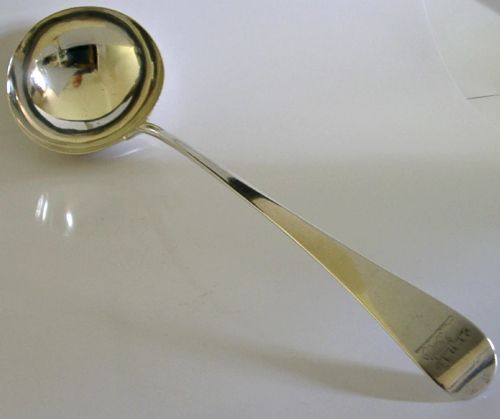
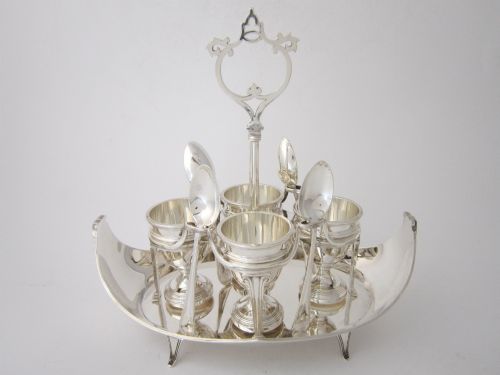
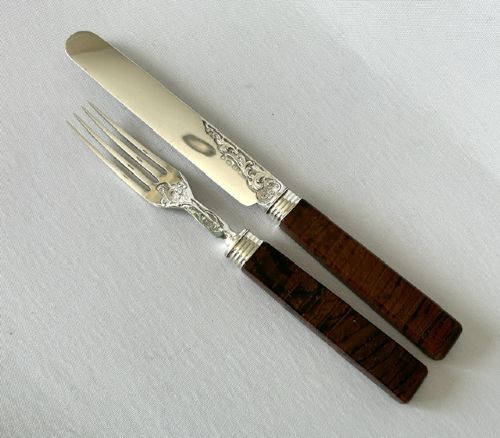
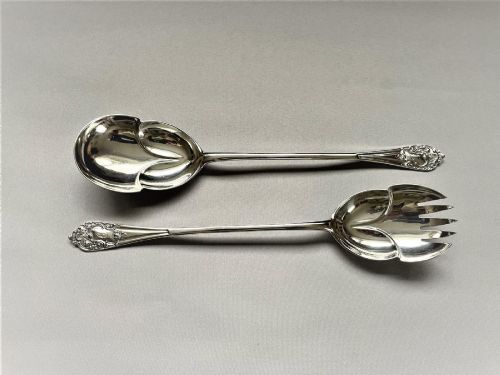
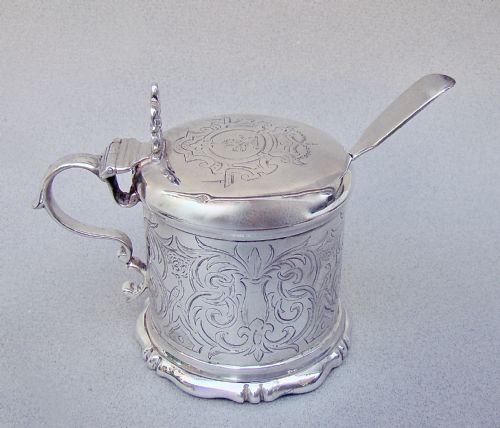
An antique tableware server encompasses various dining service pieces designed for specific culinary tasks across the Georgian, Victorian, and Edwardian periods. Pieces range from silver egg cruets and mustard pots to ceramic vegetable tureens, serving spoons, and toast racks.
Most items encountered on this page date from the nineteenth and early twentieth centuries, reflecting the formal dining habits of past eras. Buyers find both sterling silver items and silver plate alternatives alongside earthenware and glass components.
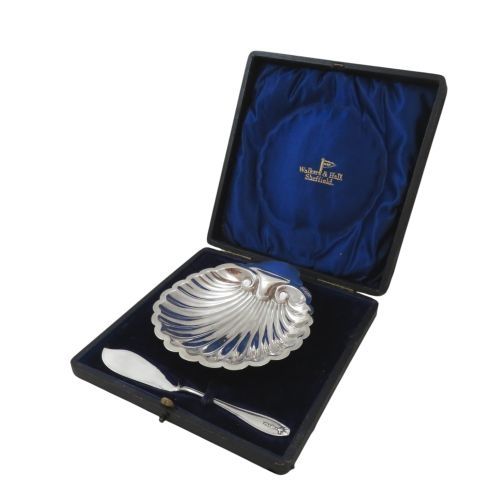
Specialised items such as ham bone holders, butter dishes, and cheese coasters demonstrate the precise table arrangements common in historical households. Each object fulfils a distinct function within the broader category of antique tableware server.
Materials and construction methods
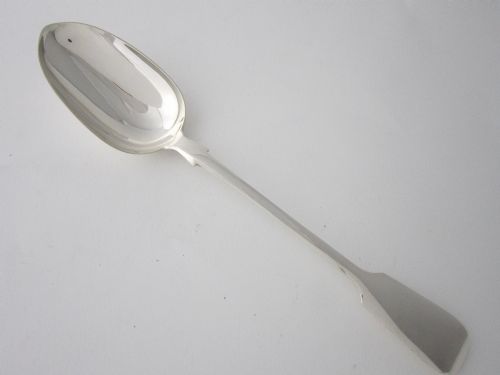
Silversmiths utilised sterling silver and silver plate, employing techniques like piercing, embossing, and Fiddle pattern shaping to create serving spoons, sauce boats, and cruet stands. Old Sheffield plating and electroplated nickel silver also appear frequently among the metal wares.
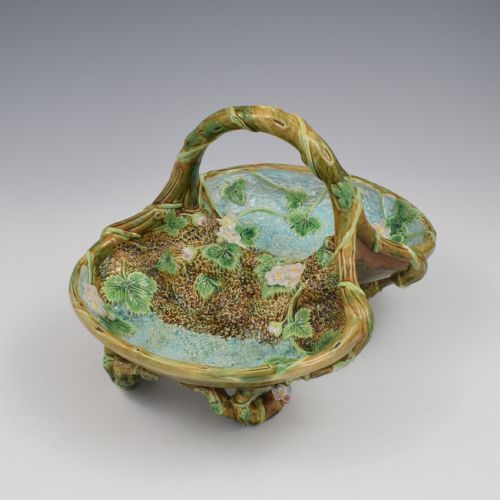
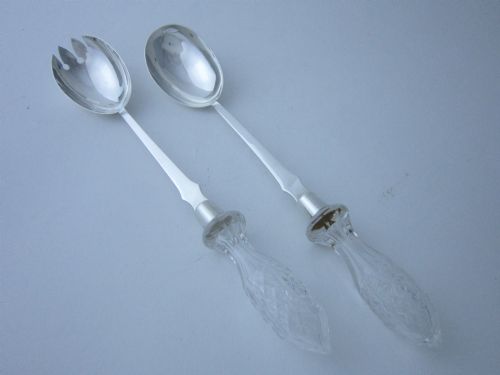
Ceramic pieces incorporate earthenware and Majolica glazes, often featuring transfer-printed scenes such as the Europa pattern on pottery vegetable tureens. Glass liners and cut glass bowls complement silver frames in butter dishes and salad servers.
Cabinet makers worked with mahogany for larger items like cheese coasters, whilst manufacturers combined wood, ceramic, and metal in complex food warmers and chafing dishes.
Listings feature items spanning the Georgian, Victorian, and Edwardian periods, constructed from sterling silver, silver plate, earthenware, glass, and mahogany.
Assessing quality in service pieces
The distinction between standard items and superior examples lies in the weight of the metal, the crispness of chased or embossed decoration, and the integrity of maker marks. Heavier gauge sterling silver and well-defined crests indicate higher grade manufacture.
The collaboration of notable makers, such as pairing silver frames with hand-painted Doulton Burslem plates or Christofle glass components, elevates the standing of composite tableware servers.
Preservation of original elements, including fitted cases, matching glass liners, and intact silver plating without base metal exposure, determines the desirability of individual pieces.
Peter and Jonathan Bateman·Hester Bateman·Elkington·Christofle Gallia·Charles and George Fox·George Jones·William Burwash·Goldsmiths and Silversmiths·John and Richard Riley·Walker and Hall·Charles Fox II·Matthew Boulton
The Antique Tableware Server Glossary
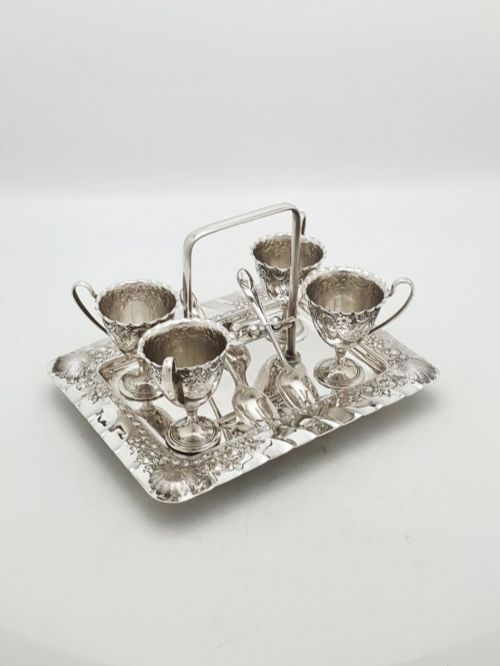
- Cruet
- A small stand holding condiment bottles, egg cups, or castors for the dining table. These sets often group mustard pots, pepper shakers, and salt cellars together.
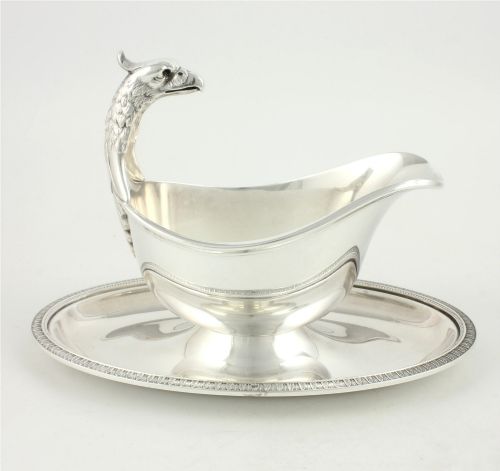
- Sauce boat
- A small pitcher designed for serving gravies and sauces, usually featuring a lip and a handle. Examples range from plain Georgian silver to ornate Victorian designs.
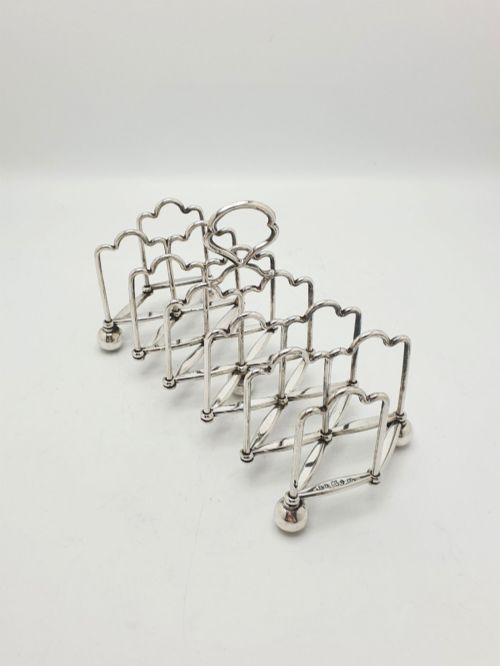
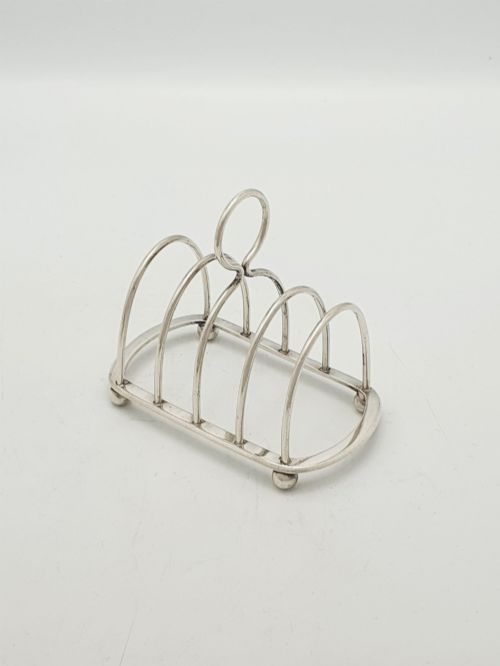
- Toast rack
- A metal frame with vertical dividers used to hold slices of toast upright at breakfast. Victorian and Edwardian examples accommodate varying numbers of slices.
- Tureen
- A deep, covered bowl used for serving soups, vegetables, or stews. Earthenware and pewter versions appear alongside ceramic iterations.
- Old Sheffield plate
- A composite material made by fusing a thin sheet of silver to a thicker copper base. This technique preceded electroplating methods.
Antique Tableware Server: Frequently Asked Questions
What is an antique tableware server?
An antique tableware server is any specialised piece of equipment used to serve food or condiments at the dining table. This category includes everything from silver sauce boats and mustard pots to ceramic vegetable tureens and toast racks.
Items date primarily from the eighteenth century through to the Edwardian era, reflecting historical dining customs. They combine practical utility with decorative craftsmanship in silver, ceramic, and glass.
How were egg cruets used?
Egg cruets served boiled eggs at breakfast, holding individual egg cups alongside spaces for salt, pepper, and toast. They allowed diners to season and eat eggs directly from the table service.
Victorian and Edwardian households utilised these fitted stands to streamline morning dining. The central handle enabled servants or hosts to pass the entire collection easily.
What is a ham bone holder?
A ham bone holder is a silver-plated or sterling silver device clamped onto the knuckle of a carved ham. It provided a clean, decorative handle for the carver to steady the joint during service.
This nineteenth-century dining accessory prevented hands from touching the bone. It represents the specialised nature of Victorian table service.
How do I care for silver tableware?
Silver tableware requires gentle hand washing with warm soapy water and a soft cloth to preserve the metal and any applied plating. Avoid harsh abrasive cleaners that wear away thin silver layers on plated items.
Store pieces in dry environments away from direct sunlight and rubber materials which can tarnish silver. Regular, careful use prevents heavy tarnish accumulation.