



Transferware Ceramic Vessel
These transferware ceramic vessel examples bring printed blue-and-white patterns and rich earthenware bodies straight into a room.
Transferware Ceramic Vessel
A transferware ceramic vessel covers a range of utilitarian and decorative forms, from chamber pots and dairy ware to large footbaths, basins, plates, bowls, sugar bowls, and tureens. When exploring this phrase, a buyer encounters domestic and table items produced across multiple eras.
The pieces appearing on this page span the 18th century, Georgian, Regency, Victorian, Edwardian, and 1920 periods. Earthenware, ironstone, creamware, and pearlware provide the body for these forms, often finished with glaze or metallic oxide glaze.
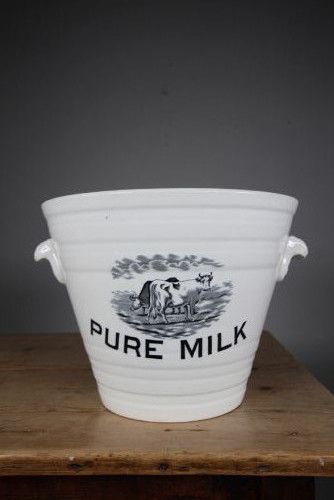
Domestic forms such as chamber pots and dairy pails sit alongside formal tableware like blue-and-white footbaths, covered sugar bowls, sailing ship plates, and large tureens. Styles range across Victorian country, folk art, Regency, and Georgian aesthetics.
How they were made
Potters shaped these items from earthenware, ironstone, creamware, and pearlware, building substantial bodies designed for daily domestic or table use. Ironstone offered particular strength for dairy pails and heavy vessels.
Makers applied printed designs using metallic oxide glaze beneath or over the surface, creating the characteristic blue-and-white and mulberry transfer patterns. A final transparent glaze sealed the ceramic body and protected the printed motifs.
Transferware Ceramic Vessel Retail Price Guide 2026
Typical asking prices for transferware ceramic vessel among the pieces listed under this phrase on Sellingantiques today, from the lower quarter to the upper quarter. They describe what is for sale here now, not the wider market.
Sailors and ships sailed straight onto crockery via Sunderland lustre and Liverpool plates.
What varies in quality
Quality rests on the clarity of the transfer print and the crispness of the earthenware or ironstone moulding, particularly around handles like lion masks or footbath rims. Finer pieces show sharp detail in complex sailing ship scenes or floral borders without smudging.
The condition of the glaze and the stability of the ceramic body distinguish standard domestic wares from exceptional display pieces. Intact glaze surfaces preserve the underlying transfer work and maintain the integrity of the vessel.
Heathcote·Spode·Herculaneum·Copeland and Garrett
The Transferware Ceramic Vessel Glossary
- Transferware
- Pottery decorated by transferring a printed design from an engraved copper plate onto the ceramic surface using metallic oxides. This technique allowed complex pictorial scenes to be replicated consistently across multiple vessels.
- Ironstone
- A dense, durable type of earthenware patented in the 19th century to imitate porcelain. It resists chipping and staining, making it suitable for heavy vessels and dairy ware.
- Pearlware
- A refined earthenware developed in the late 18th century featuring a bluish glaze that pooled in recesses. It bridged the gap between creamware and later white earthenwares.
- Creamware
- A light-coloured refined earthenware with a warm yellow-toned lead glaze developed during the 18th century. It formed the body for many early printed domestic items.
- Footbath
- A large, deep ceramic vessel designed for washing feet or for chilling wine bottles at the table. These often feature robust handles and extensive transfer printing.
- Tureen
- A deep covered bowl used for serving soup or vegetables at the table. These vessels frequently display matching printed decoration on both the bowl and the lid.
Transferware Ceramic Vessel: Frequently Asked Questions
What is a transferware ceramic vessel used for?
These vessels served diverse practical functions in Georgian and Victorian households, ranging from food service at the table to dairy work and washing.
Today, collectors repurpose large footbaths, tureens, and bowls for interior display, floral arrangements, or storage within traditional and contemporary rooms.
How do I identify the period of these pieces?
Dating relies on body composition, such as creamware and pearlware pointing to the 18th and early 19th centuries, while ironstone and heavy Victorian earthenware suggest later decades.
Maker marks, style characteristics like Regency or Victorian country forms, and specific transfer patterns provide further chronological markers.
Are all transferware ceramic vessel pieces blue and white?
While blue-and-white decoration dominates the selections, other colourways such as mulberry appear on Staffordshire wares.
The printed patterns utilise metallic oxide glazes that react to firing temperatures, occasionally producing distinct purple or brown tones alongside standard blues.
How should I care for an antique transferware vessel?
Gentle cleaning with mild soap and warm water preserves the historic glaze and prevents damage to the earthenware body.
Harsh abrasives and modern dishwashers must be avoided to protect the transfer printed surface from wear and fading.