









Antique Tableware Platter
An antique tableware platter brings centuries of dining history to the table, offering generous proportions and distinct decorative motifs.
Antique Tableware Platter
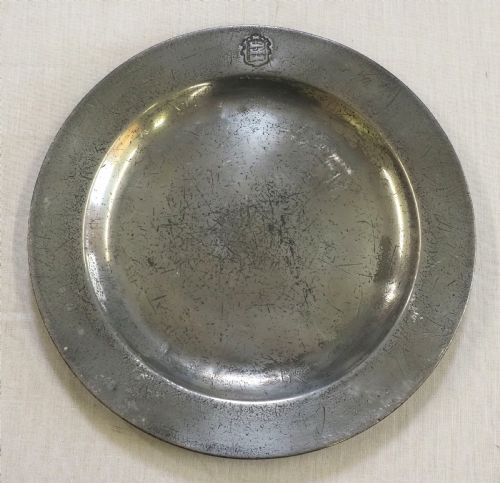
An antique tableware platter spans serving dishes, meat platters, and chargers originating from the eighteenth, nineteenth, and early twentieth centuries. These pieces represent formal dining traditions across English, European, and regional potteries and metalsmiths.
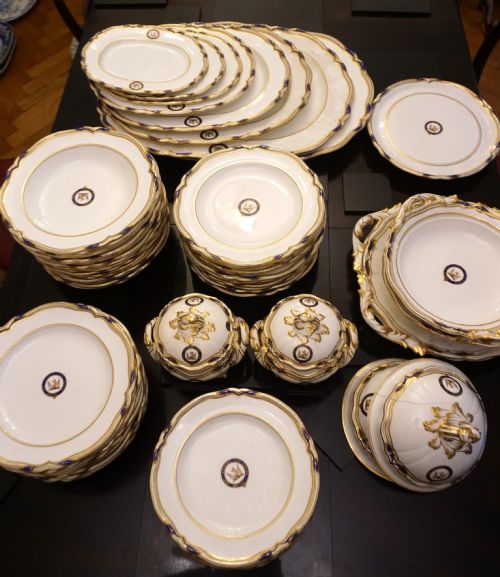
The selection on this page leans heavily toward nineteenth-century earthenware and porcelain services alongside Georgian and Victorian pewter plates and chargers. Buyers encounter transfer-printed blue and white meat dishes, botanical creamware, and substantial silver-plated entree dishes.
Forms range from large oval serving platters to small mazarine plates and rectangular serving tureens. Each object reflects the utilitarian and aesthetic demands of historical dining rooms.
How They Were Made
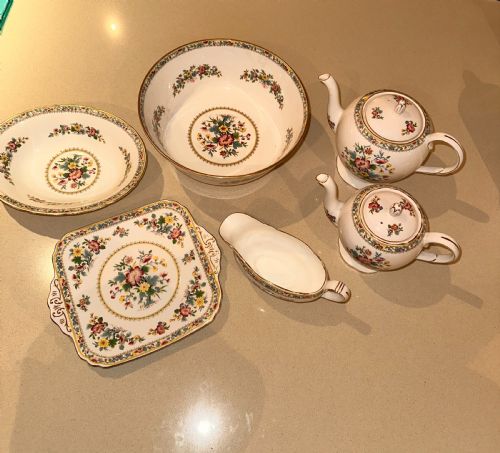
Pottery items utilise earthenware, ironstone, and porcelain shaped through throwing or moulding, often decorated with hand-painting or transfer-printed patterns such as the zebra and London Bridge designs.
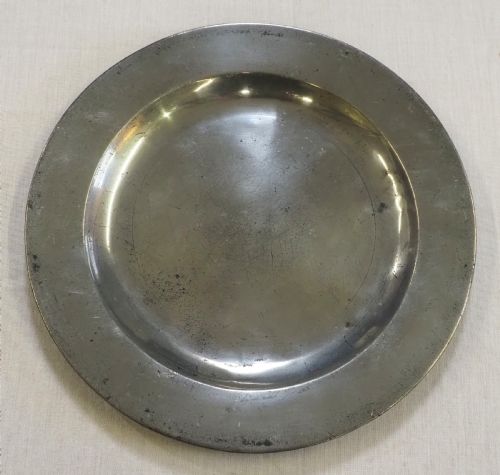
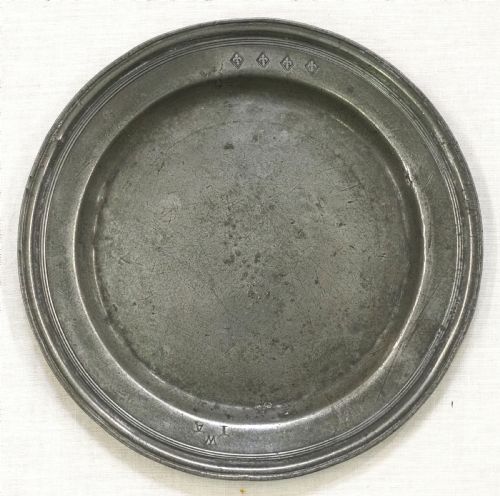
Metal items employ pewter, Old Sheffield Plate, and silver plate over copper bases, shaped by hammering, casting, or rolling to form durable plates, chargers, and entree dishes.
Glazes and enamel finishes seal the ceramic bodies, while gold leaf highlights select porcelain and earthenware serving pieces.
Antique Tableware Platter Retail Price Guide 2026
Typical asking prices for tableware platter among the pieces listed under this phrase on Sellingantiques today, from the lower quarter to the upper quarter. They describe what is for sale here now, not the wider market.
Listings feature items spanning the seventeenth century through the Edwardian era, incorporating earthenware, pewter, porcelain, and silver plate.
What Varies in Quality
The crispness of transfer printing and the precision of hand-painted botanical details distinguish finer ceramic platters from standard commercial wares of the period. Maker attribution, such as works associated with Wedgwood, Mason's, or Coalport, influences the standing of a service.
In metalwork, the weight of the pewter or the integrity of the silver plating over copper determines the longevity and substance of chargers and entree dishes. Retained original crests, coats of arms, and clear maker touchmarks add historical authority to metal pieces.
William Wright·T & H Compton·Richard King of London·Wood & Michell·Robert Moulins II·Matthew Boulton·Walker Knowles·Hamilton & Inches·Thomas Alderson·Müller Volkstedt MV Co.·Barr, Flight & Barr Worcester·Cresswick
The Antique Tableware Platter Glossary
- Creamware
- A refined earthenware body with a pale yellowish-buff glaze, developed in the eighteenth century. It became widely popular for domestic dining services.
- Old Sheffield Plate
- A composite material made by fusing a thin sheet of silver to a thicker copper base. This technique preceded modern electroplating.
- Mazarine
- A pierced ceramic or metal insert placed inside a dish or platter to drain juices from meat. It assists with practical table service.
- Ironstone
- A heavy, durable type of earthenware patented in the nineteenth century. It resists chipping better than standard porcelain.
- Transfer print
- A decoration method where an engraved metal plate transfers a design onto paper, which is then pressed onto the ceramic body before glazing.
Antique Tableware Platter: Frequently Asked Questions
What is an antique tableware platter used for?
These platters served as central serving vessels for meats, fish, and large courses at formal family dinners. They accommodated the scale of historical meals before individual plating became standard.
Today, buyers utilise them as serving centerpieces or display them on walls and dressers to showcase traditional ceramic patterns and metal finishes.
How do I tell Georgian platters from Victorian ones?
Georgian pieces often feature hand-painted botanical motifs, softer creamware bodies, or early blue and white transfer prints. Pewter items from this era carry touchmarks specific to eighteenth-century smiths.
Victorian pieces frequently display heavier ironstone bodies, complex blue and white meat dish designs, or silver-plated entree dishes with elaborate borders matching later nineteenth-century dining trends.
Can I use antique platters for daily dining?
Many ceramic and metal pieces remain physically robust enough for careful handling during occasional meals. However, age-related crazing in glazes and wear on silver plating require hand washing rather than machine cleaning.
Most collectors prefer to limit functional use to protect delicate hand-painted surfaces and historical finishes from modern detergents.
What is the difference between a charger and a platter?
A charger is a large decorative or base plate traditionally placed beneath other courses rather than holding food directly. Platters are shallow vessels specifically shaped for presenting meat, fish, or vegetables at the table.
In pewter and silver plate, chargers are substantially heavier and broader than standard serving plates.