
Antique Table with Drawer
An antique table with drawer offers practical storage alongside period character, combining a solid surface with concealed utility.
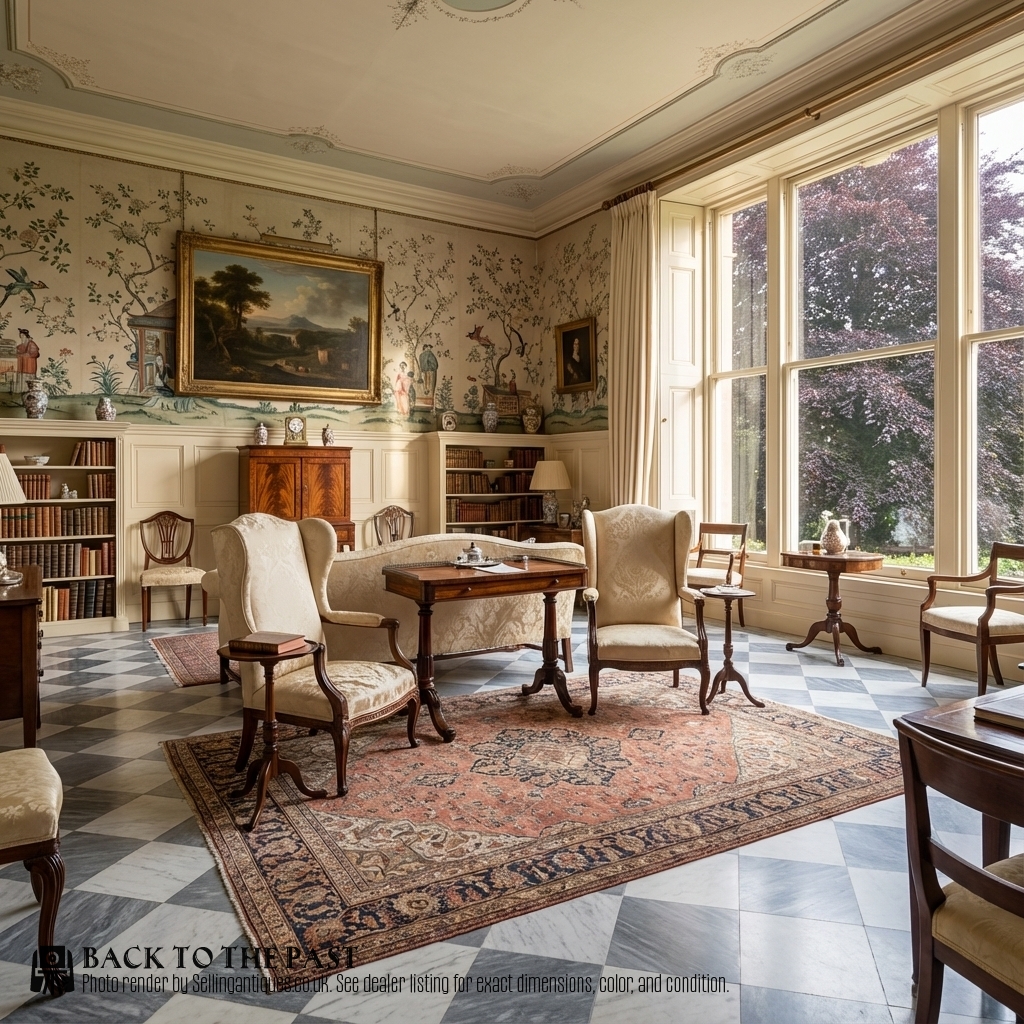
Antique Table with Drawer
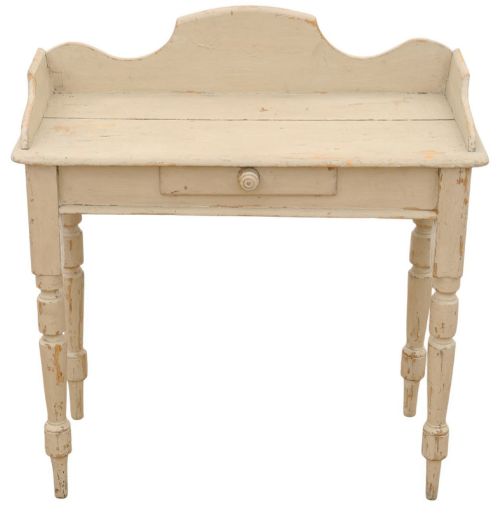
An antique table with drawer spans utilitarian kitchen furniture, formal writing desks, and occasional pieces meant for display and storage. Buyers find domestic workhorses alongside finely turned library and centre tables from the nineteenth century.
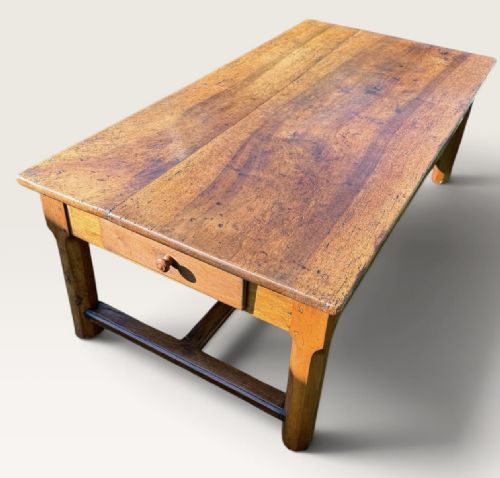
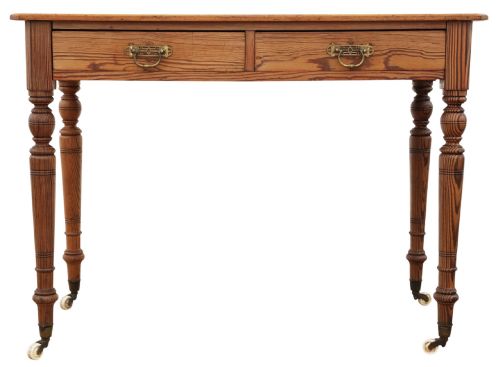
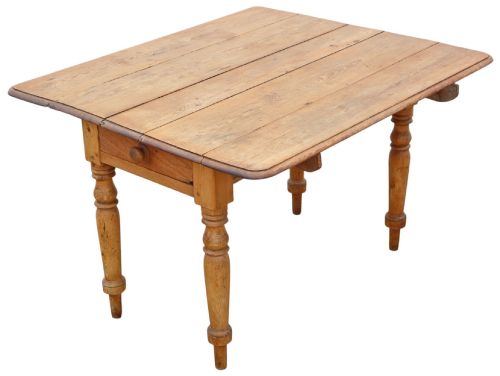
The most frequent version on this page is the pine or fruitwood farmhouse kitchen table equipped with an end or side drawer. These items range from scrub-top drop-leaf pembroke formats to long dining boards built for daily household use.
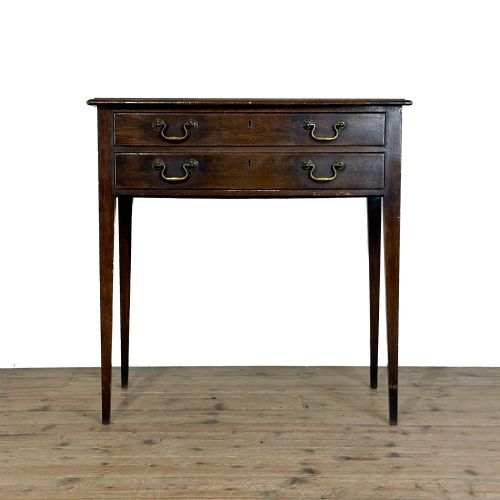
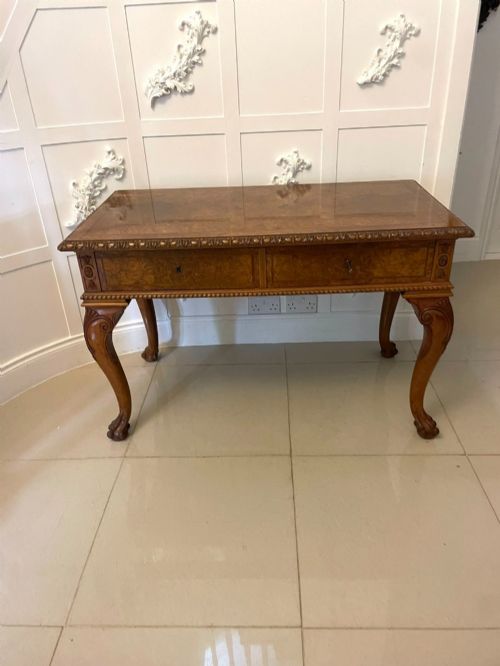
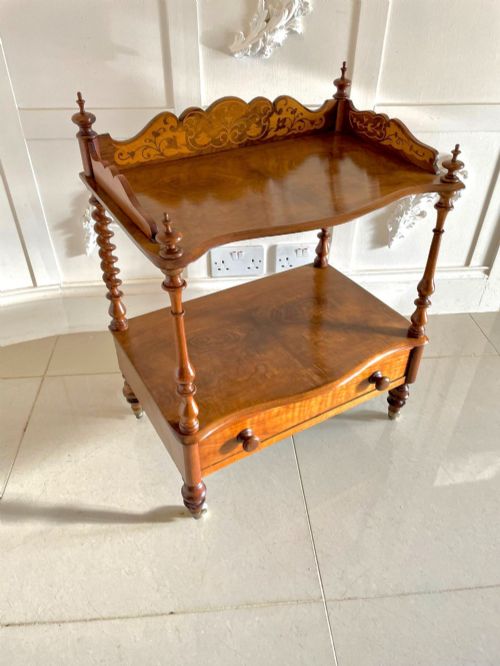
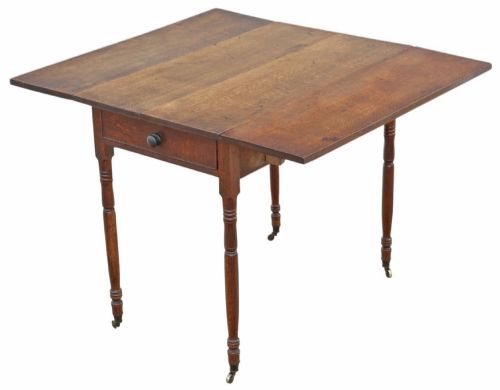
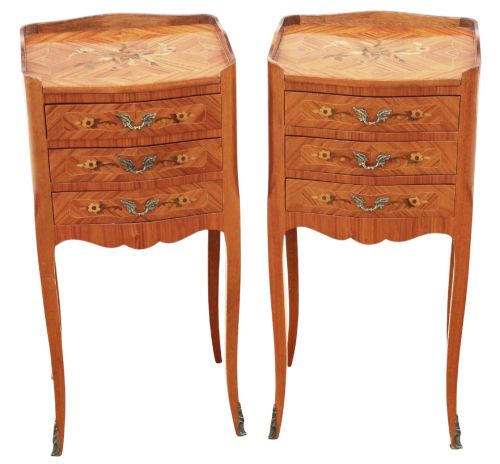
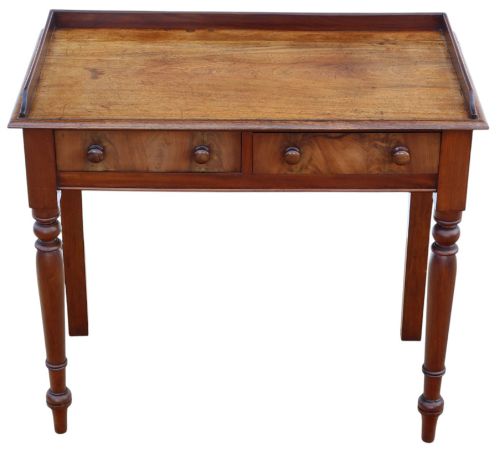
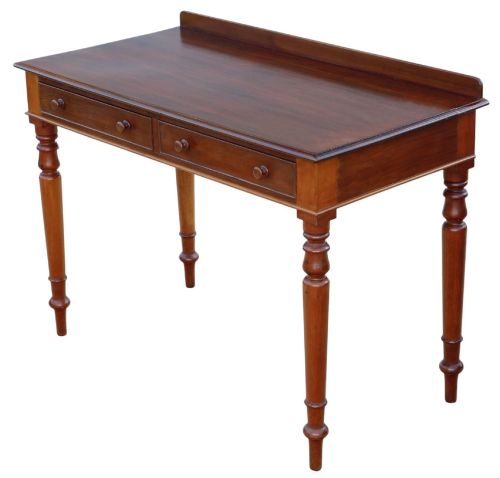
Formal examples appear in mahogany, walnut, and rosewood, often associated with specific stylistic periods such as Regency, William IV, and Victorian manufacturing. These pieces operate as writing desks, side tables, and lamp supports with singular or twin drawers.
Materials and construction
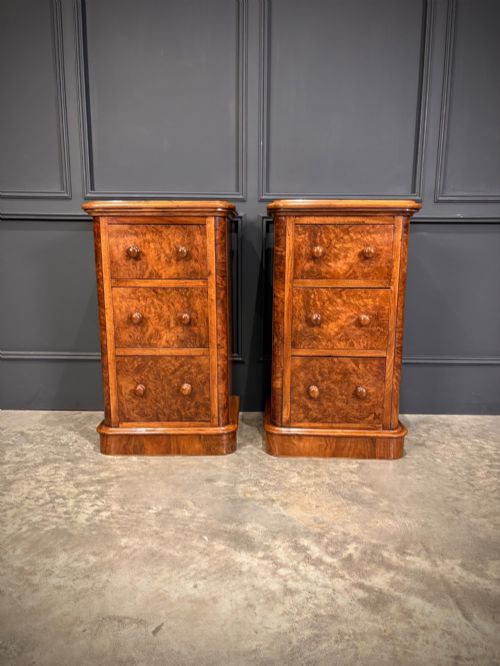
Joinery relies on solid timbers including oak, chestnut, beech, and mahogany, frequently paired with secondary woods like pine for drawer linings and internal framing. Selected pieces incorporate decorative veneers such as satinwood, burr walnut, and olive wood.
Drawers are joined using hand-cut dovetails and hung smoothly within the timber frame, sometimes featuring brass pulls or turned wooden knobs. Surfaces receive natural wax, polish, or remain as scrubbed plain timber depending on the primary domestic function.
Antique Table with Drawer Retail Price Guide 2026
Typical asking prices for table with drawer among the pieces listed under this phrase on Sellingantiques today, from the lower quarter to the upper quarter. They describe what is for sale here now, not the wider market.
The listings span the 19th Century, Regency, and Edwardian periods, utilising oak, mahogany, pine, and fruitwood across dining, writing, and occasional forms.
Distinguishing quality
Quality rests in the integrity of the timber selection and the precision of the underlying joinery rather than surface ornamentation alone. Superior examples display dense, well-figured grain, robust structural framing, and drawers that retain their original linings and runners.
Proportion and execution separate everyday utility items from finer parlour furniture. Pieces retaining original brass hardware, uncompromised timber tops, and balanced leg turnings represent the higher end of the surviving range.
Maple and Co
The Antique Table with Drawer Glossary
- Pembroke table
- A small occasional table featuring hinged drop leaves on two opposing sides and a single functional drawer. These versatile items served breakfast or writing functions in nineteenth-century drawing rooms.
- Lowboy
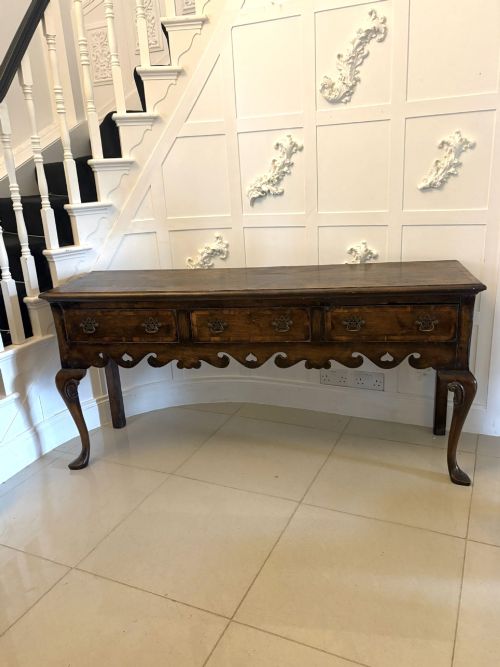
- A small eighteenth or nineteenth-century writing and side table raised on relatively tall legs, typically fitted with one to three drawers beneath a rectangular top. Provincial examples frequently utilise solid oak or walnut.
- Scrub top
- A bare wooden tabletop intended for rigorous daily cleaning with water and scrubbing brushes. This finish is typical of nineteenth-century kitchen and farmhouse tables.
- Dovetail
- A traditional interlocking joint utilised in drawer construction where trapezoidal pins fit securely into matching tails. Hand-cut variations indicate older craftsmanship.
- Baluster leg
- A turned column support shaped with convex and concave profiles. This architectural form appears frequently on Regency and William IV library and writing tables.
Antique Table with Drawer: Frequently Asked Questions
What rooms suit an antique table with drawer?
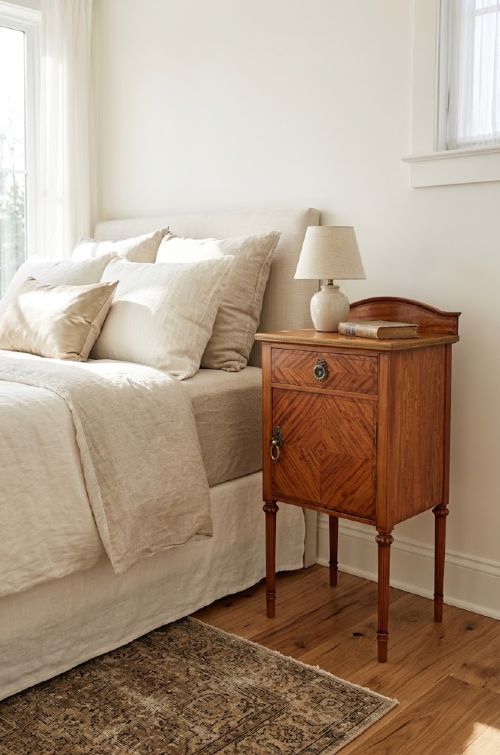
Smaller occasional and side versions fit neatly beside seating or serve as bedside stands in bedrooms. Larger kitchen and dining formats anchor informal eating spaces or serve as practical desks.
The built-in compartment provides discreet storage for small household items, writing materials, or cutlery. This keeps surfaces clear while maintaining period aesthetic value.
How do I care for a scrubbed pine top?
Scrubbed pine surfaces respond well to gentle cleaning with warm water and mild soap, avoiding harsh chemical treatments that strip the wood's natural dry texture. Periodic application of clear beeswax helps protect the grain against moisture and everyday staining.
Allowing the wood to age naturally preserves its character. Avoiding excessive water exposure prevents the timber from warping or splitting over time.
How do I identify a Victorian piece?
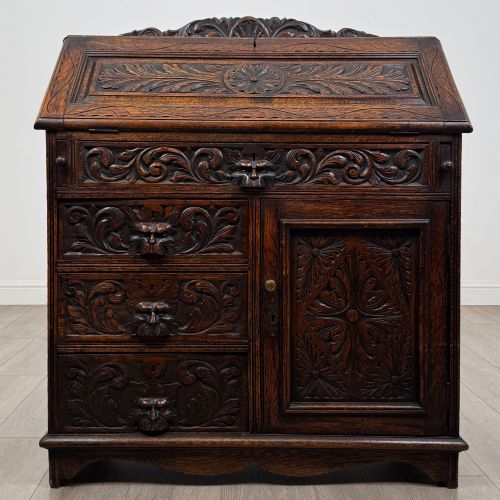
Victorian examples often employ dense dark timbers like mahogany, rosewood, or walnut, sometimes featuring carved foliate details or turned legs. Construction methods show machine assistance alongside traditional hand-cut joinery.
Look for proportions and hardware styles characteristic of the mid to late nineteenth century. Secondary woods inside the drawer can also offer clues regarding the manufacturing date.