

Antique Table Seating
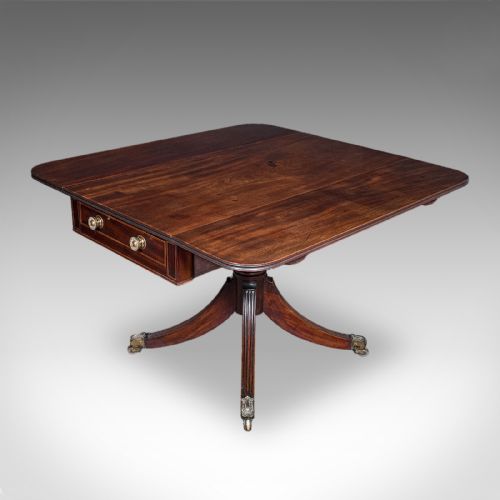
Antique table seating covers everything from grand mahogany dining tables to sturdy oak benches and stools built for everyday use.
Antique Table Seating
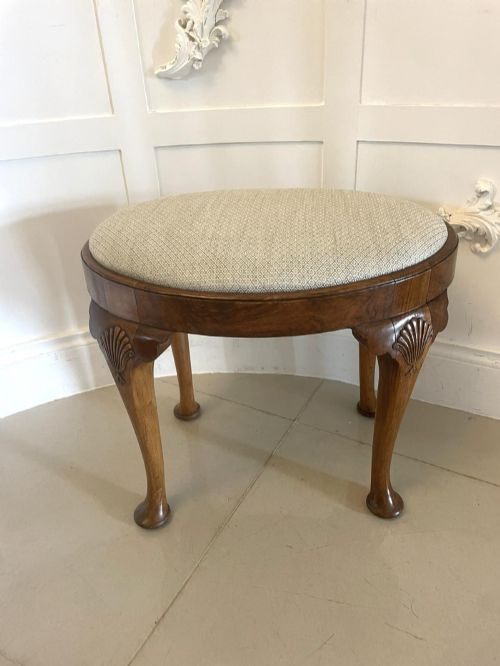
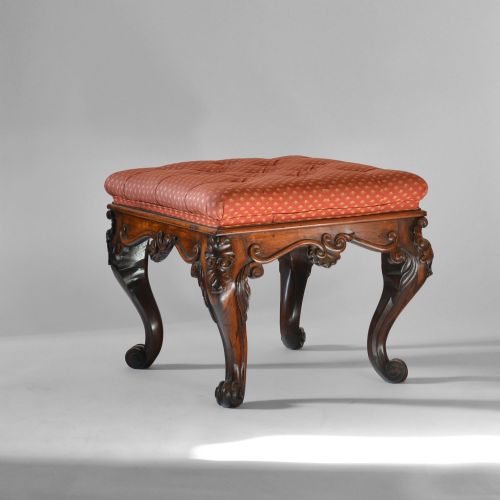
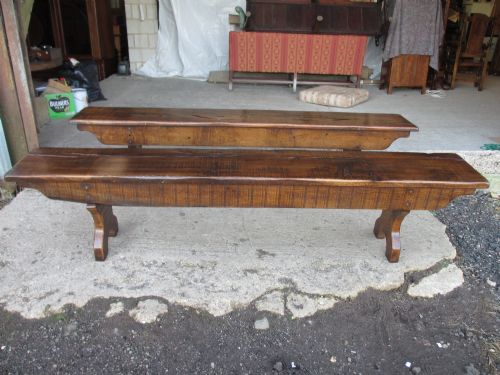
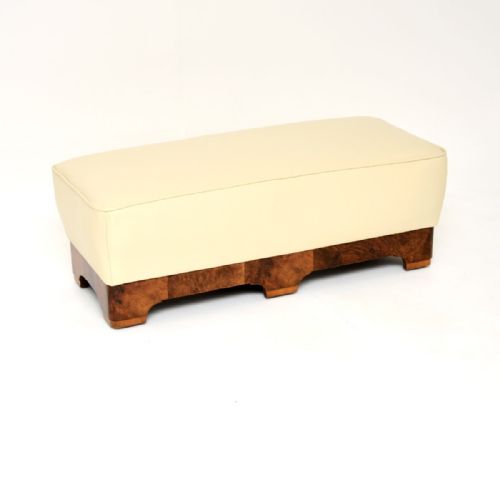
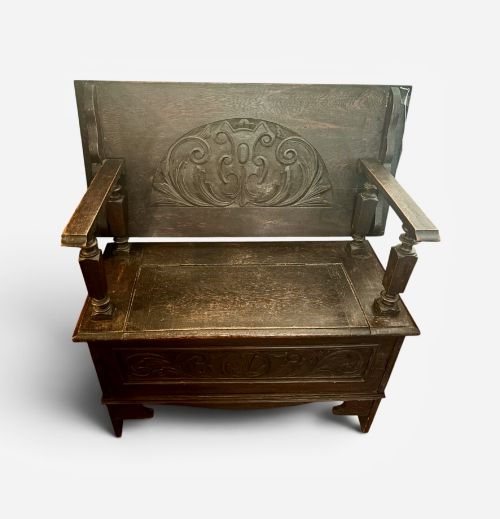
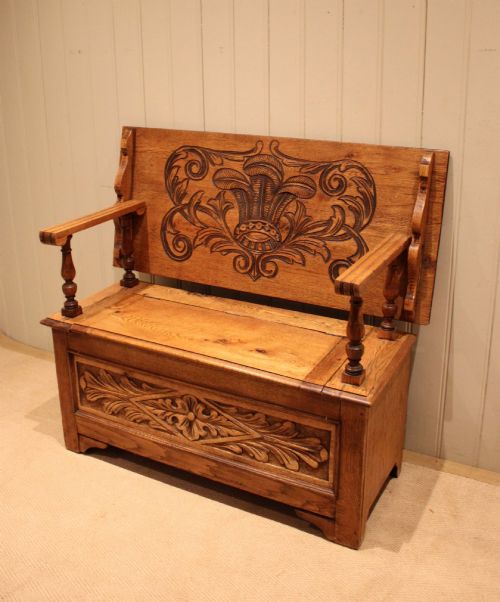
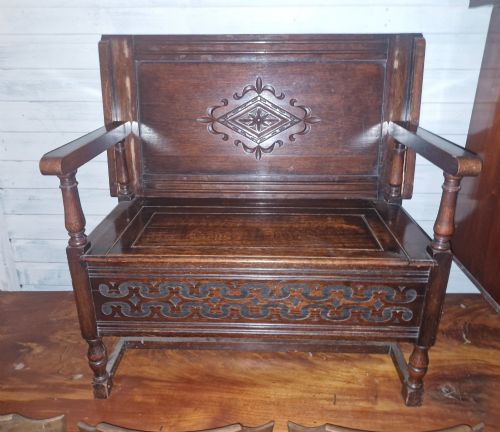
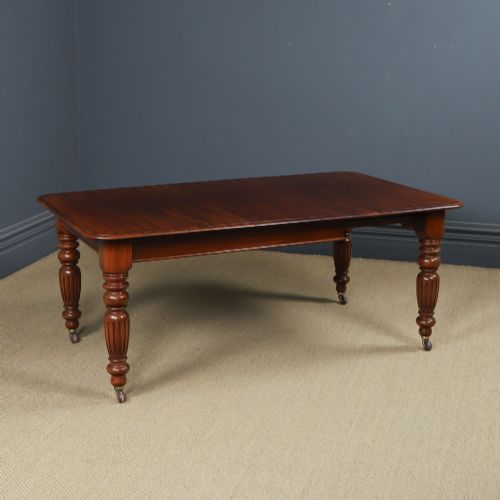
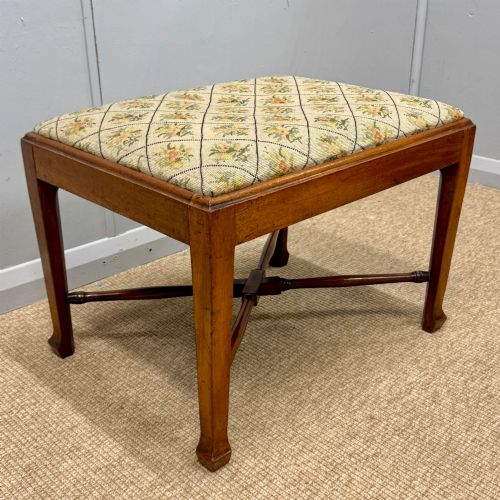
Stools and benches form a substantial part of the available pieces, ranging from simple joint stools in solid oak and sycamore to upholstered walnut dressing table stools and heavy Edwardian hallway benches with shaped trestle ends. Dining chairs appear individually and in large sets, showing stylistic influences from the Georgian period, the Regency era, and Queen Anne revivals.
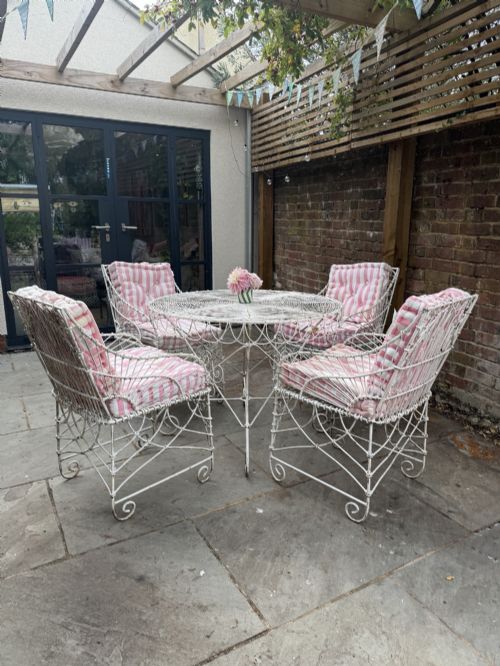
The practical function of these items varies from multi-seating arrangements designed for ten or more guests to compact occasional tables and single seats. Materials stretch beyond standard timbers to include cast-iron frames, marble tops, brass details, and various textile and leather coverings on upholstered forms.
Materials and construction methods
Cabinet makers relied heavily on solid hardwoods like mahogany, oak, and walnut, frequently utilising secondary timbers such as ash, sycamore, and pine for internal or structural components. Joinery methods relied on traditional techniques like mortise and tenon joints seen in joint stools and refectory tables, alongside mechanical extension systems for large dining tables.
Surface treatments and upholstery involved diverse materials including brass fittings, cast-iron framework, marble inserts, and coverings of leather, velvet, fabric, and textile. Carving, turning on lathes, and ebonising provided surface decoration across styles from Jacobean revivals to rococo and art deco interpretations.
Listings feature seating and tables spanning the eighteenth century through the art deco period, constructed in mahogany, oak, walnut, and cast-iron.
Factors that separate the range
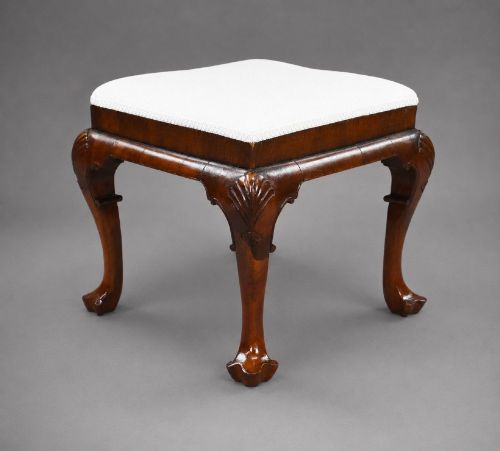
The hierarchy of quality rests on the selection of timber, where burr walnut, figured mahogany, and heavy solid oak sit above standard pine or mixed secondary woods. Finer pieces demonstrate precise hand-carving on scroll backs, cabriole legs, and trestle ends rather than routine machine shaping.
Construction integrity distinguishes better examples, visible in smooth mechanical actions for extending dining tables, tight traditional joinery on stools and benches, and the retention of original finish and surface colour. The presence of matching sets of dining chairs or specialised details like radial leaves elevates the standing of a piece within its period.
Franz Bergman
The Antique Table Seating Glossary
- Extending dining table
- A table equipped with mechanical leaves or slides to increase its overall length for additional guests. These often feature winding mechanisms or drop-in leaves.
- Joint stool
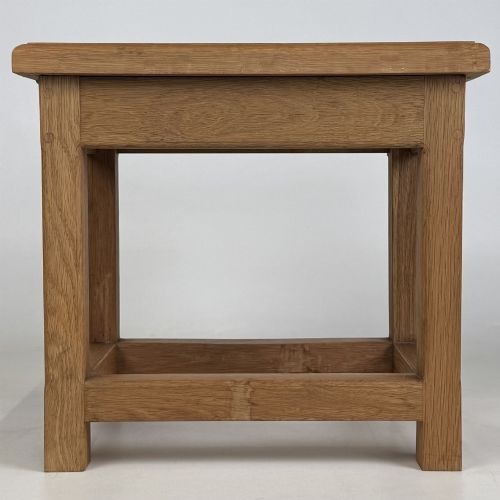
- A sturdy, traditionally constructed wooden stool joined by mortise and tenon framework. They date back centuries and served various seating and utility purposes in the home.
- Refectory table
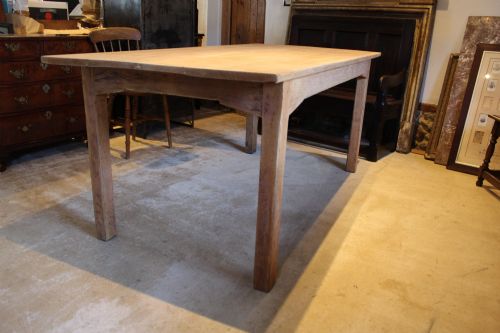
- A long, narrow dining table traditionally used in communal dining halls. Examples in the evidence utilise heavy oak construction with trestle or stretcher supports.
- Cabriole leg
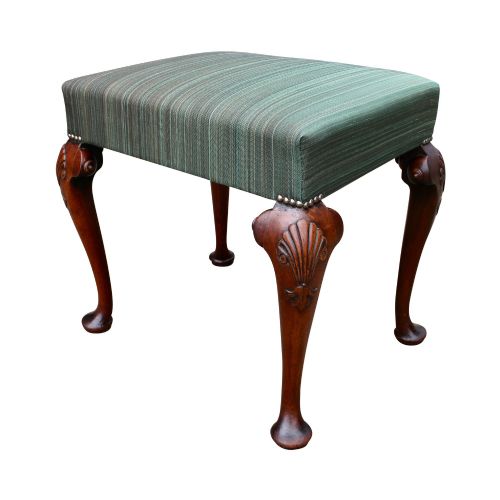
- A furniture leg that curves out and then in, resembling the leg of an animal. This form appears frequently on Victorian and Queen Anne style seating.
- Tilt-top table
- A table with a tabletop that hinges to a vertical position when not in use. This design allowed furniture to be stored against walls in smaller rooms.
Antique Table Seating: Frequently Asked Questions
How do I seat ten people with antiques?
Look for large extending dining tables from the Victorian or Regency periods paired with matching sets of dining chairs. These tables often use removable leaves or mechanical systems to expand.
Ensure you check the clearance beneath the apron of the table to guarantee adequate legroom for guests when fully seated.
How do I identify a refectory table?
Refectory tables are distinguished by their long, narrow proportions and heavy timber construction, usually built from solid oak with stretcher bases or trestle ends.
They originate from communal dining traditions and provide robust seating capacity down both sides of the table length.
Are dressing table stools matching pieces?
Dressing table stools were often produced as standalone items or part of larger bedroom suites in walnut, mahogany, or ebonised wood. They feature upholstered seats in textiles, velvet, or leather.
While some belong to specific nineteenth-century or Edwardian bedroom sets, many were acquired independently to complement dressing tables of similar eras.