

Antique Carver Side Chairs
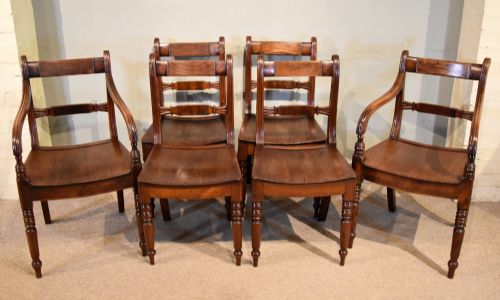
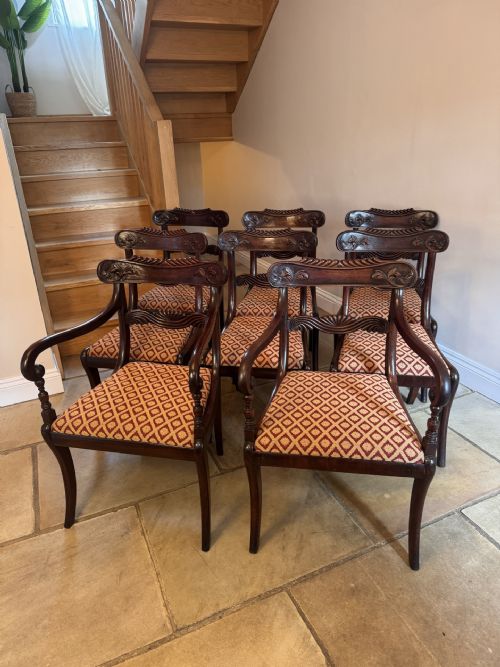
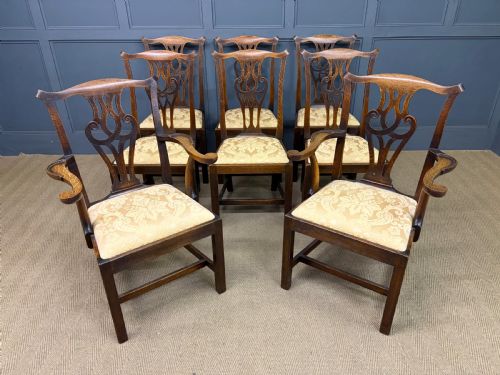
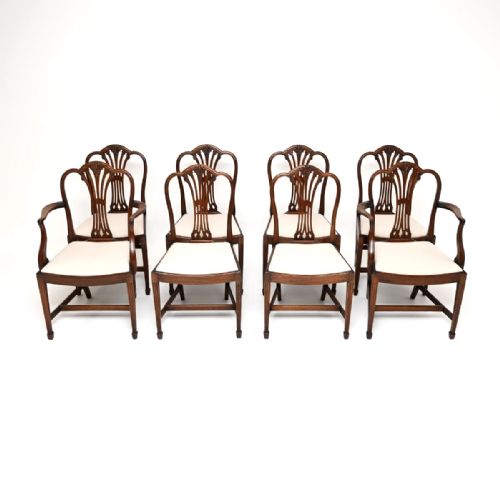
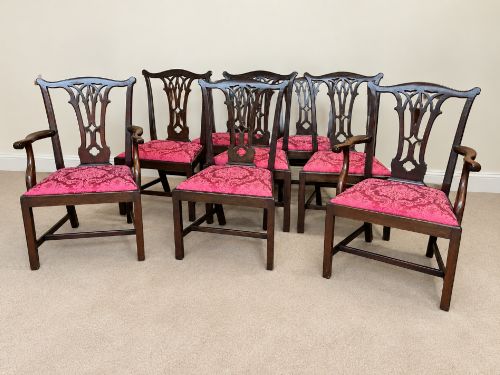
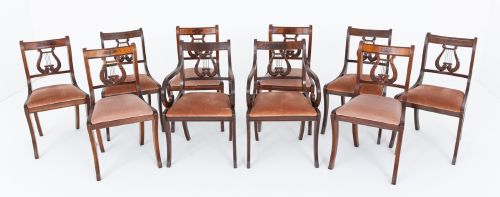
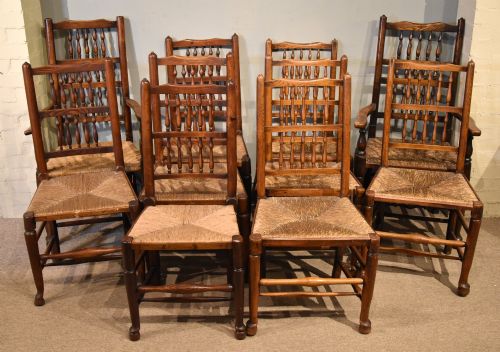
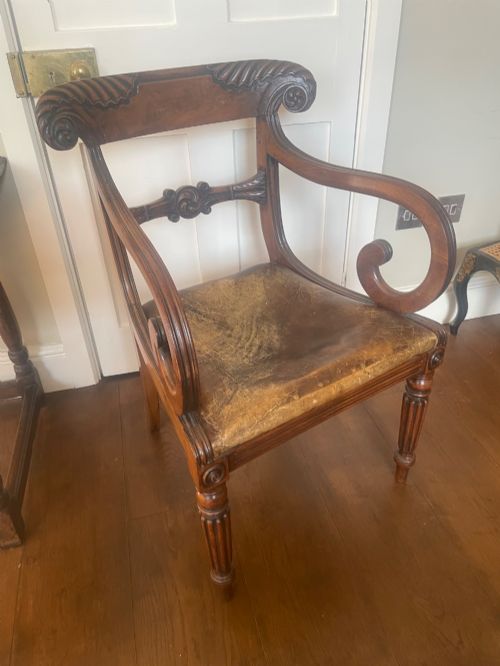
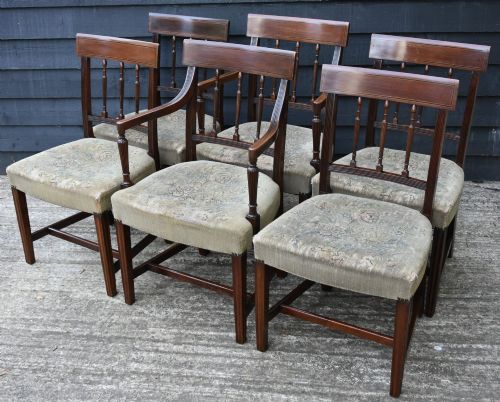
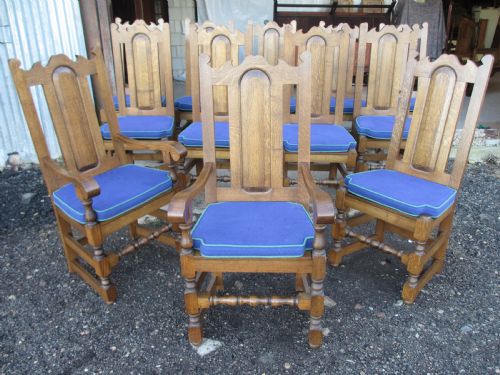
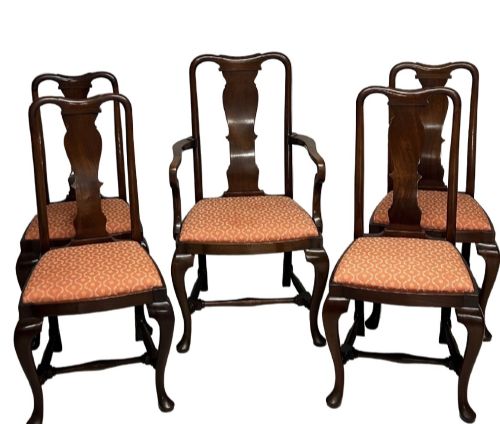
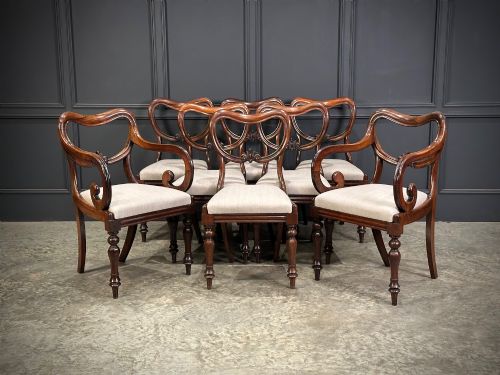
These antique carver side chairs span multiple periods, offering sturdy timber frames and scrolled arms suited for formal dining tables.
Antique Carver Side Chairs
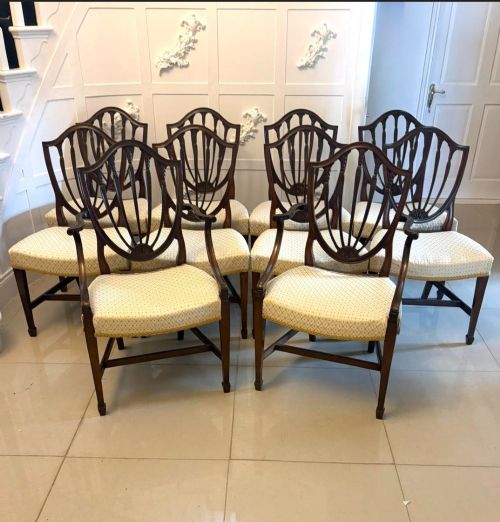
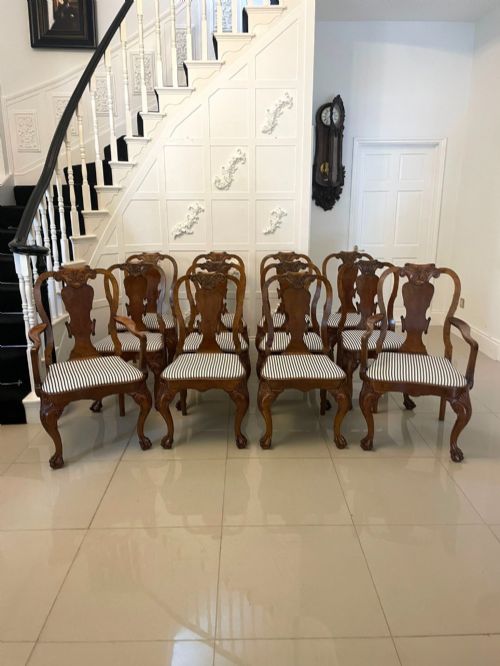
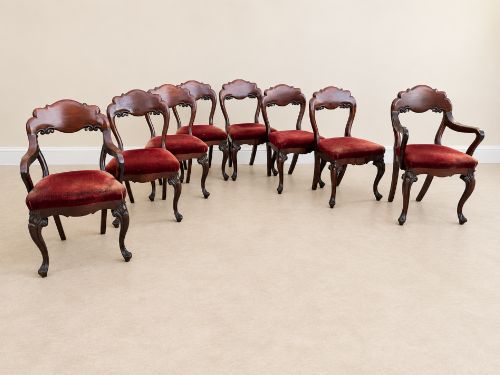
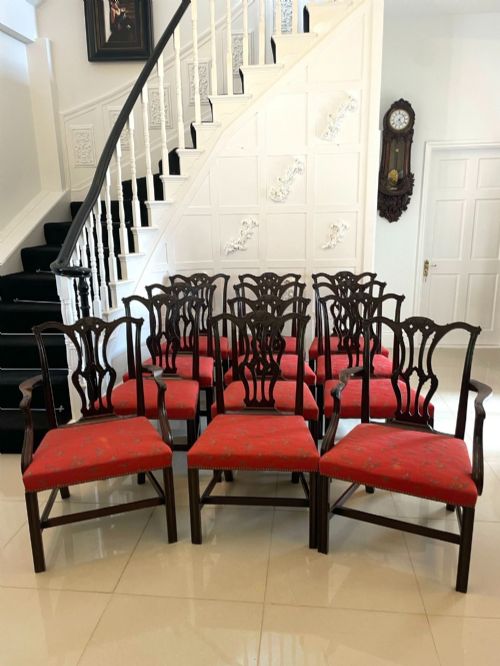
When searching for antique carver side chairs, buyers encounter sturdy seating pieces designed to sit at the heads of dining tables alongside matching side chairs. The selections span Georgian, Regency, Victorian, and Edwardian eras, displaying classic forms such as shield backs, balloon backs, and bar backs.
Most examples found on this page consist of mahogany or oak frames constructed as part of larger dining sets containing both armchairs and armless seats. Regional interpretations include French and provincial country models, alongside revival styles from the nineteenth and twentieth centuries.
Makers frequently integrated open arms with upholstered pads or timber terminals, supporting upright posture during long meals. Buyers often select these pieces to anchor either end of a traditional dining arrangement.
Materials and construction methods
Cabinetmakers relied heavily on dense hardwoods such as mahogany, walnut, and oak to construct durable frames capable of enduring daily use. Timber was often turned, carved, or veneered to display rich grain patterns including flame mahogany and burr walnut.
Upholstered components utilised traditional stuff-over techniques and drop-in pads covered in leather, velvet, or woven fabric. Joinery incorporated strong mortise and tenon joints, sometimes reinforced with brass or iron brackets underneath.
Antique Carver Side Chairs Retail Price Guide 2026
Typical asking prices for carver side chairs among the pieces listed under this phrase on Sellingantiques today, from the lower quarter to the upper quarter. They describe what is for sale here now, not the wider market.
Listings feature mahogany, oak, walnut, and rosewood frames upholstered in leather, velvet, and fabric across multiple centuries.
Distinctions in construction and finish
Superior items exhibit deep, hand-carved detailing along the splats and arms, displaying crisp edges and balanced proportions without modern machine uniformity. The selection of timber grain on prominent surfaces such as shield backs dictates the visual hierarchy of the set.
Original timber surfaces showing patination and wear separate untouched examples from pieces requiring extensive structural timber replacement or heavy re-polishing. The tightness of the joinery and the integrity of internal frame blocks govern longevity.
Maple and Co·Heals of London·Goodyers London
The Antique Carver Side Chairs Glossary
- Carver
- An armchair designed with open sides to accommodate formal clothing, typically placed at the head of a dining table. They share stylistic motifs with the smaller side chairs in a set.
- Balloon back
- An oval or rounded upholstered chair back introduced during the nineteenth century. The curved timber frame resembles the outline of a hot air balloon.
- Bar back
- A horizontal crossbar set across the uprights of a chair back, characteristic of William IV and Regency seating. These rails are sometimes carved or reeded.
- Drop-in seat
- A removable timber frame upholstered independently before being dropped into a recess in the chair rails. This construction allows for easy recovering.
Antique Carver Side Chairs: Frequently Asked Questions
What is a carver side chair?
A carver side chair refers to an armchair that matches a set of armless dining chairs. These seats were traditionally placed at the head and foot of a dining table.
The open arms provided extra room for formal attire while maintaining visual symmetry with the surrounding side chairs.
How do I date these chairs?
Dating involves examining the timber species, joinery methods, and stylistic carving details. Mahogany and oak were favoured in different eras, while shield backs and balloon backs point to specific design phases.
Matching the proportions and secondary woods helps place a piece within Georgian, Victorian, or Edwardian periods.
Are carvers sold individually?
Carvers frequently appear as part of larger dining sets that include matching armless chairs. Some listings offer pairs or individual armchairs separately.
Buyers often look for these single pieces to use as desk chairs or accent seating.
How should I maintain leather seats?
Leather upholstery benefits from regular dusting and occasional treatment with appropriate conditioners to prevent drying. Avoiding direct sunlight preserves the original tone of the hide.
Checking the underlying webbing ensures the seat maintains proper support over time.